MONROVIA – Nearly two years and six months into President Joseph Nyuma Boakai’s administration, one of the most debated aspects of his presidency has been Liberia’s evolving international profile and diplomatic engagement.
Supporters of the administration argue that Liberia has experienced a resurgence on the global stage, citing a series of diplomatic achievements that have elevated the country’s standing in international affairs. Critics, however, caution that diplomacy must ultimately translate into tangible benefits for ordinary Liberians.
Regardless of political persuasion, there is growing consensus that foreign policy and international relations have become defining features of the Boakai administration’s first half-term.
Looking Back: Diplomatic Challenges Under Weah
The debate often begins with a comparison to the administration of former President George Manneh Weah, which governed Liberia from 2018 to 2024.
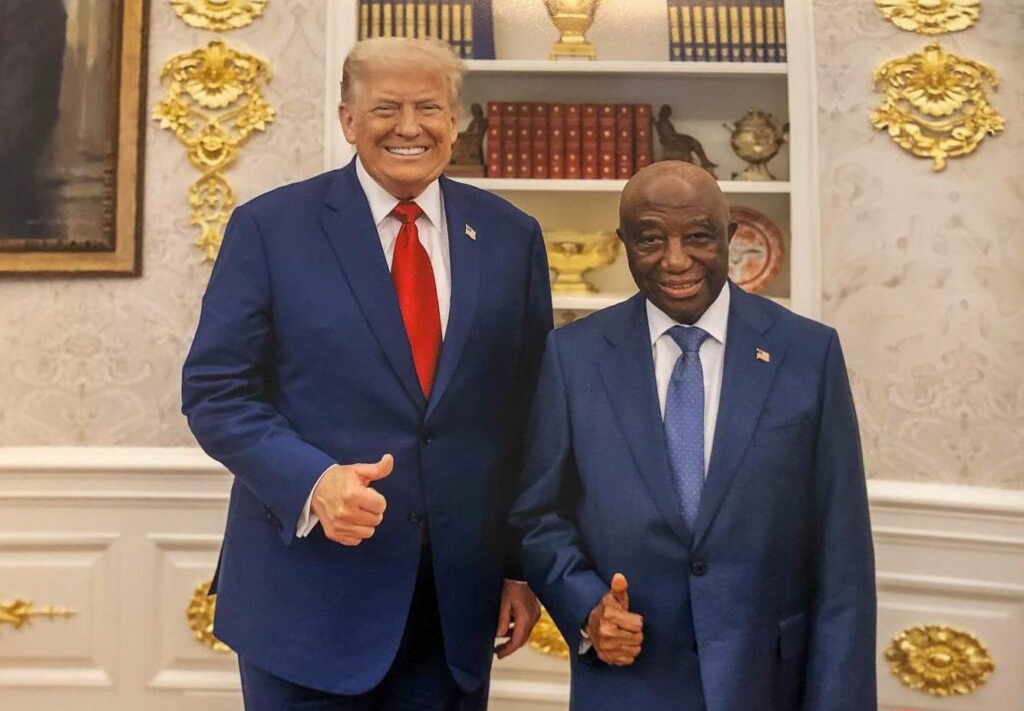
During that period, Liberia faced a number of diplomatic and governance-related controversies that attracted international attention.
One of the earliest incidents occurred in 2018 when several Western diplomatic missions reportedly expressed concerns over the handling of donor-related funds at the Central Bank of Liberia. The matter heightened tensions between the government and some international partners and raised questions about financial governance.
The Weah administration also faced scrutiny over allegations of widespread passport fraud after authorities uncovered a scheme involving the illegal issuance and sale of Liberian passports. The revelations prompted concern among international partners and triggered efforts to strengthen the integrity of Liberia’s travel documents.
Relations with China experienced turbulence in 2022 after Liberia joined a United Nations statement viewed by Beijing as critical of its policies. Although diplomatic ties were not severed, the development reportedly strained relations between Monrovia and Beijing for a period.
The same year, the United States imposed sanctions on several senior Liberian officials over allegations of corruption and abuse of public office. The sanctions attracted global attention and cast a shadow over Liberia’s international image.
Adding to the challenges, Liberia’s access to certain World Bank financing mechanisms was affected by debt-servicing issues during the latter part of the administration, raising concerns about fiscal management and the country’s relationship with international financial institutions.
Boakai’s Diplomatic Reset
Since taking office in January 2024, President Boakai has pursued what government officials describe as a policy of re-engagement with key international partners.
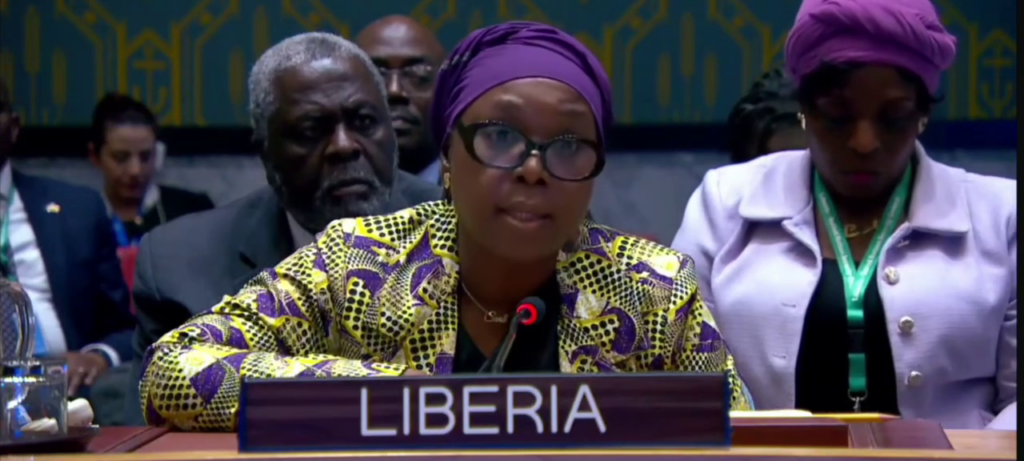
Perhaps the most celebrated achievement came in June 2025 when Liberia overwhelmingly secured election to a non-permanent seat on the United Nations Security Council for the 2026-2027 term.
The victory marked Liberia’s first return to the Security Council in more than six decades and was widely viewed as a significant diplomatic accomplishment.
Government officials described the election as evidence of renewed international confidence in Liberia’s leadership and foreign policy direction.
Rebuilding Ties With China
Another notable development has been the strengthening of Liberia’s relationship with China.
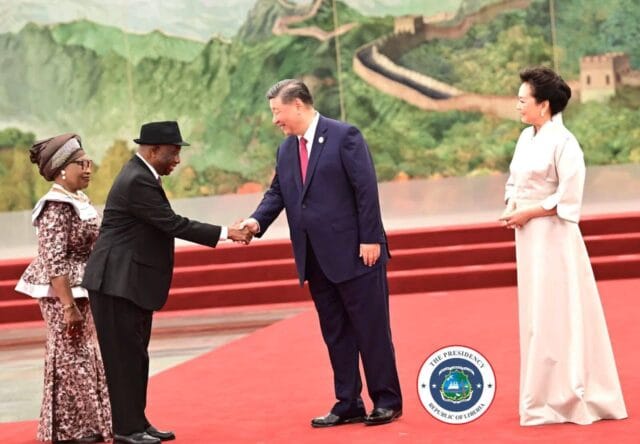
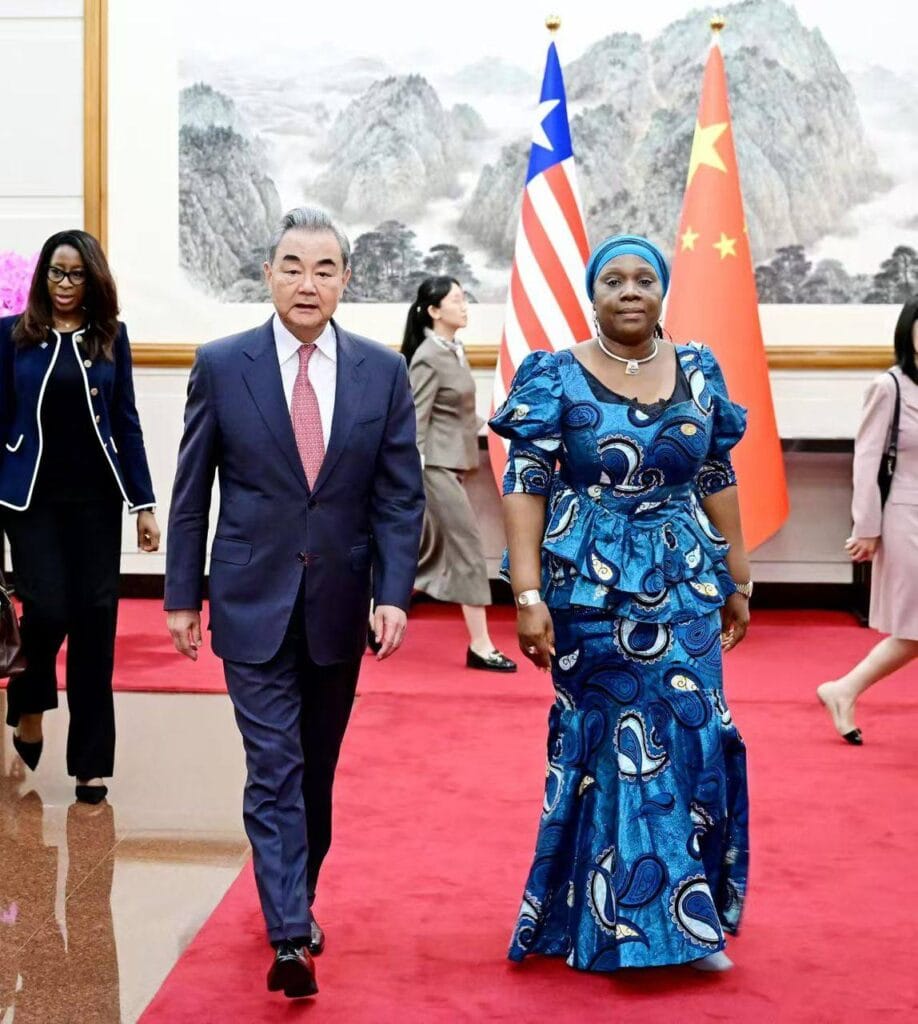
Shortly after Boakai’s election, Chinese President Xi Jinping dispatched a high-level delegation to participate in Liberia’s inauguration ceremonies. President Boakai later traveled to Beijing to attend the 2024 Forum on China-Africa Cooperation (FOCAC) Summit, where he held discussions with Chinese leaders on expanding bilateral cooperation.
Since then, Chinese-backed projects have gained renewed momentum in Liberia, including the construction of two modern diagnostic medical centers and the commencement of the long-awaited overhead bridge projects in Monrovia.
Liberia and China have also discussed expanding agricultural cooperation, technical assistance, infrastructure support, and trade opportunities.

Strengthening Ties With the United States
The Boakai administration has also recorded notable gains in its relationship with Washington.
One of the most significant developments came in 2025 when the United States announced that Liberian citizens applying for certain non-immigrant visas would become eligible for visas valid for up to three years, replacing the previous one-year validity period.
The move was widely welcomed by Liberians, particularly businesspeople, students, and frequent travelers.
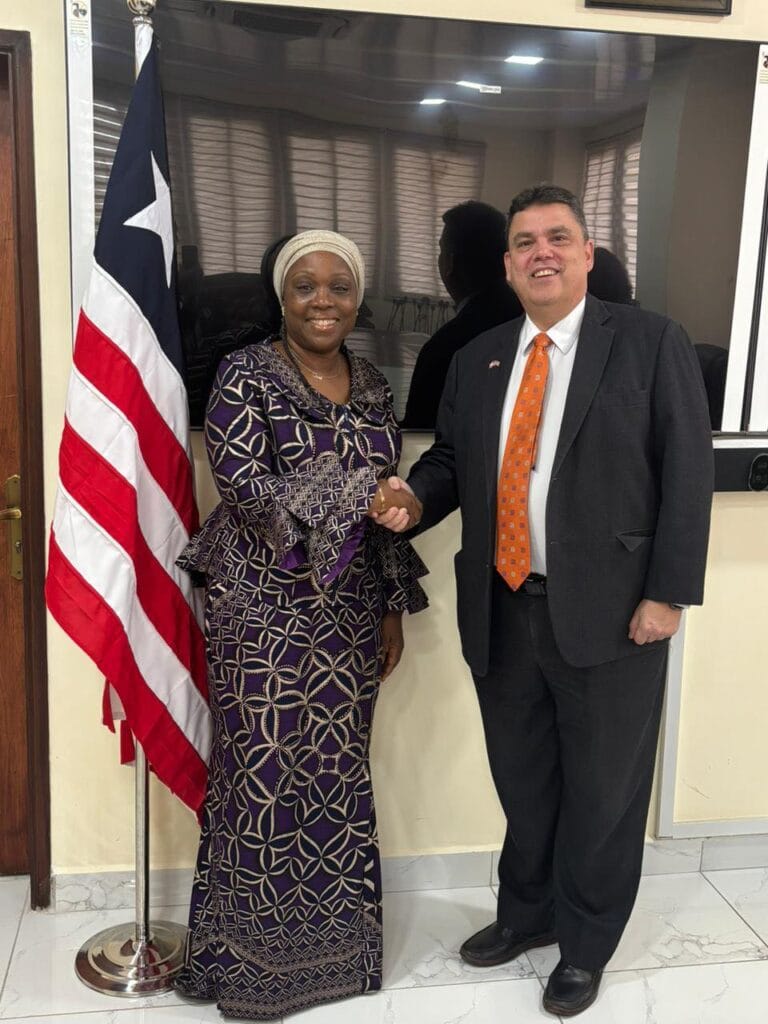
The U.S. government has also publicly commended Liberia’s efforts to strengthen passport security and combat document fraud following reforms initiated by the Boakai administration.
More recently, reports emerged that Liberia would remain among a select group of African countries authorized to retain full U.S. visa-processing services under a planned restructuring of American consular operations across the continent.
If implemented, the designation could position Monrovia as a regional visa-processing hub and potentially increase travel and business activity.
Beyond Traditional Diplomacy
The Boakai administration’s international engagement has extended beyond relations with major powers.
President Boakai’s participation in international forums, including the United Nations General Assembly, the FOCAC Summit in Beijing, the Korea-Africa Summit in Seoul, and high-level engagements in Europe, has formed part of a broader effort to attract investment and strengthen diplomatic partnerships.
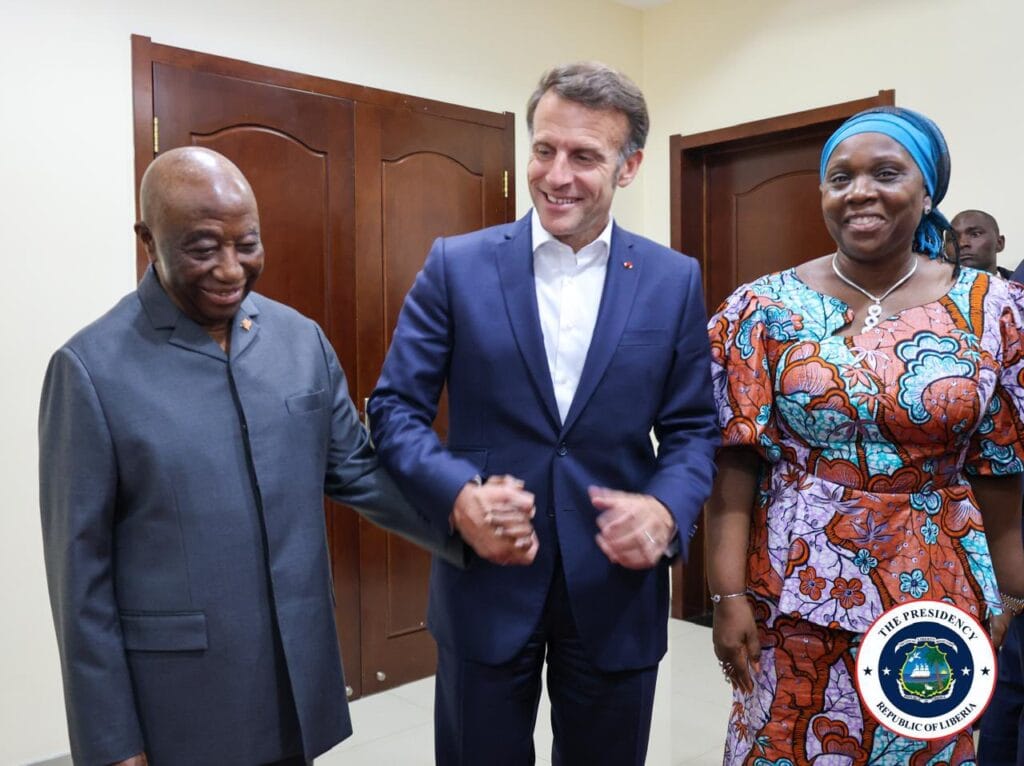
His visit to France, where discussions focused on investment, infrastructure financing, climate resilience, and economic cooperation, reflected the administration’s strategy of diversifying Liberia’s international partnerships beyond traditional allies.
Liberia has also intensified engagement with multilateral institutions such as the African Development Bank, ECOWAS, the African Union, the World Bank, and the International Monetary Fund.
Economic Diplomacy and Investment
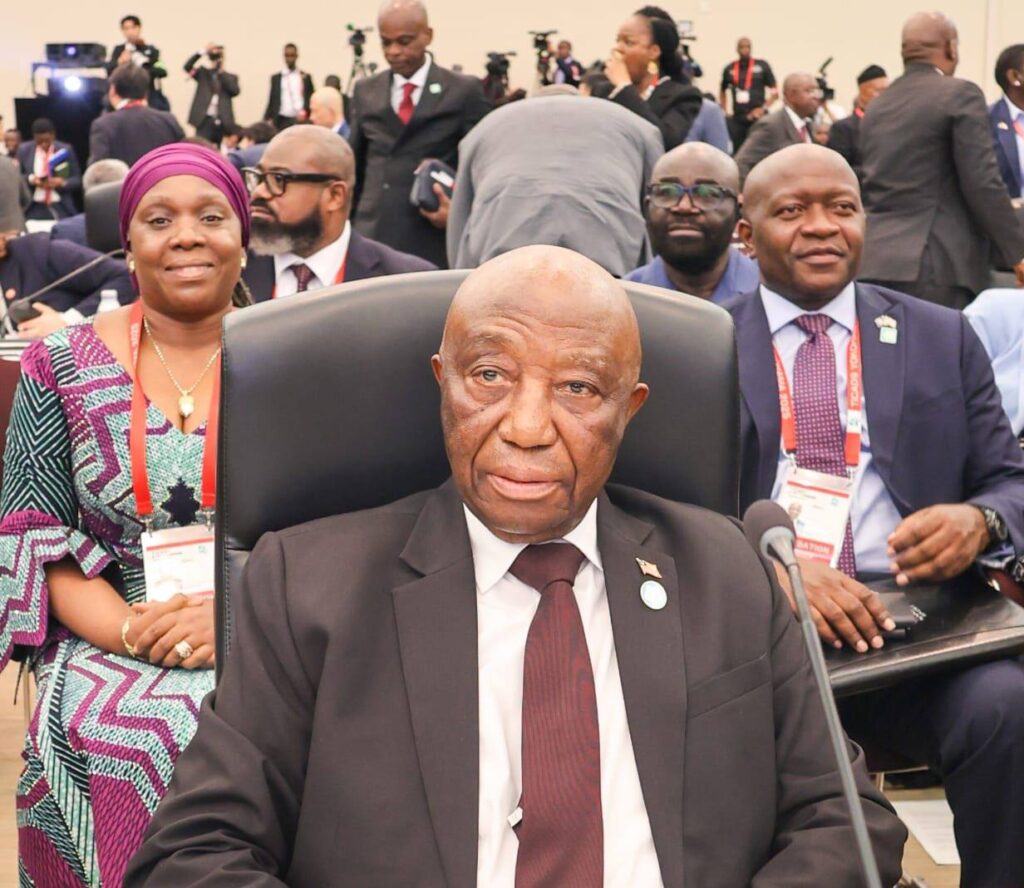
Supporters of the administration argue that the true test of diplomacy lies not in diplomatic ceremonies but in economic outcomes.
The government points to growing investor interest in sectors such as mining, agriculture, energy, telecommunications, and infrastructure as evidence that Liberia’s international image is improving.
Officials also cite ongoing negotiations for road projects, energy investments, healthcare infrastructure, and development financing as products of strengthened international engagement.
However, economists caution that many of these projects remain at various stages of implementation and that the long-term benefits will depend on effective execution and transparency.
Challenges Remain
Despite the diplomatic gains, Liberia continues to face significant challenges.
Unemployment, inadequate infrastructure, limited electricity access, high living costs, and concerns about corruption remain pressing issues for many citizens.
Critics argue that while international recognition is important, the government must ensure that diplomatic successes translate into improved living conditions for ordinary Liberians.
Others contend that diplomatic achievements and domestic development are interconnected, noting that stronger international partnerships often create opportunities for investment, development financing, and technical assistance.
The Verdict So Far
As President Boakai approaches the midpoint of his six-year term, Liberia’s diplomatic trajectory appears markedly different from the controversies and international challenges that characterized parts of the previous administration.
The election to the UN Security Council, renewed engagement with China, stronger ties with the United States, expanded international partnerships, and increased visibility in global affairs have become central features of the administration’s foreign policy record.
Whether those gains ultimately produce transformative economic and social benefits remains a question that will likely define political debate in the years leading to the 2029 elections.
For now, however, Liberia’s foreign policy story appears to be one of renewed engagement, increased international visibility, and an ambitious effort to reposition the country within an increasingly competitive global landscape.
Follow The Liberian Post on Facebook and X (formerly twitter)