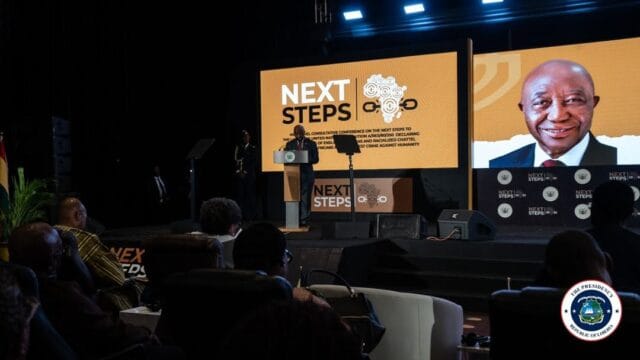
-Liberian Leader Proposes Five-Point Roadmap for Implementing Historic UN Resolution on Transatlantic Slave Trade
ACCRA, GHANA – President Joseph Nyuma Boakai, Sr. has called for a coordinated global effort to advance reparatory justice for the transatlantic slave trade, urging the international community to move beyond symbolic recognition and embrace concrete actions aimed at healing historical wounds, restoring dignity, and addressing enduring inequalities rooted in centuries of slavery and exploitation.
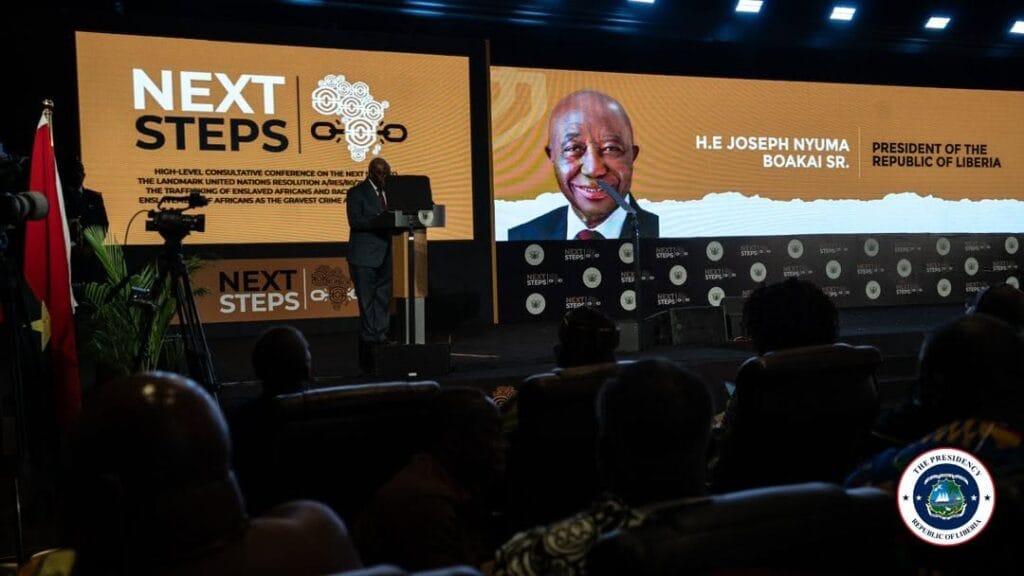
Delivering the keynote address Thursday, June 18, at a two-day High-Level Consultative Conference on the implementation of United Nations Resolution A/RES/80/250 on the Transatlantic Slave Trade, President Boakai said the world stands at a defining moment in history and must seize the opportunity to transform a landmark resolution into meaningful justice and reconciliation.
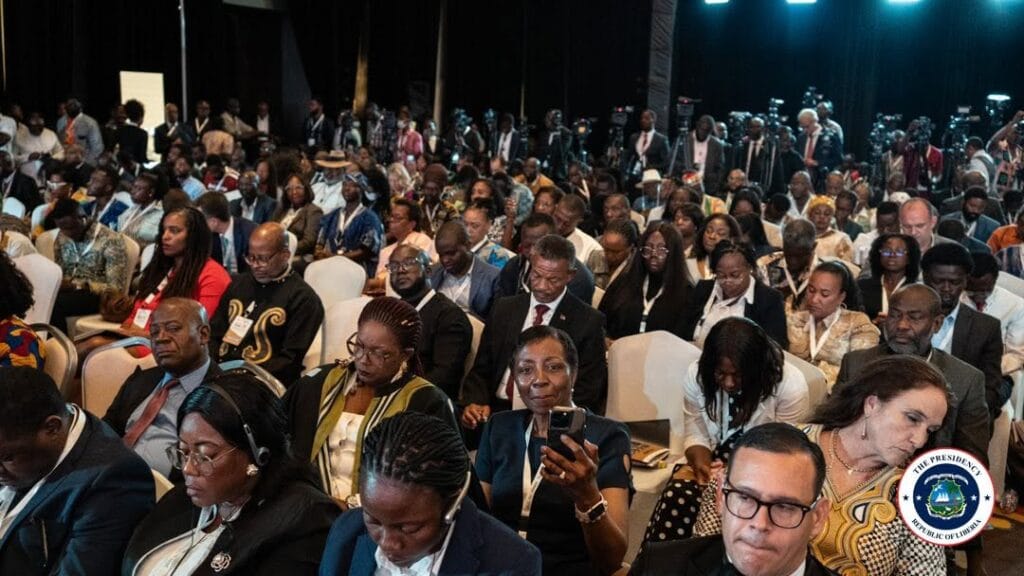
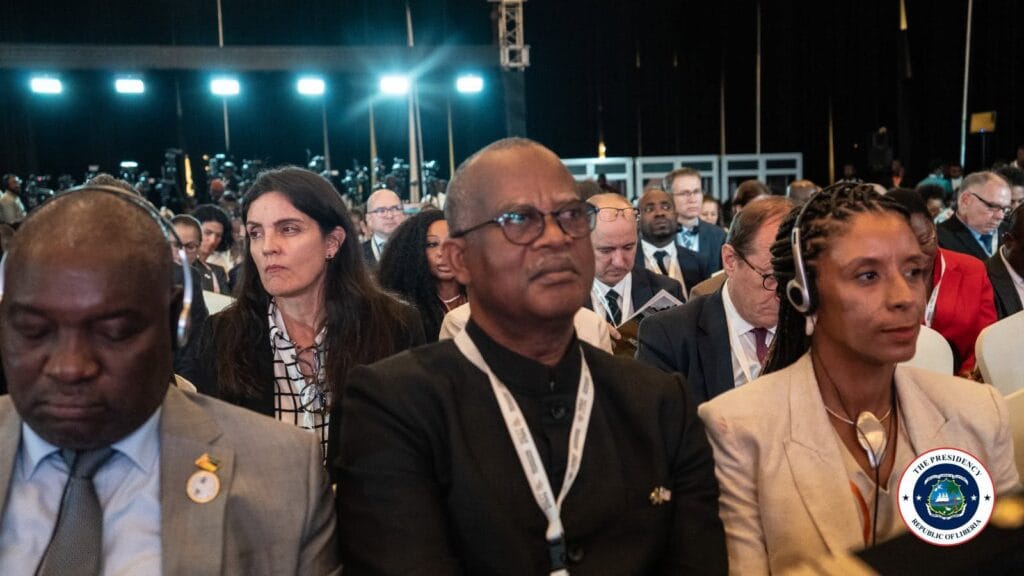
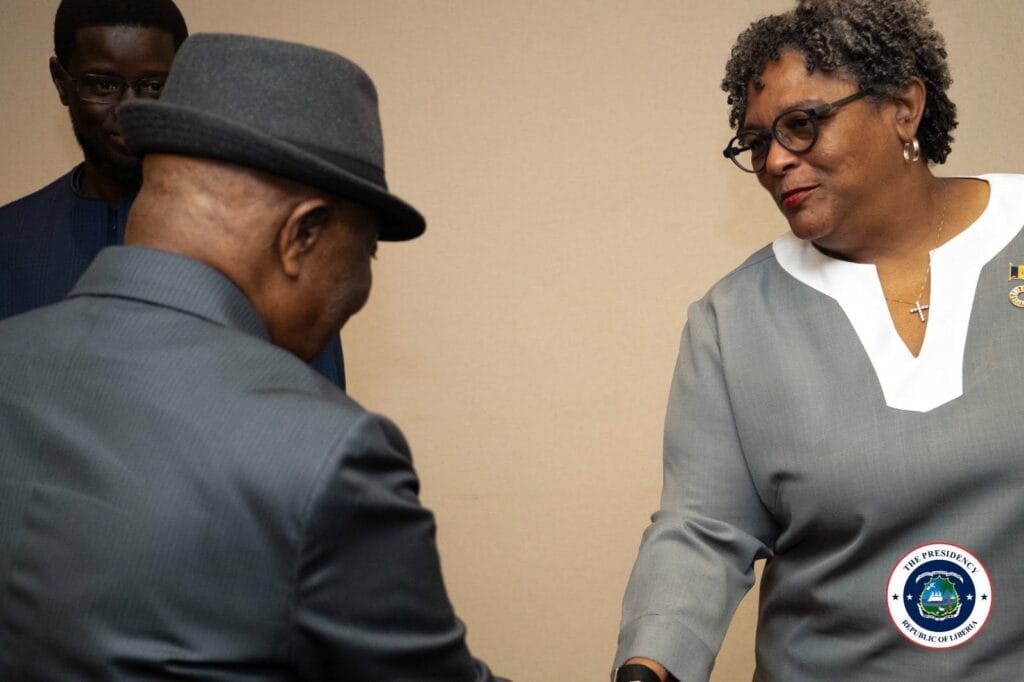
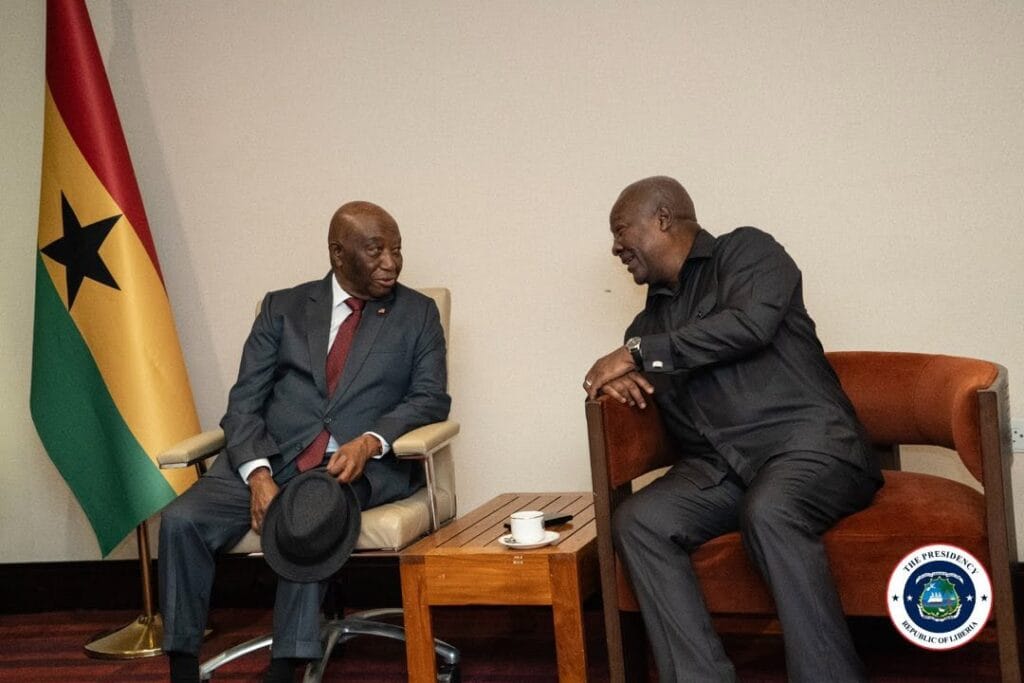
The conference, convened by Ghanaian President John Dramani Mahama in Accra, brought together African leaders, representatives of the African Union (AU), CARICOM, the Community of Latin American and Caribbean States (CELAC), members of the global African diaspora, United Nations agencies, civil society organizations, and development partners.
Boakai, who was recently named to the newly established Global Advisory Panel on Reparatory Justice, described the gathering as an opportunity to confront one of humanity’s gravest crimes and chart a path toward lasting repair.
“It is fitting that we meet on these historic shores, still marked by the memory of those who were torn from their homes, families, and communities and forced across the Atlantic,” the Liberian leader said. “Their suffering still calls us to confront one of history’s gravest crimes against humanity.”
From Recognition to Action
President Boakai welcomed the adoption of the UN resolution recognizing the trafficking and racialized enslavement of Africans as among the gravest crimes against humanity, describing it as a significant moral milestone more than five centuries after the first Africans were forcibly taken across the Atlantic.
He said the resolution represents more than a historical acknowledgment; it offers an opportunity to pursue truth, justice, healing, and institutional reform.
“We gather to ensure that this resolution becomes not only a statement of historical recognition but also a framework for truth, justice, healing, and institutional repair,” he declared.
The Liberian President emphasized that the consequences of slavery extend far beyond economics and cannot be measured solely by stolen labor or lost wealth.
According to him, slavery’s legacy continues to manifest itself through intergenerational social, cultural, psychological, political, and economic impacts that still shape societies today.
“For Liberia, the legacy of the transatlantic slave trade is woven into the fabric of our national story and continues to shape our understanding of identity, belonging, and nationhood,” he noted.
Five-Point Roadmap for Reparatory Justice
As discussions turn toward implementation of the UN resolution, President Boakai proposed a five-point framework aimed at transforming the global reparations conversation into actionable policies.
First, he called for the development of a common African position and implementation framework, coordinated with CARICOM and diaspora organizations, supported by a clear roadmap, timelines, and responsibilities.
Second, he proposed the establishment of an African Union–United Nations Expert Commission to design and oversee a Global Reparatory Justice Mechanism.
Third, Boakai stressed the need to confront historical erasure and misinformation through education, research, and truth-telling initiatives, including stronger support for African universities, archives, and research institutions.
Fourth, he advocated for the restitution of stolen cultural artifacts and heritage objects while promoting development partnerships that address inequalities linked to slavery and colonial exploitation.
Fifth, he called for new global partnerships aimed at addressing persistent underdevelopment and structural inequalities rooted in slavery and its aftermath.
“The slave trade and its aftermath contributed profoundly to inequality and underdevelopment in Africa and across the Global South,” Boakai said. “The past has helped shape the inequities of the present.”
Reparations Not About Blame, President Says
Addressing concerns often raised in discussions about reparatory justice, President Boakai stressed that the movement is not about assigning personal guilt to present generations.
Instead, he said, it is about acknowledging historical truths, understanding the lasting consequences of injustice, and working collectively toward healing and repair.
“The call for reparatory justice is not an effort to assign personal guilt to the present generation for the sins of the past,” he said. “Rather, it is a call for understanding, empathy, and a willingness to confront uncomfortable truths.”
He urged international partners to engage honestly with history and recognize the lasting impact of slavery on Africa and its diaspora.
“We invite our partners across the world to share in our anguish, to recognize the enduring consequences of this historic injustice, and to join us in a common commitment to healing and repair,” he stated.
‘Truth Over Silence, Justice Over Hesitation’
In some of the most powerful remarks of his address, President Boakai warned against allowing the resolution to become another well-intentioned declaration that ultimately fades into history without meaningful action.
He challenged world leaders to ensure that future generations remember the current moment as a turning point in humanity’s pursuit of justice.
“History has brought us to a rare and defining moment,” he said. “Future generations will judge us not by the eloquence of our declarations, but by the courage of our actions.”
He added: “Let this not be remembered as another conference or another resolution that stirred consciences briefly before fading into history. Let it be remembered as the moment when the world chose truth over silence, justice over hesitation, and moral courage over the comfort of the status quo.”
A Call for Global Unity
Concluding his address, President Boakai called for a united international effort to ensure that the horrors of slavery, racialized exploitation, and dehumanization are never repeated.
He urged participants to leave Accra committed to building a future founded on dignity, equity, shared prosperity, and common humanity.
“Today, through us, those voices speak again,” he said. “They call not for vengeance, but for recognition; not for division, but for reconciliation; not for charity, but for justice.”
“Let us leave Accra united in purpose and committed to ensuring that the gravest crime against humanity is met with one of humanity’s greatest responses: a determined global effort to restore dignity, repair historical wrongs, and build a future founded on equity, shared prosperity, and our common humanity.”
The conference is expected to produce recommendations aimed at advancing implementation of the landmark UN resolution and strengthening global cooperation on reparatory justice for the transatlantic slave trade and its enduring consequences.
For breaking news, in-depth analysis, and exclusive reports from Liberia and around the world, follow The Liberian Post on Facebook (https://web.facebook.com/profile.php?id=61576017166570) and X, formerly Twitter (https://x.com/LiberianPost).