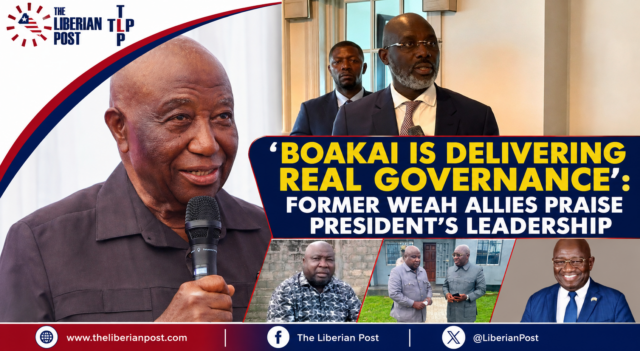
-Ex-Labor Minister Moses Kollie Says President Boakai Gives Ministers Access and Listens to Advice, While NPP Chairman George Mulbah Acknowledges Infrastructure Gains but Cites Governance Challenges
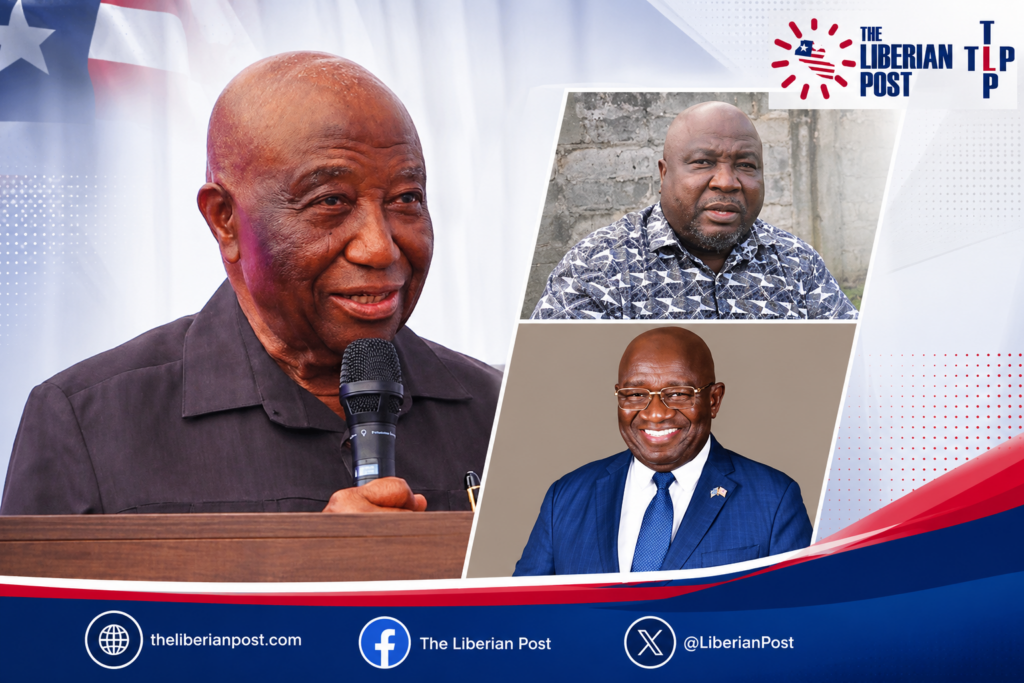
MONROVIA, Liberia – Two former officials of ex-President George Manneh Weah’s administration have offered contrasting assessments of President Joseph Nyuma Boakai’s leadership, with former Labor Minister Moses Y. Kollie declaring that Liberia is now experiencing “real governance,” while National Patriotic Party (NPP) Chairman Atty. George Mulbah acknowledged progress in some sectors but pointed to continuing shortcomings in others.
Speaking Wednesday, August 5, on OK FM’s morning talk show, Kollie—who served as Representative for Lofa County before later serving as Minister of Labor under the Weah administration—said President Boakai’s leadership style reflects effective governance because cabinet officials and senior government appointees have direct access to the President and are encouraged to contribute to national decision-making.
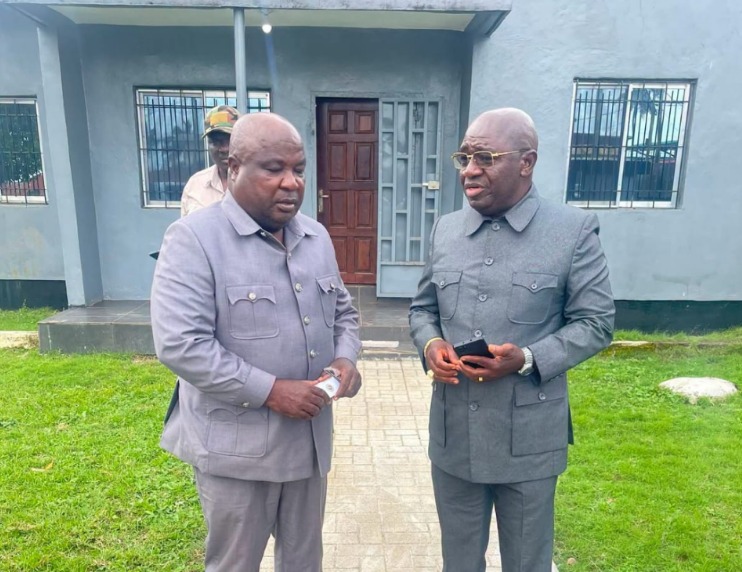
Mulbah, another prominent political figure whose party formed part of the former President’s Coalition for Democratic Change (CDC), agreed that the Boakai administration has recorded progress, particularly in road infrastructure, but argued that the government still faces challenges in reconciliation and the conduct of some Executive Branch officials.
Both men were senior members of political parties that constituted the CDC coalition, giving their observations added significance as assessments from individuals who participated in the previous administration.
‘I See Real Governance’
Kollie based his assessment on what he described as nearly three decades of public service, spanning Liberia’s civil service, Legislature and Executive Branch.
“Now, with the very coalition that we had, we supported the administration. However, we went to the elections and the Unity Party won, and Ambassador Joseph Boakai became President,” Kollie said.
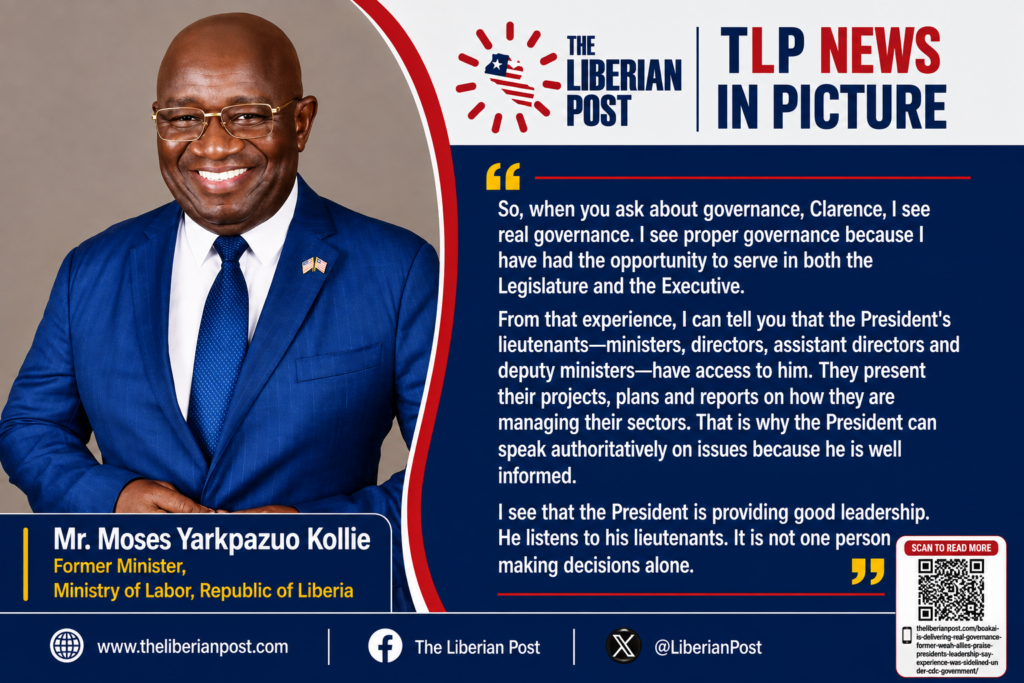
“So, when you ask about governance, Clarence (host of the show), I see real governance. I see proper governance because I have had the opportunity to serve in both the Legislature and the Executive.”
He said his experience serving 11 years as a civil servant, 12 years in the Legislature, and six years in the Executive has given him a unique perspective on how government functions.
“From that experience, I can tell you that the President’s lieutenants—ministers, directors, assistant directors and deputy ministers—have access to him. They present their projects, plans and reports on how they are managing their sectors,” he said.
“That is why the President can speak authoritatively on issues because he is well informed. I see that the President is providing good leadership. He listens to his lieutenants. It is not one person making decisions alone.”
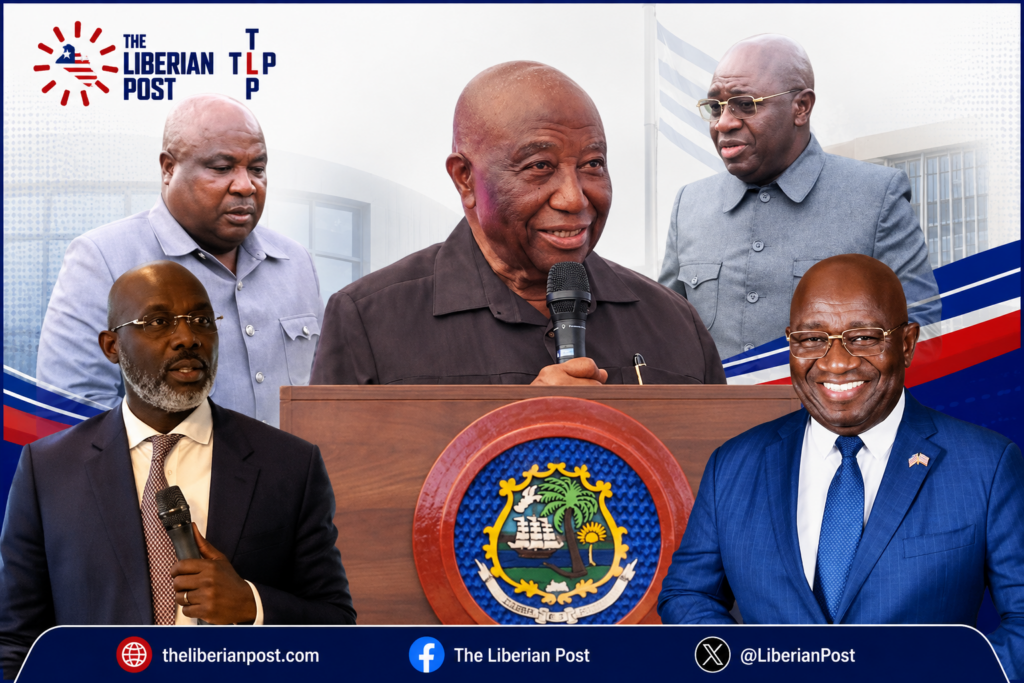
Says Experienced Officials Were Shut Out Under Weah
Reflecting on his time in the Weah administration, Kollie suggested that many experienced officials were denied meaningful access to the former President, making effective governance more difficult.
“I don’t normally discuss my past, but since this is an interview, I am constrained to respond to some of your questions,” he said.
“The moment we crossed into 2018, the President was in a cage. People prevented experienced leaders from gaining access to him because those around him wanted to manipulate him.”
As an example, Kollie cited the controversial salary harmonization policy, recalling that he questioned the initiative during a Cabinet meeting because, according to him, it had not previously been discussed by ministers before being presented for implementation.
“I was the only cabinet minister who questioned it,” he recalled.
“Government policies are supposed to be formulated at Cabinet meetings, and we had never discussed such a policy.”
Kollie said former Minister of State Zeogar Wilson later privately acknowledged that his concerns were legitimate and warned that the policy could damage the administration.
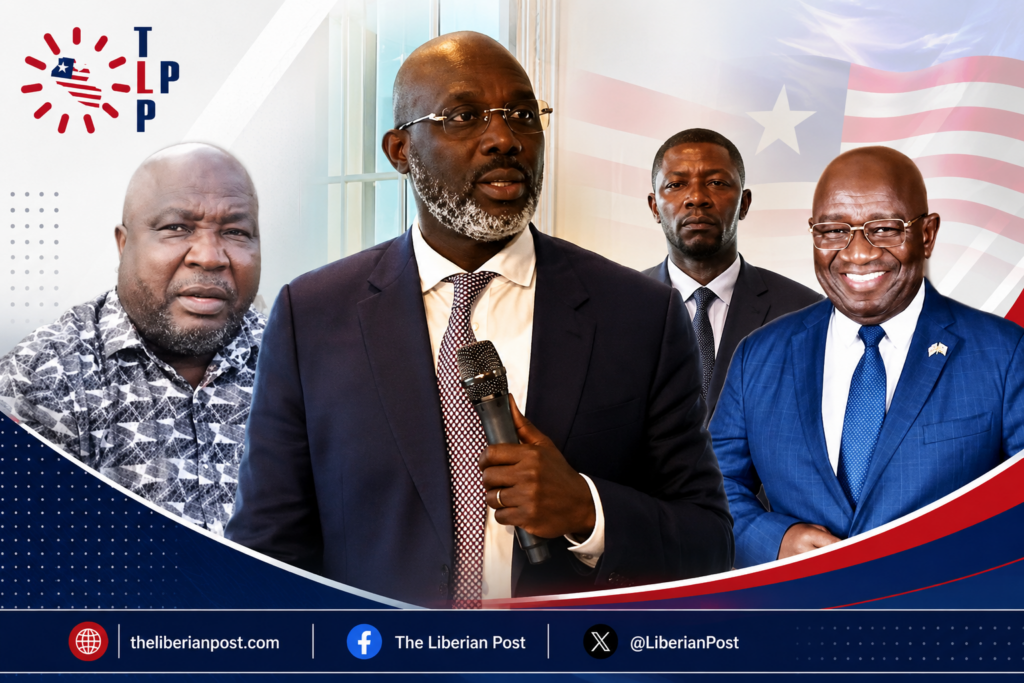
Defends Government’s Management of Public Funds
Kollie also defended the Boakai administration against allegations of widespread misapplication of public funds.
He argued that statutory funds such as the Road Fund and Social Development Funds allocated to counties are increasingly being used for the purposes for which they were established.
According to him, counties including Nimba, Grand Bassa and Bong are now benefiting more directly from resources generated through concession agreements, logging activities and development partnerships.
“I have observed and analyzed the government’s actions,” Kollie said.
“I do not see the government misapplying those county development funds. That is why you see development in Bassa, Bong and Nimba.”
He added that the Road Fund Authority was established specifically to finance road development and should not have its resources diverted to unrelated government expenditures.
Why He Remained with the CDC
Responding to questions about his continued association with the CDC after leaving the Executive Branch, Kollie said his decision was driven by his desire to contest a legislative seat rather than dissatisfaction with public service itself.
“I stayed with the Coalition because I chose to contest for the Legislature,” he explained.
“There is a difference between serving in the Legislature and serving in the Executive. In the Legislature, you have an independent opinion. Had things been good, I would have remained in the Executive instead of contesting.”
Mulbah Sees Progress, But Raises Concerns
While acknowledging achievements under President Boakai, Atty. George Mulbah offered a more measured assessment.
“In terms of governance under President Boakai, I see some mistakes in government,” Mulbah said.
“I see members of the Executive responding to legislators who raise national issues by insulting them. That is wrong.”
He argued that because President Boakai maintains cordial relations with the leadership of both the Senate and the House of Representatives, Executive officials should avoid unnecessary public confrontations with lawmakers.
“Whenever a senator or representative speaks, Executive officials should not rush to insult or counter them,” he said.
Although critical of the government’s reconciliation efforts, Mulbah commended the administration’s investment in road infrastructure.
“President Boakai is not doing well in terms of reconciliation, but as for road infrastructure, he is doing well,” he observed.
Mulbah also differed with Kollie on the issue of public financial management, arguing that instances of misapplication of public funds have occurred under the current administration.
However, he credited the government for demonstrating political will by taking action against officials accused of wrongdoing.
“There have been instances of misapplication in government,” he said. “For example, an official of the Liberia Telecommunications Authority was prosecuted, but at least the political will is there by this current government to go after its own.”
Phone-In Segment Sparks Debate
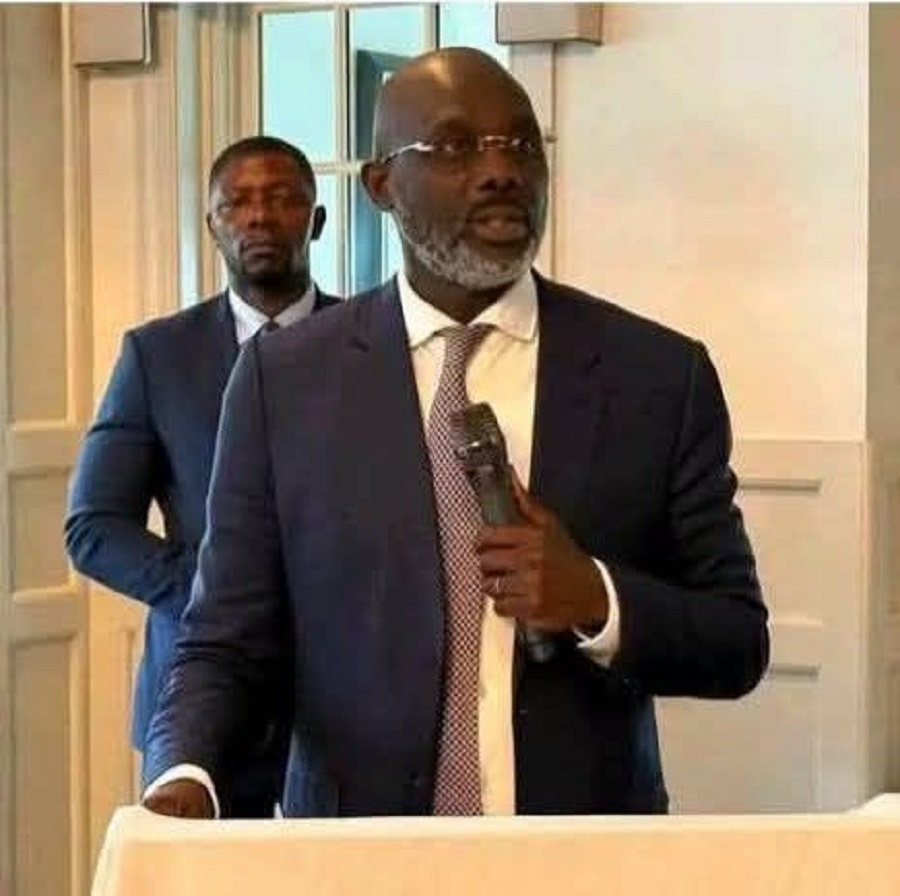
The discussion generated lively reactions during the programme’s phone-in segment.
Former Assistant Minister of Gender under the Weah administration, Mamasie Kabba, expressed disappointment in Kollie’s remarks, saying, “I am disappointed in Minister Moses Kollie. You only know that negative things can happen before you recognize good people.”
Another CDC stalwart, D. Eric Kpayea, claimed that former President Weah had told him Kollie once requested that the former President reverse election results in favor of the CDC.
Kollie categorically rejected the allegation.
“At no time did I ever tell the former President to reverse the election results in favor of the CDC,” he responded.
“In fact, I did not even have that level of access to the former President.”
Political Significance
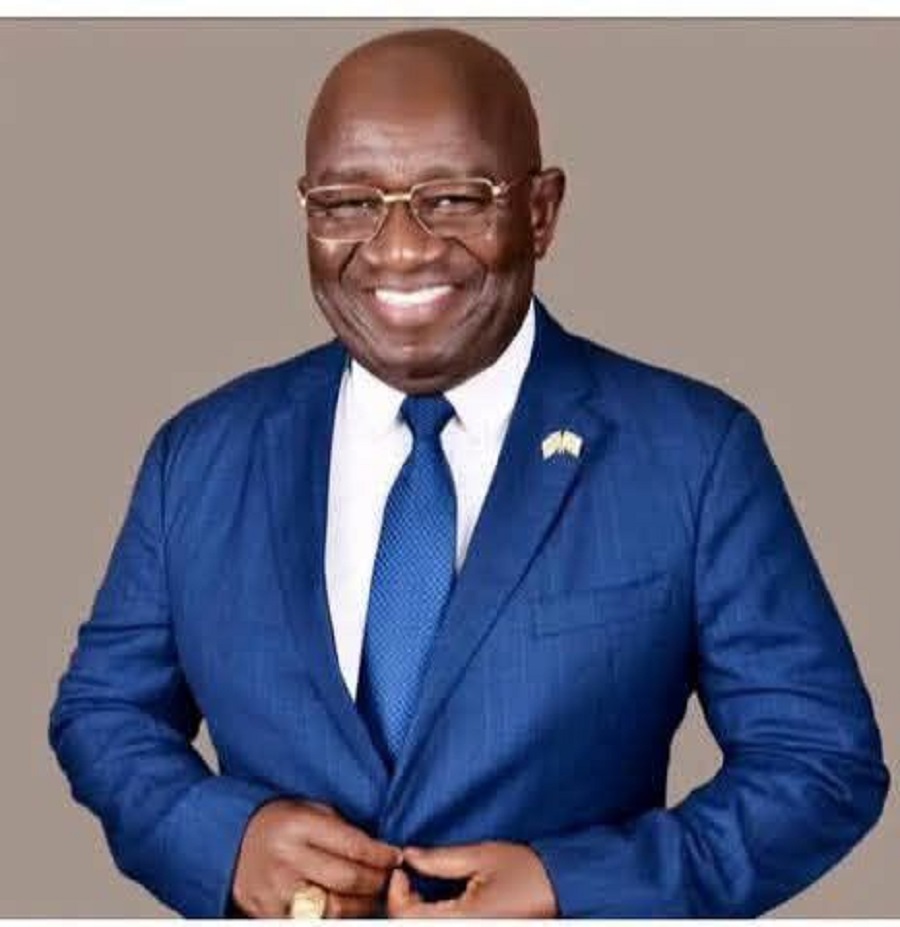
The exchange provides a rare glimpse into how former members of the CDC coalition now assess both the Weah and Boakai administrations.
Kollie’s comments are particularly noteworthy because they come from a former cabinet minister who served at the highest levels of government and now argues that one of the previous administration’s greatest weaknesses was the limited access experienced officials had to the President.
Mulbah’s intervention, meanwhile, reflects a more nuanced position—one that acknowledges achievements in infrastructure and anti-corruption efforts while continuing to challenge the Unity Party administration on governance and national reconciliation.
With Liberia’s next presidential election still several years away, the contrasting assessments underscore the continuing political debate over the country’s governance trajectory and the leadership qualities voters may prioritize as the nation moves toward 2029.
For breaking news, in-depth analysis, and exclusive reports from Liberia and around the world, follow The Liberian Post on Facebook (https://web.facebook.com/profile.php?id=61576017166570) and X, formerly Twitter (https://x.com/LiberianPost).