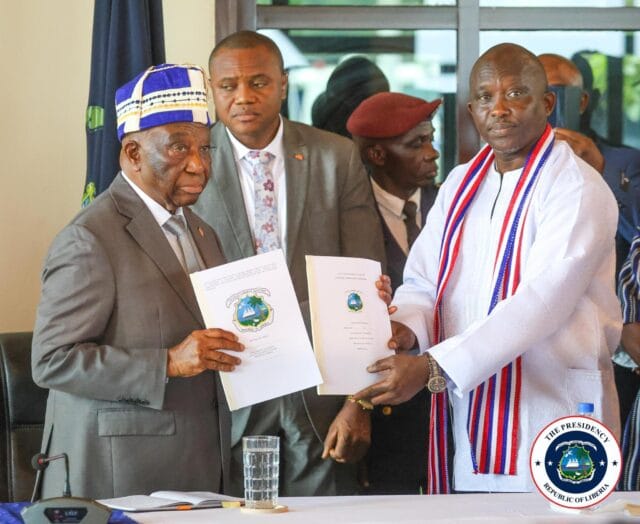
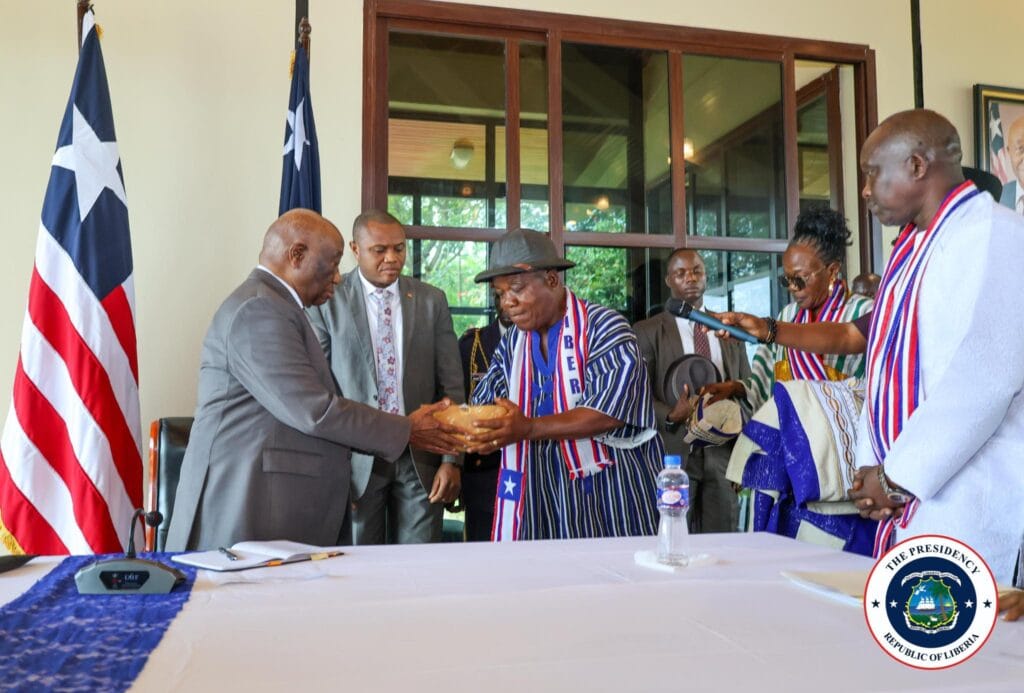
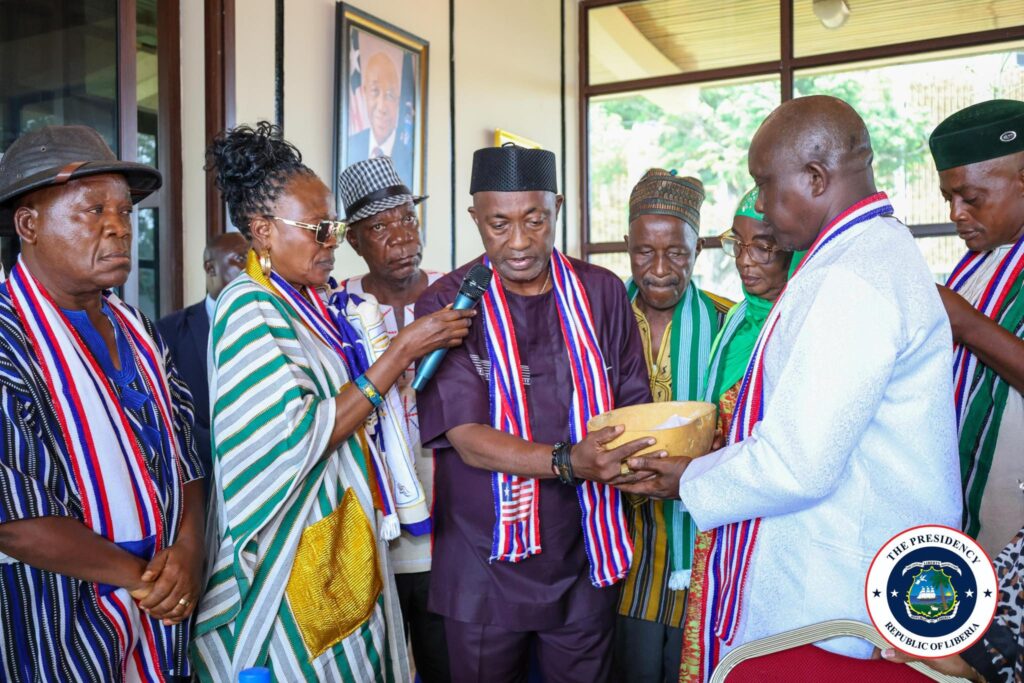
EXECUTIVE MANSION, Monrovia — President Joseph Nyuma Boakai has received draft legislation for the establishment of a War and Economic Crimes Court and a National Anti-Corruption Court for Liberia, marking what officials describe as a major turning point in the country’s long and complicated pursuit of justice, accountability, and national reconciliation.
The presentation ceremony, held Wednesday, May 6, at the Executive Mansion, represents one of the most consequential transitional justice initiatives undertaken since the end of Liberia’s brutal civil conflict, which claimed more than 250,000 lives and left deep social and institutional scars across the country.
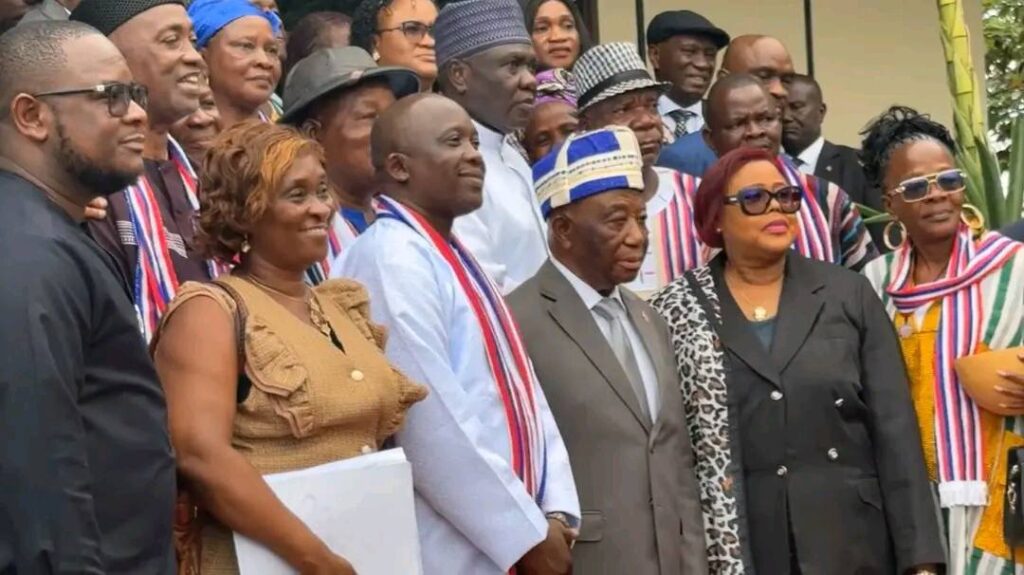
The draft bills were formally submitted by the Office of the War and Economic Crimes Court for Liberia (OWECC-L), headed by Dr. Jallah Barbu, whose mandate was recently renewed for an additional year under Executive Order No. 164 signed by President Boakai on May 1, 2026. The extension is intended to accelerate the legal, technical, and institutional groundwork necessary to operationalize both courts.
Broad Consultations and International Standards
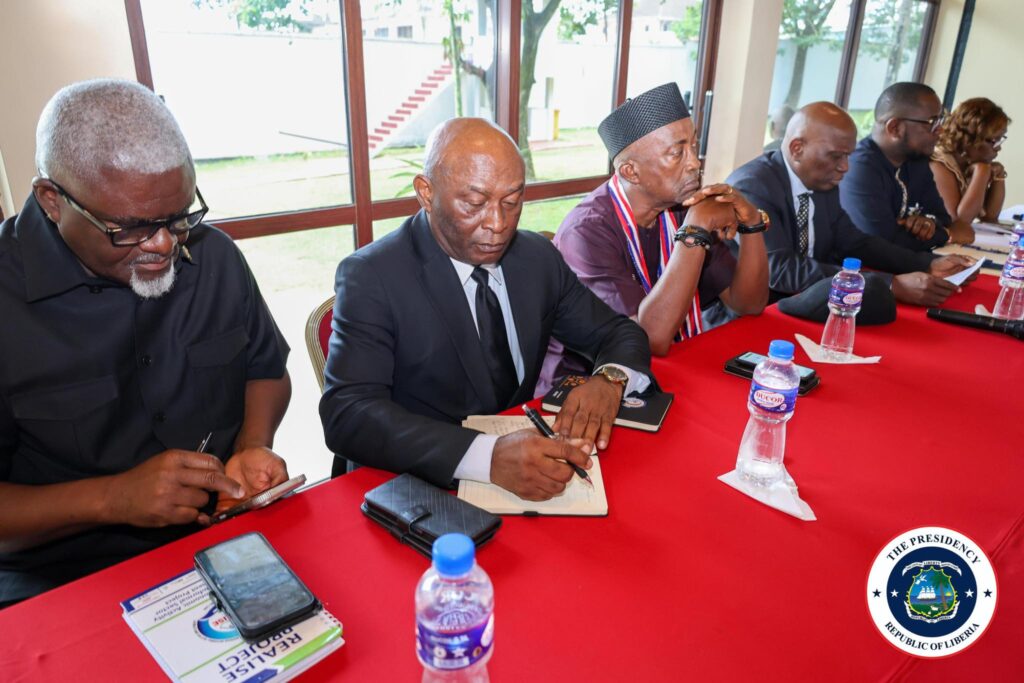
Speaking during the ceremony, Dr. Barbu said the drafting process involved extensive consultations with local and international stakeholders to ensure the proposed courts align with Liberia’s Constitution and international legal standards.
According to him, the office engaged survivors’ groups, civil society organizations, women and youth associations, traditional leaders, religious institutions, legal experts, and members of the Liberian diaspora as part of efforts to build broad national ownership of the process.
“We engaged communities across Liberia and in the diaspora, including survivors, victims’ associations, civil society organizations, and traditional leaders, to ensure that the voices of those most affected by war and economic crimes were heard,” Dr. Barbu stated.
He further disclosed that international legal experts and anti-corruption practitioners contributed technical support to strengthen the credibility and legal defensibility of the draft legislation.
Dr. Barbu noted that the office also reviewed historical records, commission reports, and comparative experiences from countries that previously established similar accountability mechanisms.
He described the process as “careful and cautious,” emphasizing that the proposed courts represent a significant and unprecedented development within Liberia’s justice architecture.
“The draft laws are robust and defensible,” he said, adding that OWECC-L has also developed legislative engagement strategies, explanatory memoranda, and public awareness initiatives aimed at supporting passage of the bills at the Legislature.
Boakai: ‘We Came on a Rescue Mission’
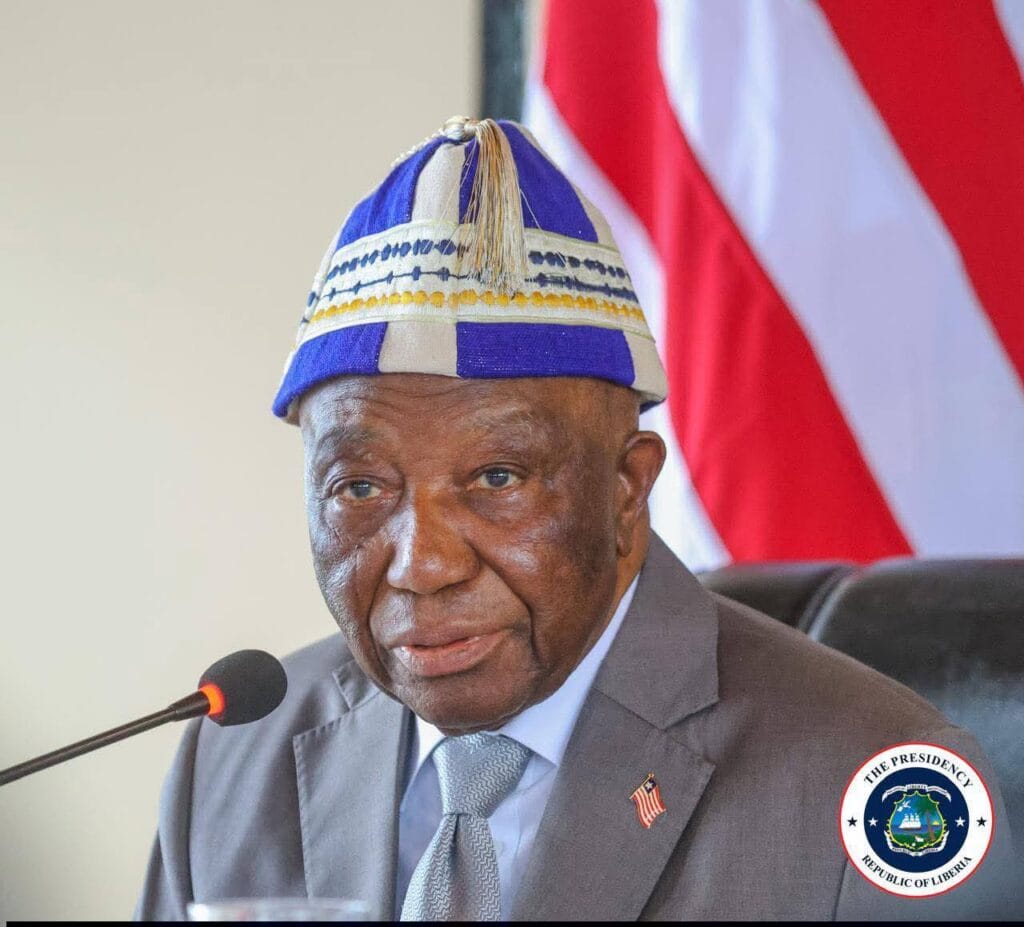
Receiving the draft bills, President Boakai described the initiative as a critical component of his administration’s governance and reform agenda.
“I didn’t come to this position to look for precedence. We came on a rescue mission,” President Boakai declared, while stressing that the proposed courts are intended to strengthen Liberia’s justice system rather than target specific individuals.
The President emphasized that Liberia must demonstrate seriousness in upholding justice, human rights, and international obligations, noting that accountability is essential for sustainable peace and democratic governance.
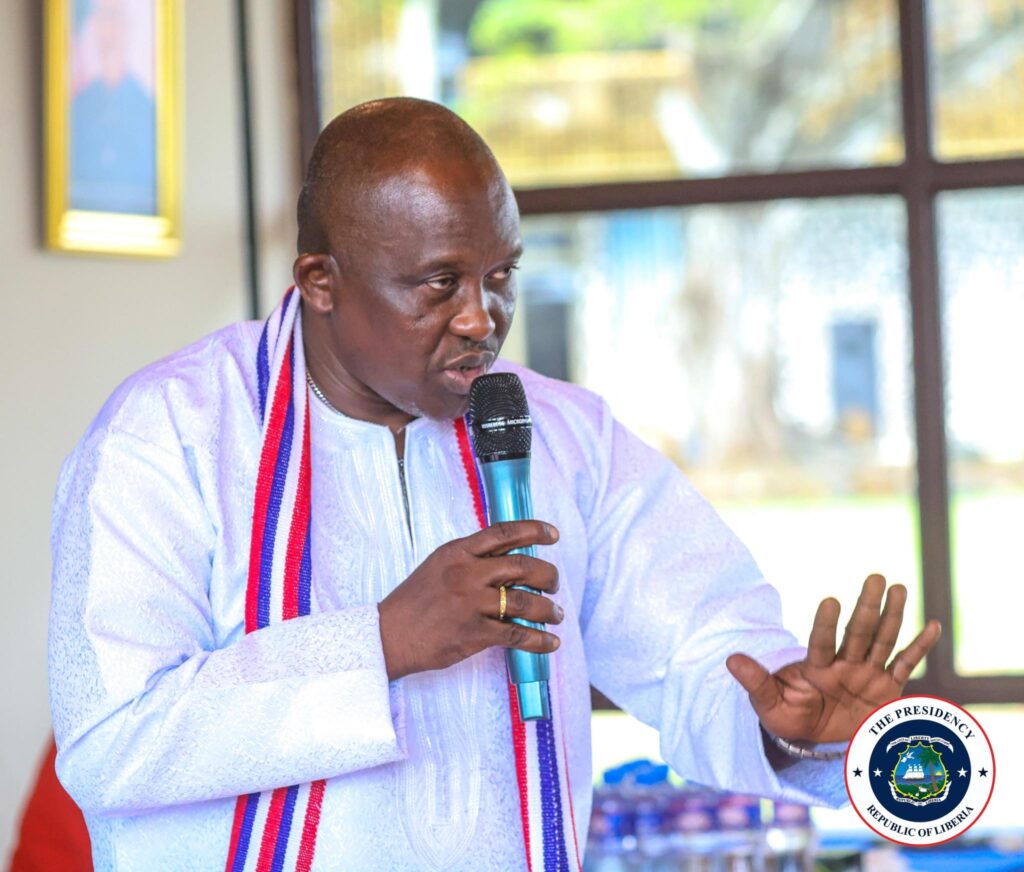
He further linked the initiative to the government’s ARREST Agenda for Inclusive Development, arguing that ending impunity and corruption is necessary to restore confidence in public institutions and improve Liberia’s international standing.
“This exercise is to make our country respected again,” the President stated as he called on lawmakers and the Liberian people to support the passage of the draft laws.
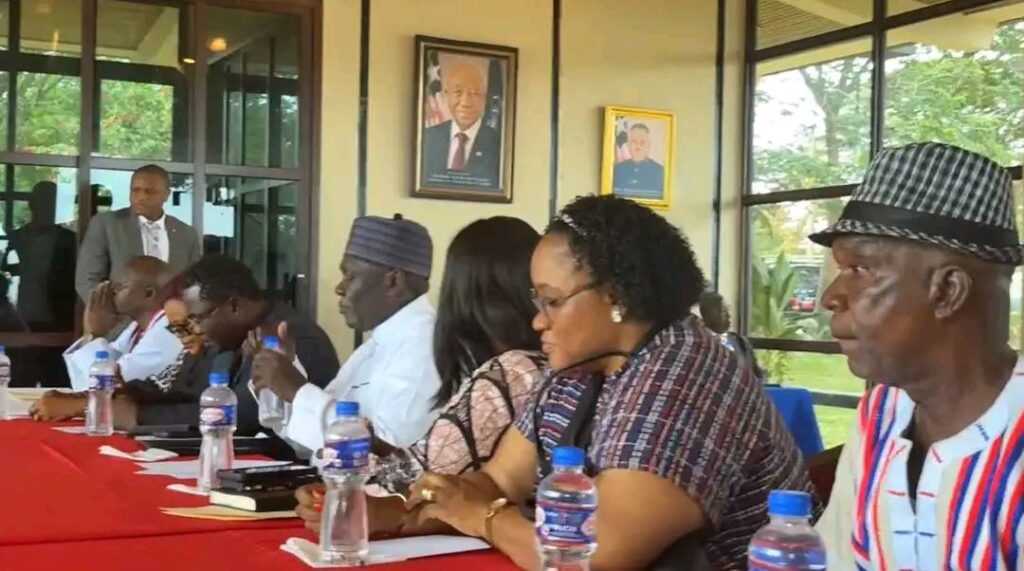
A Historic Step Toward Transitional Justice
The submission of the draft legislation is widely viewed as a historic milestone in Liberia’s post-war recovery process and could potentially pave the way for long-awaited prosecutions linked to wartime atrocities and major acts of corruption.
With the bills now expected to move before the National Legislature, attention is increasingly shifting toward whether Liberia will finally establish accountability mechanisms long recommended by the Truth and Reconciliation Commission.
For many victims and survivors of Liberia’s civil wars, the moment represents renewed hope that justice delayed may no longer become justice denied.
Follow The Liberian Post on Facebook and X (formerly twitter)