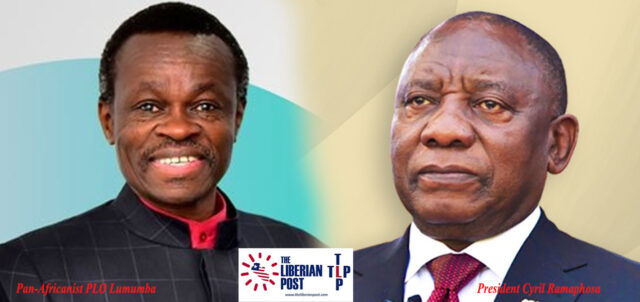
NAIROBI/MONROVIA – Prominent Kenyan lawyer, Pan-Africanist, and political activist, PLO Lumumba, has issued a strongly worded open letter to South African President Cyril Ramaphosa, warning that recurring xenophobic attacks against African migrants threaten the ideals of African unity, constitutional democracy, and Pan-African solidarity.
In the three-page diplomatic communication dated May 6, 2026, Prof. Lumumba expressed deep concern over recent anti-foreigner protests and violent confrontations in South Africa, particularly in Johannesburg and Pretoria, where migrants and foreign-owned businesses have reportedly come under attack.
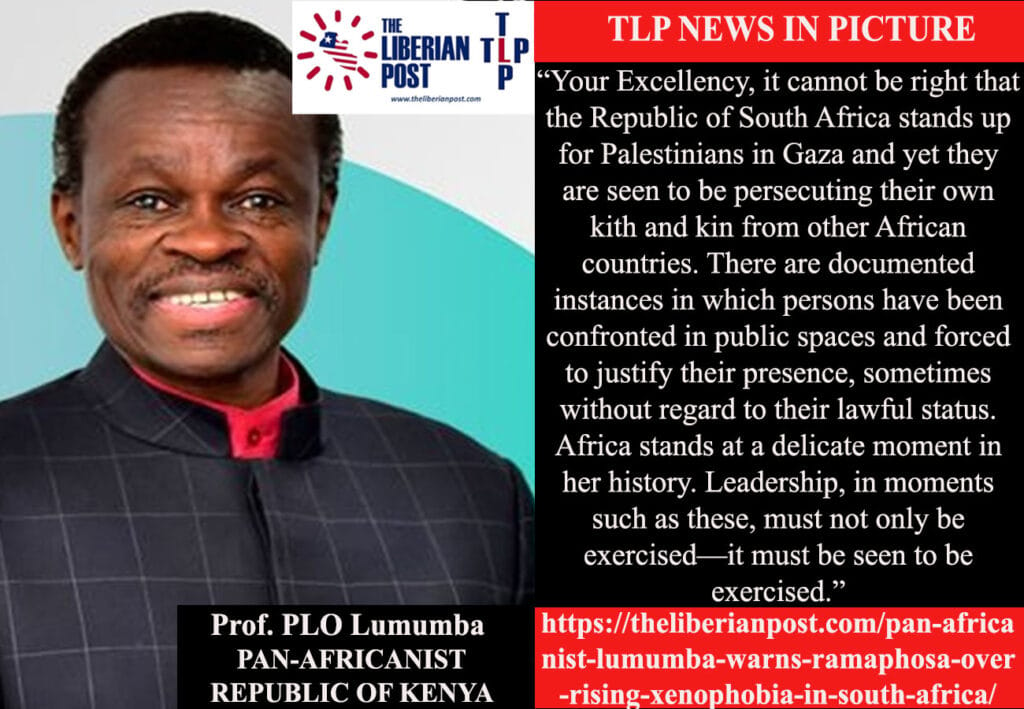
The respected African scholar described the situation as “a delicate moment in Africa’s history,” cautioning that continued hostility toward fellow Africans risks undermining continental integration efforts, including the African Continental Free Trade Area (AfCFTA).
“Xenophobia, in whatever form it manifests, represents a repudiation of that shared history,” Lumumba wrote. “It undermines the ideals of Pan-Africanism. It erodes the principle of African unity. It diminishes the dignity of the African person.”
Calls for Leadership and Accountability
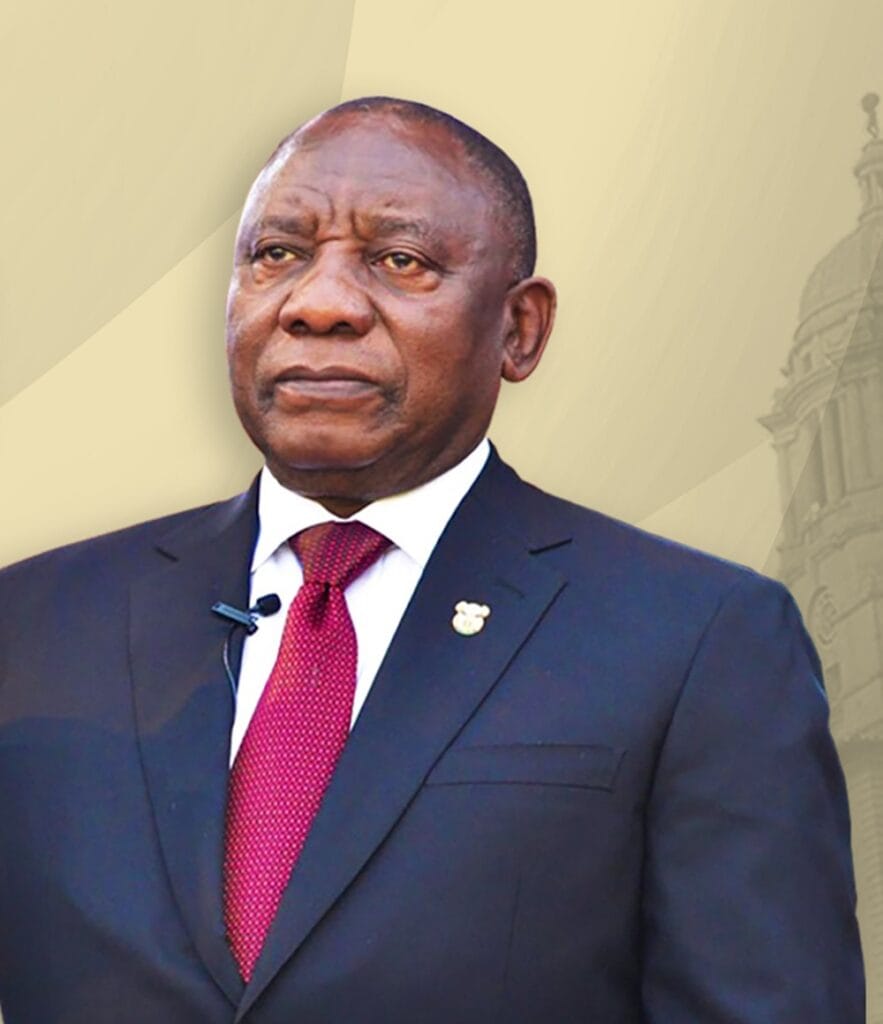
In the letter addressed directly to President Ramaphosa through the South African High Commission in Nairobi, Lumumba argued that the issue extends beyond law enforcement and now reflects a broader test of political leadership.
“Your Excellency, the question before us is not simply one of law enforcement. It is one of leadership,” he emphasized.
Lumumba further warned that the profiling and targeting of people merely suspected of being foreigners represented a dangerous trend capable of replacing the rule of law with suspicion and mob sentiment.
“There are documented instances in which persons have been confronted in public spaces and forced to justify their presence, sometimes without regard to their lawful status,” he stated.
The outspoken lawyer urged the South African government to take “decisive and visible steps” to protect all persons within its borders irrespective of nationality, swiftly prosecute perpetrators of xenophobic violence, and reinforce public messaging rejecting xenophobia in all its forms.
Reference to Gaza Position
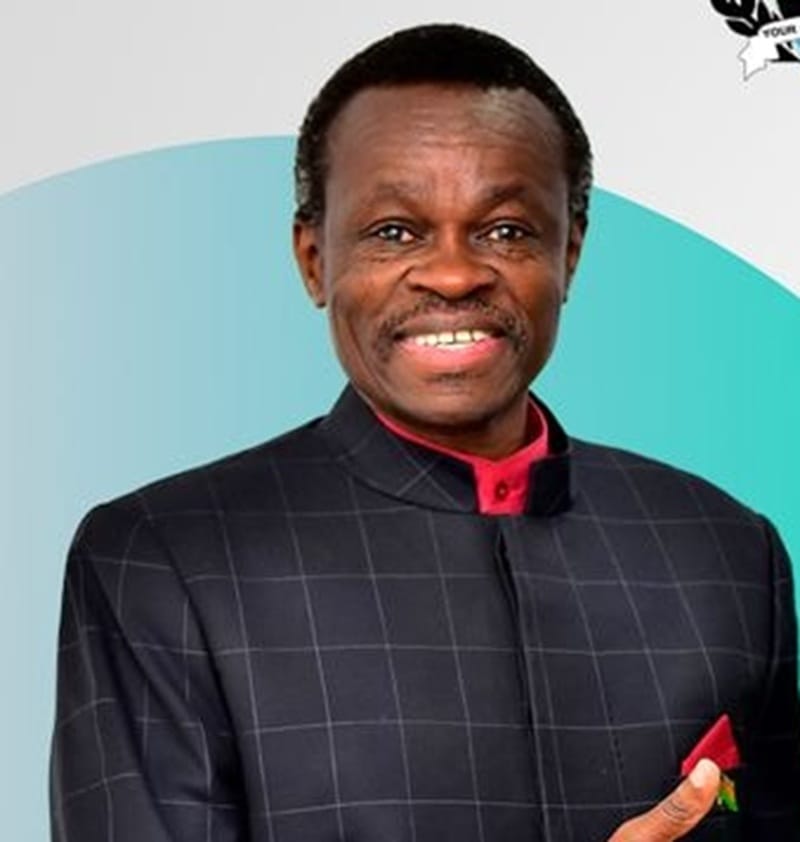
In one of the most politically striking portions of the letter, Lumumba contrasted South Africa’s international advocacy for Palestinians in Gaza with allegations of hostility toward African migrants within its own borders.
“Your Excellency, it cannot be right that the Republic of South Africa stands up for Palestinians in Gaza and yet they are seen to be persecuting their own kith and kin from other African countries,” he wrote.
The remarks come amid renewed diplomatic tensions across Africa following reports of harassment and violence targeting migrants in parts of South Africa.
Growing Continental Concern
Recent protests in South Africa have triggered concern among several African governments. Nigeria recently confirmed that at least 130 Nigerians had requested voluntary repatriation following escalating anti-immigrant demonstrations and fears of xenophobic attacks.
South African authorities have publicly condemned xenophobic violence and pledged action against perpetrators. Foreign Minister Ronald Lamola previously described attacks on migrants as a threat to South Africa’s constitutional democracy.
Xenophobic violence has periodically erupted in South Africa over the past two decades, notably during deadly attacks in 2008, 2015, and 2019, which left dozens dead, displaced thousands of migrants, and strained diplomatic relations with several African countries.
Pan-African Appeal
Lumumba concluded his letter with an appeal for moral and political courage, urging South Africa to reaffirm its historic commitment to African solidarity and human dignity.
“Africa stands at a delicate moment in her history,” he wrote. “Leadership, in moments such as these, must not only be exercised—it must be seen to be exercised.”
Copies of the letter were also addressed to the Chairperson of the African Union Commission, Mahmoud Ali Youssouf, and Julius Malema.
Follow The Liberian Post on Facebook and X (formerly twitter)