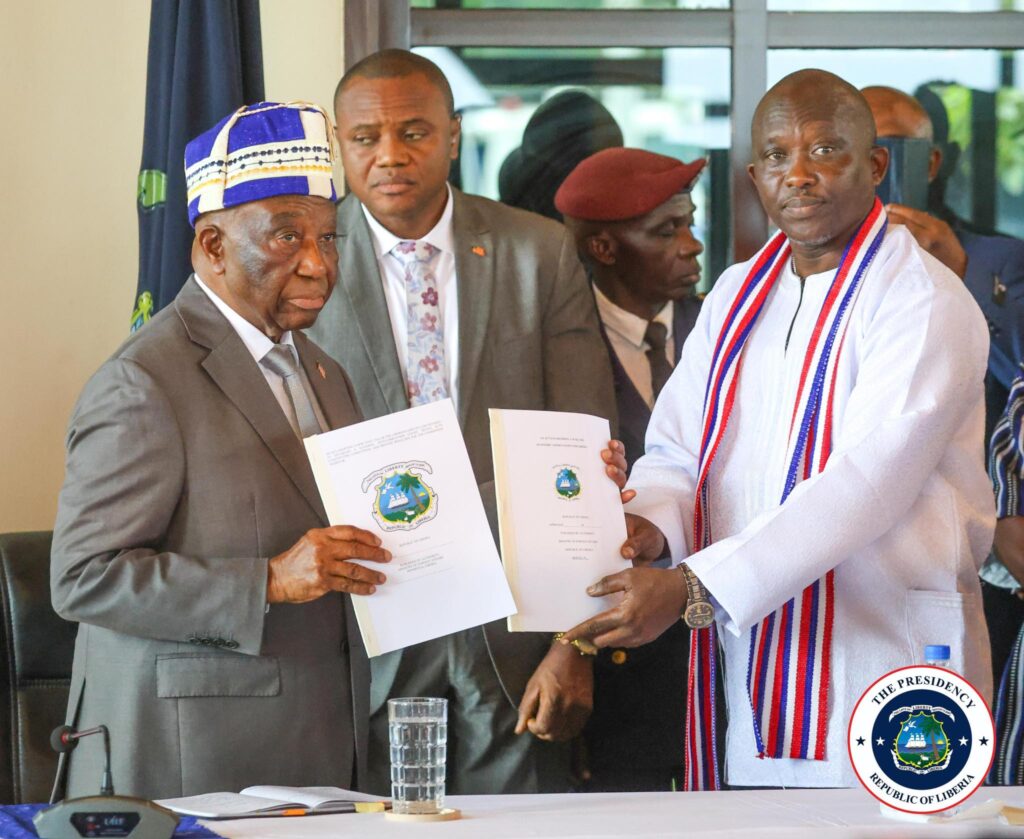
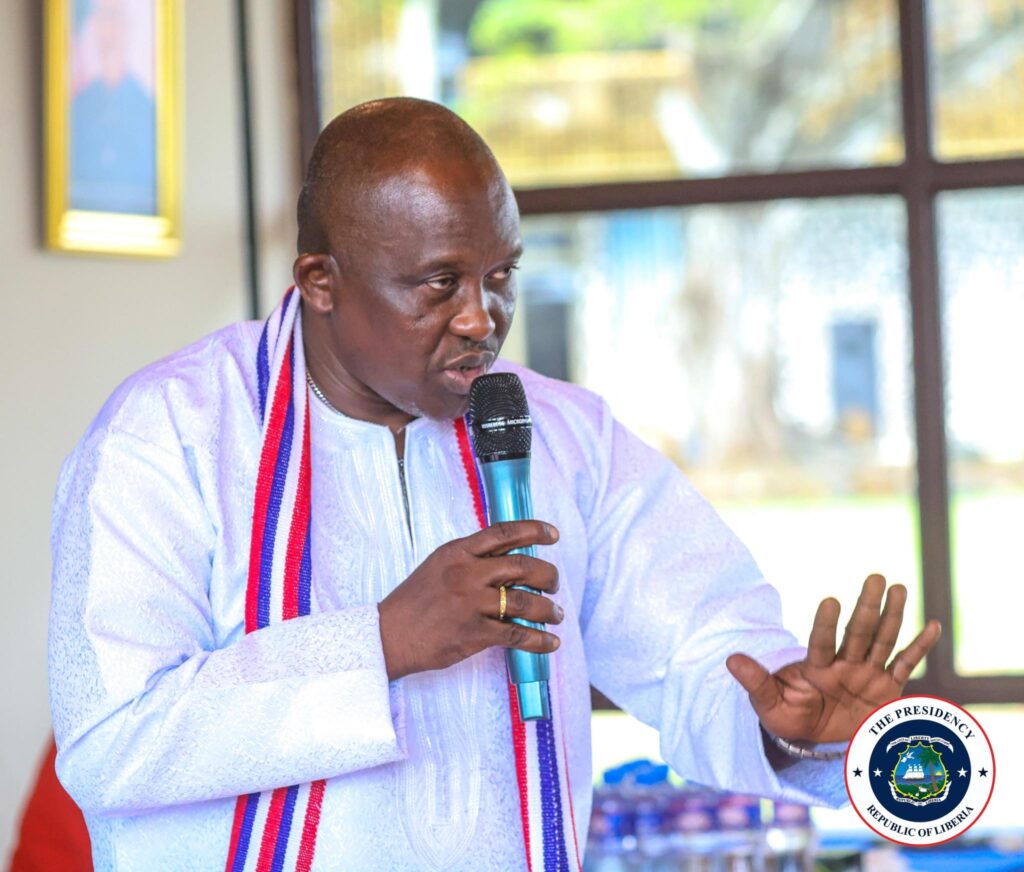
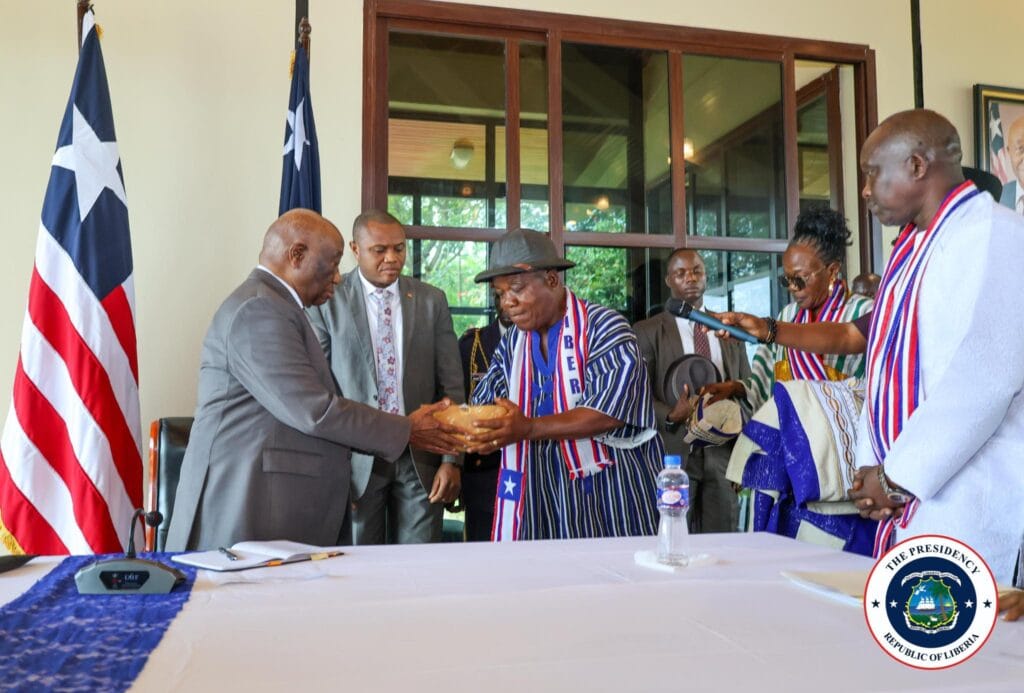
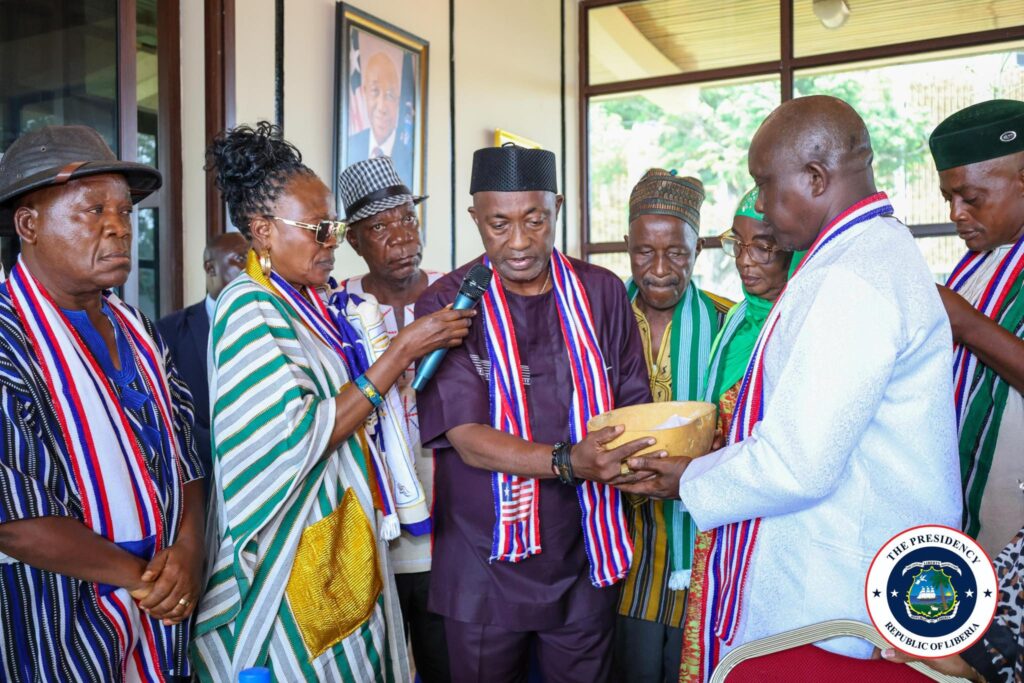
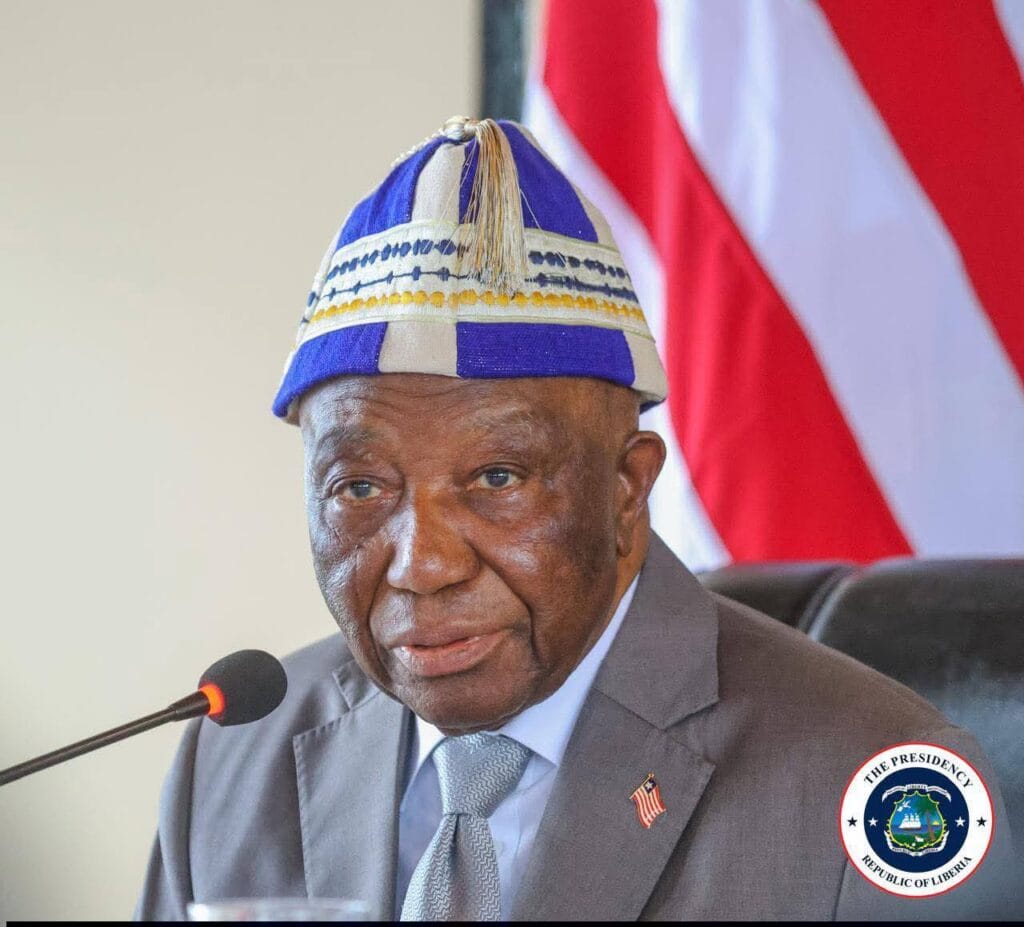
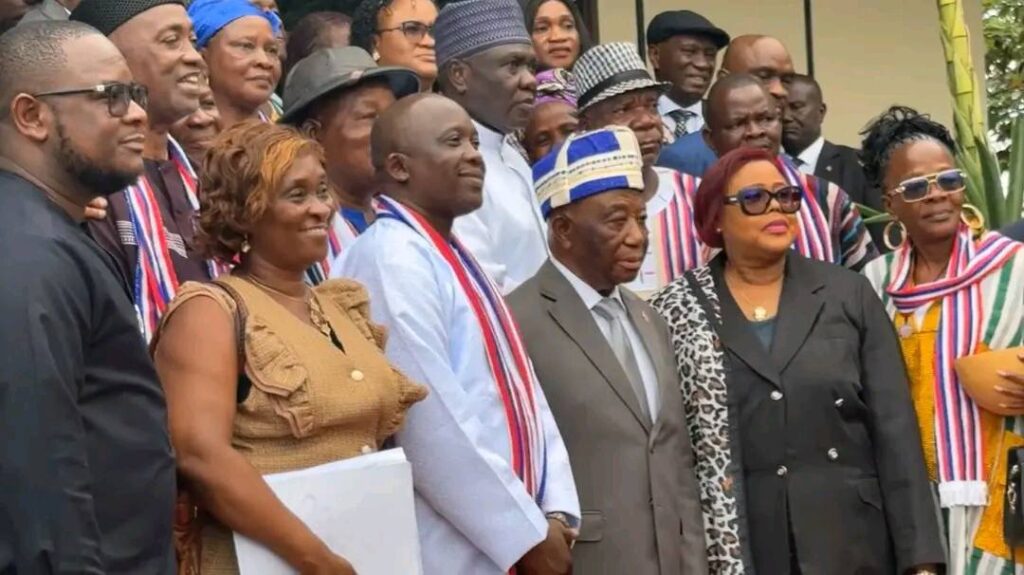
Few moments in Liberia’s postwar history carry the moral and historical weight of President Joseph Nyuma Boakai receiving draft legislation for the establishment of a War and Economic Crimes Court and a National Anti-Corruption Court. After decades of silence, hesitation, political fear, and national division, Liberia now appears closer than ever to confronting the darkest chapters of its history.
This is not merely a legal exercise. It is a national reckoning.
Liberia’s civil wars between 1989 and 2003 remain among the most brutal conflicts in modern African history. More than 250,000 people were killed. Thousands of women and girls were raped. Entire villages were burned. Children were turned into soldiers. Human beings were mutilated in ways too horrifying to fully describe. Families disappeared. Institutions collapsed. The economy disintegrated. An entire generation grew up under violence, fear, and displacement.
The conflict was not only about guns. It was also about greed, impunity, power, and the collapse of accountability.
And yet, despite the magnitude of those crimes, Liberia became one of the few post-conflict nations where major perpetrators largely escaped formal prosecution at home. Some were/are even hailed as “liberators” or “heroes” sadly by the same people they humiliated.
Countries across the world that experienced mass atrocities eventually recognized that sustainable peace cannot rest solely on silence. Following the Holocaust, the Nuremberg Trials established the principle that even leaders can be held accountable for crimes against humanity. Rwanda established the International Criminal Tribunal after the 1994 genocide. Sierra Leone created a Special Court that prosecuted senior war figures, including former Liberian President Charles Taylor. Former Yugoslav leaders were prosecuted in The Hague for war crimes committed during the Balkan conflicts.
The lesson from history is unmistakable: societies that refuse to confront impunity often leave wounds unhealed.
Liberia’s own Truth and Reconciliation Commission (TRC), established in 2005, recommended the creation of a war crimes court. Yet for years, successive administrations hesitated, citing fears of instability, political retaliation, or national division. Some argued that reopening the wounds of war could threaten peace.
But unresolved pain does not disappear simply because it is ignored.
Across Liberia today live thousands of survivors still waiting for acknowledgment, justice, and closure. Many still carry physical scars. Others carry psychological trauma. Some lost entire families. Many continue to watch individuals accused of serious wartime abuses occupy positions of influence and privilege.
That reality has long undermined public confidence in justice and governance.
The establishment of a War and Economic Crimes Court will not magically solve Liberia’s problems. It will not erase the past. It will not instantly reconcile communities. But it can send a powerful message that no society can permanently normalize impunity.
Equally important is the proposed Economic Crimes Court. Liberia’s postwar years have also been plagued by corruption scandals, abuse of public resources, and economic mismanagement that continue to deepen poverty and public frustration. Accountability cannot apply only to wartime violence while ignoring peacetime corruption.
Critics will undoubtedly emerge. Some will claim the courts are politically motivated. Others will warn about selective justice or ethnic targeting. These concerns cannot be dismissed lightly. That is why the credibility, independence, fairness, and professionalism of these courts will be absolutely essential.
Justice must never become vengeance.
The process must be guided by constitutional protections, due process, credible evidence, and international legal standards. No individual should be presumed guilty outside lawful judicial proceedings. But neither should political status, wealth, or influence place anyone permanently above the law.
President Boakai’s decision to advance these draft bills therefore represents one of the boldest governance choices made by any Liberian administration since the war ended.
History will judge not only whether Liberia created these courts, but whether the nation finally found the courage to confront itself honestly.
Peace without justice may preserve temporary calm. But lasting national healing requires truth, accountability, and moral courage.
Liberia cannot build a stronger future while permanently running from its past.
Follow The Liberian Post on Facebook and X (formerly twitter)