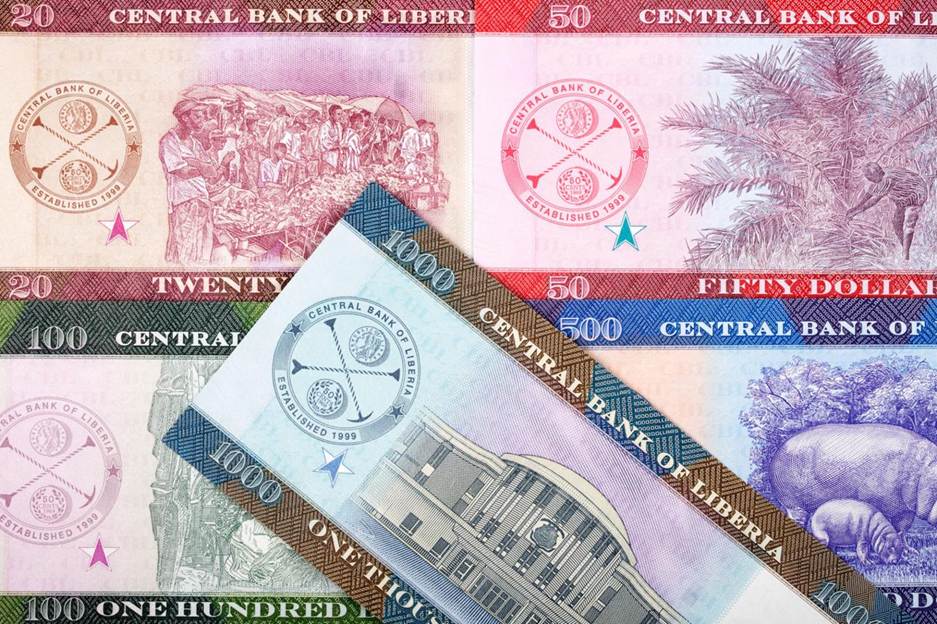
MONOVIA — The Central Bank of Liberia (CBL) has strongly defended its proposal to print L$79 billion in new banknotes, warning that failure to act promptly could lead to serious liquidity shortages and disruptions across the economy.
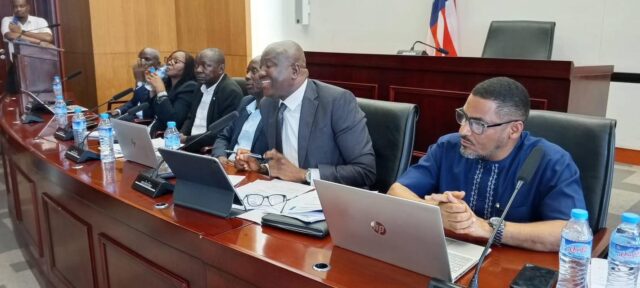
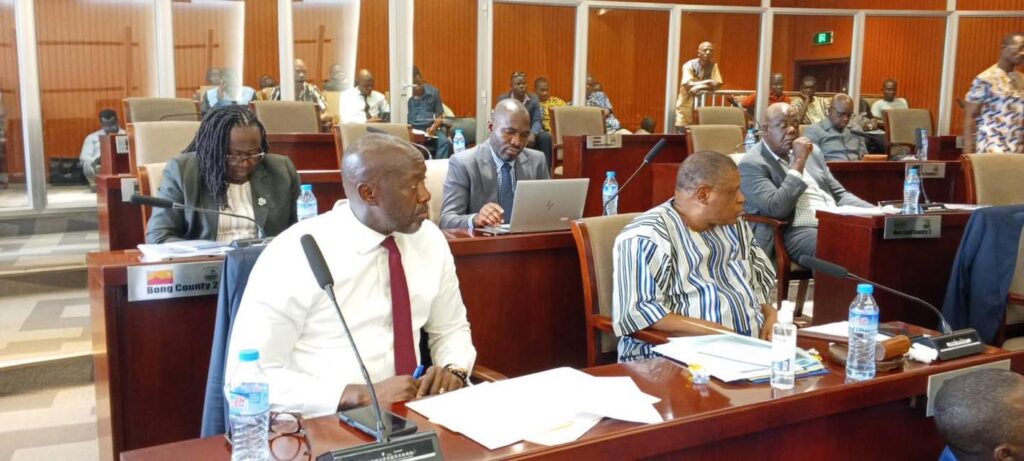
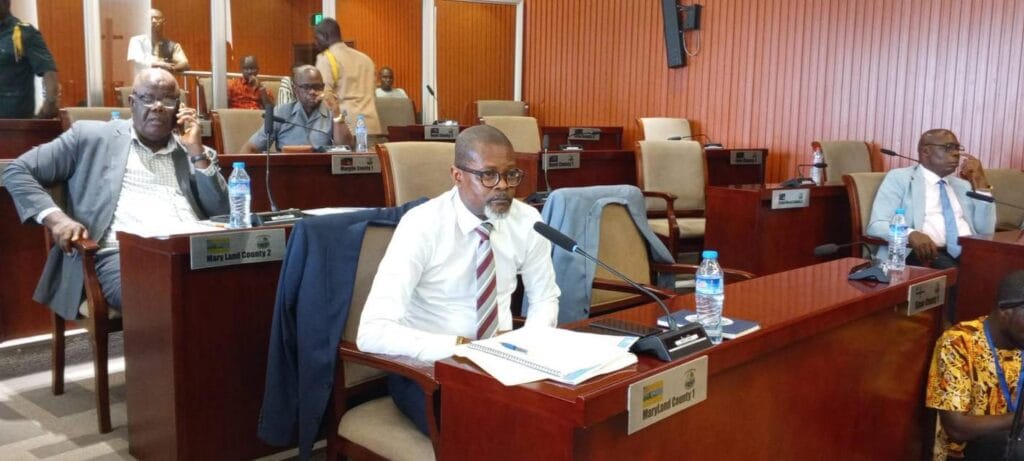
Appearing before a joint Senate committee, CBL Governor Henry F. Saamoi described the request as both urgent and necessary, citing declining currency reserves, increasing demand for cash, and global supply constraints affecting banknote production.
“The Central Bank faces an acute shortage of Liberian dollar banknotes,” Saamoi told lawmakers. “Our reserves are at critically low levels, and this threatens our ability to meet currency demand, especially during peak periods.”
The Governor disclosed that international banknote printers are currently experiencing unprecedented demand, with lead times now stretching up to 24 months, a significant increase from the traditional 6–12 months.
“If we delay, we risk running out of currency,” he warned. “And when that happens, it affects every aspect of economic activity.”
According to the CBL, the proposed printing will cover the period 2026 to 2030 and is driven by multiple factors, including economic growth, increased transaction demand, and the replacement of worn-out banknotes.
The Bank estimates that approximately 7% of notes deteriorate annually, necessitating continuous replacement to maintain confidence in the national currency.
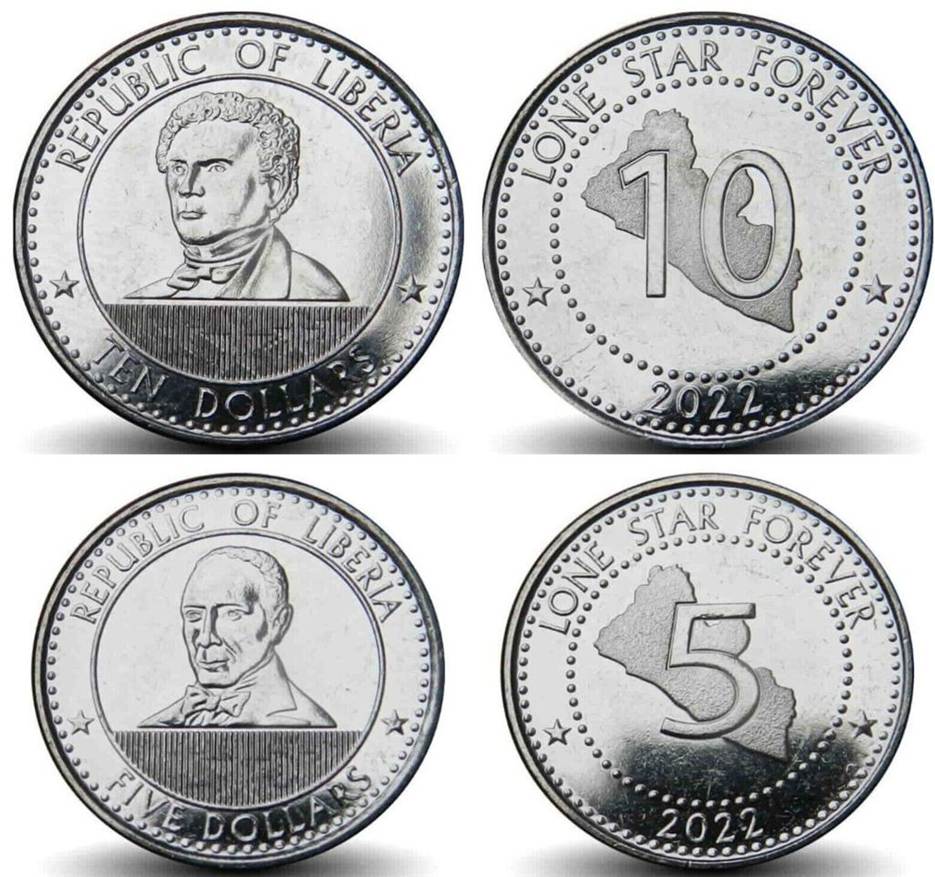
Saamoi also emphasized that the proposal includes measures to strengthen Liberia’s financial position, including building reserves and supporting a planned gold purchase program.
“Printing money does not cause inflation,” he said. “It is how the currency is managed that determines inflation. If managed properly, this will support growth and stability.”
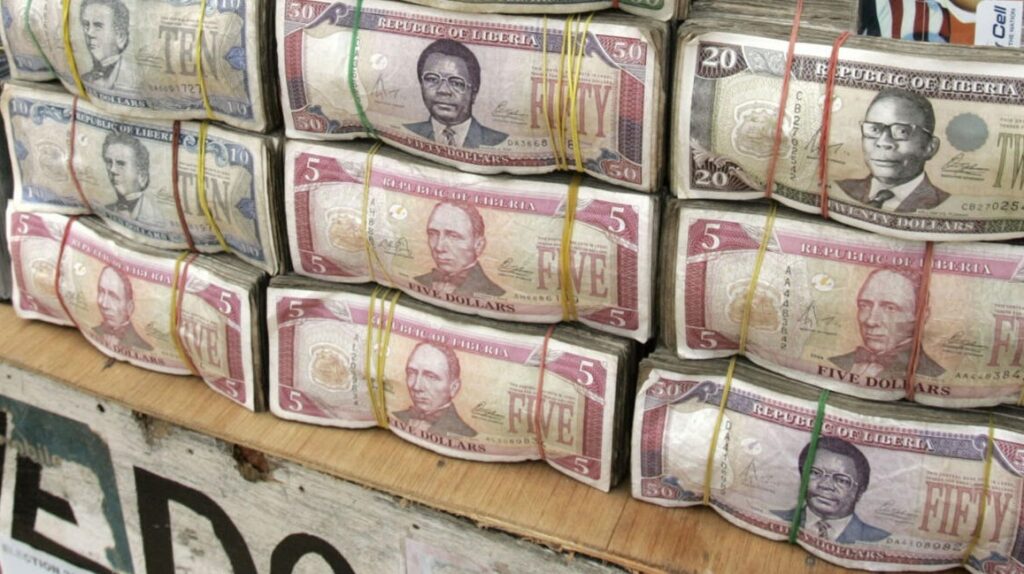
The CBL further revealed plans to improve the durability of banknotes by introducing higher-quality materials, which could extend their lifespan and reduce long-term costs. The proposal also includes consideration of a new L$2,000 denomination, though officials say this remains subject to further consultation.
Despite skepticism from lawmakers, the Bank insists that timely approval is critical to avoid future shortages, particularly given plans to avoid currency deliveries during the 2029 election period.
“We are not printing new currency,” Saamoi clarified. “We are printing additional currency to meet the needs of a growing economy.”
The hearing highlighted a growing tension between the Central Bank’s urgency and the Legislature’s insistence on transparency and accountability, setting the stage for further debate in the coming days.
Follow The Liberian Post on Facebook and X (formerly twitter)