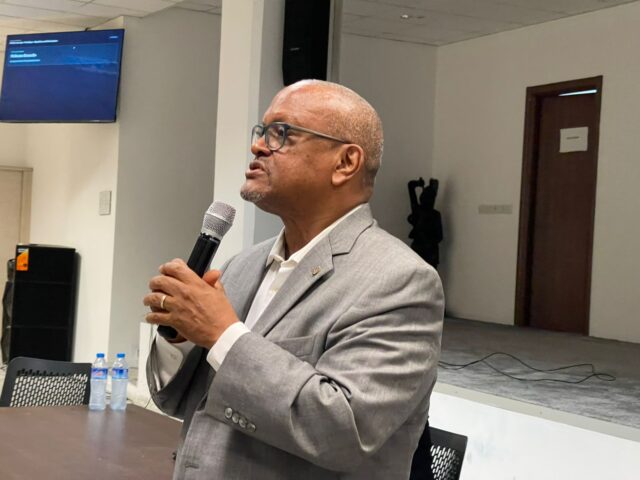
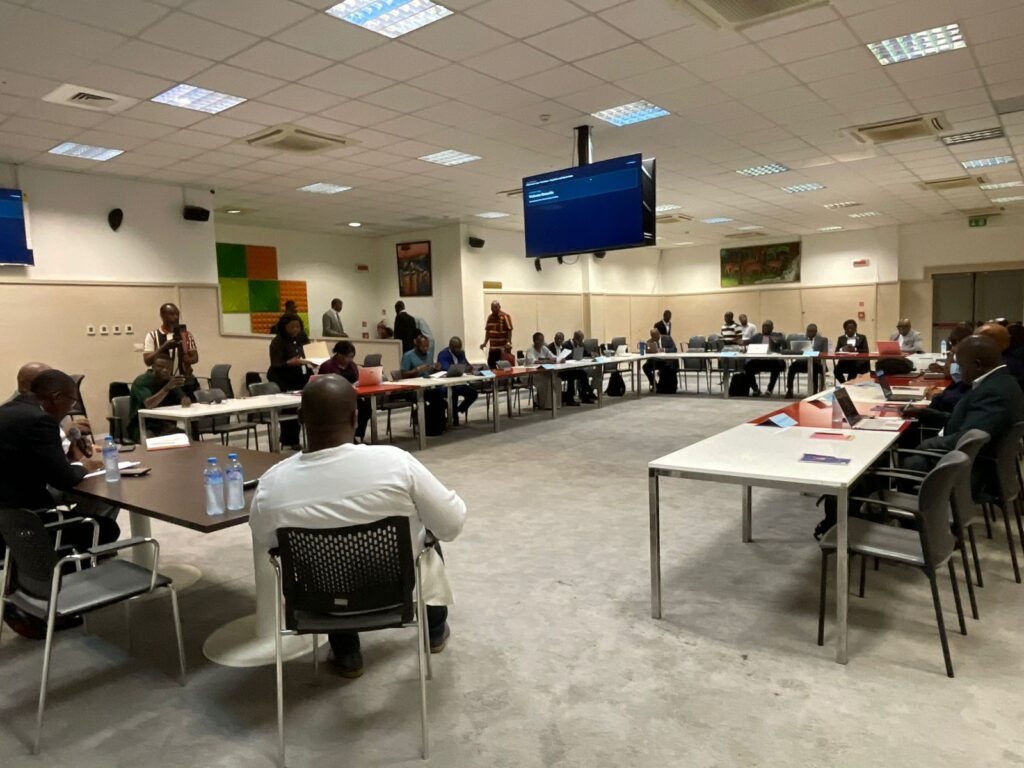
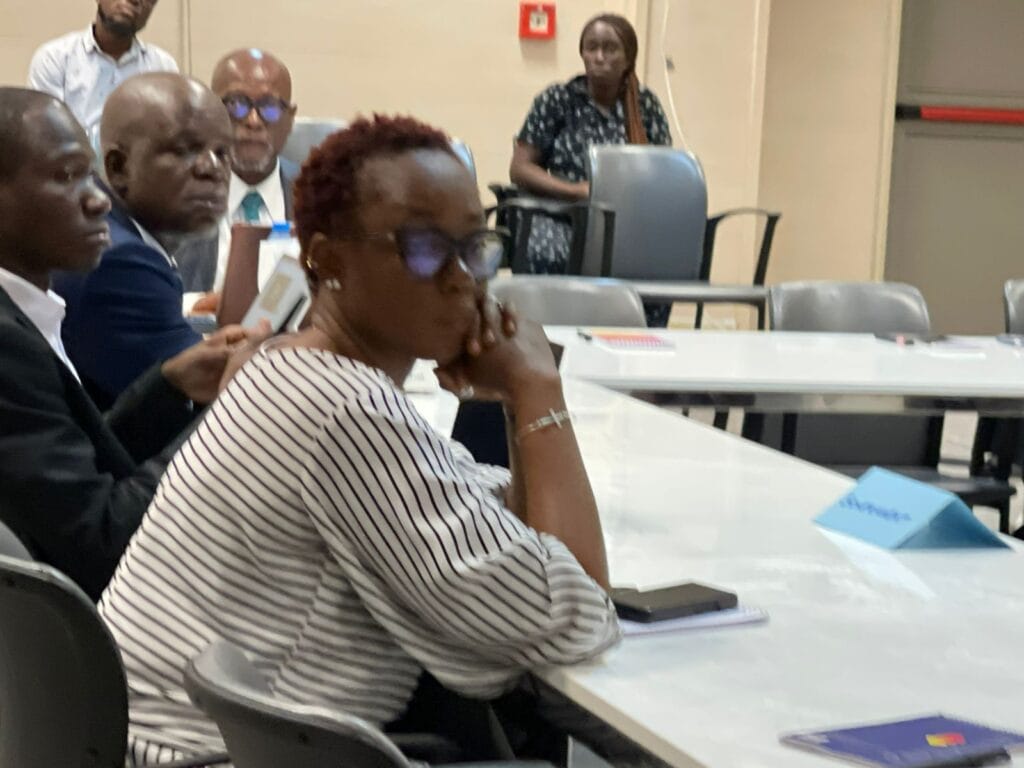
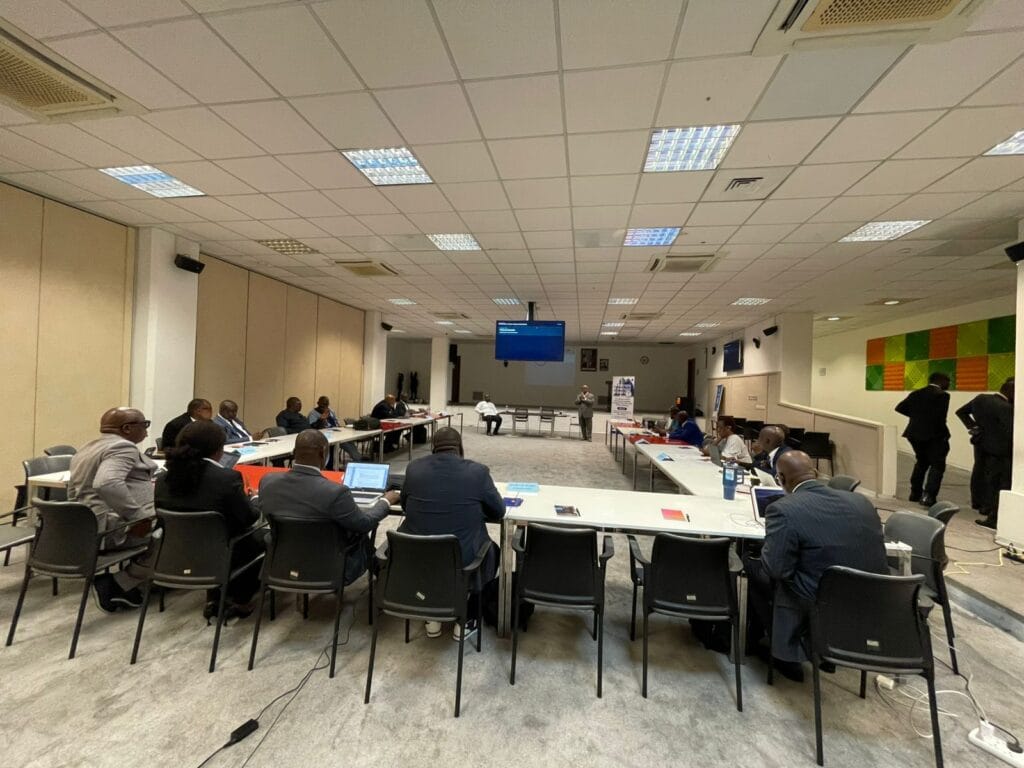
MONROVIA, — The Central Bank of Liberia (CBL) has convened a national stakeholders’ workshop aimed at addressing key barriers to financial inclusion and shaping a new strategy to expand access to financial services across the country.
According to a release issued by the Bank’s Development Finance Section, the workshop brings together government institutions, financial service providers, civil society organizations, and development partners to identify practical solutions to long-standing challenges within Liberia’s financial system.
The initiative is part of efforts to design the National Financial Inclusion and Education Strategy (NFIES) 2026–2030, a five-year roadmap intended to improve access to banking, mobile money, credit, insurance, and other financial services—particularly for underserved populations.
Bridging the Access Gap
Financial inclusion remains a major development priority in Liberia, where significant portions of the population—especially in rural areas—continue to face limited access to formal financial services.
While the country has made notable progress in recent years, particularly through the expansion of mobile money platforms, the CBL says many Liberians are still excluded due to structural and systemic barriers.
The workshop is focusing on three key areas:
- Regulatory challenges that have not kept pace with evolving financial technologies;
- Infrastructure gaps, including limited internet connectivity and lack of digital identification systems;
- Weak coordination among public institutions, private sector actors, and development partners.
Toward a More Inclusive Financial System
Officials say the goal is to create a financial ecosystem where all Liberians—regardless of location or income level—can safely and affordably access essential services.
“We want every Liberian to be able to save, pay, borrow, and protect themselves financially,” a CBL official said, emphasizing that the workshop is designed to foster collaboration and consensus on actionable reforms.
Participants are expected to commit to specific, measurable actions that will be tracked and publicly reported, ensuring accountability in the implementation of the strategy.
Looking Ahead
The outcomes of the consultations will directly inform the drafting of the NFIES 2026–2030, which is expected to align with Liberia’s broader development agenda and support economic inclusion, poverty reduction, and financial literacy.
Analysts say a successful strategy could significantly expand economic participation, particularly among women, youth, and rural communities, while strengthening Liberia’s overall financial system.
The Central Bank has encouraged stakeholders and the public to follow updates from the process as it works to build a more inclusive and resilient financial future for Liberia.
Follow The Liberian Post on Facebook and X (formerly twitter)