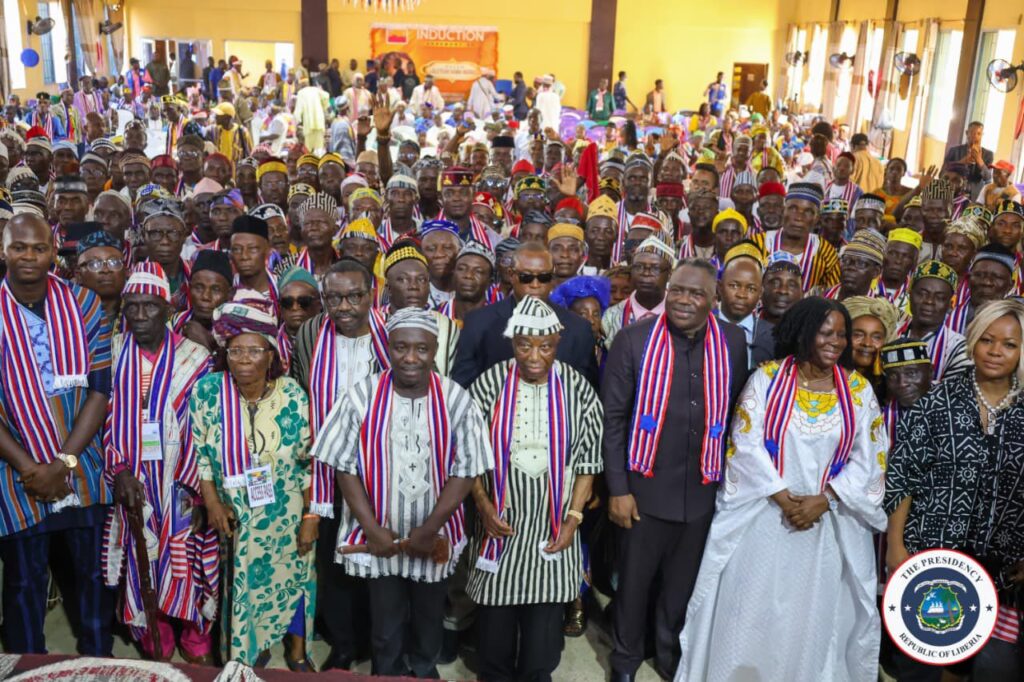
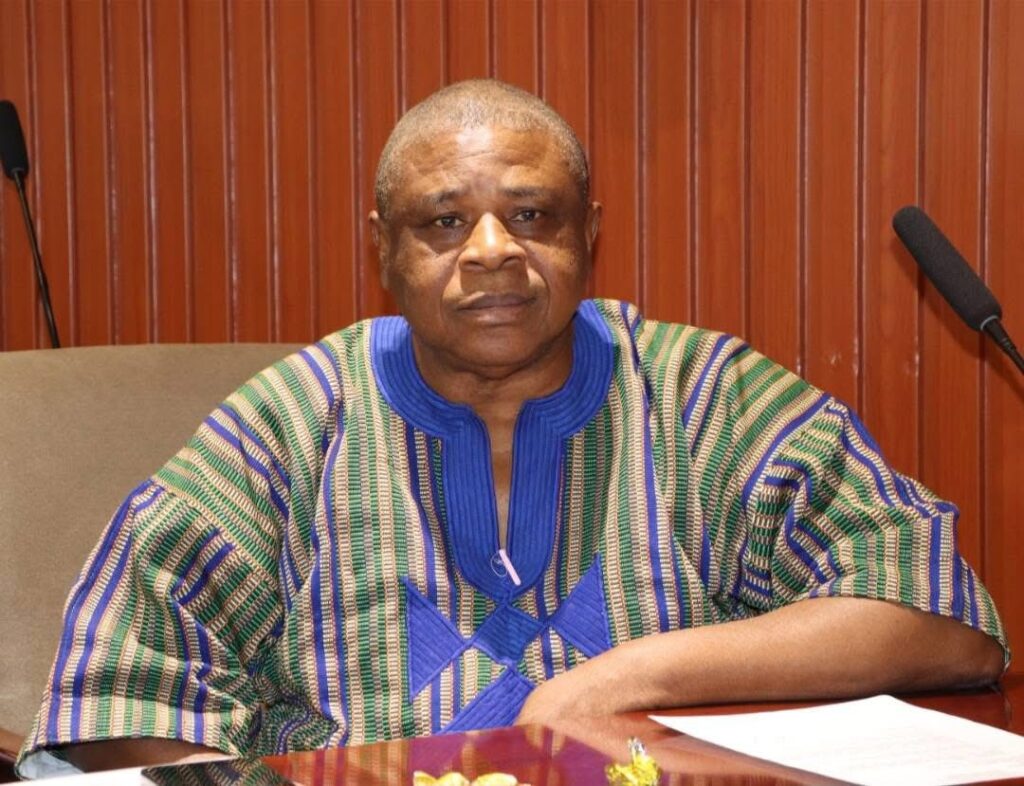
When the Liberian Senate decided that all senators and staff must wear African attire—particularly garments made in Liberia—every Thursday, it did more than introduce a dress code. It made a policy statement.
At first glance, the move may appear symbolic. But symbolism, when anchored in economic intent and cultural pride, can be powerful public policy.
Liberia’s economy has long struggled with overreliance on imports. From food to fabric, the country consumes far more than it produces. The Senate’s decision to prioritize locally made attire—especially traditional fabrics such as lena, kpla, and country cloth—signals a deliberate attempt to shift that narrative. It is a call to revalue what is authentically Liberian.
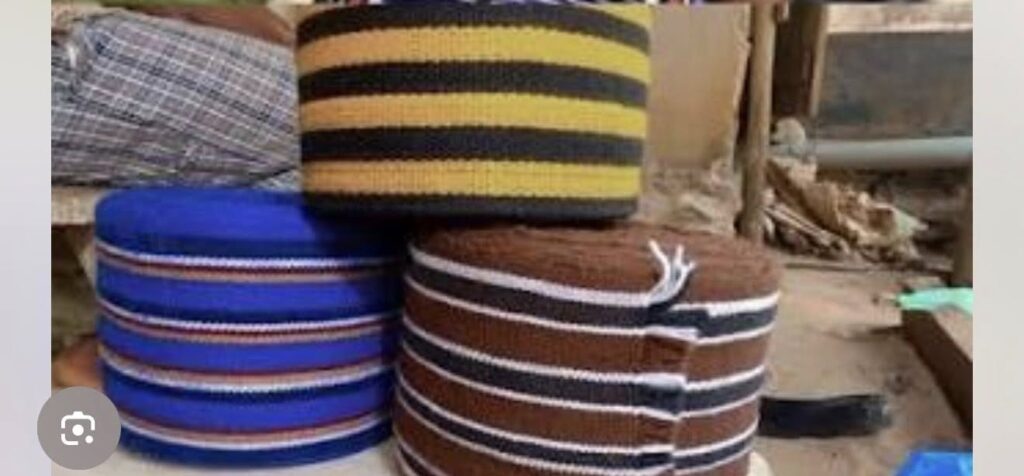
If properly sustained, this initiative could stimulate real economic activity. Liberia’s textile artisans, tailors, designers, and fabric producers operate largely in the informal sector. They often lack consistent demand, access to capital, and structured market support. A guaranteed weekly demand from one of the highest arms of government sends a market signal: Liberian-made products matter.
This is not a trivial matter. Legislative behavior influences national trends. When senators publicly wear locally produced attire, they legitimize and elevate local craftsmanship. That visibility can influence public consumption patterns, encourage private sector patronage, and potentially inspire similar policies across ministries and agencies.
However, for this initiative to transcend symbolism, it must be integrated into a broader industrial strategy.
Promoting Liberian-made clothing requires more than weekly wardrobe compliance. It demands attention to supply chains, quality standards, training programs, and financing mechanisms for small-scale producers. If demand increases without parallel improvements in production capacity, the effort could become superficial or unsustainable.
There is also a cultural dimension that deserves emphasis. Liberia’s traditional fabrics are not merely decorative materials; they carry historical, ethnic, and communal significance. In an era of globalization where cultural identity is often diluted, institutional recognition of indigenous aesthetics reinforces national cohesion.
That said, the Senate must avoid reducing cultural pride to a performative exercise. True commitment would mean encouraging procurement policies that favor Liberian suppliers beyond clothing—furniture, stationery, agricultural products, and other goods where local alternatives exist.
Critics may question whether a dress code meaningfully addresses Liberia’s structural economic challenges. They are right to demand substance. But dismissing the move outright would be shortsighted. Economic transformation often begins with shifts in mindset. Consumption behavior is economic policy in practice.
If lawmakers are willing to visibly align themselves with local producers, they must also be prepared to legislate in ways that strengthen those producers—through tax incentives, industrial financing, vocational training, and infrastructure support.
The Senate’s Thursday attire initiative should therefore be seen as a starting point, not an endpoint.
It is an opportunity to model economic patriotism—where national pride is expressed not only in rhetoric, but in purchasing decisions.
The real test will be consistency and expansion. Will this weekly tradition inspire a culture of “Buy Liberian” across the public sector? Will it evolve into structured support for Liberia’s textile and creative industries?
If the answer is yes, then this decision may prove to be more than fabric and fashion. It could become part of a larger narrative about self-reliance, cultural affirmation, and economic redirection.
In a country seeking sustainable growth, even what lawmakers wear can send a message.
The question now is whether that message will be backed by policy action that stitches symbolism into lasting economic impact.
Follow The Liberian Post on Facebook and X (formerly twitter)