The growing controversy surrounding Dr. Rockefeller F. Cooper II, Criminal Court “A,” and the Liberia Medical and Dental Council (LMDC) is no longer simply about one autopsy or one courtroom ruling. It has evolved into a serious national conversation about consistency, institutional credibility, forensic governance, and the integrity of Liberia’s justice system.
At the center of the debate lies a troubling contradiction that cannot simply be ignored or brushed aside.
How does a court first examine a professional’s credentials, authorize him to proceed with an autopsy, place him under oath, and later invalidate the same work on grounds that he lacked the authority to conduct it in the first place?
That question alone demands sober reflection from both the judiciary and the LMDC.
To be clear, courts have the authority and responsibility to determine what evidence is admissible in criminal proceedings. Likewise, the LMDC has the legal mandate to regulate medical practice in Liberia and ensure professional standards are maintained.
But institutions must also be careful not to create confusion through inconsistency.
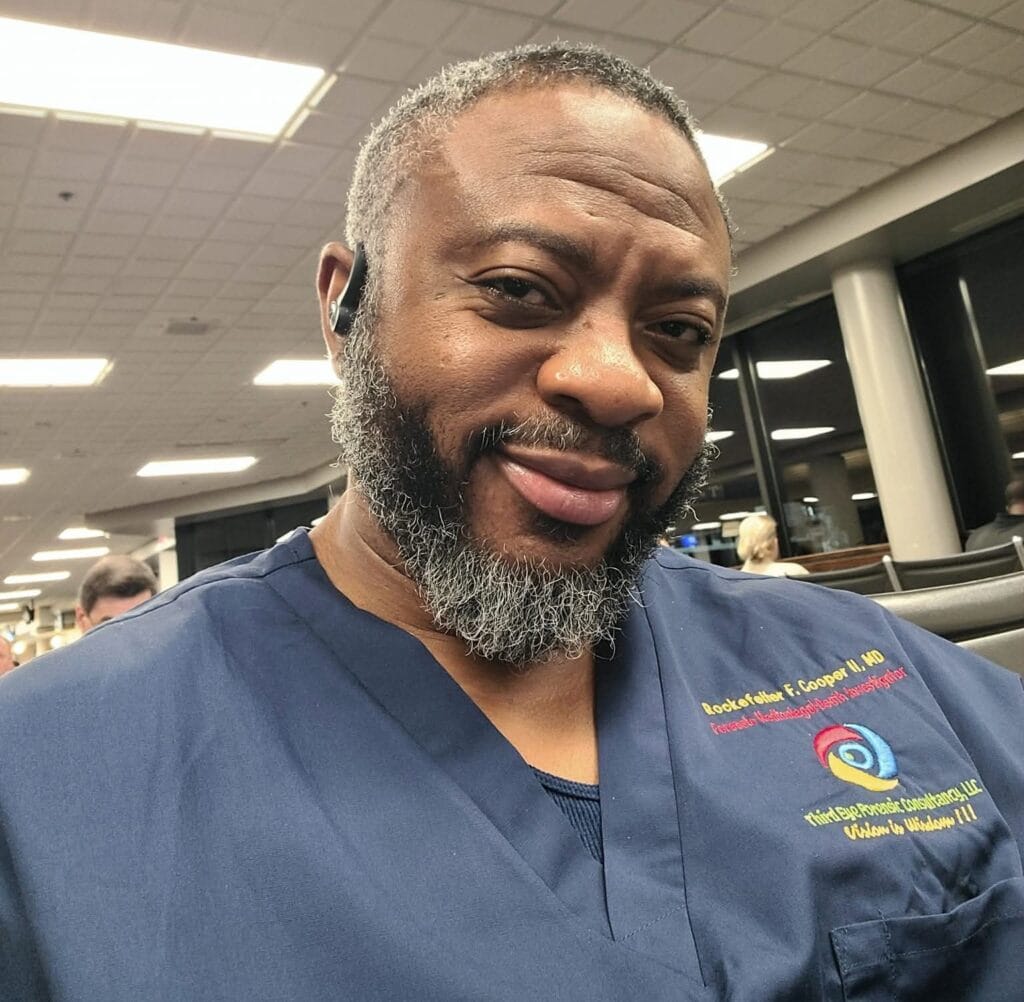
The emerging documents surrounding Dr. Cooper’s licensure appear to show that he never represented himself as a forensic pathologist. Rather, he applied specifically as a “Forensic Medico-Legal Death Investigator.” In fact, records reportedly indicate that he expressly clarified that he was not seeking licensure as a pathologist.
If that is true, then the national discussion must move beyond personalities and ask a more important question: Did this nation clearly define the scope and limitations of the profession it licensed?
That is where this matter becomes deeply significant.
Liberia’s forensic and medico-legal systems remain underdeveloped. The country continues to struggle with shortages of forensic pathologists, limited laboratory infrastructure, weak investigative capacity, and outdated medico-legal procedures. These institutional weaknesses did not begin with Dr. Cooper, nor will they end with him.
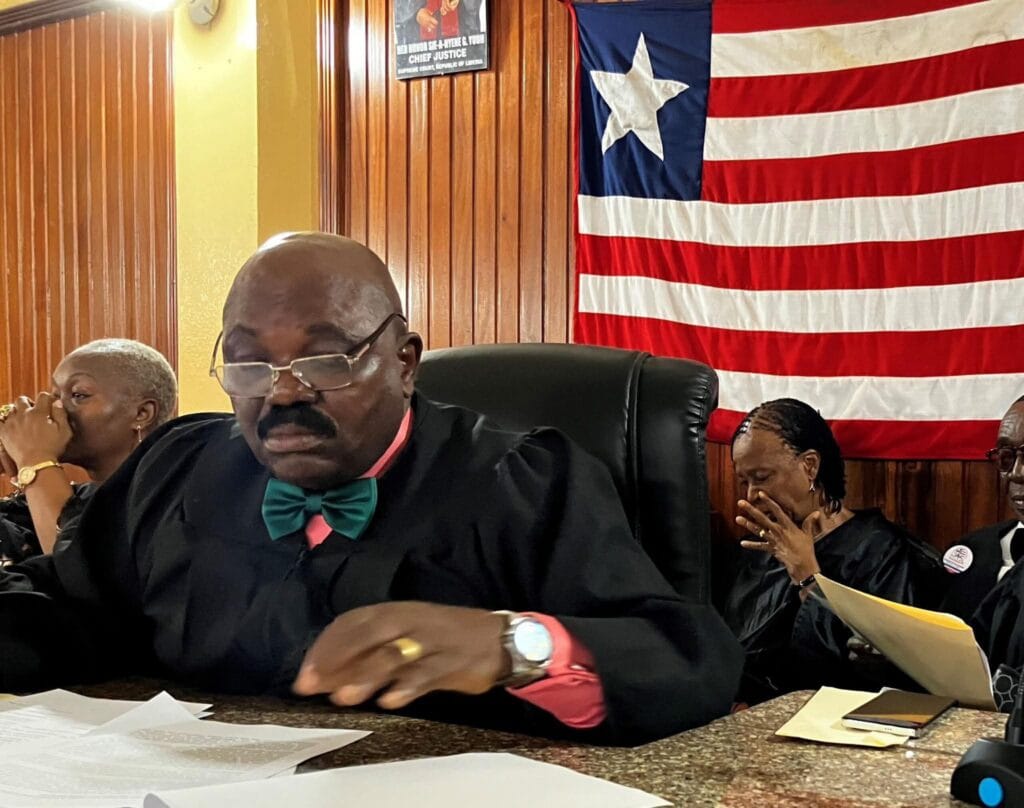
The danger now is that the public may begin to see this controversy not as a search for justice, but as institutional confusion unfolding in real time.
Even more concerning is the fact that Dr. Cooper reportedly completed the autopsy before the court invalidated it. Yet the findings themselves remain unknown to the public.
This naturally fuels speculation.
The issue here is not whether the findings should automatically be accepted as evidence. The issue is whether transparency and consistency are being applied fairly throughout the process.
The Court and the LMDC must understand that public confidence in the justice system depends not only on legal rulings, but also on clarity, fairness, and institutional coherence.
If our nation lacks a fully developed legal framework governing forensic death investigation, then this controversy should serve as a wake-up call for reform — not merely an occasion for public embarrassment and institutional defensiveness.
The government, judiciary, LMDC, and Legislature should now seriously consider:
- establishing clearer forensic licensing laws;
- defining the legal scope of medico-legal investigators;
- strengthening forensic pathology capacity;
- and creating modern standards for autopsies and death investigations.
This is especially important in high-profile criminal cases where public trust can easily erode.
Ultimately, the Dr. Cooper controversy presents us as a nation with a choice.
The country can either allow the matter to descend into a personal battle filled with accusations and counteraccusations, or it can use this moment to confront the broader weaknesses within its justice and forensic systems.

One thing, however, is undeniable: Liberia cannot afford institutional contradictions in matters involving life, death, and criminal justice.
The public deserves clarity. The courts deserve credibility. And justice deserves consistency.
Follow The Liberian Post on Facebook and X (formerly twitter).