MONROVIA – The European Union (EU) has cautioned Liberian authorities that delays in implementing critical electoral reforms could undermine public confidence and the overall credibility of the country’s 2029 presidential and legislative elections, urging policymakers to move swiftly from discussion to action.
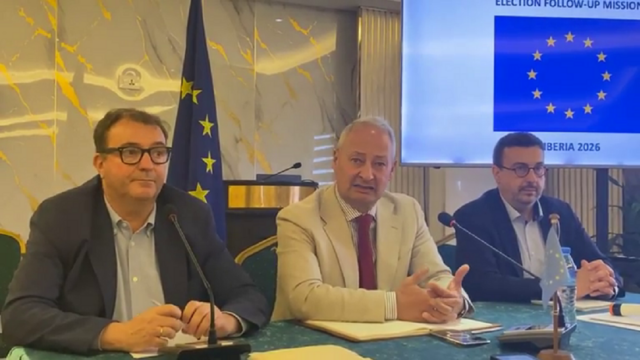
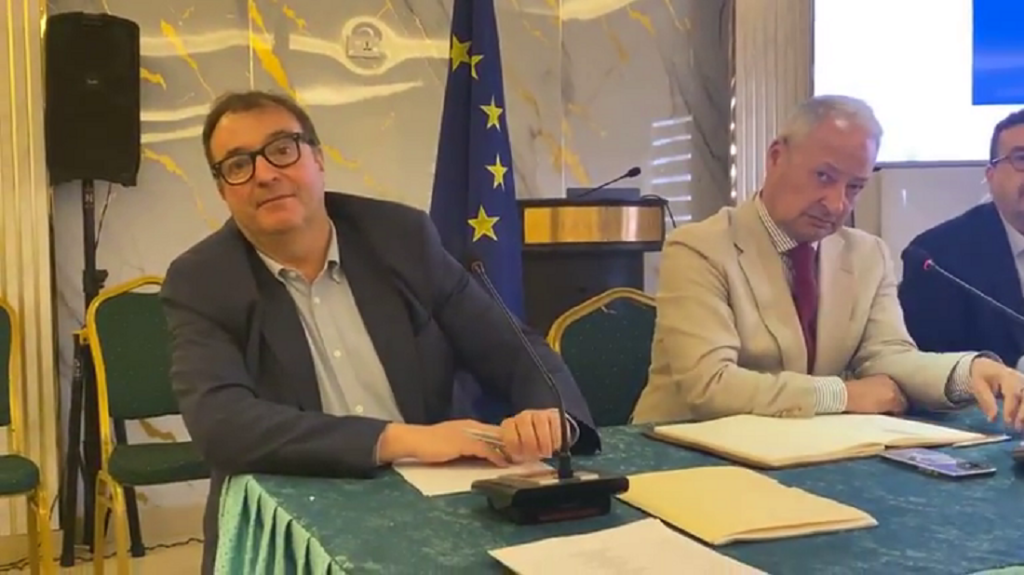
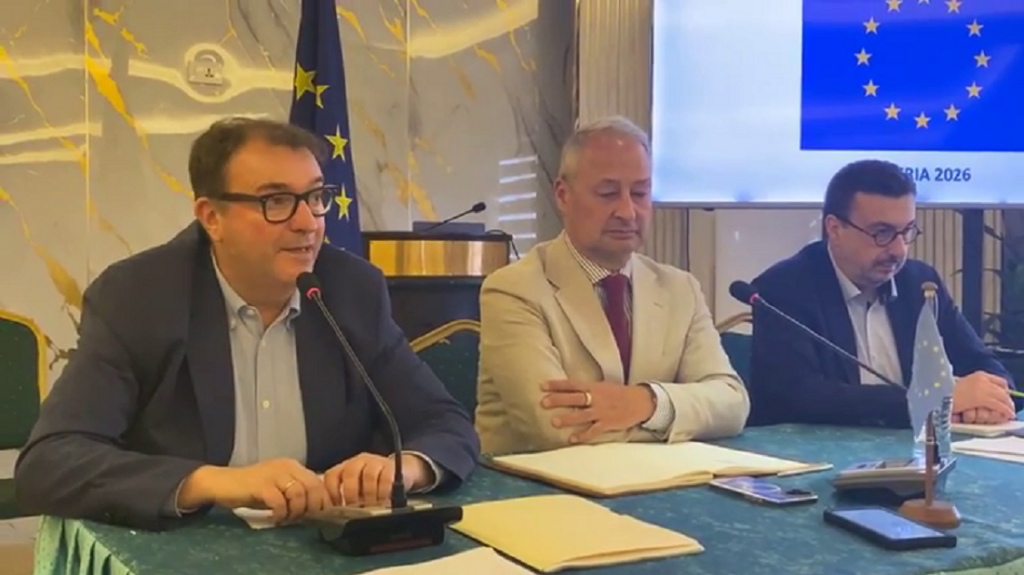
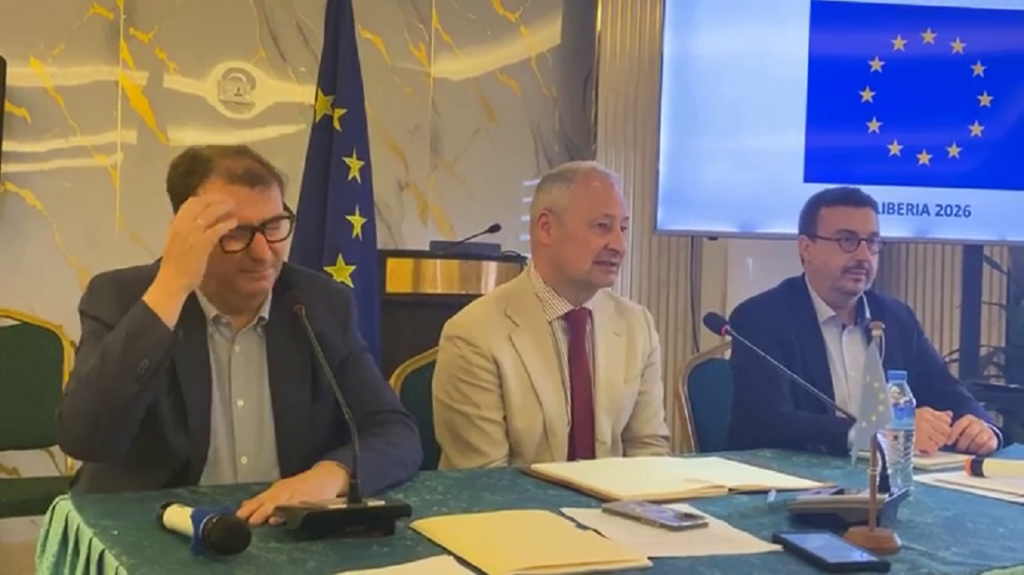
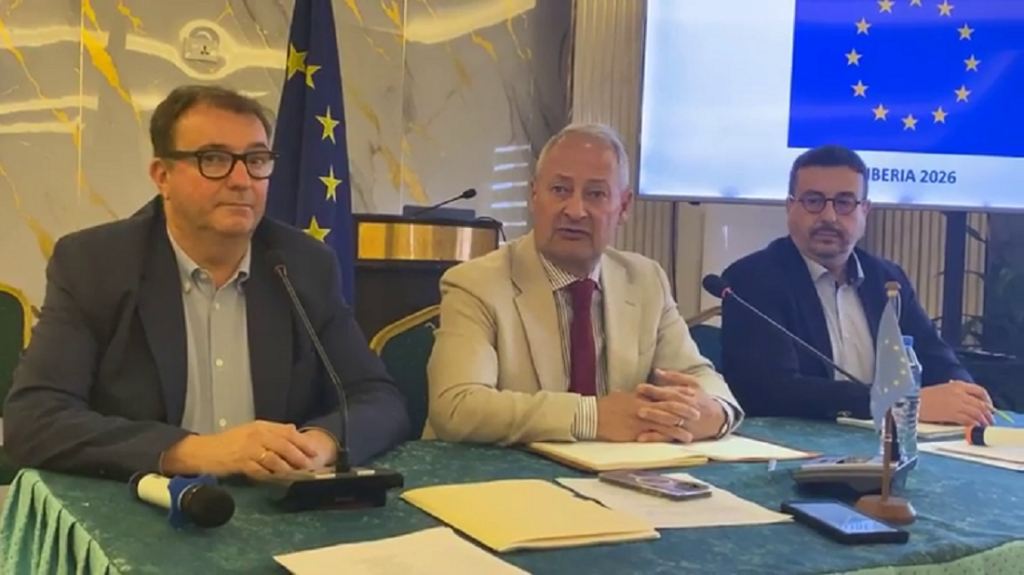
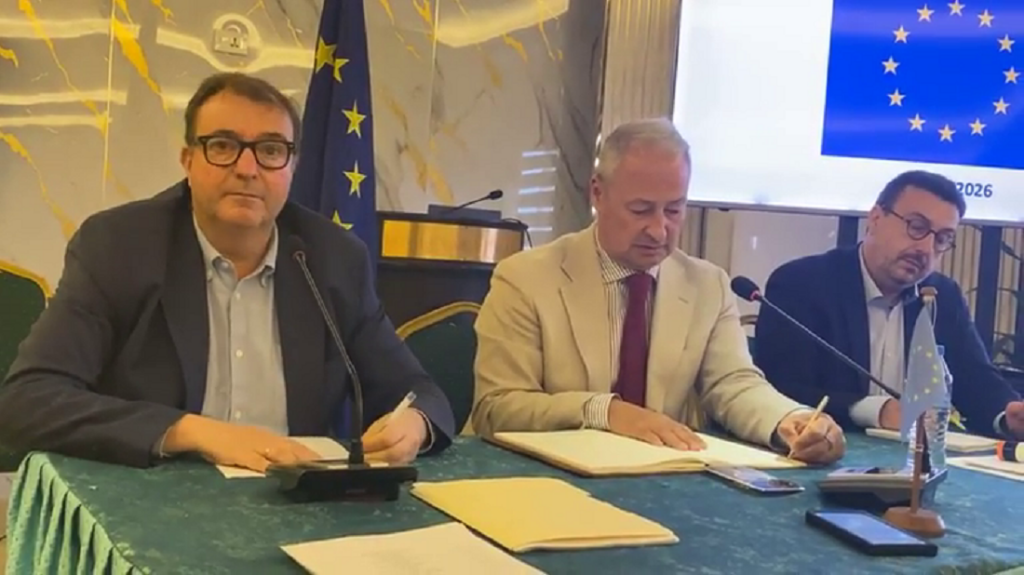
The warning was delivered by Andreas Schieder, Member of the European Parliament and former Chief Observer of the EU Election Observation Mission to Liberia’s 2023 elections, during a press briefing held at the EU Mission in Monrovia following a follow-up assessment of electoral reforms.
According to Schieder, Liberia has reached a decisive phase in its democratic development and can no longer afford delays in implementing reforms designed to strengthen electoral transparency, public trust, and institutional credibility.
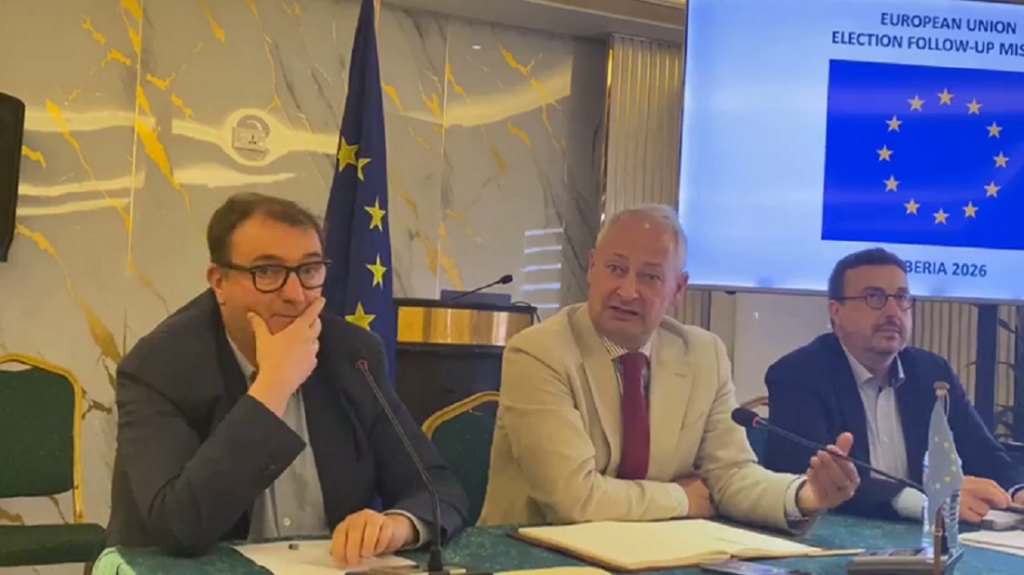
“Time is critical for implementing recommendations aimed at strengthening transparency, public confidence, and democratic governance in Liberia,” Schieder said. “We urge Liberian authorities to transform ongoing reform discussions into concrete measures aimed at improving the credibility and effectiveness of future elections.”
The EU Election Observation Follow-up Mission arrived in Liberia on May 10 to evaluate progress made on 22 recommendations issued after the country’s 2023 presidential and legislative elections. Those recommendations address key areas including voter registration, constituency boundary delimitation, campaign finance regulations, electoral dispute resolution, election administration, institutional capacity building, and gender inclusion.
Speaking to reporters, Schieder acknowledged that Liberia’s 2023 elections were generally well organized and demonstrated the country’s growing democratic maturity. He noted that the polls resulted in a peaceful transfer of power and reflected a strong commitment by Liberian institutions and political actors to democratic governance.
However, he stressed that successful elections should serve as the foundation for even stronger democratic processes in the future.
“The credibility of an election is built years before ballots are printed,” Schieder emphasized. “Citizens need to see the rules, the institutions, and the process working long before election day.”
During their stay in Liberia, members of the EU delegation held consultations with President Joseph Nyuma Boakai, officials of the National Elections Commission (NEC), the Ministry of Justice, the Ministry of Foreign Affairs, lawmakers, opposition political parties, civil society organizations, media representatives, election observers, and members of the diplomatic community. The mission also concluded its visit with a broad stakeholder roundtable focused on electoral reform implementation.
According to Schieder, the consultations revealed widespread agreement on the need for reforms but exposed a troubling gap between consensus and implementation.
“The picture from those engagements is one of broad agreement but slow execution,” he said. “While stakeholders accept that reforms are necessary, the urgency required to meet the 2029 timeline is still missing.”
Among the mission’s most pressing recommendations is a review of constituency boundaries to address population imbalances that have emerged since Liberia’s last national census. The EU believes that disparities in population size among electoral districts have created representational inequalities that should be corrected in accordance with the Constitution and electoral laws.
The mission also called for amendments to electoral laws governing campaign financing, candidate eligibility, and electoral dispute resolution procedures, arguing that clearer legal provisions would reduce ambiguity and strengthen public confidence in future elections.
Another major concern highlighted by the delegation was the recurring delay in funding for the National Elections Commission. According to Schieder, late budgetary allocations often force the NEC to compress key activities such as procurement, staff recruitment, voter registration, and civic education into limited timeframes.
He warned that such constraints increase the likelihood of administrative errors and weaken confidence in the electoral process.
“Political will and budget decisions made in 2026 and 2027 will decide whether the next election builds trust or erodes it,” he stated.
The EU mission also renewed its call for greater participation of women in Liberian politics. While acknowledging the important roles women play in civic and community leadership, Schieder noted that female representation in elected office remains disproportionately low.
The delegation encouraged political parties, lawmakers, and civil society organizations to consider practical measures, including affirmative-action mechanisms, stronger political party commitments, and enhanced voter education campaigns to improve women’s participation ahead of the 2029 elections.
Concerns about misinformation and digital disinformation also featured prominently in the mission’s assessment. EU officials called for clearer legal definitions and regulatory frameworks to address false information, hate speech, and online manipulation while safeguarding democratic freedoms and freedom of expression.
On voter registration, the mission urged Liberia to strengthen the accuracy and integrity of its voter roll by addressing challenges such as duplicate records, missing information, and data inconsistencies. Schieder recommended greater integration between voter registration systems and national population databases to improve reliability and reduce disputes.
The delegation further stressed the need for continuous training of election personnel, improved logistical planning, and greater accessibility for persons with disabilities and elderly voters.
According to Schieder, electoral systems must be designed to ensure that every eligible citizen can participate fully in the democratic process.
The EU also emphasized the importance of equitable access to media platforms during election campaigns, arguing that public trust grows when all political actors believe they are competing on a level playing field.
Despite the concerns raised, Schieder reaffirmed that the European Union’s role remains advisory rather than prescriptive.
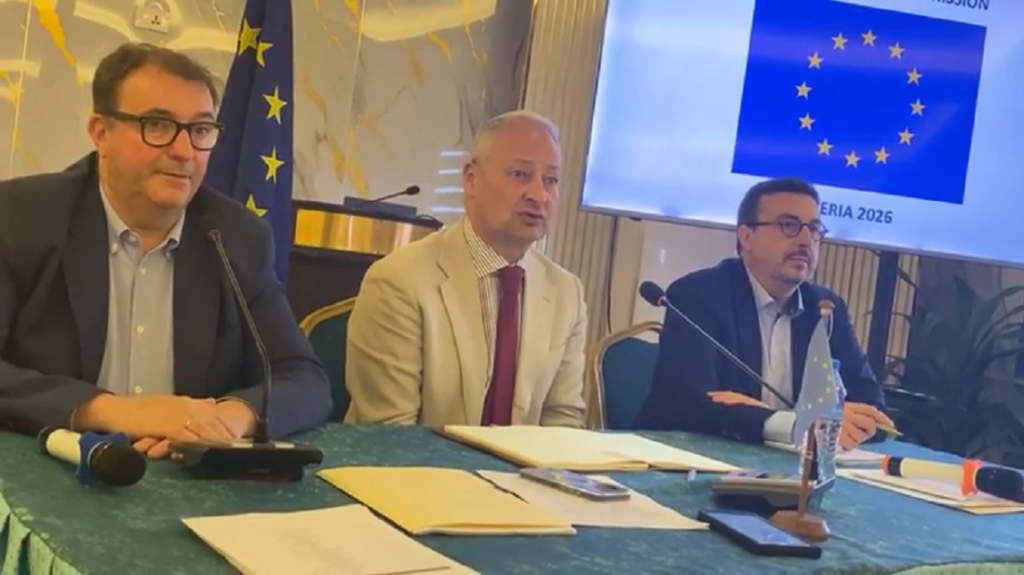
“We do not dictate reforms,” he said. “We observe, we recommend, and we support Liberian institutions and citizens in making their democracy stronger.”
The EU is expected to release a final assessment report in the coming weeks detailing progress made on the implementation of its 2023 election recommendations.
Schieder concluded by stressing that electoral reform is not merely a technical exercise but a political responsibility requiring sustained commitment from government institutions, political parties, civil society organizations, and citizens alike. He warned that while 2029 may seem distant, the work needed to guarantee another credible election must begin immediately.
Follow The Liberian Post on Facebook and X (formerly twitter)