-Amid Escalating Social Media Controversy
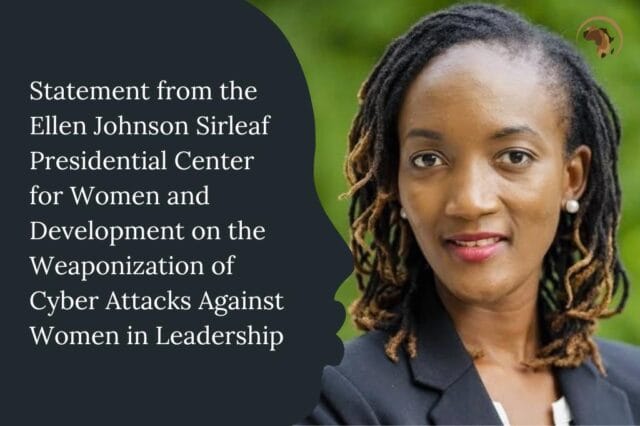
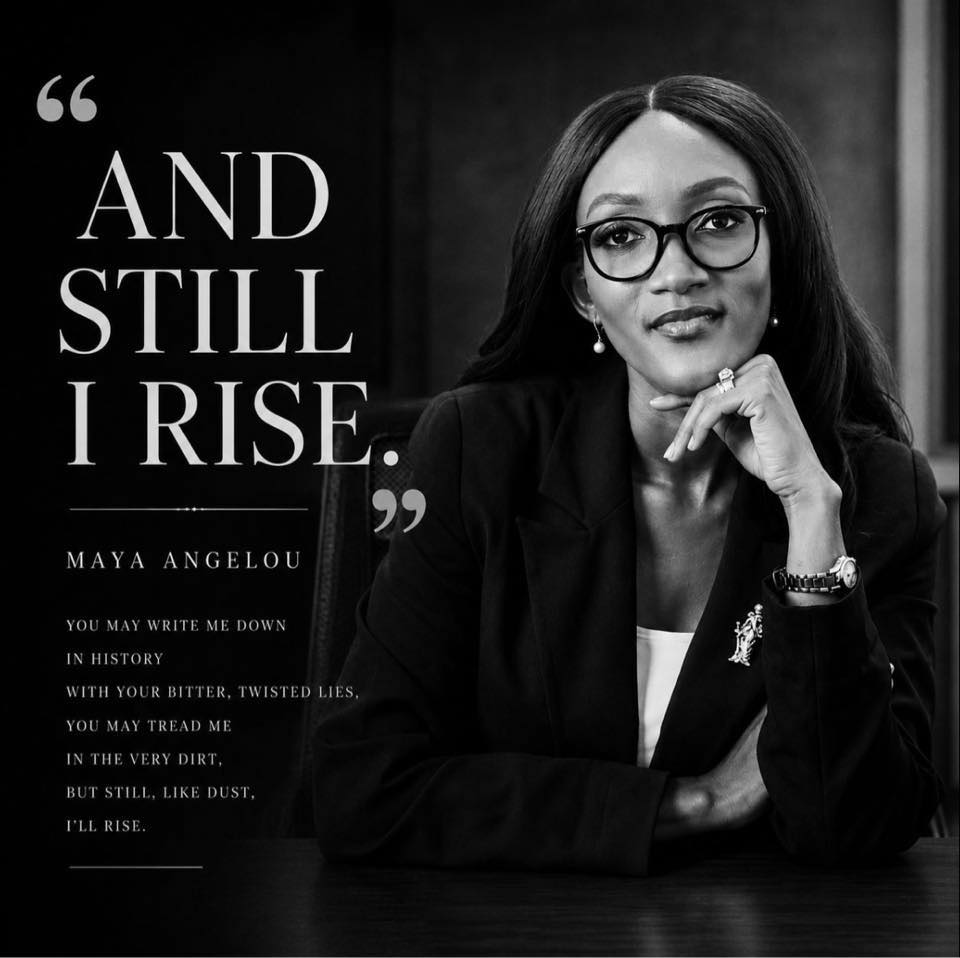
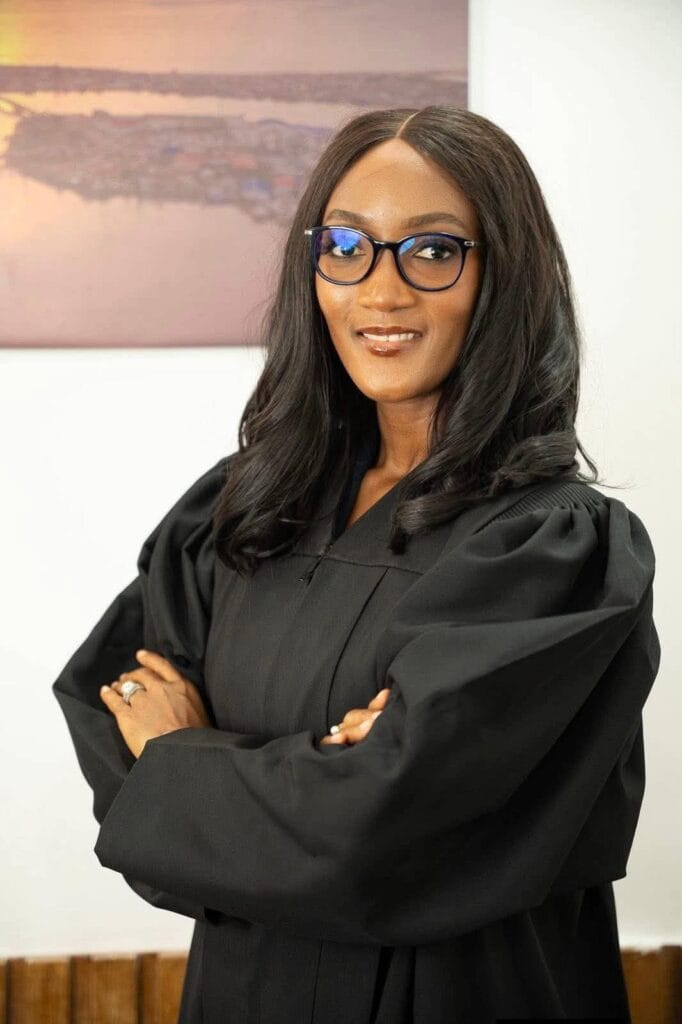
MONROVIA – The Ellen Johnson Sirleaf Presidential Center for Women and Development has strongly condemned what it describes as a coordinated campaign of cyber harassment, defamation, and character assassination targeting Liberian lawyer and women’s rights advocate Cllr. Moriah Yeakula amid an intensifying social media storm that has dominated public discourse in Liberia in recent days.
In a strongly worded statement released this week, the EJS Center accused unidentified individuals of weaponizing social media platforms to humiliate, intimidate, and silence Yeakula through the circulation of unverified allegations, threats involving alleged intimate imagery, and attacks targeting her personal life.
“What has happened to Counselor Yeakula is not an isolated event,” the organization declared. “Liberia is witnessing a dangerous culture where women are increasingly becoming targets of insults, harassment, and character assassination on social media and in public spaces.”
The organization added: “These attacks are not random. They are calculated. They are designed to do one thing: remind women who dare to lead, who dare to speak, who dare to hold power accountable, that there is a price for their courage.”
How the Saga Began
The controversy surrounding Yeakula erupted on Liberian social media platforms earlier this week following the circulation of rumors, screenshots, and claims alleging inappropriate personal conduct involving the prominent lawyer and political figure.
The allegations — many of which remain unverified — quickly spread across Facebook pages, WhatsApp groups, blogs, and online talk shows, triggering heated national debate and widespread commentary.
Several social media users began linking Yeakula’s name to alleged leaked conversations, intimate content, and accusations involving high-profile political figures and government officials, although no independently verified evidence has publicly emerged substantiating many of the claims.
The controversy escalated further after anonymous accounts and bloggers threatened to release alleged private materials purportedly connected to Yeakula.
The situation soon evolved beyond ordinary political criticism into what supporters described as a coordinated online humiliation campaign targeting a female public figure.
Facebook Divided Over Controversy
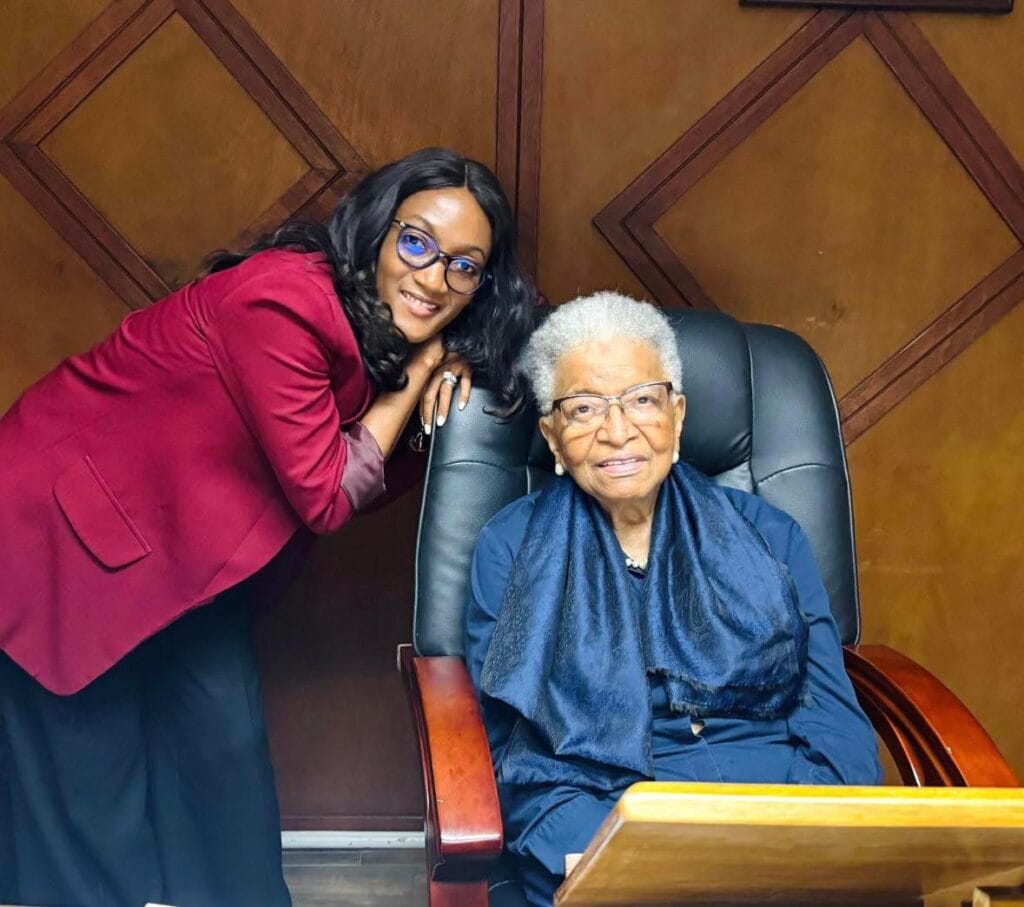
The saga has sharply divided Liberian social media users, with some defending Yeakula while others continued amplifying allegations and criticism.
Several prominent Facebook posts and comments condemned the attacks against her.
One widely circulated Facebook post stated: “The recent attacks against Cllr. Moriah Yeakula on social media should concern every patriotic Liberian who believes in fairness, decency, and justice.”
Another supporter wrote: “She has stood boldly in defense of justice, accountability, and the Liberian people. Since some individuals cannot silence her through facts, they have resorted to personal attacks.”
Others described the attacks as part of a broader pattern targeting outspoken women in Liberian politics.
“Liberian politics has a pattern: when a woman speaks plainly, they mobilize rumor, shame, and propaganda against her,” one Facebook commentator wrote.
However, critics on social media continued mocking and criticizing Yeakula, with some accusing her of hypocrisy and questioning her public image.
One Facebook user wrote that Yeakula had become “a laughing stock in the whole country,” while others demanded public clarification regarding the allegations.
Allegations Also Draw Political Speculation
The controversy has also generated political speculation online, with some social media commentators attempting to connect the allegations to broader political rivalries and internal tensions involving opposition political circles.
Some online commentators have mentioned names of prominent political figures and government officials alleged to be connected to the controversy, though no official evidence has publicly confirmed such claims.
The growing online speculation has further fueled the rapid spread of misinformation, rumors, and conspiracy theories surrounding the matter.
Meanwhile, the Alternative National Congress recently rejected reports suggesting Yeakula had been dismissed from her political role, describing those reports as inaccurate.
Yeakula Pushes Back
Amid the escalating controversy, Yeakula herself has publicly rejected several of the allegations circulating online.
In one widely shared response on Facebook, she dismissed claims involving alleged nude videos, nude photographs, divorce filings, and political appointments.
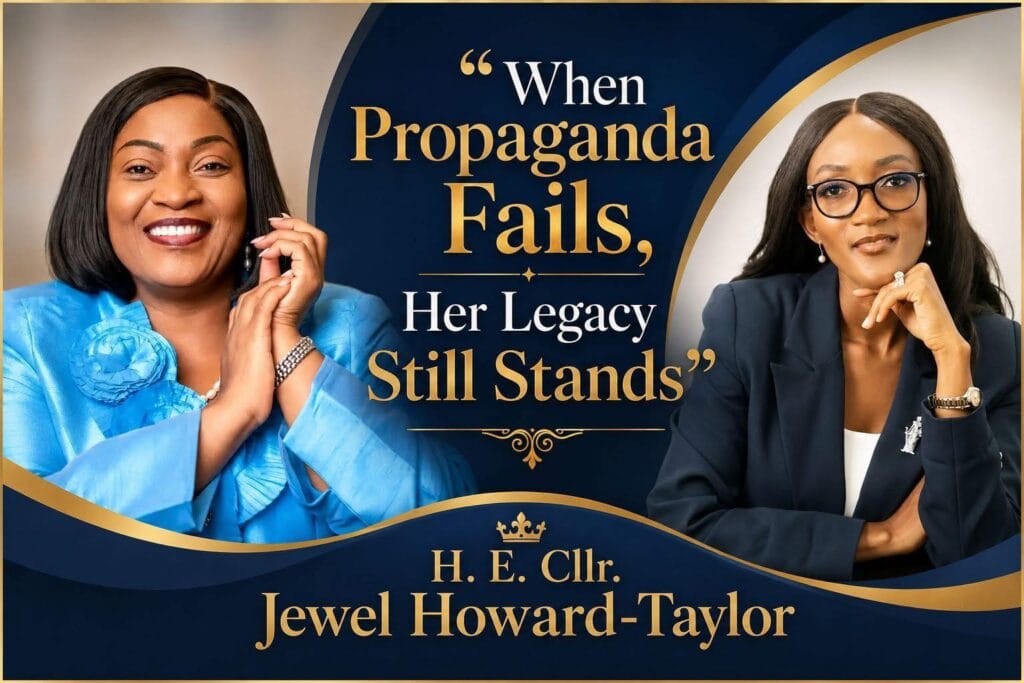
“No nude video. No nude pictures. No divorce filed. No COS appointment made. Propaganda ball lorse,” Yeakula reportedly wrote in response to the online rumors.
Her supporters say the statement reflects an effort to directly confront what they describe as a deliberate disinformation campaign aimed at damaging her reputation and public standing.

EJS Center Defends Yeakula’s Record
The Ellen Johnson Sirleaf Presidential Center strongly defended Yeakula’s professional and advocacy background, describing her as a committed lawyer, feminist, and women’s rights advocate who has dedicated years to advancing gender equality and public service in Liberia.
The organization highlighted her role as co-founder of the Liberia Cancer Resource Initiative, her pro bono legal work for indigent women and girls, and her advocacy for women’s political participation and protection against gender-based violence.
“A single unverified allegation cannot outweigh decades of demonstrated impact,” the statement emphasized. “A rumor cannot overshadow real, lived leadership.”
The EJS Center also framed the controversy as part of a broader continental problem involving online violence against women in leadership.
“We have seen this before,” the organization stated. “When a woman rises, a familiar machinery mobilizes — not with policy arguments or evidence-based debate, but with rumor, with shame, and with the threat of exposure. This is violence.”
Calls for Government Action
The organization is now calling on the Liberian government to accelerate the passage and enforcement of stronger laws addressing digital harassment, cyberbullying, and the threatened or non-consensual distribution of intimate images.
It also urged media institutions, political actors, and civil society organizations to refrain from amplifying unverified and malicious online content targeting women.
“We call on all political actors, media institutions, and public figures, regardless of affiliation, to reject the use of personal attacks, fabricated content, and sexual shaming as tools of any kind,” the statement said.
The EJS Center further pledged solidarity with Yeakula and other women facing similar attacks.
“To Counselor Yeakula, you have shown this country what it means to stand with grace, strength, and dignity under fire,” the organization declared.
As the controversy continues dominating Liberian social media discourse, the incident has reignited broader national debate over cyber harassment, misinformation, online ethics, political propaganda, and the treatment of women in public leadership.
Follow The Liberian Post on Facebook and X (formerly twitter)