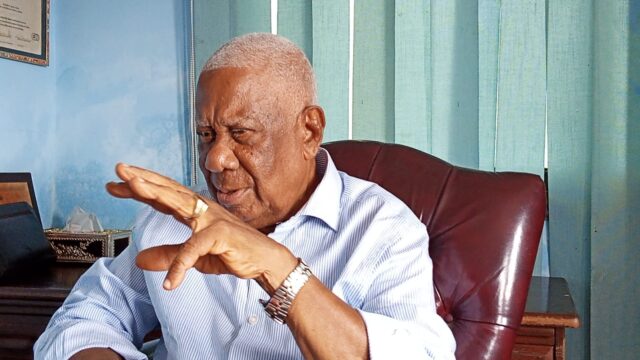
MONROVIA, Liberia — Former Finance Minister David Farhat is urging Liberia to look beyond the political excitement surrounding former President George Weah’s return and confront what he believes the massive turnout of young people reveals about the country’s deeper social and economic challenges.
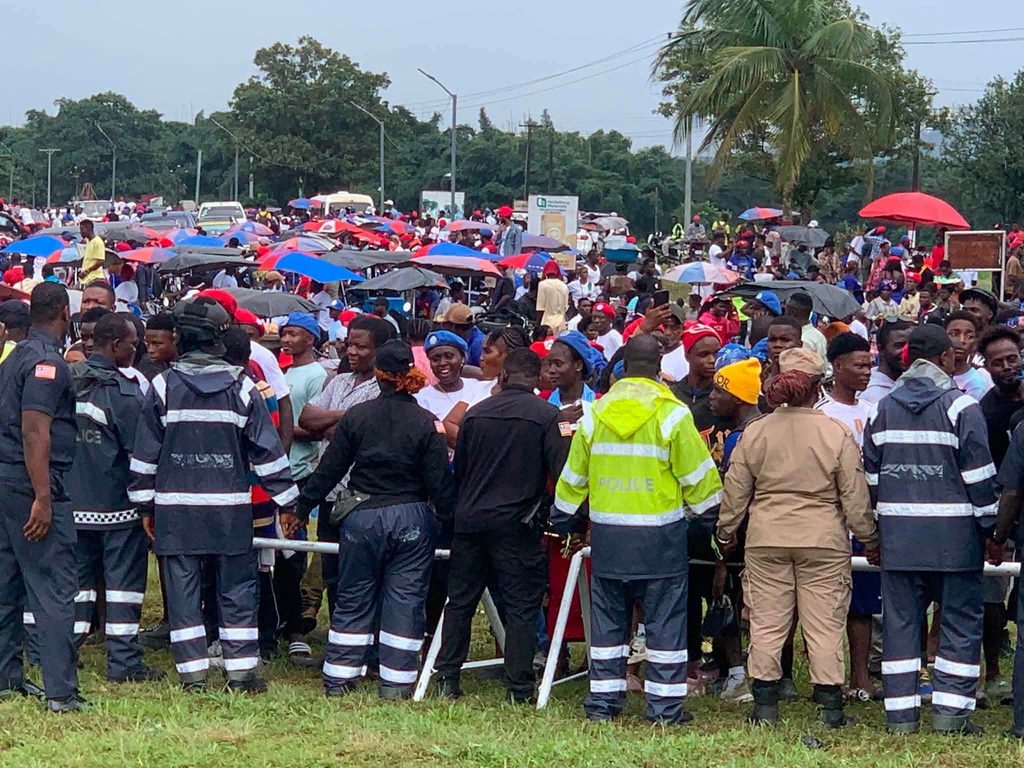
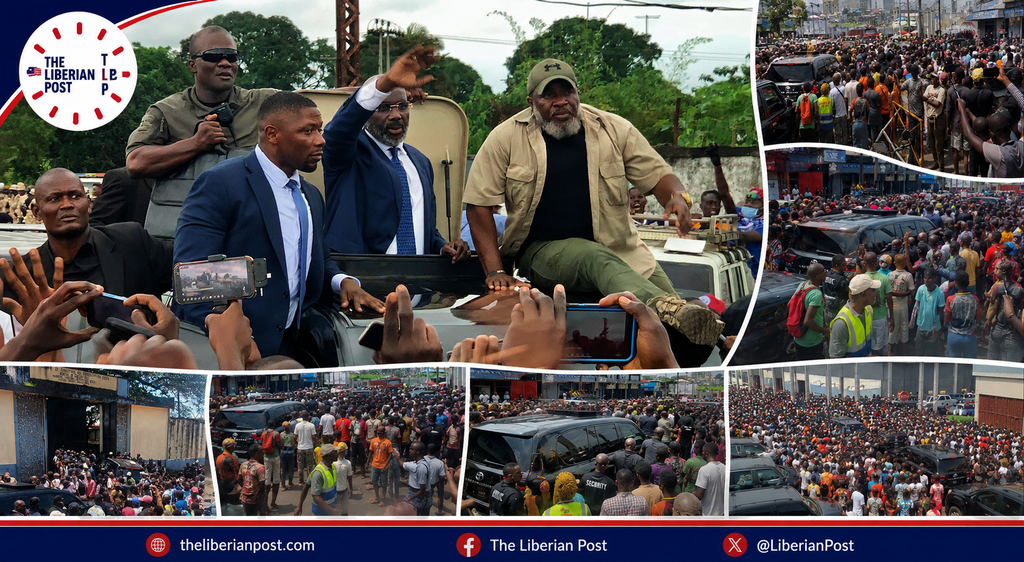
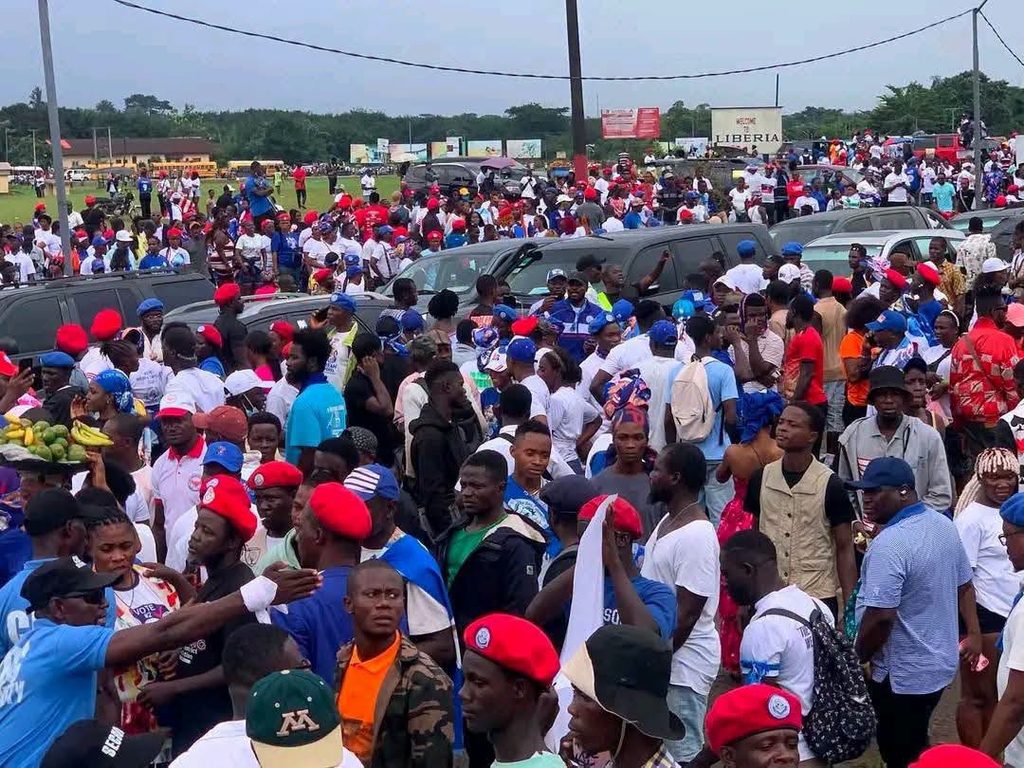
Farhat said he was both moved and concerned by the large crowds that lined the streets of Monrovia on Wednesday to welcome Weah, particularly the long stretch of supporters reportedly extending from ELWA Junction toward Roberts International Airport (RIA).
“I couldn’t eat, I couldn’t sleep when I saw the people lined up from ELWA Junction to RIA,” Farhat said while speaking to journalists over the weekend.
For the former finance minister, however, the size of the crowd should not be viewed solely as a measure of Weah’s political popularity.
He believes it should also force the country to ask a more difficult question: Why are so many young Liberians still looking to political personalities for hope when they should have meaningful opportunities to build their own futures?
Beyond Political Loyalty
Farhat argued that the enthusiasm surrounding Weah’s return may reflect frustrations among young Liberians who continue to face limited access to decent jobs, education, skills training and other opportunities.
When young people have little productive engagement, he suggested, they can become increasingly drawn to political personalities and movements that appear to offer hope, even when those political figures may not have concrete solutions to the challenges confronting them.
That, Farhat said, should concern policymakers regardless of political affiliation.
Rather than viewing the crowd simply through the lens of support for Weah, he urged the government and political leaders to examine the socioeconomic conditions that make political gatherings such powerful sources of hope and belonging for young people.
A Human Capital Challenge
Farhat is calling for human capital development to become a central national priority.
He said Liberia needs to invest more deliberately in education, vocational and technical training, practical skills development and sustainable employment if it is to turn its youthful population into an economic asset.
His argument is that young Liberians should not have to depend on political connections or personalities to find a path forward.
With the right investment, he believes the country’s youth can become a productive workforce capable of driving entrepreneurship, innovation and economic growth.
Without that investment, however, unemployment and frustration could deepen social pressures and make young people increasingly vulnerable to political manipulation, migration and economic hardship.

The Question Behind the Crowd
Farhat’s remarks ultimately shift the conversation from “How many people support Weah?” to “What does the crowd tell us about Liberia?”
The former minister suggested that political leaders should look beyond rallies and popularity contests and focus on whether government policies are creating tangible improvements in the lives of ordinary citizens.
For young Liberians, that means access to quality education, employable skills, decent work and an economy capable of absorbing new entrants into the workforce.
It also means creating an environment where young people can build businesses, acquire professional skills and participate meaningfully in the economy without having to depend on political patronage.
A Warning for Government
Farhat’s message is ultimately directed at policymakers.
He warned that if Liberia fails to confront unemployment and underinvestment in its people, the country could face increasingly serious social and economic consequences.
Migration, he suggested, represents one of the risks when young people cannot find viable opportunities at home. Political frustration is another.
But the former finance minister sees a different possibility if Liberia gets its priorities right.
Investing in people, he argued, could transform Liberia’s youthful population from a source of concern into one of its greatest national assets.
His message is therefore less about one political rally than about the future of an entire generation:
Liberia must invest in its young people before unemployment, hopelessness and the search for opportunity elsewhere become an even bigger national crisis.
For breaking news, in-depth analysis, and exclusive reports from Liberia and around the world, follow The Liberian Post on Facebook (https://web.facebook.com/profile.php?id=61576017166570) and X, formerly Twitter (https://x.com/LiberianPost).