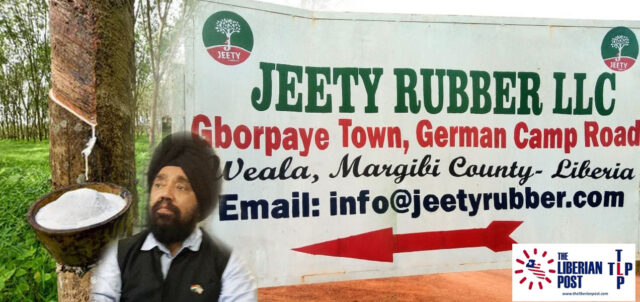
MONROVIA, Liberia — A bold industrial proposition is taking shape in Liberia’s rubber sector, as Jeety Rubber LLC positions itself to transform the country from a long-standing exporter of raw rubber into a manufacturer of finished tyres.
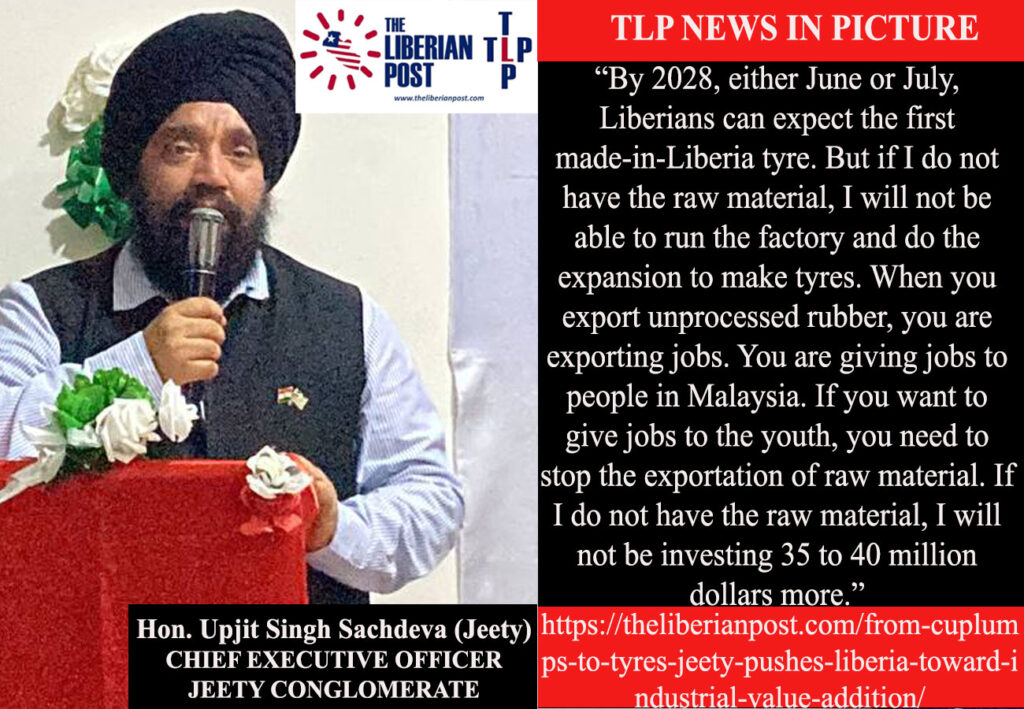
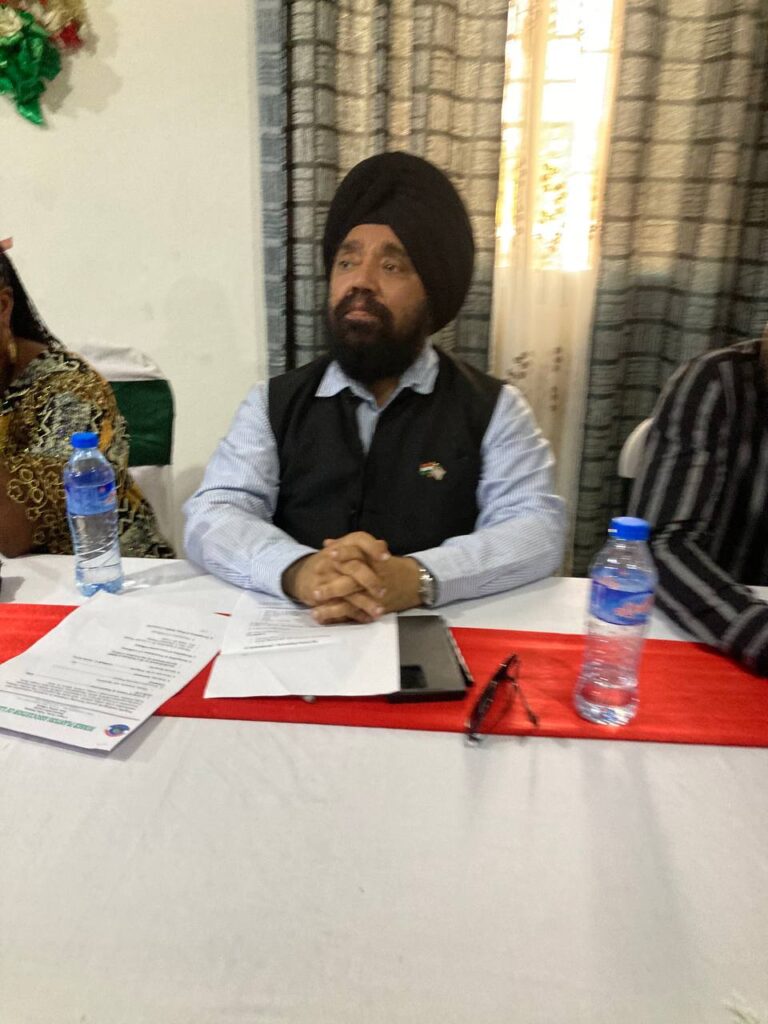
At the center of this ambition is the company’s Chief Executive Officer, Upjit Singh Sachdeva, widely known as “Jeety,” who says Liberia can produce its first domestically manufactured tyres by mid-2028—if the country secures a reliable supply of raw rubber and adopts policies that favor value addition over raw exports.
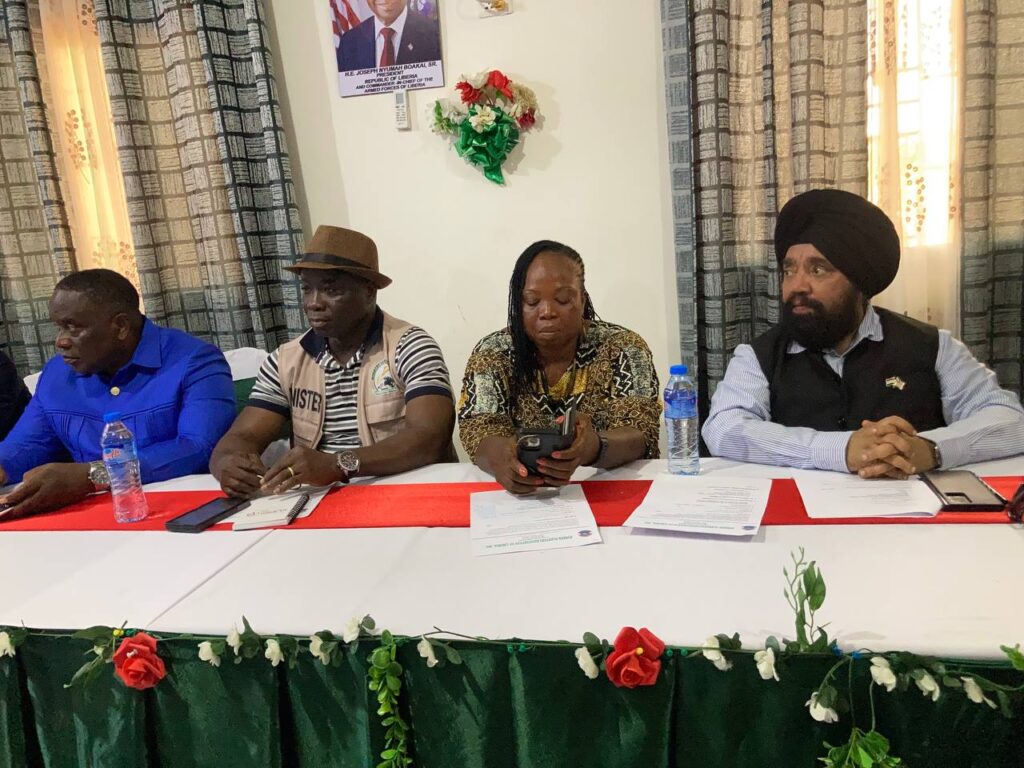
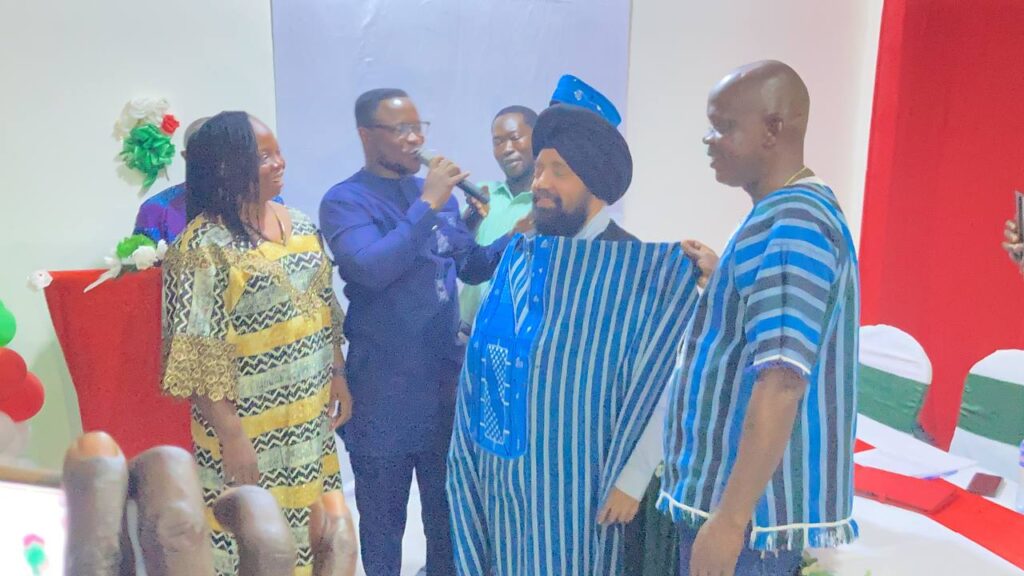
“By 2028, either June or July, Liberians can expect the first made-in-Liberia tyre,” Mr. Jeety said at a March 25 recognition ceremony attended by the Minister of Agriculture. “But if I do not have the raw material, I will not be able to run the factory and do the expansion to make tyres.”
A Shift from Export to Industry
Liberia has historically been one of the world’s notable producers of natural rubber, yet much of its output leaves the country in unprocessed or semi-processed form—particularly as “cuplumps,” a low-grade raw rubber product. For decades, this export model has limited domestic industrial growth and job creation.
Jeety’s proposal seeks to disrupt that pattern.
“When you export unprocessed rubber, you are exporting jobs,” he said. “You are giving jobs to people in Malaysia. If you want to give jobs to the youth, you need to stop the exportation of raw material.”
His argument reflects a broader development debate: whether resource-rich economies like Liberia should continue exporting raw commodities or aggressively pursue downstream manufacturing.
US$18 Million Expansion Underway
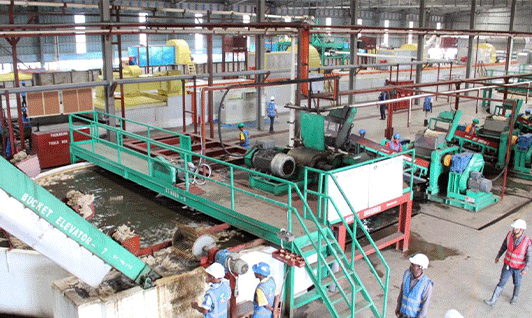
Backing his vision with capital, Jeety Rubber is currently undertaking a US$18 million second-phase expansion of its processing facility. The project, now about 60 percent complete, will add a new production line capable of processing eight tonnes of rubber per hour—significantly increasing capacity from the current five tonnes per hour.
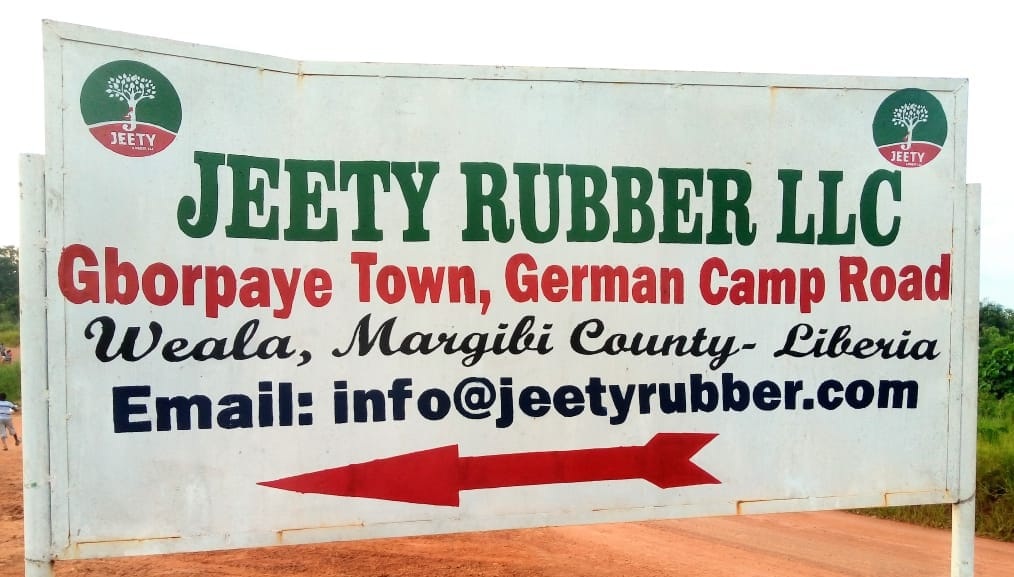
Once completed around mid-2026, the upgraded plant will require approximately 550 tonnes of wet rubber daily, more than double its current intake of 200 to 250 tonnes.
The scale of that demand highlights a critical constraint: supply.
“If I do not have the raw material, I will not be investing 35 to 40 million dollars more,” Mr. Jeety warned, referring to additional capital required to establish tyre manufacturing.
Farmers at the Core
Central to sustaining supply, Jeety argues, is improving the livelihoods of Liberia’s rubber farmers—many of whom operate at smallholder level. He is advocating for stronger farm-gate pricing mechanisms to ensure producers receive fair compensation, thereby encouraging increased production.
“If farmers get a better price, they develop. They are able to feed their children. They are able to send their children to better schools,” he said.
Jeety Rubber has earned recognition for maintaining purchases from smallholder farmers even during market disruptions, positioning itself as a consistent buyer in a volatile sector.
Policy Crossroads
The company’s push comes at a time when the Liberian government faces critical policy choices regarding the rubber industry. Calls to restrict or ban the export of unprocessed rubber have generated both support and resistance, with stakeholders weighing immediate export revenues against long-term industrialization goals.
For Jeety, the path forward is clear: prioritize domestic processing and manufacturing.
“We have completed feasibility studies to manufacture truck tyres, passenger vehicle tyres, motorcycle tyres, and tricycle tyres,” he said, signaling readiness to move up the value chain.
Industry Recognition and Confidence
Despite the challenges, Jeety remains optimistic. His company was recently honored by the Rubber Planters Association of Liberia (RPAL) and the Rubber Development Fund Incorporated (RDFI) for its contributions to the sector—particularly its continued engagement with farmers at a time when other buyers pulled back in protest of government pricing regulations.
“I am an Indian by passport, Liberian by heart,” he said. “I want to do something unique—to make the first tyre in this country.”
A Defining Opportunity
If realized, Jeety Rubber’s tyre manufacturing plan could mark a turning point for Liberia’s economy—shifting it from a commodity exporter to a value-adding industrial player. Such a transition would not only create jobs but also retain more economic value within the country and reduce reliance on imported finished goods.
For now, however, the vision hinges on a single, decisive factor: whether Liberia can align its policies, supply chains, and political will to move from cuplumps to tyres.
Follow The Liberian Post on Facebook and X (formerly twitter)