MONROVIA/CONAKRY — Liberia is set to play a pivotal role in a major U.S.-linked mineral supply chain in West Africa, as international mining company Ivanhoe Atlantic advances plans for a high-grade iron ore project in neighboring Guinea—relying heavily on Liberian rail and port infrastructure.
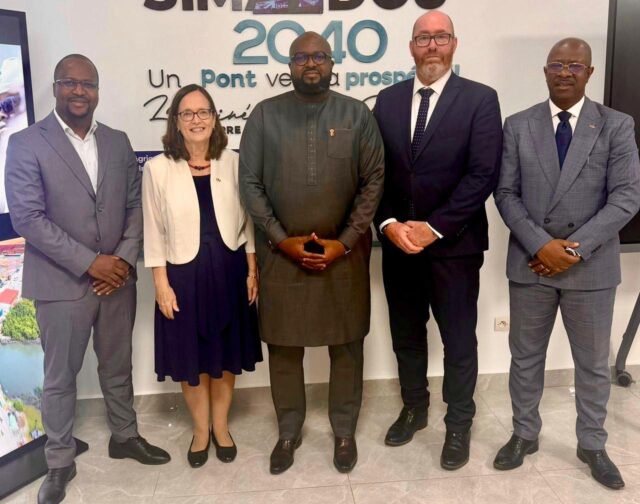
According to details disclosed by Ivanhoe Atlantic, senior company officials recently held high-level talks in Conakry with Guinean authorities, alongside U.S. Embassy Chargé d’Affaires Mary E. Daschbach. The meeting included Ivanhoe Atlantic Chief Operating Officer Kevin McLean and SMFG Director General Oumar Sylla, who engaged Guinea’s Minister Djiba Diakite, Chief of Staff to the President, and presidential advisor Aly Seydouba Soumah.
The discussions focused on advancing the Kon Kweni iron ore project, described by the company as one of the world’s highest-grade iron ore developments.
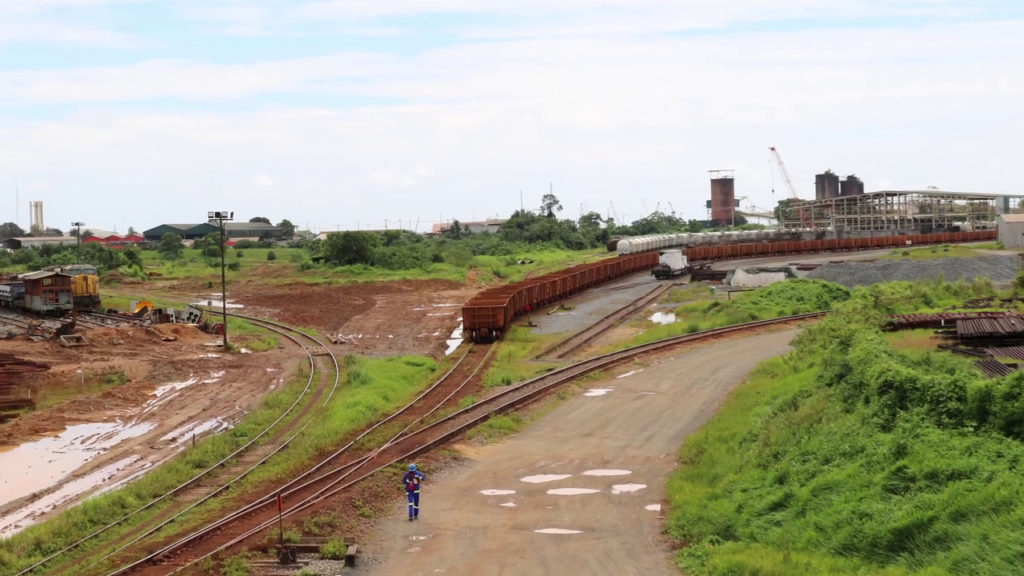
While the project is based in Guinea, Ivanhoe Atlantic confirmed that access to rail and port infrastructure through Liberia has already been secured, positioning Liberia as a critical transit corridor for exporting the ore to global markets.
“With access to port and rail secured through Liberia, and final mine permitting in progress in Guinea, we stand ready to deliver,” the company stated.
This development places Liberia at the center of an emerging regional logistics network that is not only commercially significant but also strategically aligned with U.S. efforts to secure alternative mineral supply chains in West Africa.
The Kon Kweni project is expected to generate thousands of jobs and stimulate economic growth in Guinea through direct American investment. However, analysts say Liberia stands to gain substantially through increased utilization of its infrastructure, transit revenues, and expanded regional trade.
“This is a major opportunity for Liberia to leverage its geographic and infrastructure advantage,” a regional economic analyst noted. “But the real question is how much value the country will capture from this arrangement.”
Liberia’s rail and port systems—long tied to concession-based mining operations—are increasingly being positioned as regional export corridors, particularly for landlocked or infrastructure-constrained neighboring countries.
The latest development comes amid growing domestic scrutiny over how Liberia benefits from its natural resources and strategic assets. Ongoing public debates surrounding concession agreements and revenue-sharing models have heightened calls for stronger negotiation frameworks and improved economic returns.
The involvement of the United States further elevates the significance of the project. Ivanhoe Atlantic described the initiative as a “key element in securing new supply chains in West Africa for the United States,” reflecting broader geopolitical efforts to diversify access to critical minerals.
For Liberia, the implications go beyond logistics. The project aligns with national priorities to expand infrastructure, deepen regional integration, and attract foreign investment under the government’s development agenda.
However, experts caution that maximizing these benefits will require strong governance, transparent agreements, and deliberate policy decisions to ensure that Liberia’s role as a transit hub translates into tangible economic gains.
As Guinea moves toward final mine permitting and project implementation accelerates, Liberia’s position as a strategic gateway is becoming increasingly clear—placing the country at the crossroads of regional development and global supply chain realignment.
Follow The Liberian Post on Facebook and X (formerly twitter)