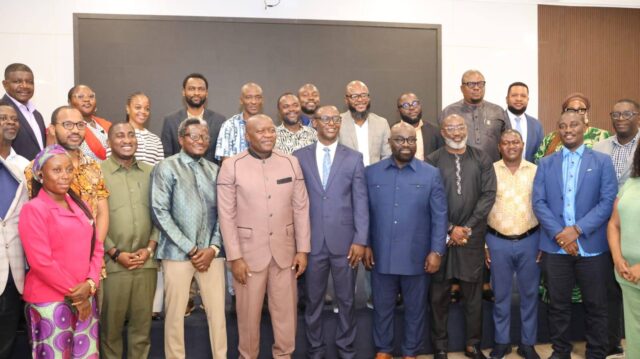
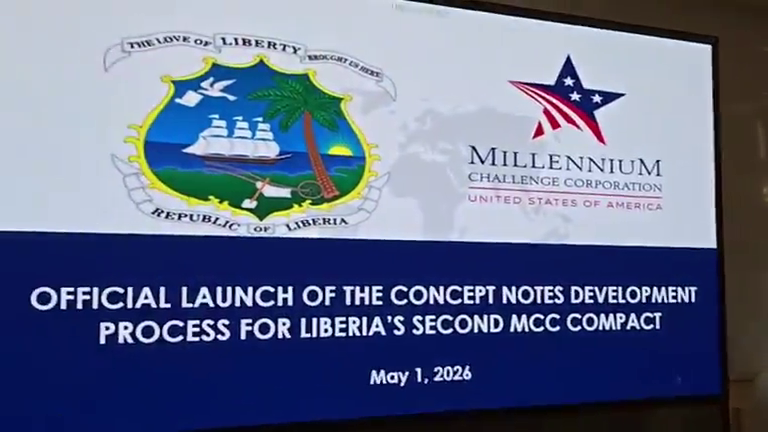
MONROVIA — The Government of Liberia has officially launched the Concept Note Development Process for its second Millennium Challenge Corporation (MCC) Compact, marking a critical step toward securing major investment aimed at addressing key constraints to economic growth—particularly in the energy sector.
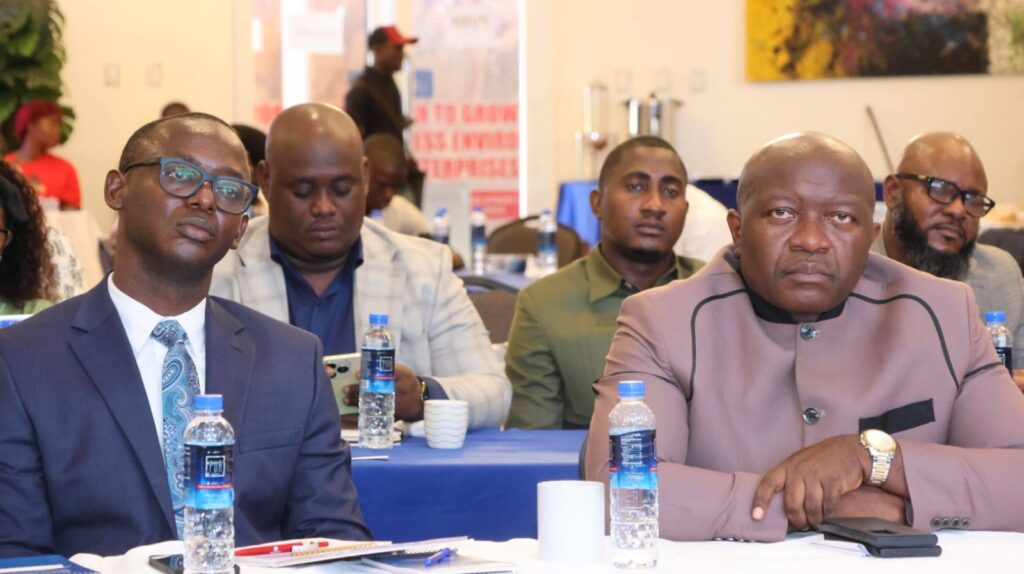
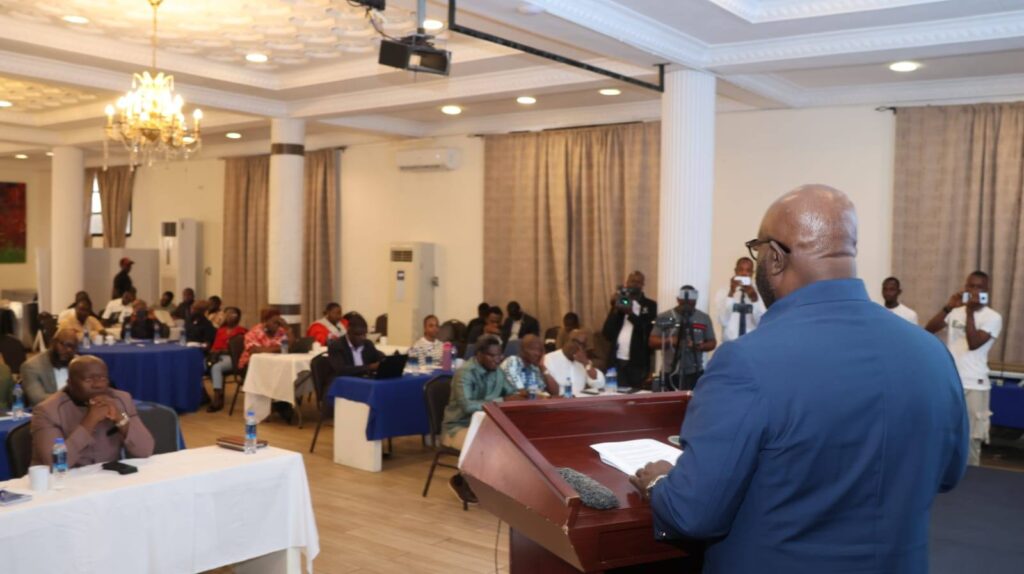
The launch brought together senior government officials, development partners, private sector actors, and civil society representatives, signaling what authorities described as a coordinated national effort to drive sustainable development.
A Critical Phase in Liberia’s MCC Journey
Delivering opening remarks, National Coordinator for the MCC Compact Development Team, Alieu Faud Nyei, described the concept note phase as a decisive stage in the compact development process.
“This phase is a critical step… it bridges the gap between identifying problems and designing actionable solutions,” Nyei said.
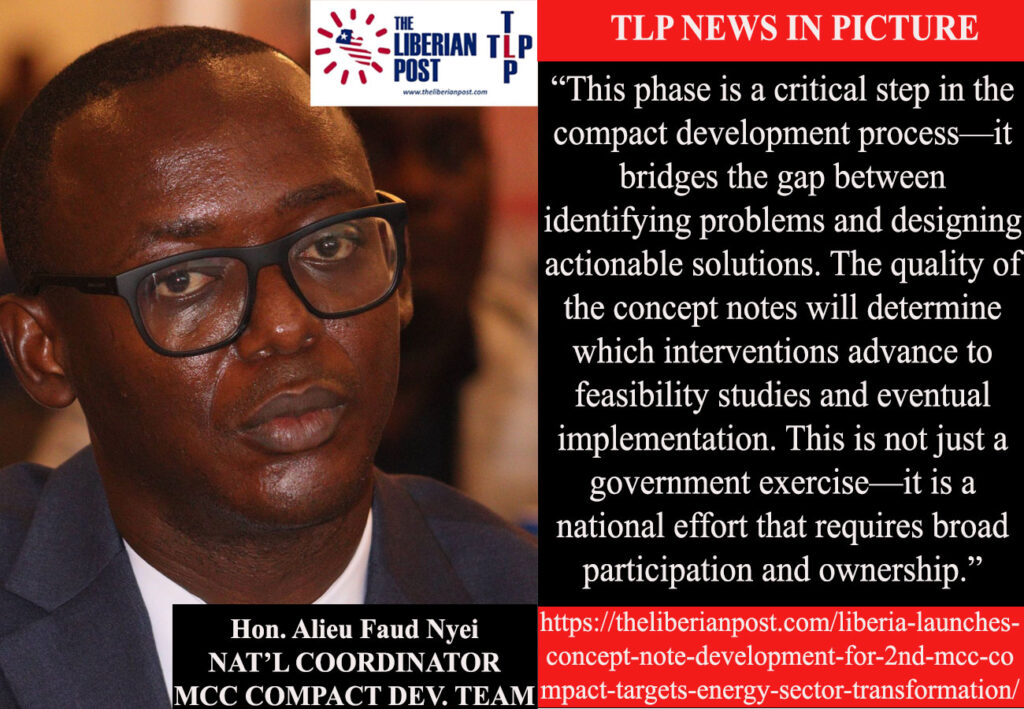
According to him, the concept notes will determine which proposed interventions move forward into detailed feasibility studies and eventual implementation, making the process both technically demanding and highly consequential.
He noted that the current stage builds on earlier nationwide consultations and analytical work that identified Liberia’s most binding constraints to growth.
Energy Sector Takes Center Stage
Speaking at the event, Finance and Development Planning Minister Augustine Kpehe Ngafuan emphasized that Liberia’s second MCC Compact will prioritize addressing the country’s longstanding electricity challenges.
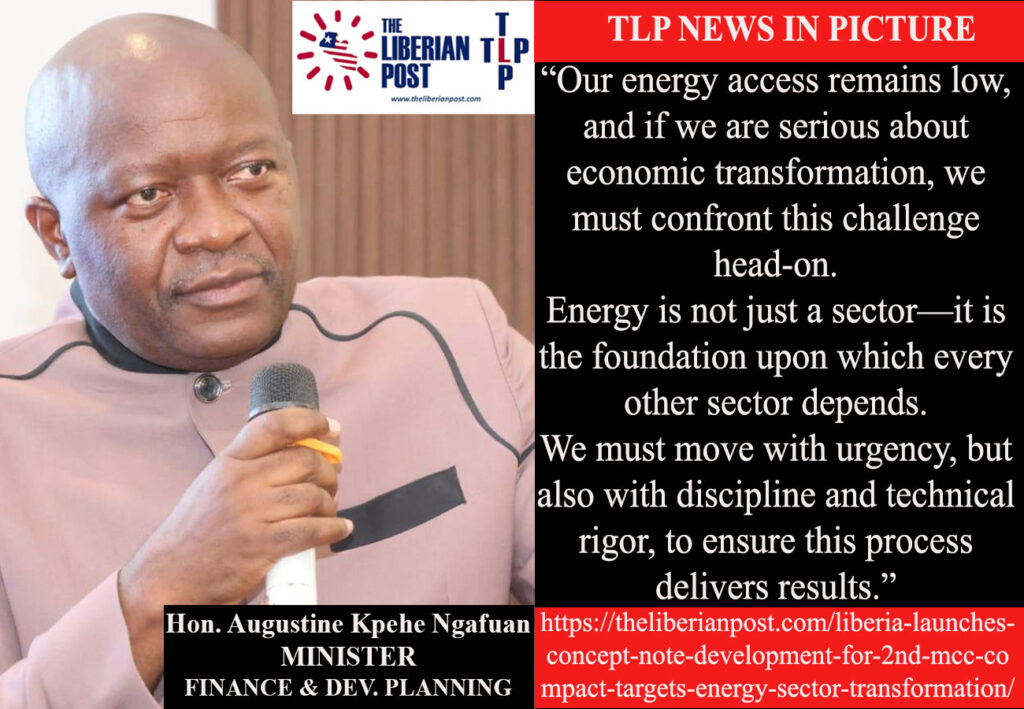
“Our energy access remains low, and if we are serious about economic transformation, we must confront this challenge head-on,” Ngafuan said.
He stressed that reliable and affordable electricity is central to private sector growth, job creation, and industrial expansion.
“Energy is not just a sector—it is the foundation upon which every other sector depends,” he added.
From Concept to Tangible Results
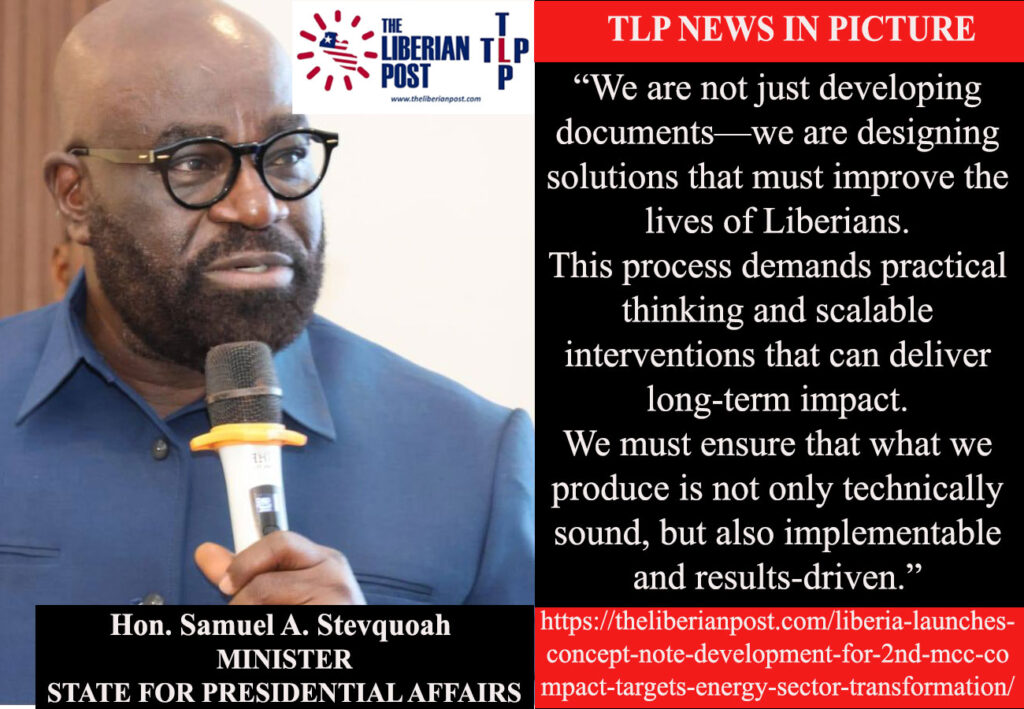
Also speaking, Minister of State for Presidential Affairs Samuel A. Stevquoah underscored the importance of ensuring that the concept notes translate into real, measurable impact.
“We are not just developing documents—we are designing solutions that must improve the lives of Liberians,” he said.
He urged technical teams to focus on practical, scalable interventions capable of delivering long-term results.

Call for Urgency and Discipline
Officials emphasized the need for speed and efficiency in advancing the compact process, noting that delays could affect Liberia’s chances of securing funding.
“We must move with urgency, but also with discipline and technical rigor,” Ngafuan urged.
He called on stakeholders to ensure that data-driven analysis and collaboration guide the process from start to finish.
Inclusive and Collaborative Approach
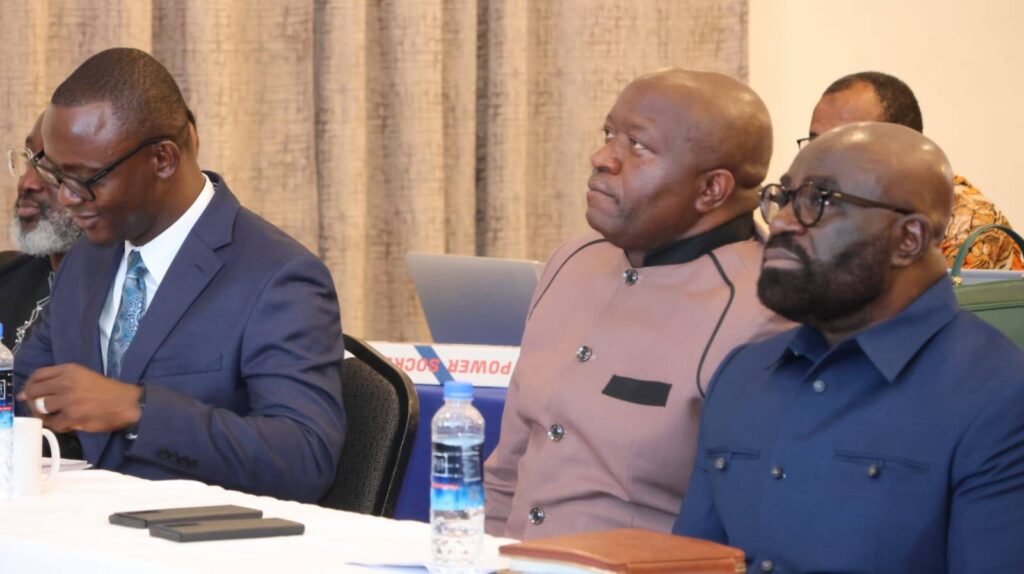
The concept development process is being driven by a multi-sectoral technical working group comprising representatives from government institutions, the private sector, and civil society organizations.
“This is not just a government exercise—it is a national effort,” Nyei emphasized. “We need everyone’s input to get this right.”
Aligning with National Development Priorities
The second MCC Compact is expected to align closely with Liberia’s ARREST Agenda for Inclusive Development (AAID), focusing on infrastructure, energy access, and economic transformation.
Officials say the initiative represents a significant opportunity to translate policy priorities into concrete investments that will drive growth and improve livelihoods.
As Liberia moves forward in the compact development process, the success of this phase will play a decisive role in shaping the scale and impact of future MCC-supported projects.
Follow The Liberian Post on Facebook and X (formerly twitter)