-Rep. Augustine Chiewolo Calls for Nationalization of Clubfoot Program as More Than 9,000 Liberians Benefit from Life-Changing Treatment
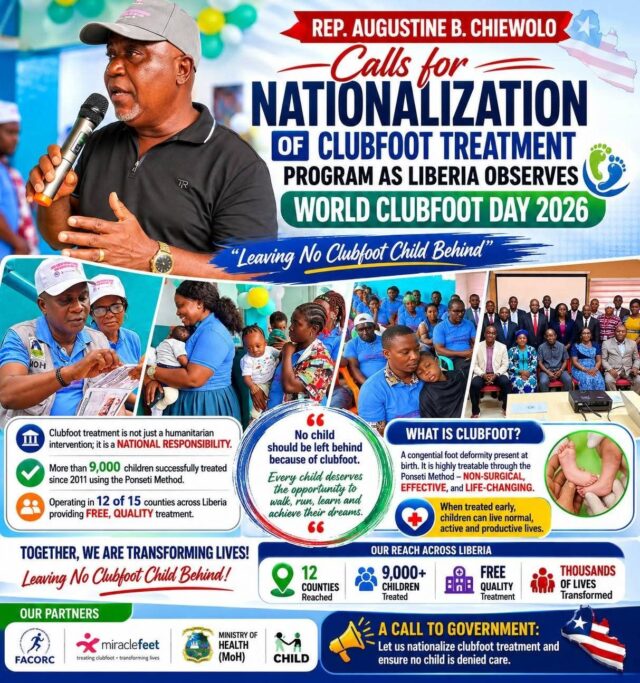
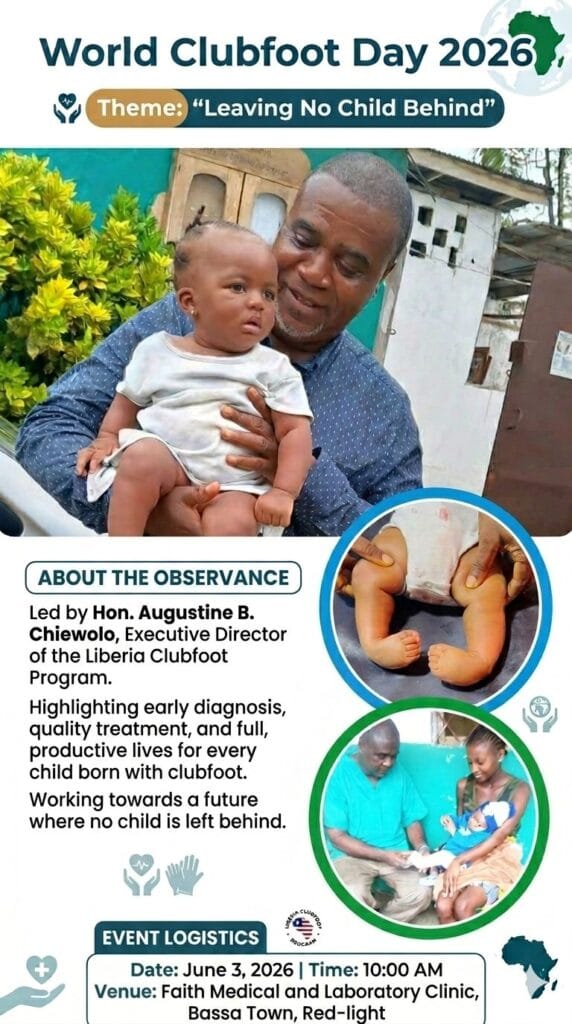
PAYNESVILLE, MONROVIA, Liberia – Liberia on Wednesday, June 3, joined the global community in commemorating World Clubfoot Day 2026, with the Executive Director of the Liberia Clubfoot Program, Representative Augustine B. Chiewolo, calling for renewed efforts to ensure that every child born with the condition has access to timely and effective treatment.
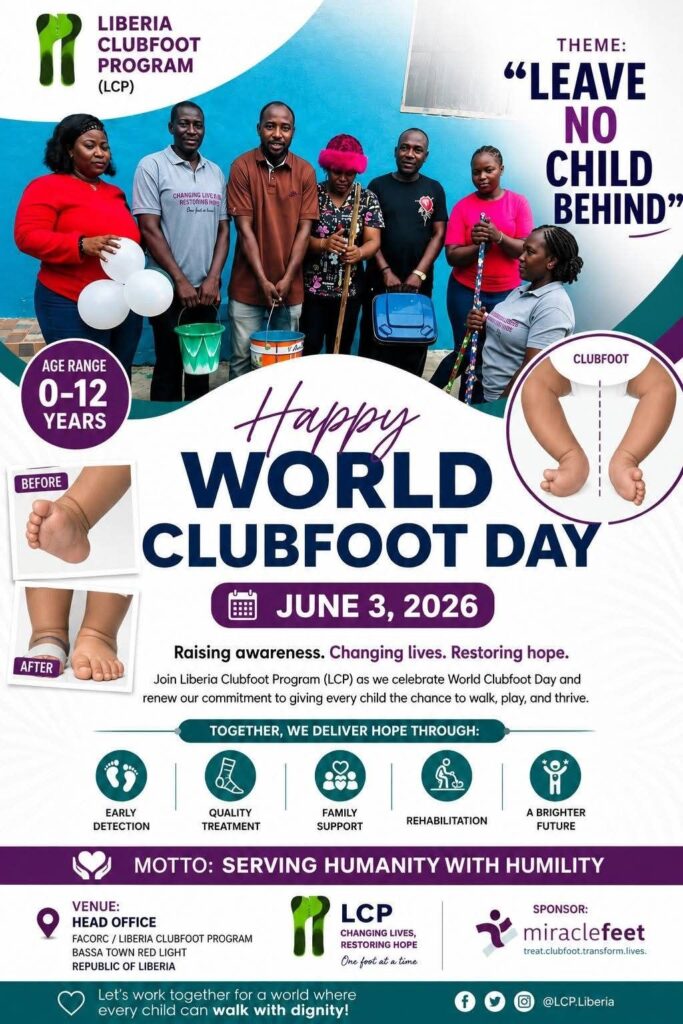
Observed annually on June 3, World Clubfoot Day is dedicated to raising awareness about clubfoot, a congenital condition in which one or both feet are twisted inward and downward at birth. The day also honors the legacy of Dr. Ignacio Ponseti, whose groundbreaking Ponseti Method revolutionized the treatment of clubfoot worldwide.
This year’s observance was held under the theme: “Leaving No Clubfoot Child Behind.”
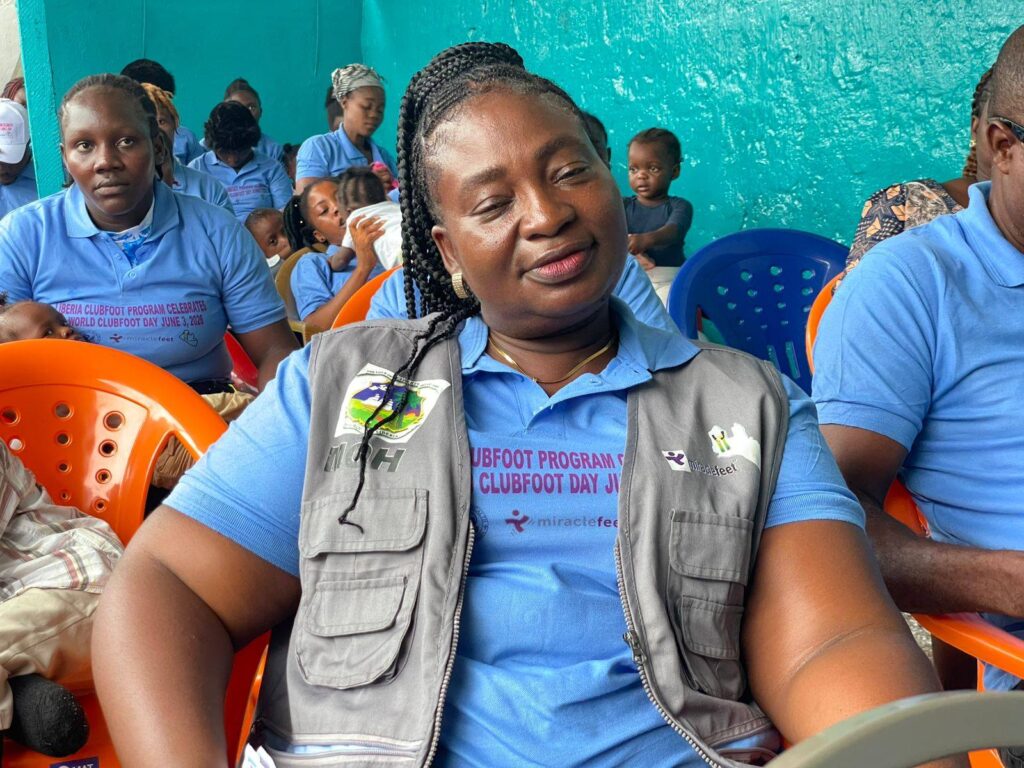
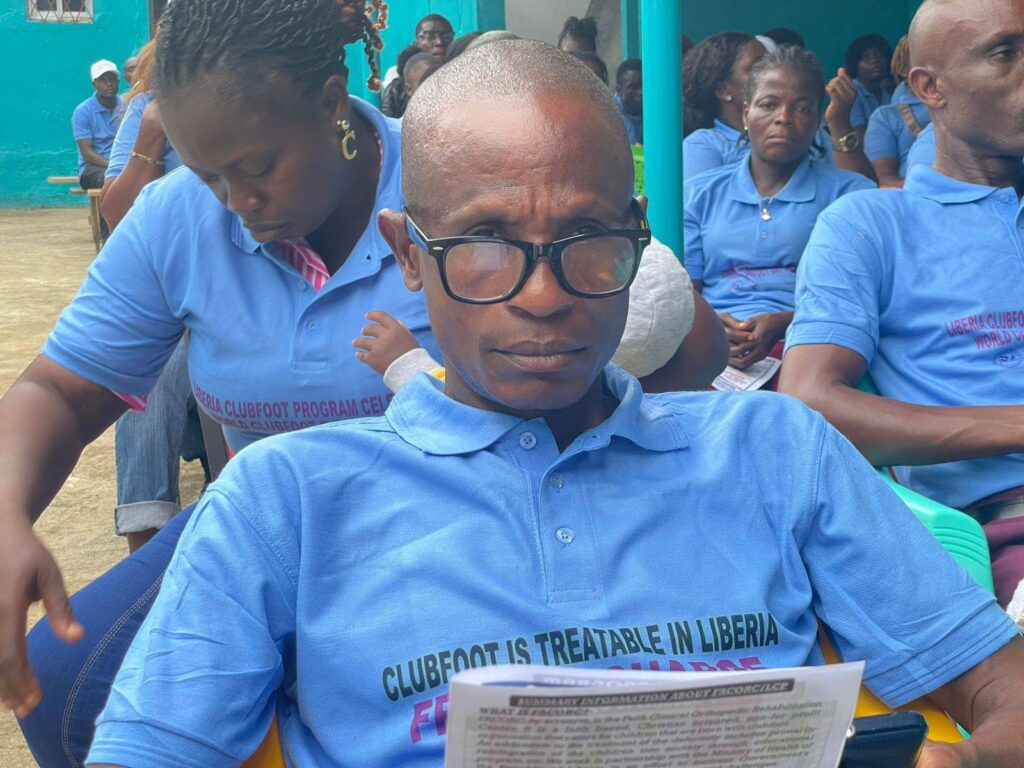
Activities marking the occasion took place at the Faith Medical and Laboratory Clinic in Bassa Town, Red-Light, Paynesville, where health professionals, advocates, parents, and development partners gathered to celebrate progress made in the fight against clubfoot and discuss the future of treatment services in Liberia.
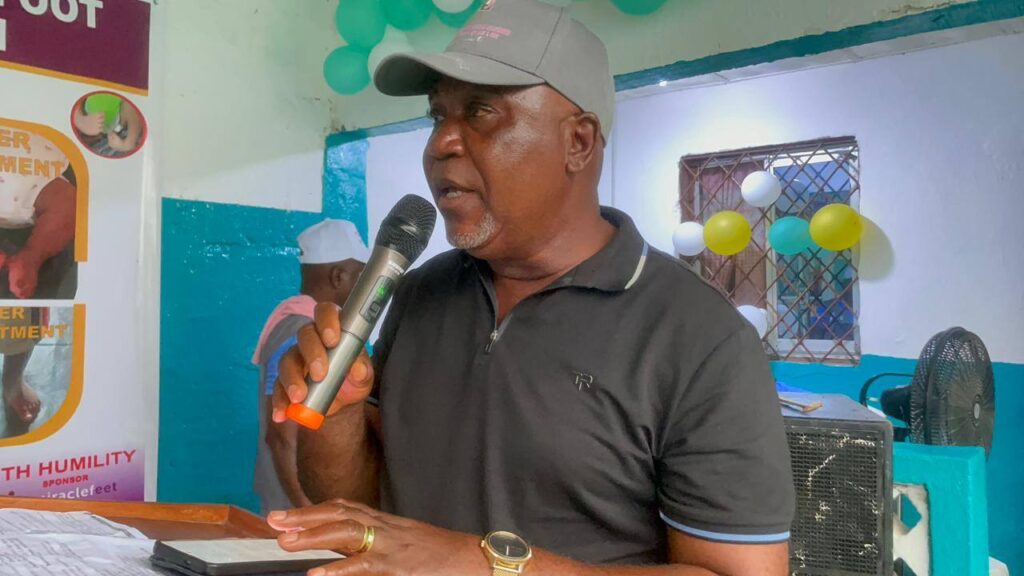
In a message marking the day, Chiewolo extended greetings to children born with clubfoot, their families, healthcare workers, development partners, and advocates in Liberia and around the world.
“Today serves as a reminder that every child deserves the opportunity to walk, run, play, and achieve their full potential regardless of the circumstances of their birth,” Chiewolo said.
A Global Health Challenge
According to international health organizations, clubfoot remains one of the world’s most common congenital musculoskeletal conditions, affecting approximately 200,000 newborns every year worldwide.
Medical experts estimate that the condition affects roughly one out of every 1,000 live births, with nearly 80 percent of cases occurring in low- and middle-income countries where access to treatment remains limited.
Without proper treatment, children born with clubfoot can experience lifelong disability, social exclusion, limited educational opportunities, and economic hardship.
Health experts, however, emphasize that clubfoot is highly treatable through the Ponseti Method—a non-surgical treatment involving a series of corrective casts, minor procedures, and bracing. When treatment begins early, children can grow up to walk, run, play sports, attend school, and live productive lives.
More Than 9,000 Liberians Treated
Speaking during the World Clubfoot Day program, Chiewolo highlighted the remarkable progress made by Liberia’s Clubfoot Program since its establishment in 2011.
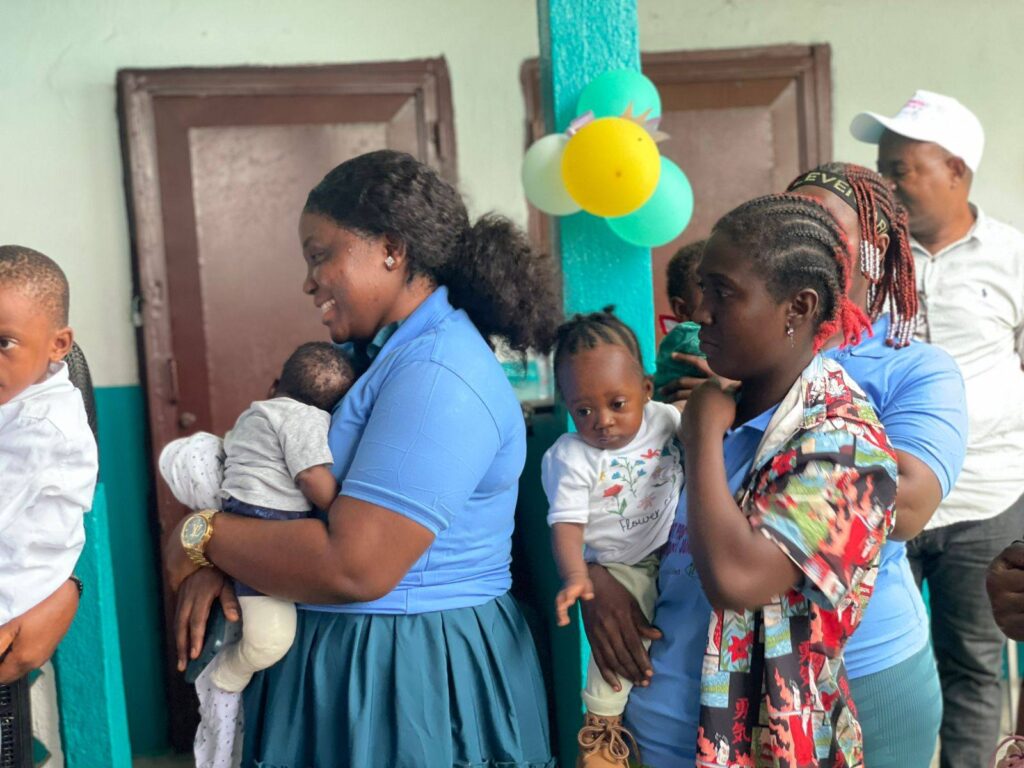
According to him, the program has become one of Liberia’s most successful child health initiatives, providing free treatment and rehabilitation services to more than 9,000 children and beneficiaries nationwide.
The program currently operates in 12 of Liberia’s 15 counties, including Montserrado, Lofa, Bong, Nimba, Grand Bassa, Grand Cape Mount, Grand Gedeh, Maryland, and Bomi counties.
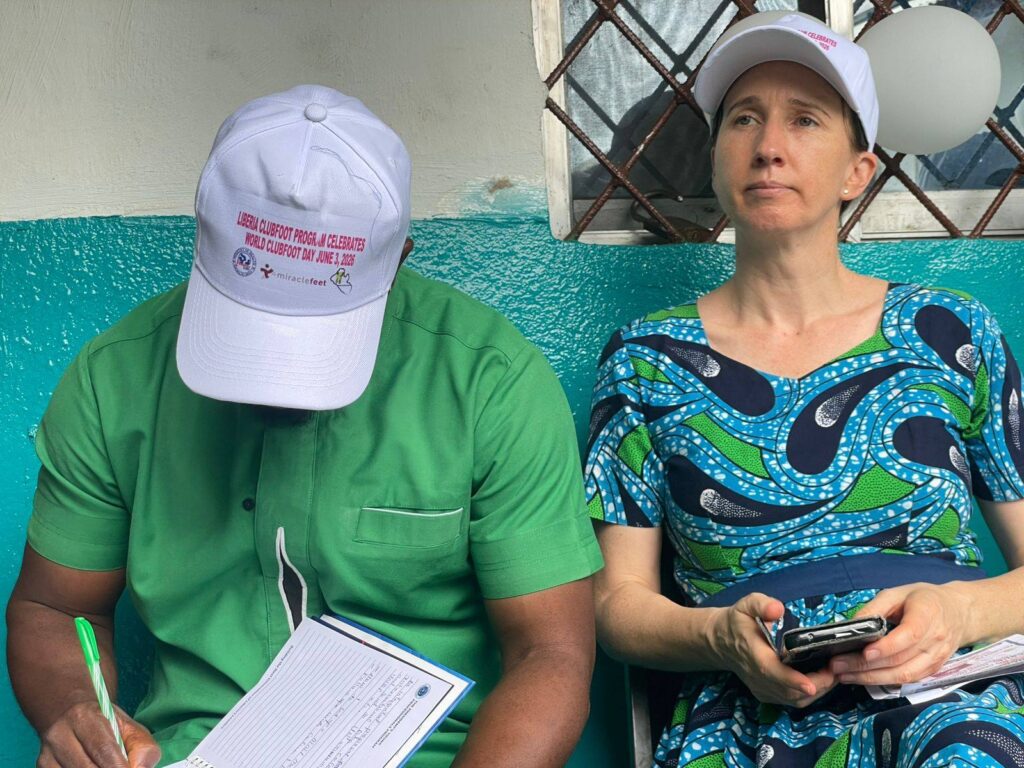
“Thousands of children who once faced a lifetime of disability and stigma are today walking, running, attending school, and participating fully in society because of this program,” Chiewolo noted.
He added that Liberia’s achievements have earned the country recognition within the global clubfoot treatment community. “Liberia is now recognized globally for its achievements in clubfoot treatment, but there is still more work to be done,” he said.
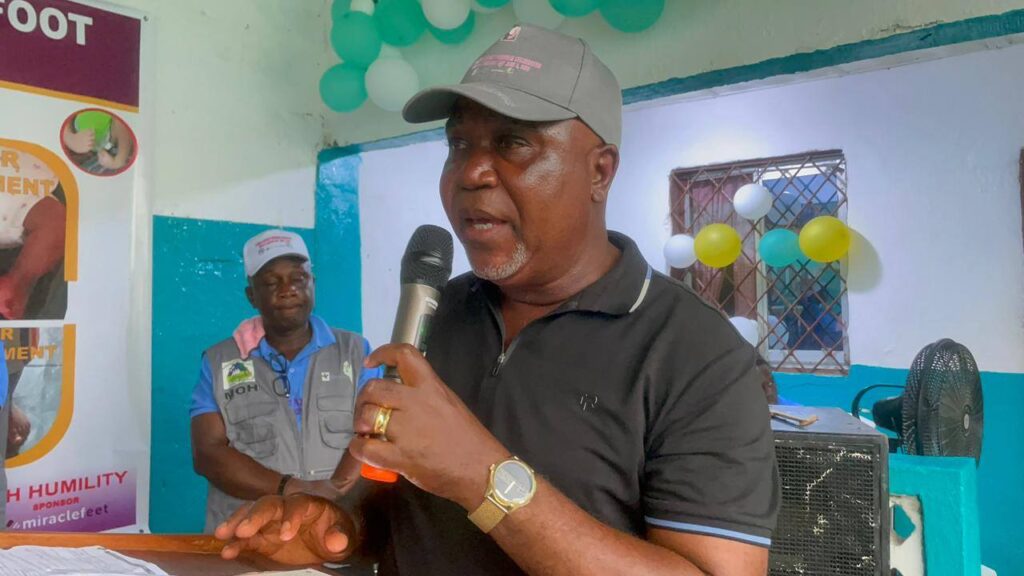
Calls for Government Ownership
While celebrating the program’s achievements, Chiewolo used the occasion to renew calls for increased government support and the eventual nationalization of clubfoot treatment services.
The Lofa County lawmaker, who also serves as Executive Director of the Faith Clinical Orthopedic Rehabilitation Center (FACORC), argued that clubfoot treatment should become a permanent component of Liberia’s public healthcare system.
“Clubfoot treatment is not just a humanitarian intervention; it is a national responsibility,” Chiewolo declared. “We are calling on the Government of Liberia, through the Ministry of Health, to provide greater support and ultimately take over the program so that it can be fully nationalized and integrated into the country’s healthcare system.”
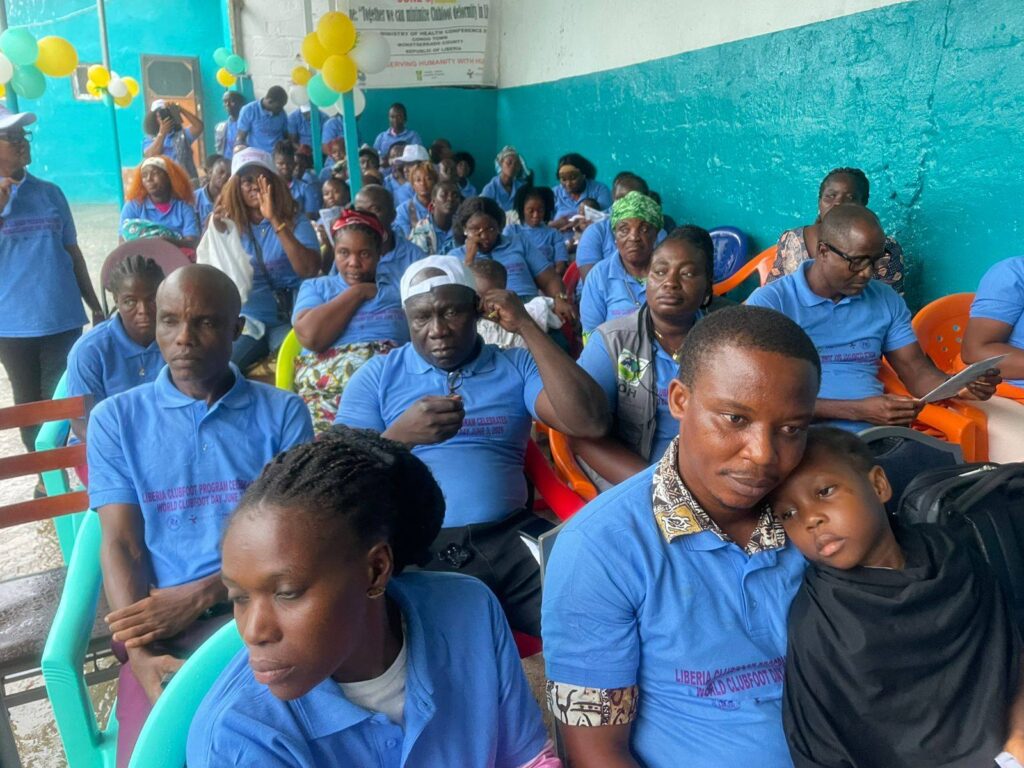
He proposed transforming the existing Liberia Clubfoot Program into a fully government-backed Liberia National Clubfoot Program, ensuring long-term sustainability and expanding access to treatment for children in underserved communities.
According to Chiewolo, national ownership would help eliminate barriers that prevent children from receiving care because of poverty, distance, or lack of awareness.
“This is not an individual program; it is a national program serving Liberian children and families,” he said. “It deserves national ownership and support.”
Partnership Driving Success
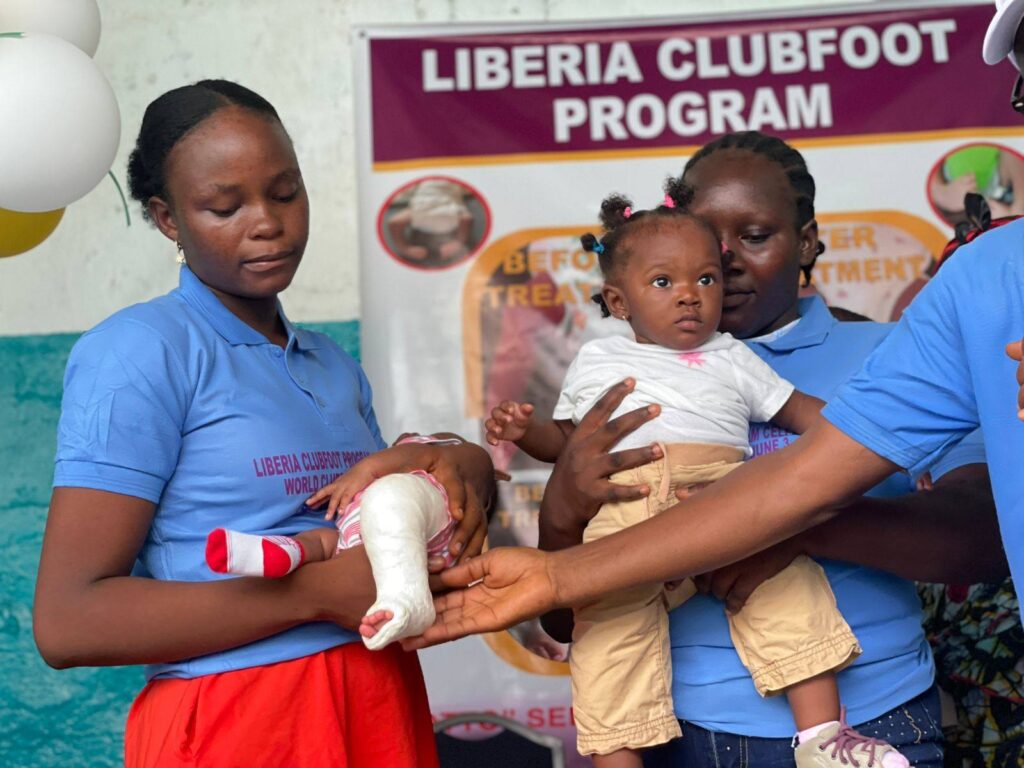
The Liberia Clubfoot Program has been implemented through a collaborative partnership involving FACORC, MiracleFeet, the Ministry of Health, and CHILD, among other stakeholders.
Chiewolo expressed gratitude to these organizations and healthcare professionals for their commitment to improving the lives of children affected by clubfoot across Liberia.
He credited the success of the program to years of partnership, advocacy, training, and public awareness efforts aimed at identifying children early and connecting them with treatment services.
Leaving No Child Behind
Despite the progress made, Chiewolo acknowledged that challenges remain, particularly in reaching children living in remote communities and expanding services to the remaining counties not yet covered by the program.
He stressed that Liberia must continue investing in awareness, early diagnosis, treatment access, and rehabilitation services to ensure that no child is left behind.
“Together, we must continue to strengthen awareness, improve access to treatment, and ensure that every child born with clubfoot receives the care they deserve,” he said.
In keeping with this year’s theme, Chiewolo reaffirmed his commitment to ensuring that every child born with clubfoot in Liberia has access to timely, quality, and free treatment.
“Together, we can build a future where no child is left behind because of clubfoot,” he concluded. “Every child deserves the opportunity to walk, run, learn, and achieve their dreams.”
As Liberia joined countries around the world in celebrating World Clubfoot Day, health advocates say the country’s progress offers a powerful example of how early intervention, strong partnerships, and sustained commitment can transform lives and create opportunities for thousands of children.
Follow The Liberian Post on Facebook and X (formerly twitter)