MONROVIA — A Liberian researcher based in the United States has formally reached out to the British Library seeking access to historic treaties and diplomatic records that define Liberia’s international boundaries, particularly with neighboring Guinea, as concerns over border tensions continue to mount.
In a detailed communication addressed to the world-renowned institution, Jestina Ghartey requested access to archival and manuscript materials related to key 19th and early 20th century agreements that established Liberia’s territorial limits.
Renewed Interest in Historic Treaties
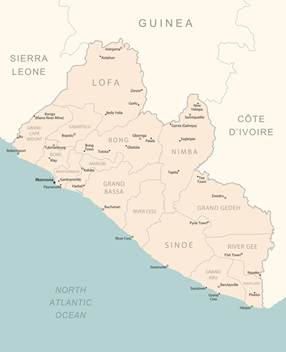
Ghartey’s request comes at a time of heightened public and diplomatic focus on Liberia’s northern border, where recent developments have sparked national debate about sovereignty, historical claims, and legal boundaries.
“As a citizen of Liberia, it is my legal right to access documentation concerning my country’s international boundaries,” she wrote, emphasizing the importance of historical records in informing present-day discussions.
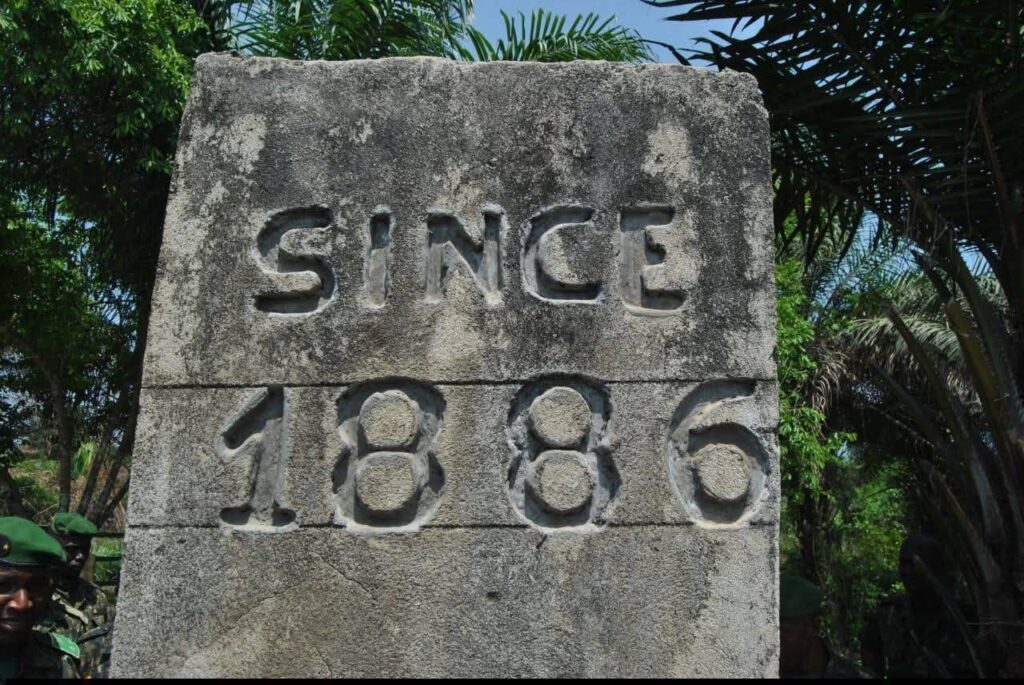
Her inquiry specifically targets landmark agreements involving Liberia and former colonial powers, including Great Britain and France—nations that played central roles in defining West African borders during the colonial era.
Key Documents Requested
Among the documents requested are:
- The 1885 Convention between Great Britain and Liberia, which addressed claims and the northwestern boundary;
- The 1903 Anglo-Liberian frontier agreement, concerning territorial delimitation;
- The 1848 Treaty of Friendship and Commerce between Liberia and Great Britain;
- French-Liberian boundary agreements signed in 1892 and 1907, which helped shape Liberia’s eastern and northern borders;
- And related diplomatic correspondence involving the United States and Liberia.
These treaties are widely regarded as foundational legal instruments underpinning Liberia’s internationally recognized boundaries.
Call for Access and Transparency
Beyond requesting access, Ghartey also sought guidance on how to obtain digital copies, catalog references, and procedures for in-person archival research at the British Library’s Manuscripts Reading Room.
Her appeal underscores growing interest among Liberians—both at home and in the diaspora—in revisiting historical records to better understand the legal basis of the country’s territorial integrity.
Context of Current Tensions
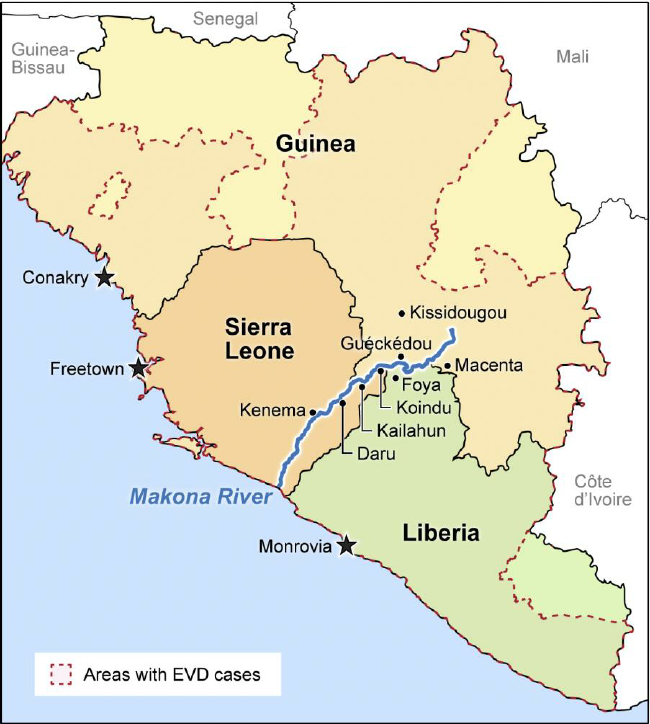
The request comes against the backdrop of ongoing diplomatic engagement between Liberia and Guinea following reports of border incursions in Lofa County.
While the Government of Liberia has emphasized dialogue and regional cooperation, analysts say historical treaties could play a critical role in clarifying longstanding boundary questions and guiding peaceful resolution efforts.
Diaspora Engagement in National Issues
Ghartey’s initiative also highlights the increasing role of the Liberian diaspora in national discourse, particularly on issues of sovereignty, governance, and historical accountability.
Observers note that access to archival materials held in foreign institutions—such as the British Library—remains essential for countries like Liberia, whose colonial-era agreements are often preserved outside the continent.
As Liberia navigates a sensitive moment in its border relations, efforts like Ghartey’s may contribute to a deeper understanding of the country’s legal and historical foundations—providing context for diplomacy and reinforcing claims rooted in documented international agreements.
Follow The Liberian Post on Facebook and X (formerly twitter).