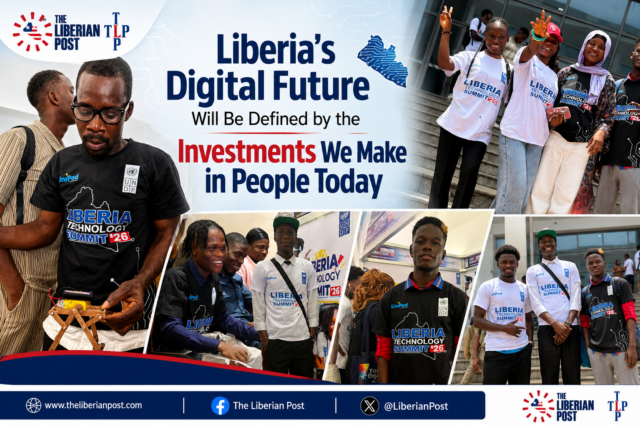
MONROVIA, Liberia – Liberia stands at a defining moment in its development journey. Across the globe, digital technologies are reshaping economies, transforming governance, creating new industries and redefining how citizens interact with public services. For Liberia, embracing digital transformation is no longer optional—it is essential to achieving sustainable economic growth, improving governance and expanding opportunities for its people.
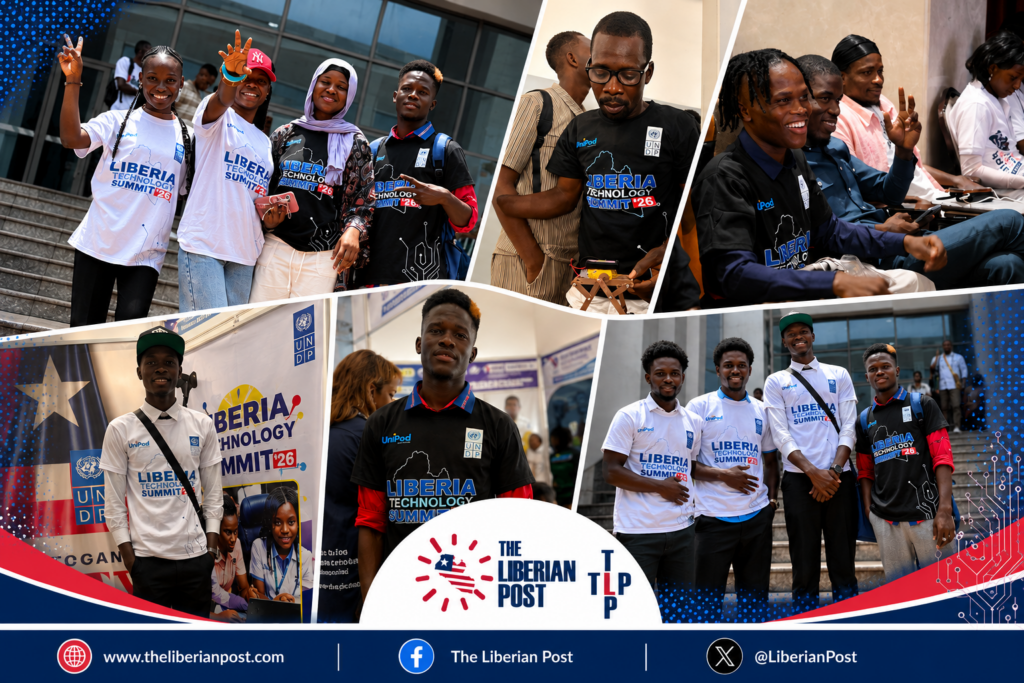
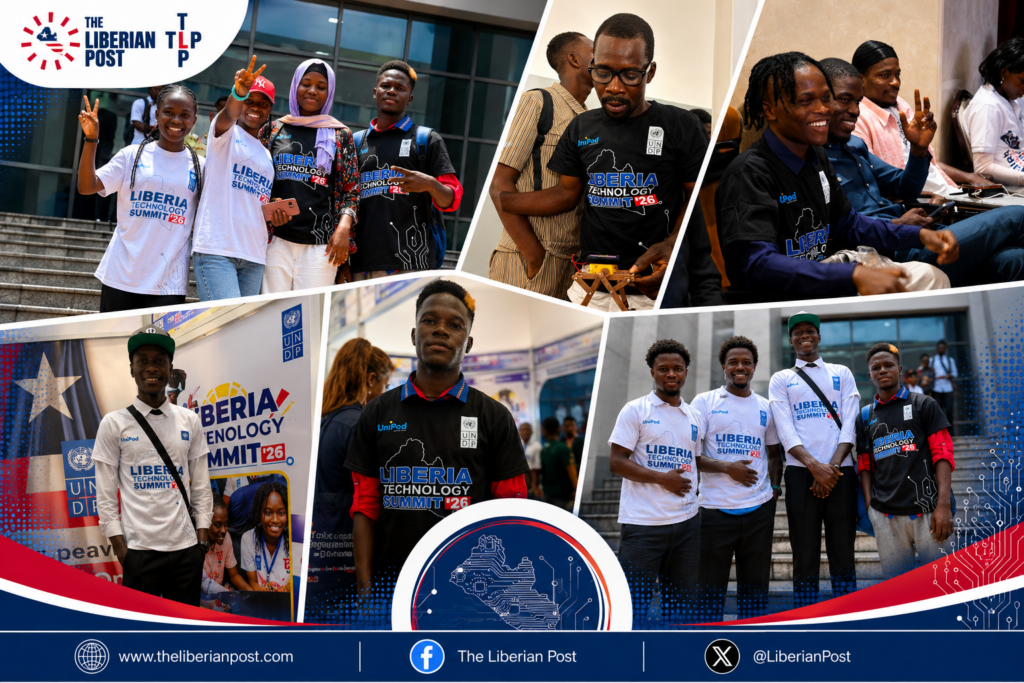
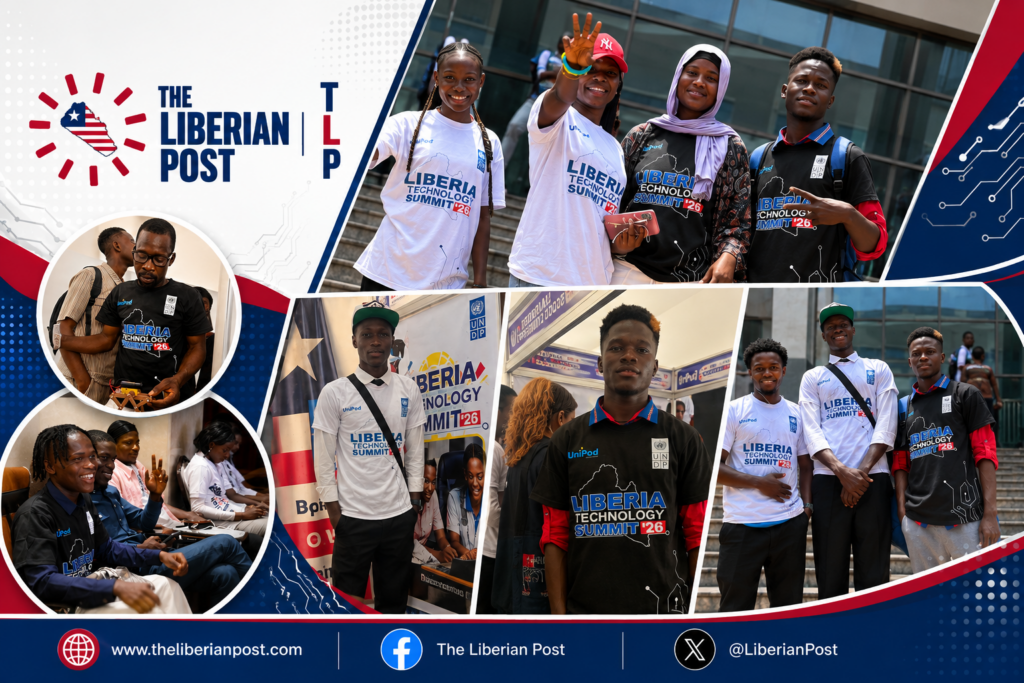
That vision took center stage at the Liberia Technology Summit 2026, held under the themes “Connecting Innovation with Opportunity” and “Government Digital Transformation: Building a Smarter Liberia.” The two-day summit reflected a growing national consensus that technology must serve as a catalyst for inclusive development, entrepreneurship, job creation, innovation and more efficient public service delivery.
Bringing together leaders from government, academia, the private sector, development partners and Liberia’s growing community of young innovators, the summit showcased the country’s expanding digital ambitions while reinforcing a fundamental message: technology is only meaningful when it improves people’s lives.
President Joseph Nyuma Boakai, Sr. reaffirmed his administration’s commitment to making digital transformation a cornerstone of national development, describing technology as critical to strengthening governance, expanding economic opportunities, promoting transparency and creating jobs for Liberians.
His decision to declare July 21 as Technology Day, institutionalize the Liberia Technology Summit and establish the Office of Technology, Digitalization and Innovation (OTDI) through Executive Order No. 163 demonstrates a clear commitment to positioning technology at the center of Liberia’s modernization agenda.
For the United Nations Development Programme (UNDP), however, digital transformation is not simply about technology—it is about people.
Speaking during the summit, UNDP Resident Representative Aliou Mamadou Dia urged policymakers and stakeholders to measure progress not by the sophistication of digital tools but by the opportunities those innovations create for ordinary citizens.
“Technology, by itself, is not enough. The real measure of progress is whether innovation creates opportunities for people—opportunities for young people to find jobs, for entrepreneurs to build businesses, for students to become innovators, and for government institutions to better serve citizens.”
Dia emphasized that Liberia’s greatest competitive advantage lies in its people, particularly its youthful population. He called for sustained investments in artificial intelligence (AI), cybersecurity, coding, data science, entrepreneurship and innovation, describing these sectors as critical to Liberia’s long-term competitiveness and economic resilience.
“Young Liberians have the talent to compete globally. Our responsibility is to create an environment where that talent can flourish.”
He challenged Liberia to move beyond simply consuming imported technologies and instead become a producer of homegrown digital solutions capable of addressing national challenges while creating jobs and driving economic growth.
Investing in Liberia’s Innovation Ecosystem
UNDP says that vision is already taking shape through an expanding portfolio of digital transformation initiatives across Liberia.
At the heart of these efforts is the Timbuktoo Initiative, UNDP Africa’s flagship innovation platform designed to position Africa as a global hub for entrepreneurship and technology-driven development.
Through this initiative, UNDP has partnered with the University of Liberia to establish the University Innovation Pod (UniPod)—an innovation hub that provides students, entrepreneurs and young innovators with access to innovation laboratories, digital fabrication tools, coding programs, mentorship, business incubation services, design-thinking methodologies and emerging technologies.
More than just a physical workspace, the UniPod is intended to serve as a launchpad where innovative ideas can evolve into commercially viable businesses, creating jobs while strengthening Liberia’s innovation ecosystem.
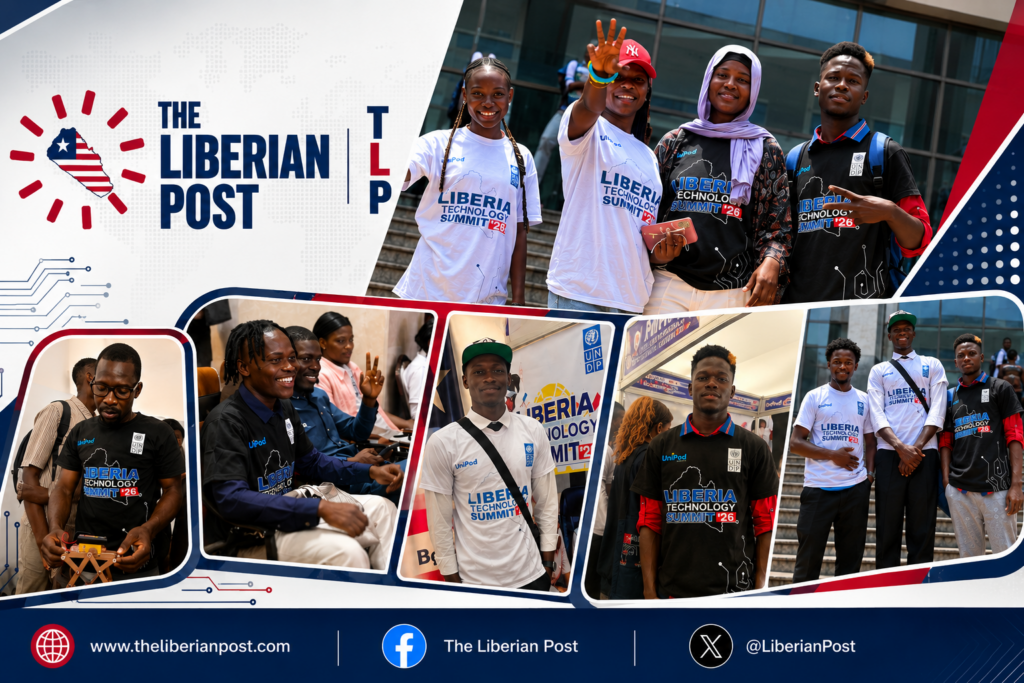
Recognizing the transformative impact of artificial intelligence, UNDP also announced a landmark partnership with the University of Liberia to establish the country’s first Master’s Degree Program in Artificial Intelligence.
The programme aims to develop a new generation of Liberian AI researchers, engineers, entrepreneurs, innovators and policymakers capable of leading the country’s digital transformation.
As artificial intelligence increasingly shapes global economies, industries and public institutions, investing in advanced digital education has become essential if Liberia is to compete effectively in the rapidly evolving global knowledge economy.
Ensuring No One Is Left Behind
UNDP is also collaborating with partners, including Orange Liberia, to expand digital literacy and digital skills development opportunities for young people across the country.
These partnerships are helping bridge the digital divide while ensuring that more Liberians acquire the knowledge and technical competencies needed to participate meaningfully in the digital economy.

Beyond skills development, UNDP continues to support entrepreneurship and innovation ecosystems that enable young people to establish businesses, attract investment and create employment opportunities.
The organization emphasizes that digital transformation must remain inclusive, ensuring that women, youth, persons with disabilities, rural communities and other underserved populations benefit equally from technological progress.
Ultimately, the success of Liberia’s digital transformation will not be measured solely by technological advancement but by its ability to improve lives, expand economic opportunities and ensure that no one is left behind.
Modernizing Government Through Digital Innovation
UNDP is supporting Liberia’s digital agenda through investments in GovTech, Artificial Intelligence for Government, Digital Public Infrastructure (DPI) and broader digital governance initiatives designed to strengthen institutions, improve service delivery and promote more transparent, efficient and citizen-centered governance.
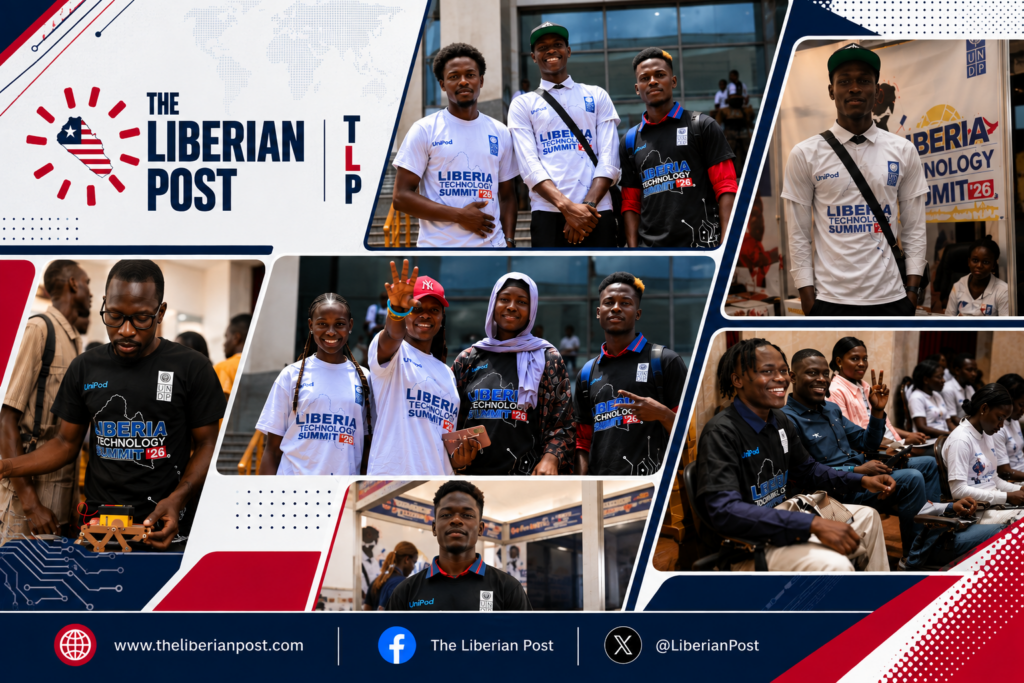
The establishment of the Office of Technology, Digitalization and Innovation (OTDI) provides an institutional framework for coordinating digital reforms across government.
UNDP welcomed President Boakai’s decision to establish the Office, describing it as an important milestone in building a more modern, technology-enabled public sector capable of delivering better services to citizens.
Partnerships Will Shape Liberia’s Digital Future
One of the summit’s clearest messages was that no single institution can deliver Liberia’s digital transformation alone.
Government, universities, the private sector, development partners, investors and civil society must continue working together to expand digital infrastructure, nurture innovation, strengthen human capital and create opportunities for future generations.
A Future Being Built Today
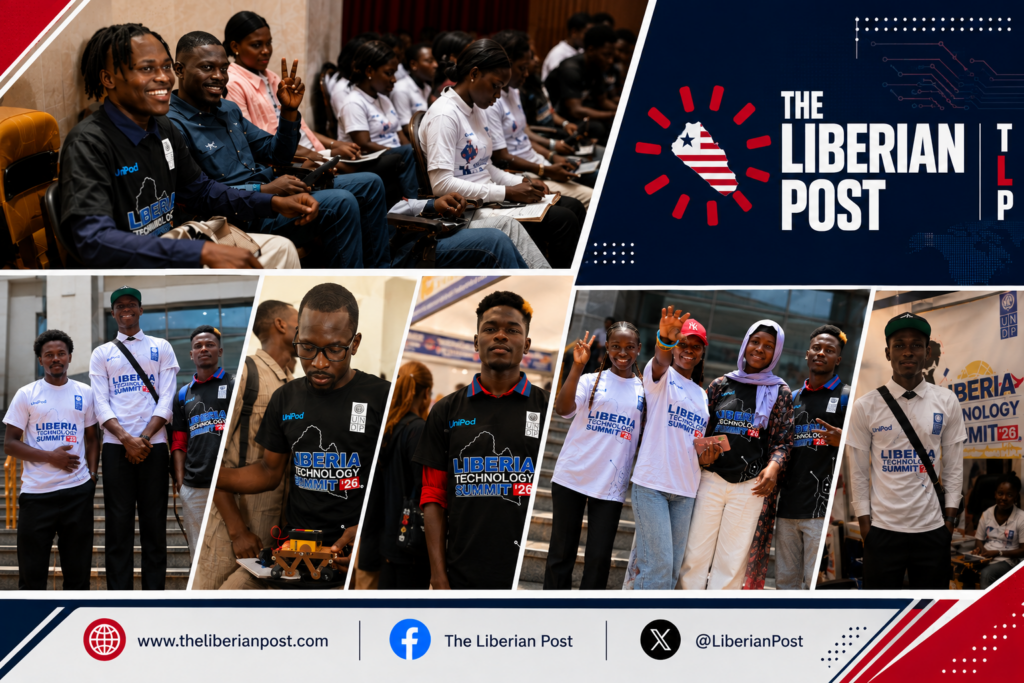
Liberia possesses both the talent and the ambition to succeed in the digital age. Realizing that potential, however, will require sustained investments in people, innovation, digital infrastructure and entrepreneurship.
UNDP reaffirmed its commitment to working alongside the Government of Liberia, academic institutions, the private sector and young innovators to build an inclusive digital economy that creates jobs, strengthens public institutions and accelerates sustainable development.
As Liberia embarks on its digital transformation journey, one message from the summit resonated above all others: the country’s digital future will ultimately be determined not by technology alone, but by the investments it makes today in its greatest resource—its people.
For breaking news, in-depth analysis, and exclusive reports from Liberia and around the world, follow The Liberian Post on Facebook (https://web.facebook.com/profile.php?id=61576017166570) and X, formerly Twitter (https://x.com/LiberianPost).