-As Liberia Grapples with a High-Profile Death Investigation, Experts Question Whether the System Failed to Define the Limits of Forensic Practice
MONROVIA – The legal battle surrounding Dr. Rockefeller F. Cooper II’s controversial autopsy in the Toni Khumalo Jackson case is rapidly evolving into something much larger than a courtroom dispute.
What began as a technical legal argument over professional qualifications is now raising profound national questions about Liberia’s forensic standards, institutional coordination, and the consistency of its justice system.
At the center of the debate is a critical issue: Did Liberia’s medical and judicial institutions clearly define what Dr. Cooper was legally authorized to do before later rejecting his work?
Who Exactly Is Dr. Cooper?
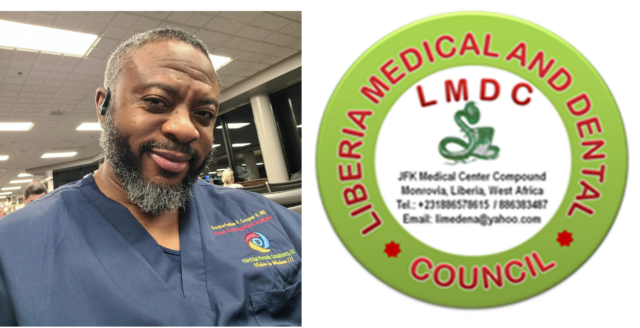
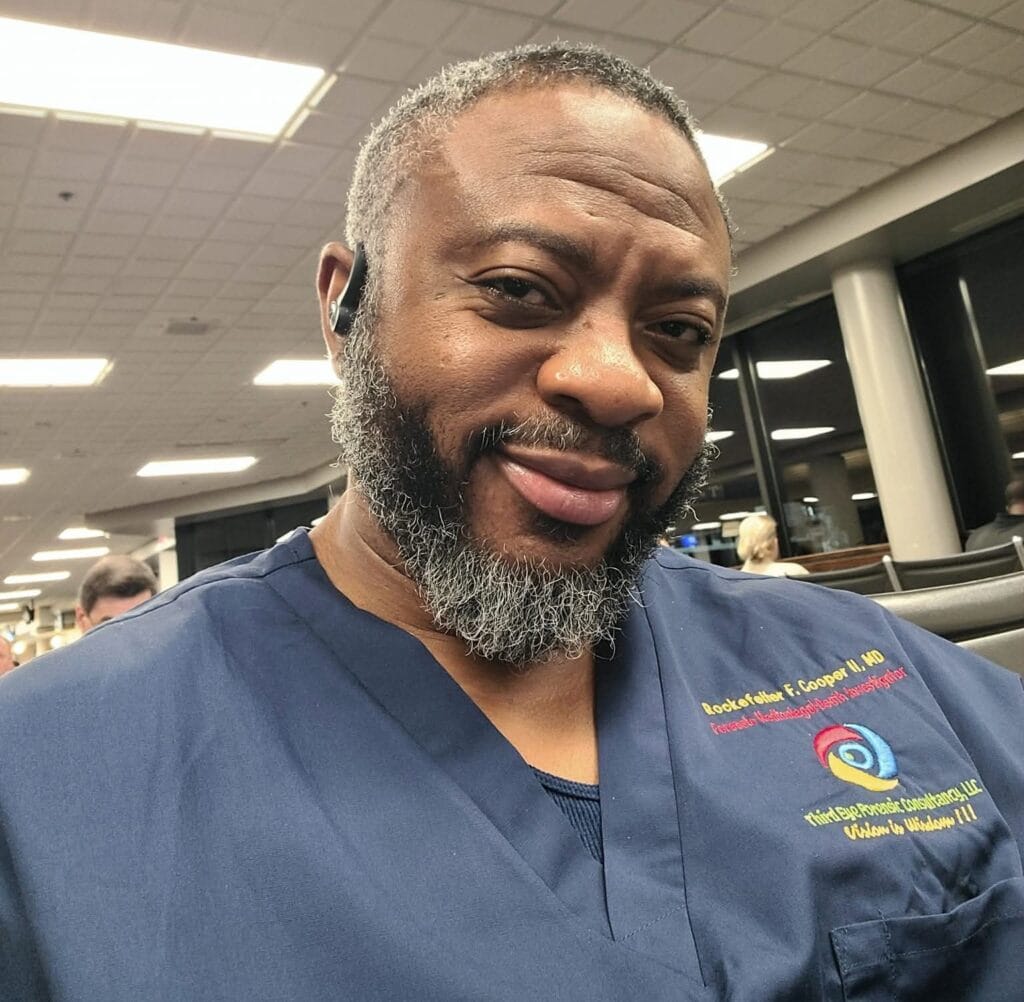
Dr. Rockefeller F. Cooper II is a Liberian forensic professional based in the United States who has reportedly spent more than a decade working in medico-legal death investigation and forensic examination.
When he sought authorization to practice in Liberia, records indicate that he did not apply as a forensic pathologist.
Instead, he applied specifically as a “Forensic Medico-Legal Death Investigator.”
That distinction is now at the heart of the national controversy.
Supporters of Dr. Cooper argue that the current public narrative falsely suggests he misrepresented himself as a pathologist when, according to available documents, he repeatedly clarified that he was not seeking recognition under that title.
Critics, however, maintain that regardless of title, performing an autopsy requires the expertise and legal authority of a certified pathologist.
The Court’s Reversal
Criminal Court “A” initially granted Dr. Cooper authorization to conduct a second autopsy on Toni Jackson’s remains after the defense team challenged earlier findings connected to her death.
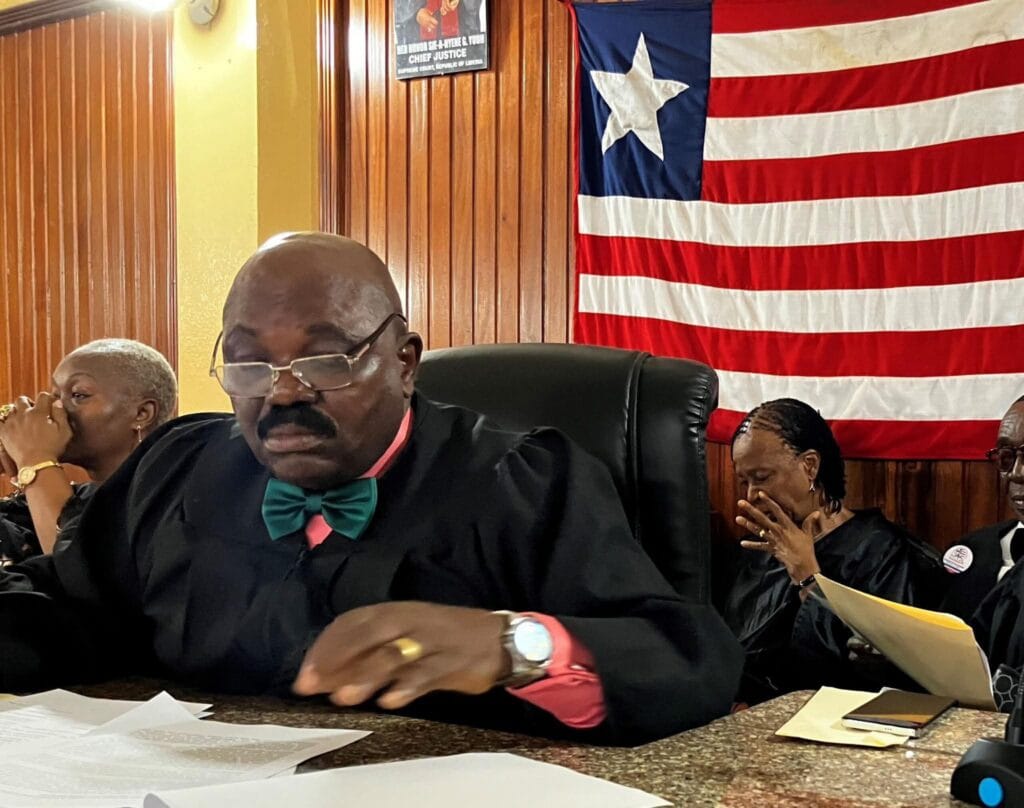
But weeks later, Judge Roosevelt Z. Willie reversed course.
The court ruled that although Dr. Cooper was properly licensed as a forensic death investigator, he was not legally qualified to perform an autopsy because he is not a pathologist.
The ruling declared the autopsy “null and void ab initio.”
The decision immediately sparked criticism from some legal analysts who argued that the court itself had previously accepted Dr. Cooper’s credentials before later invalidating his work.
“This is where the controversy deepens,” one observer noted. “The issue is no longer simply whether Dr. Cooper is a pathologist. The issue is whether the institutions themselves created confusion over what his license permitted.”
Did Liberia Create a Regulatory Gray Area?
The growing dispute is exposing what many experts describe as a major regulatory vacuum within Liberia’s medico-legal system.
Unlike many developed jurisdictions, Liberia lacks an expansive forensic regulatory structure with clearly codified distinctions governing:
- forensic pathology,
- medico-legal death investigation,
- postmortem examinations,
- evidence recovery,
- and forensic reporting.
Legal analysts say this may have contributed to the current confusion.
Some experts argue that Liberia’s institutions may have licensed a forensic specialization without fully defining its practical operational boundaries.
Others say the controversy reflects broader institutional weaknesses within the country’s justice and healthcare systems.
International Standards vs. Local Interpretation
Another layer of the controversy involves the difference between international forensic practices and Liberia’s local interpretation of medico-legal work.
In the United States, forensic death investigations are often conducted through collaborative systems involving:
- forensic pathologists,
- medical examiners,
- forensic investigators,
- toxicologists,
- and crime-scene specialists.
Supporters of Dr. Cooper argue that Liberia may be narrowly interpreting modern forensic practices through a traditional lens that does not fully reflect evolving international systems.
Critics reject that argument, insisting that Liberia must apply strict standards when determining admissibility of evidence in criminal proceedings.
The Public Still Has Not Seen the Findings
Perhaps the most politically sensitive issue is that Dr. Cooper reportedly completed the autopsy before the court invalidated it. Yet the findings remain unreleased.
That reality has generated growing speculation among sections of the public who now wonder whether potentially important forensic conclusions may never become part of public discussion.
Legal experts caution that the court’s ruling only affects whether the findings can be formally used in the ongoing criminal proceedings.
However, the larger public interest surrounding the death of Toni Jackson continues to intensify calls for transparency and independent forensic review.
A Case That May Shape Future Forensic Law
Regardless of how the Samuel P. Jackson case ultimately concludes, the Cooper controversy may have already achieved something significant: exposing major gaps in Liberia’s forensic governance system.
The case is now likely to influence future debates involving:
- forensic licensure,
- judicial admissibility standards,
- medico-legal procedures,
- and institutional accountability.
For many observers, the controversy is no longer simply about one autopsy.
It is about whether Liberia’s justice and medical systems are adequately prepared to handle modern forensic investigations in high-profile criminal cases.
Follow The Liberian Post on Facebook and X (formerly twitter).