-President Raises Concerns Over Illegal Mining, Growing Burkinabè Population, Ebola Preparedness, and Excessive Foreign Travel
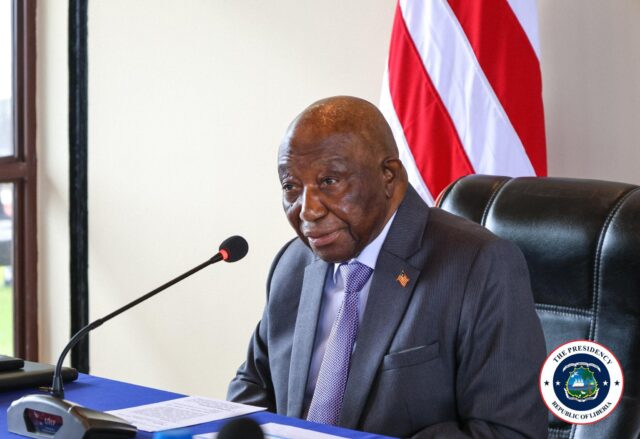
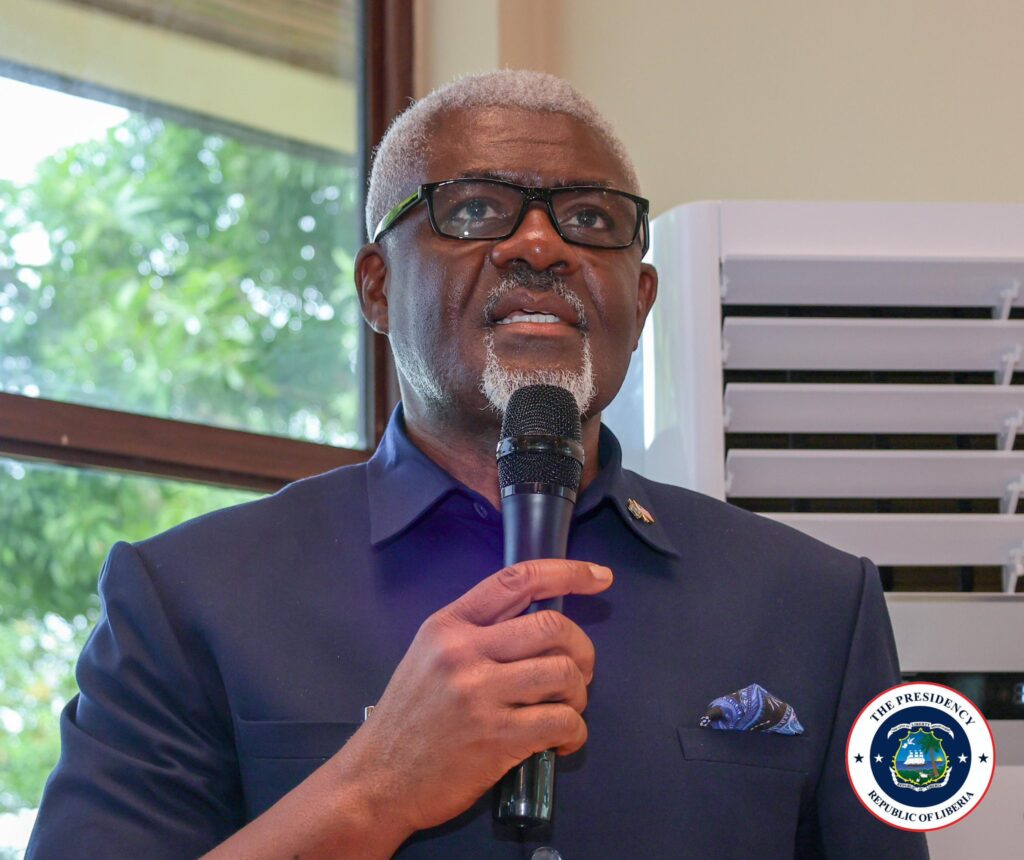
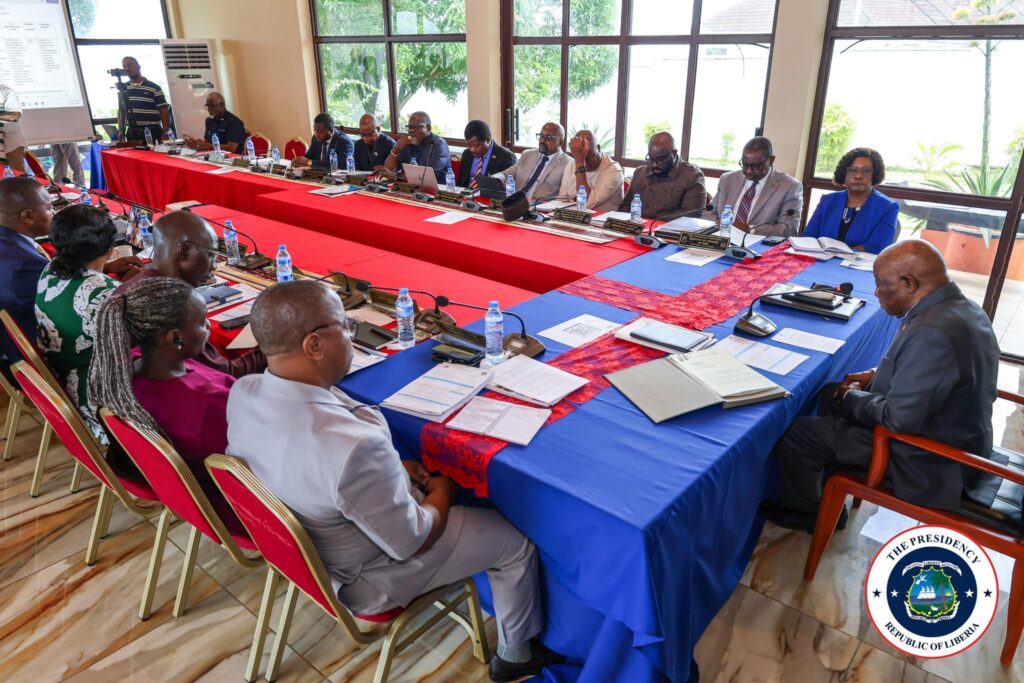
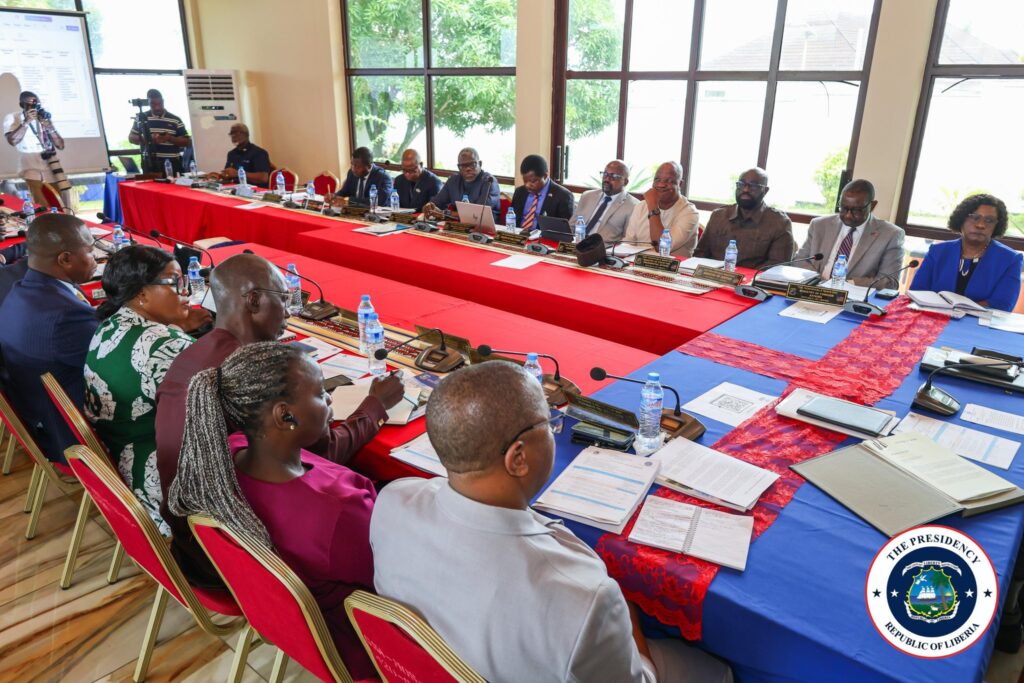
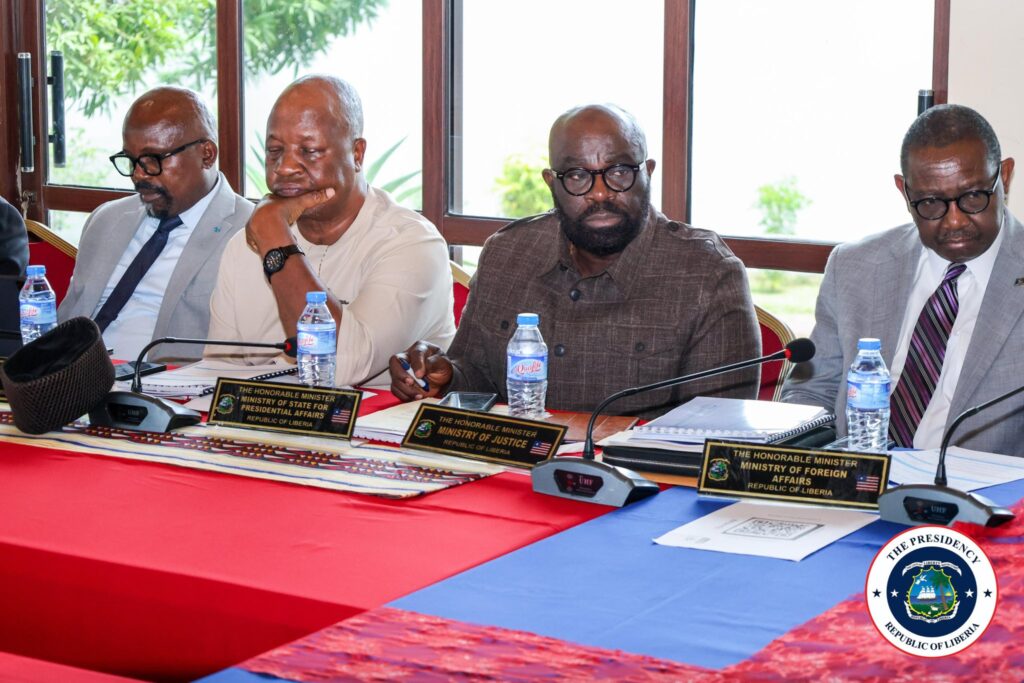
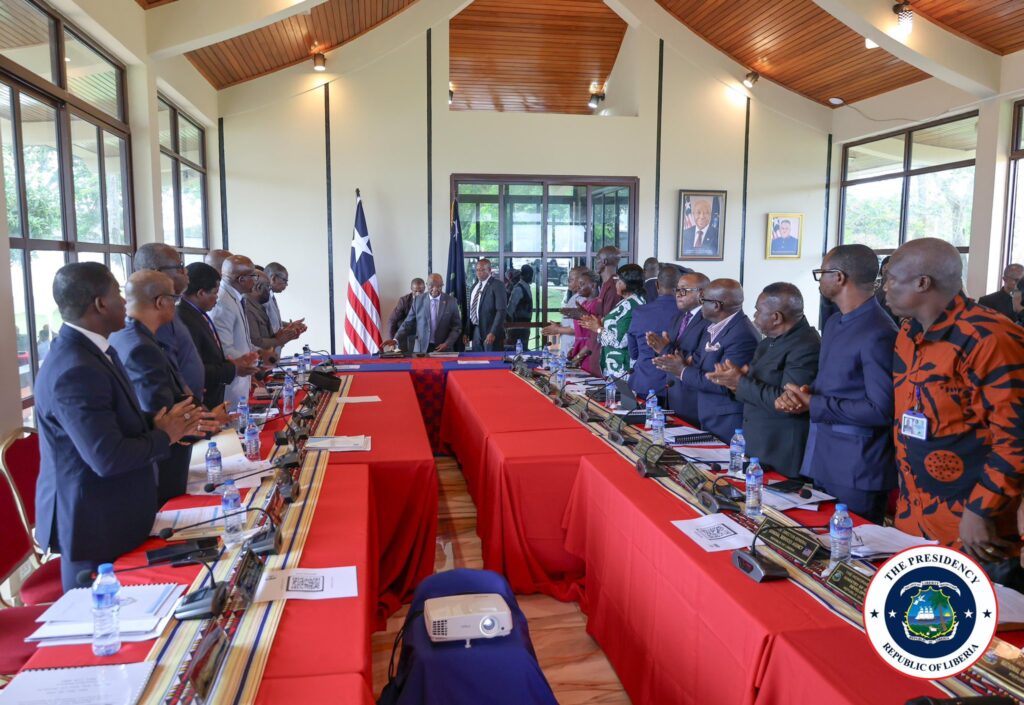
MONROVIA, Liberia – President Joseph Nyuma Boakai, Sr. on Thursday, May 28, chaired his administration’s fifth Cabinet meeting of 2026, using the occasion to challenge government officials to intensify efforts in service delivery, job creation, local governance reforms, and the protection of Liberia’s natural resources amid growing security and public health concerns.
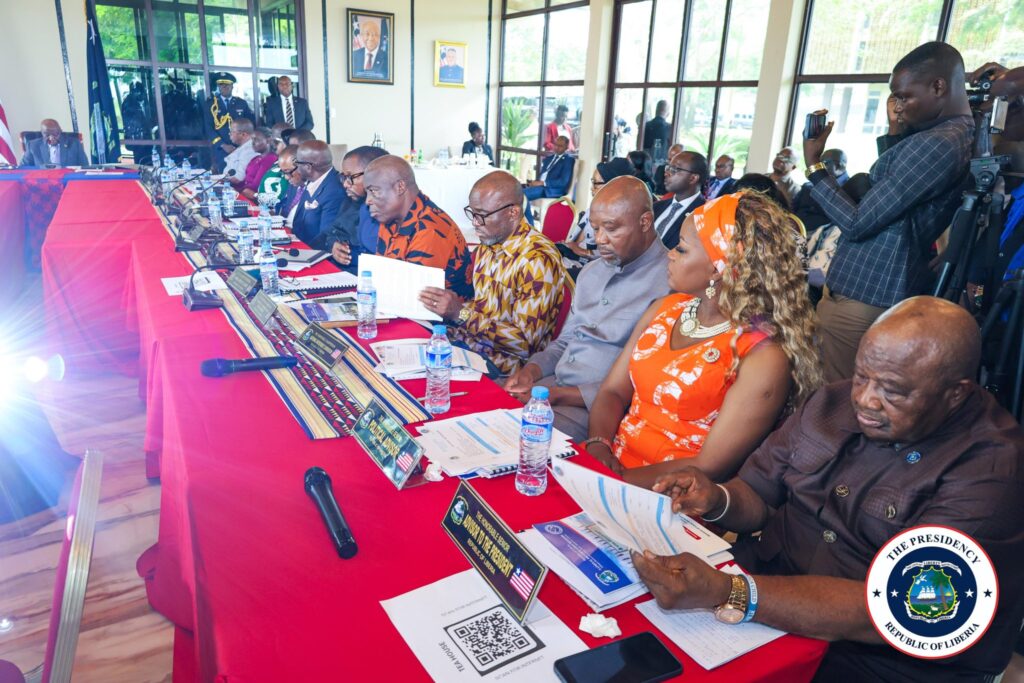
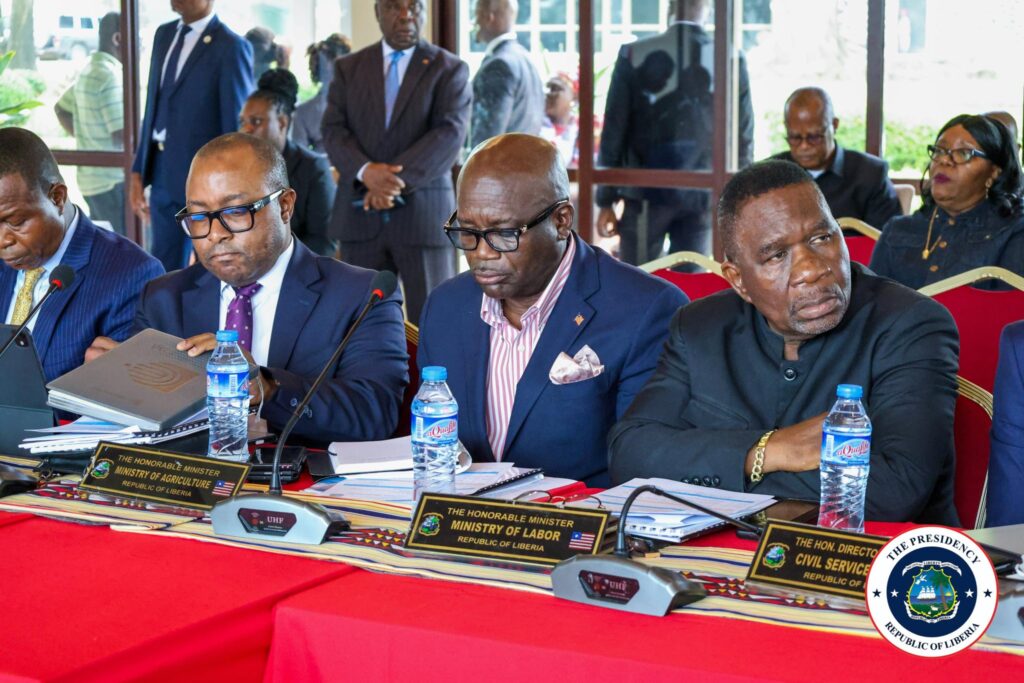
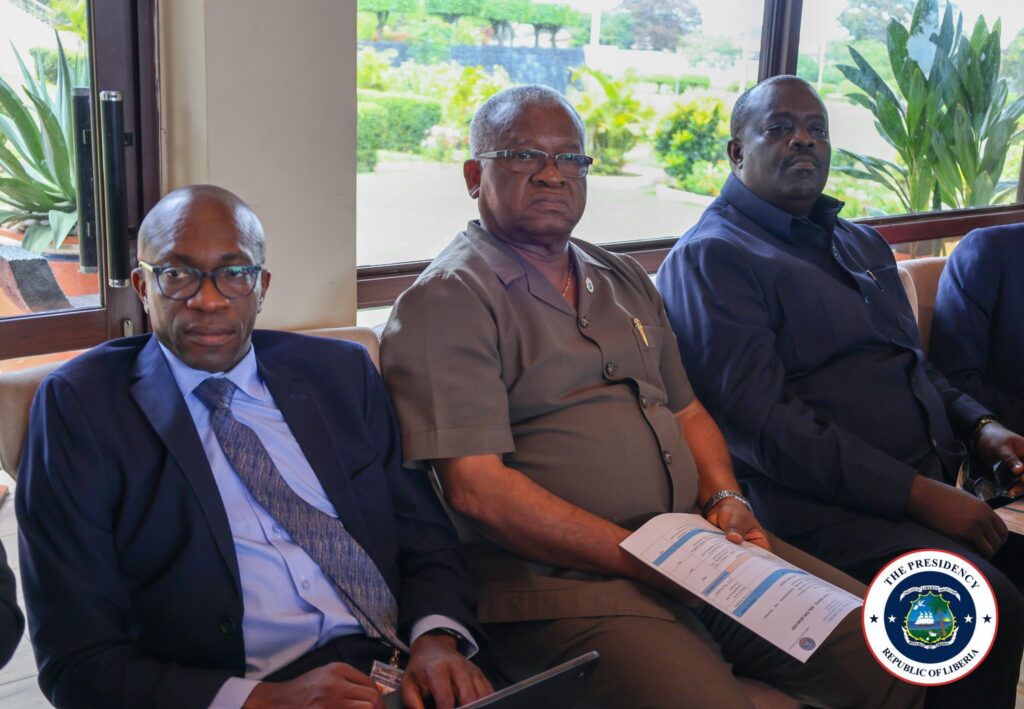
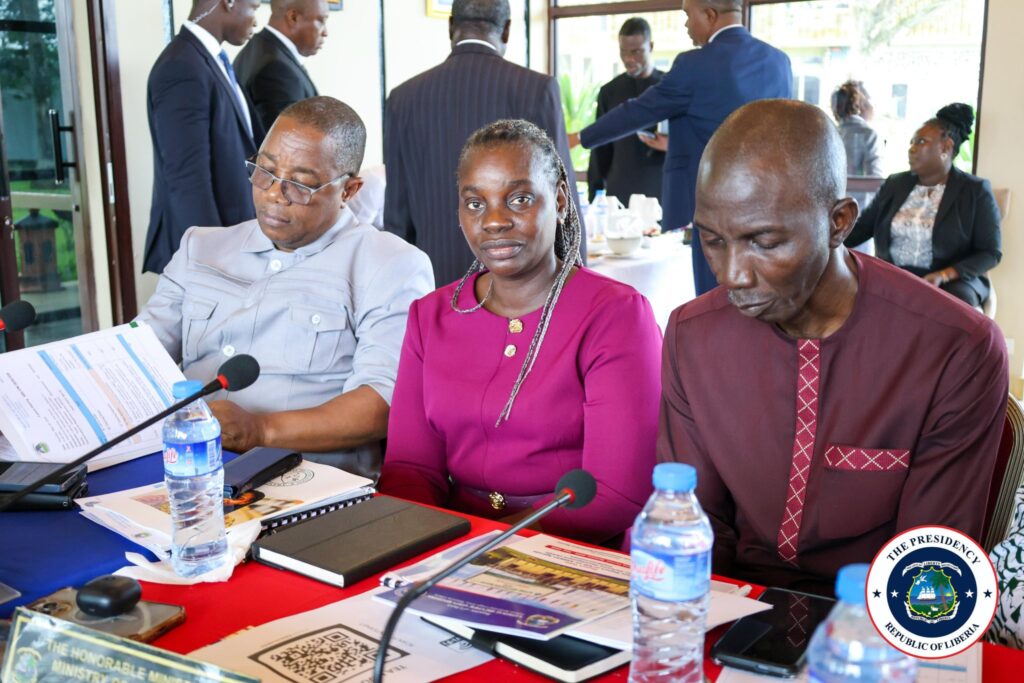
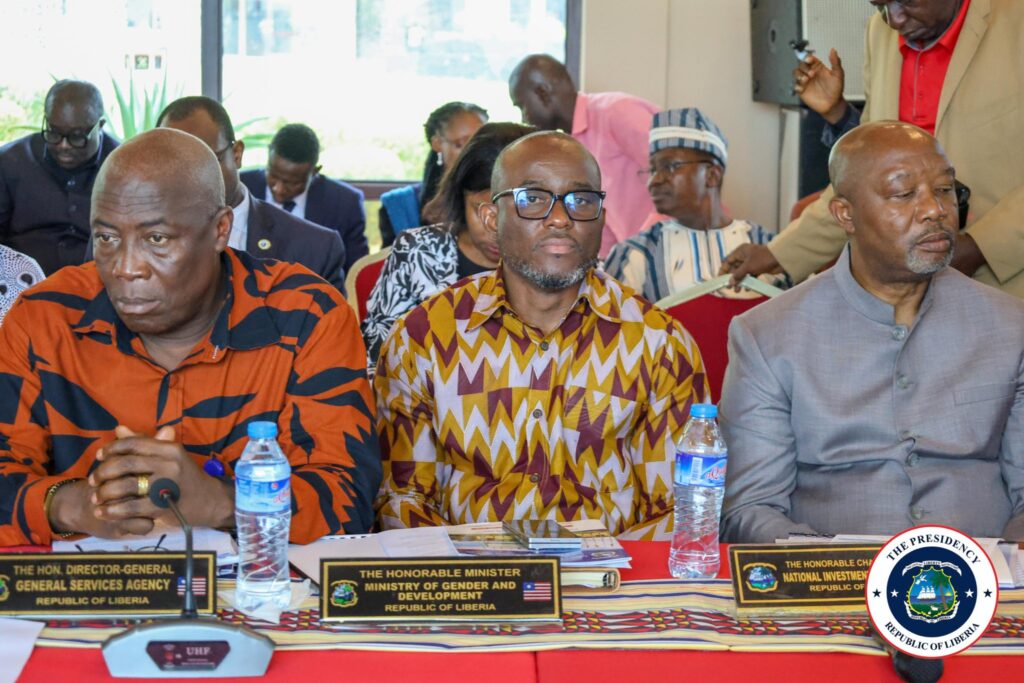
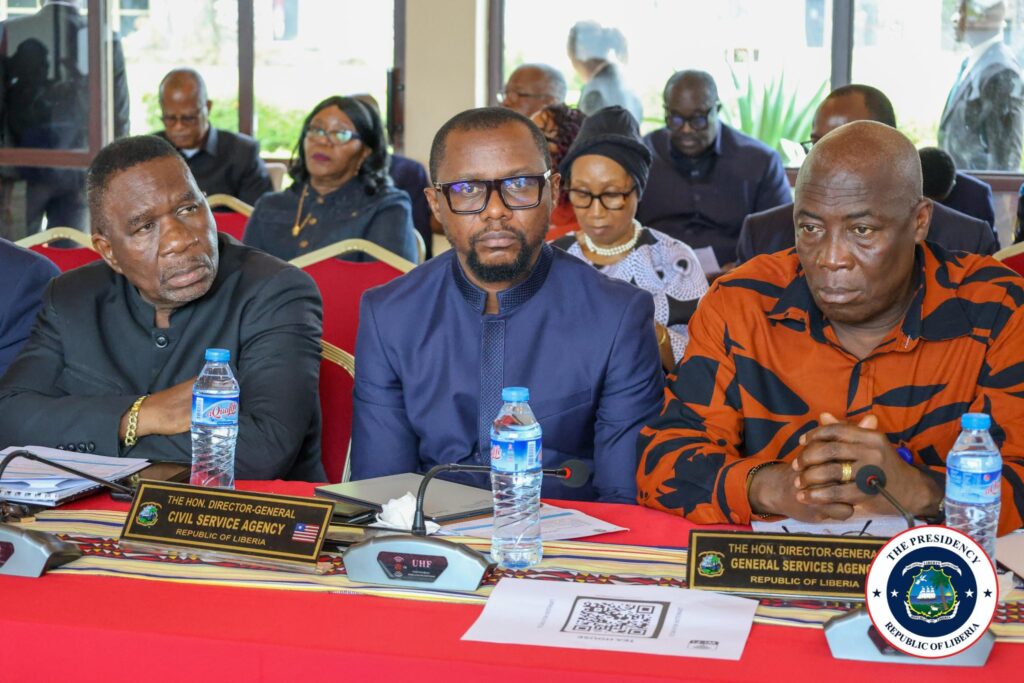
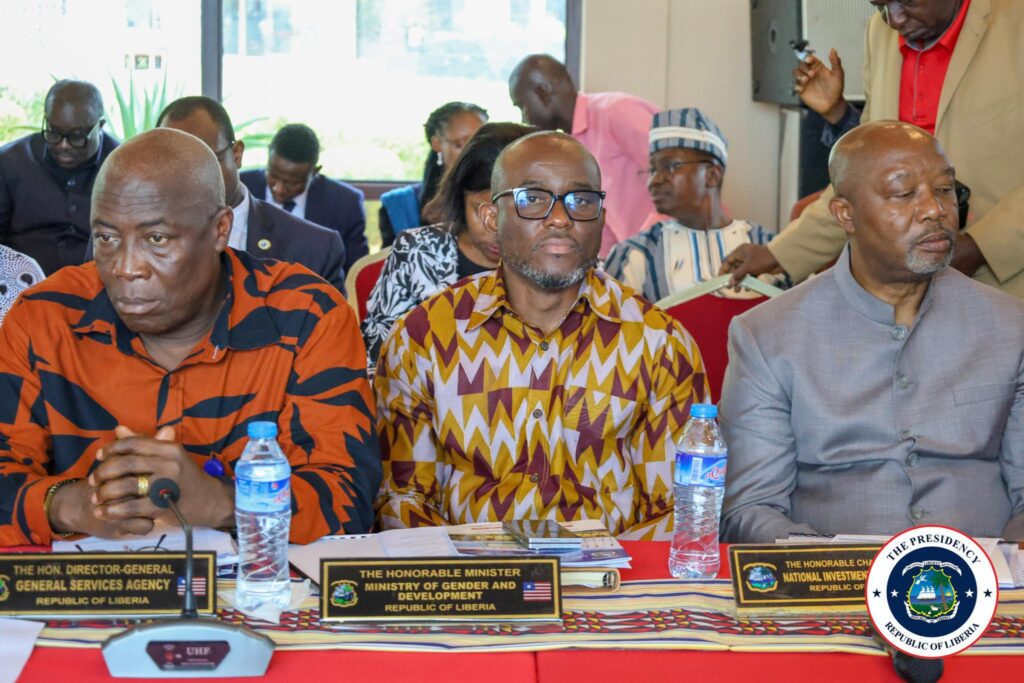
The meeting, held at the Tea House on the grounds of the Executive Mansion, brought together Cabinet ministers, heads of government agencies, senior officials, and advisors to review key national priorities and assess progress on government programs.
Addressing members of the Cabinet, President Boakai emphasized that Cabinet meetings remain central to effective governance because they serve as a platform for information sharing, policy coordination, and decision-making that directly affects the lives of Liberians.
“These Cabinet meetings play a very important role in the running of the nation because it is where we share information and take decisions that affect the lives of our people,” President Boakai said.
He thanked government officials for their continued service and sacrifices, urging them to remain focused on delivering tangible results for ordinary Liberians despite criticism and public scrutiny.
“We talk about jobs, service delivery, social media and many other issues, but what you should be mindful of is whether or not you are serving the Liberian people to the best of your ability,” he told Cabinet members.
Lofa Road Project Highlighted
President Boakai used the meeting to brief Cabinet members on the recent groundbreaking ceremony for the Voinjama-to-Mendikorma road project in Lofa County, describing it as a major milestone in Liberia’s regional connectivity agenda.
The project forms part of the broader Gbarnga-Mendikorma highway corridor and is expected to strengthen trade and transportation links between Liberia and neighboring Sierra Leone.
According to the President, officials and citizens from Sierra Leone and Guinea joined Liberians during the groundbreaking ceremony, reflecting the regional significance of the infrastructure project.
The road initiative aligns with the administration’s broader efforts to improve transportation networks under the ARREST Agenda for Inclusive Development.
Travel Restrictions and Government Efficiency
The Liberian leader also defended his recent directive restricting non-essential foreign travel by Cabinet ministers and senior government officials.
He noted that while international engagements remain important, excessive travel often disrupts government operations and delays the implementation of critical programs.
President Boakai encouraged officials to take advantage of virtual platforms such as Zoom and other digital communication tools whenever possible.
“Some of the trips that could be deferred or handled through virtual meetings should be reconsidered so that we spend more time delivering for the Liberian people,” he said.
The President further stressed the importance of monitoring and implementing Cabinet decisions, warning that inadequate follow-up can undermine government credibility and effectiveness.
Concern Over Issues with Liberians in Ghana
The President disclosed that his administration is closely monitoring reports of xenophobic incidents in parts of Ghana and their potential impact on Liberians residing there.
He revealed that he had already engaged Liberia’s Acting Minister of Foreign Affairs to determine whether any Liberian nationals may be affected and whether government intervention might become necessary.
The concern follows media reports indicating that Ghana may repatriate hundreds of foreign nationals amid rising tensions.
Growing Burkinabè Presence Raises Alarm
One of the most significant concerns raised by President Boakai was the increasing number of Burkinabè nationals reportedly residing in Liberia, particularly in Grand Gedeh County.
The President said government reports suggest that more than 80,000 Burkinabè nationals may currently be living in Liberia, many of them engaged in agriculture and mining activities.
While acknowledging the contributions of migrant communities to economic development, Boakai expressed concern about undocumented migration, illegal mining activities, and potential environmental consequences.
He specifically highlighted threats to the protected Sapo National Park ecosystem, warning that unchecked activities could undermine Liberia’s tourism sector and agricultural exports.
“The number is alarming, and it is a situation we have to deal with,” the President stated.
He noted that previous interventions by security agencies had encountered challenges and that recent findings from the Liberia Refugee Repatriation and Resettlement Commission (LRRRC) have elevated the issue to a national concern.
Ebola Preparedness Under Review
President Boakai also reassured Cabinet members that the government remains vigilant regarding recent Ebola outbreaks reported in parts of Africa.
While noting that the outbreak remains outside Liberia, he cautioned against complacency, emphasizing that modern transportation systems make infectious diseases a global threat.
“Nowhere in the world is remote anymore,” he said.
The President disclosed that the Ministry of Health and national security authorities had already briefed the government on preparedness measures and response mechanisms.
The Cabinet was expected to receive a detailed update from health authorities during the meeting.
Illegal Mining Remains a Major Challenge
The President described illegal mining as one of Liberia’s most pressing challenges, noting that growing unemployment has pushed many citizens and foreign nationals into unregulated mining operations.
He expressed concern about reports of foreign miners operating machinery without proper authorization and obstructing government inspectors.
Boakai indicated that the Ministry of Mines and Energy would continue efforts to strengthen oversight and enforcement within the sector.
Local Government Reform Takes Center Stage
A major focus of the meeting was the implementation of Liberia’s Local Government Act.
According to Cabinet Director General Nathaniel Kwabo, the Ministry of Local Government, together with the Monrovia City Corporation and Paynesville City Corporation, was scheduled to present plans for improving governance and service delivery within their jurisdictions.
President Boakai said decentralization remains one of the administration’s key priorities and urged Liberians to embrace greater local responsibility in governance and development.
“The Local Government Act will give more power to our people, but it will also require greater responsibility,” he said.
National Identification and Foreign Policy Review
Other agenda items included a presentation by the National Identification Registry (NIR) on the country’s national identification program and a review of Liberia’s new foreign policy framework.
Kwabo informed Cabinet members that comments previously solicited from ministries and agencies would be incorporated into discussions before final adoption of the policy document.
President Highlights Ongoing Development Initiatives
Beyond government reforms and policy discussions, President Boakai highlighted several ongoing development initiatives, including the construction of football academies in Grand Cape Mount and Bong counties, nationwide distribution of clothing and footwear to vulnerable communities, and preparations for the deployment of additional yellow machines to support road rehabilitation projects.
The President said these initiatives demonstrate that meaningful progress is taking place across the country, even when such achievements receive limited public attention.
“Most people pay attention to the negative things, but we must also thank God for the good things happening in our country,” he said.
The Cabinet meeting marked the twentieth convened by the Boakai administration since taking office and underscored the government’s continued focus on governance reforms, infrastructure development, decentralization, public health preparedness, and economic transformation.
Follow The Liberian Post on Facebook and X (formerly twitter).