MONROVIA — The name of late Nimba County Senator and former warlord-turned-politician Prince Yormie Johnson no longer appears in the active sanctions search database maintained by the United States Department of the Treasury’s Office of Foreign Assets Control (OFAC), a development that is generating renewed public discussion about U.S. sanctions involving prominent Liberian figures.
A review of OFAC’s current sanctions search platform indicates that Prince Johnson’s name is no longer listed among active sanctioned individuals, despite his designation by the United States Government in December 2021 under the Global Magnitsky sanctions program.
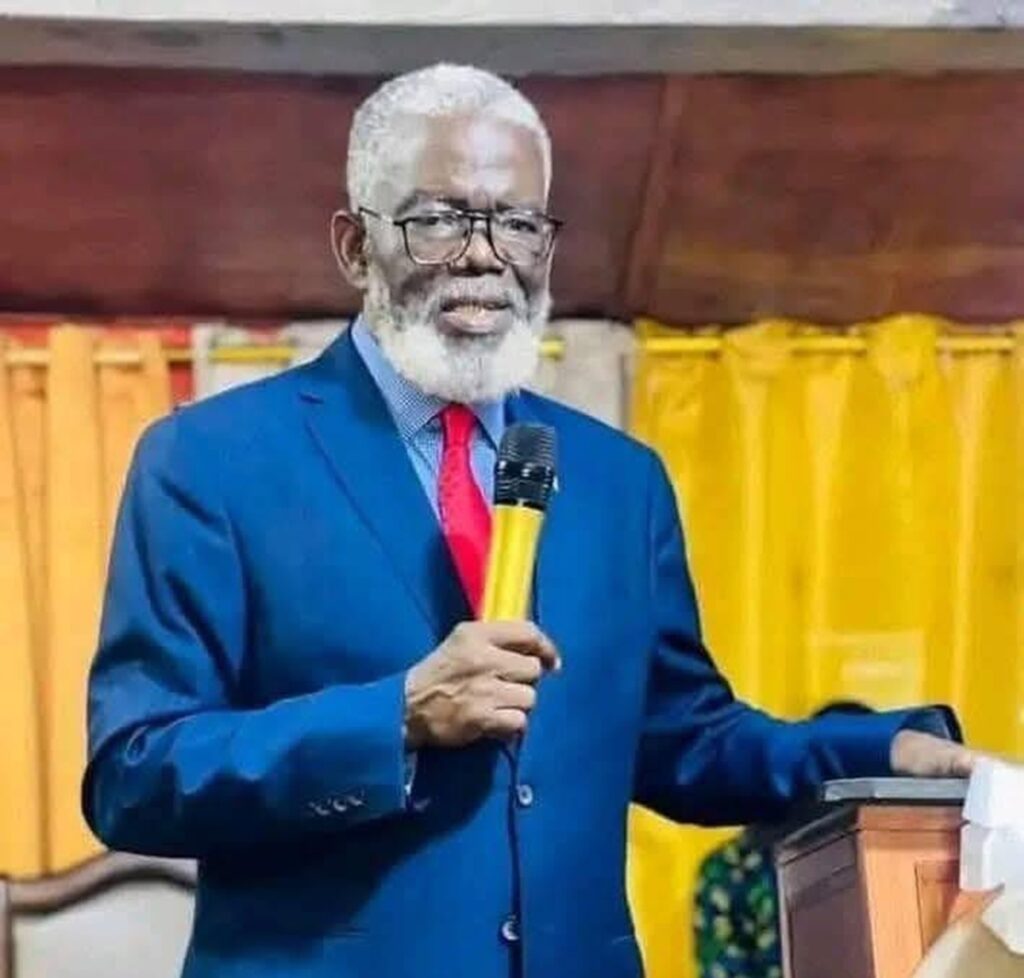
Although U.S. authorities have not publicly issued a specific announcement confirming Johnson’s removal from the sanctions list, recent actions by the U.S. Treasury Department suggest that deceased individuals are increasingly being removed from active sanctions databases as part of broader efforts to update and streamline sanctions enforcement systems.
The development comes months after the death of Senator Johnson, who for years remained one of Liberia’s most controversial political figures due to his role during the country’s civil conflict and his later influence in national politics.
From Warlord to Senator
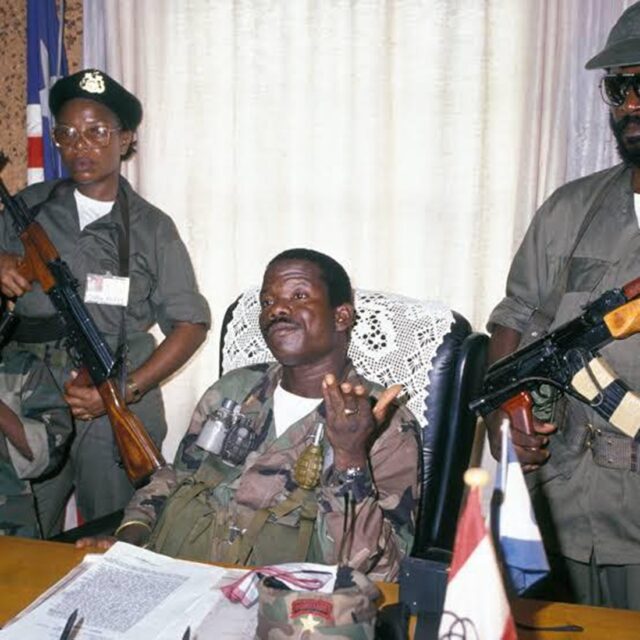
Prince Johnson first emerged on the national and international stage during Liberia’s civil war as leader of the Independent National Patriotic Front of Liberia (INPFL).
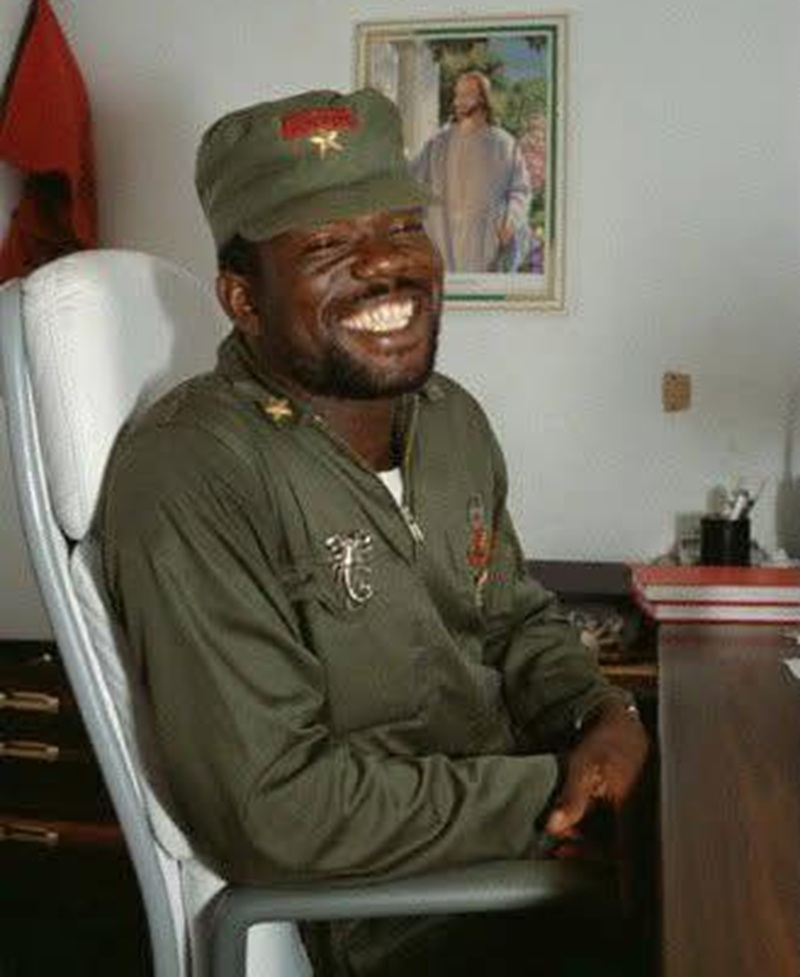
He later became one of the country’s most influential postwar political figures, representing Nimba County in the Liberian Senate from 2006 until his death.
In December 2021, the United States sanctioned Johnson under the Global Magnitsky Human Rights Accountability Act, accusing him of involvement in corruption and using his political influence for personal benefit. The sanctions blocked access to U.S.-based assets and prohibited dealings involving U.S. persons.
At the time, the U.S. Embassy in Monrovia stated that while Washington would continue supporting Liberia’s defense and security institutions, it would maintain no relationship with Senator Johnson.
Who Remains on the U.S. Sanctions List?
While Prince Johnson’s name no longer appears in the active OFAC database, several other Liberians previously designated by the United States under corruption-related sanctions remain widely associated with the Global Magnitsky sanctions regime.
Among the most prominent are:
- Nathaniel McGill
- Sayma Syrenius Cephus
- Bill Twehway
The three former officials were sanctioned by the U.S. Treasury Department in August 2022 over allegations of significant corruption, including bribery, abuse of public office, manipulation of government contracts, and misuse of state resources.
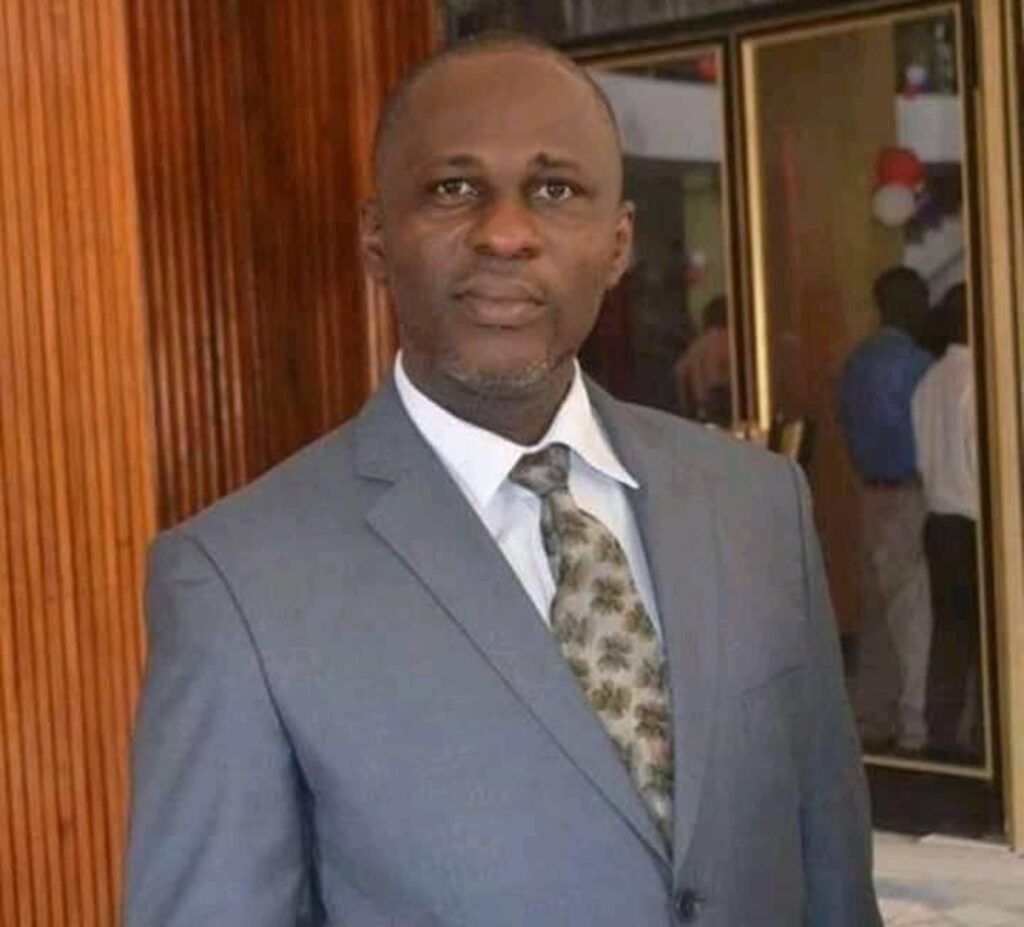
The sanctions triggered a major political storm during the administration of former President George Weah, who subsequently suspended the officials from their positions pending investigation.
According to the U.S. Treasury Department’s allegations at the time:
- McGill was accused of accepting bribes, manipulating procurement processes, and using public office for personal enrichment.
- Cephus was accused of interfering in criminal investigations and accepting bribes in exchange for influencing legal proceedings.
- Twehway was accused of orchestrating the diversion of public funds and improperly benefiting from port-related contracts.
All three repeatedly denied wrongdoing.
Growing Debate Over Sanctions and Accountability
The apparent removal of Prince Johnson’s name from the active sanctions database has reignited debate about the long-term impact of U.S. sanctions on Liberia’s governance and accountability landscape.
Over the years, sanctions imposed under the Global Magnitsky framework have become one of Washington’s most visible anti-corruption tools in Liberia.
Beyond Johnson, McGill, Cephus, and Twehway, previous U.S. sanctions actions also affected prominent Liberian figures including former Senator Varney Sherman and former passport official Andrew Wonplo.
Political analysts say the latest development may prompt renewed questions about how sanctions are maintained, reviewed, and removed — particularly when sanctioned individuals die or leave public life.
For now, however, no formal statement has been issued by the U.S. Treasury Department specifically announcing Prince Johnson’s delisting.
Nonetheless, his absence from the active OFAC sanctions search platform represents a significant development in Liberia’s long-running conversation about international sanctions, corruption, accountability, and postwar political legacy.
Follow The Liberian Post on Facebook and X (formerly twitter).