–Finance Minister Says Protecting Public Funds Is as Important as Raising Revenue as Liberia Hosts Regional GIABA Workshop
MONROVIA, Liberia – c has underscored the critical role of transparent public procurement systems in safeguarding national resources, warning that weak procurement controls can create fertile ground for corruption, money laundering, terrorist financing, and the misuse of public funds.
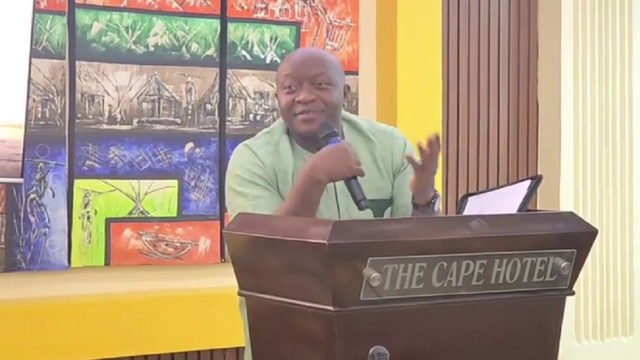
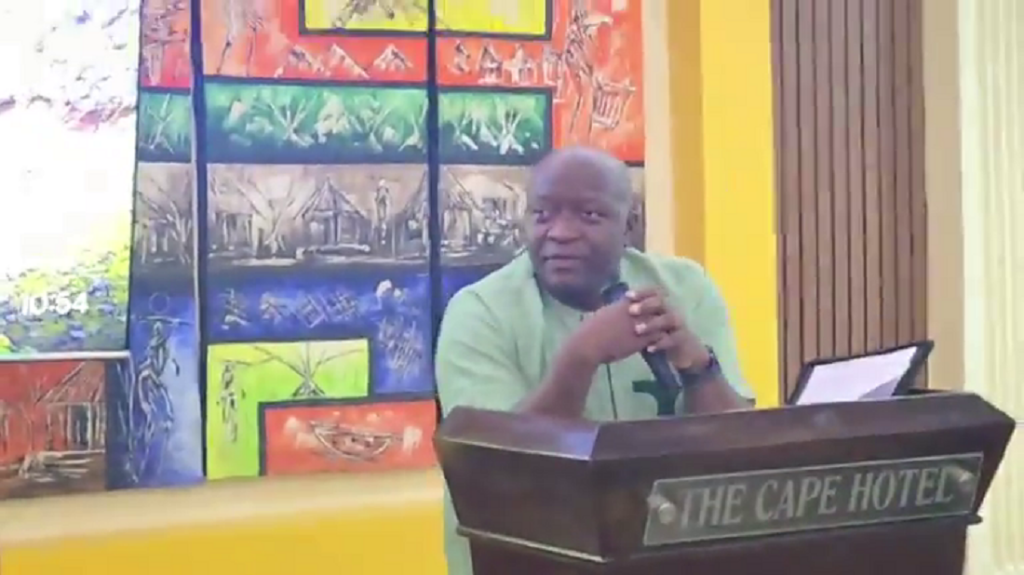
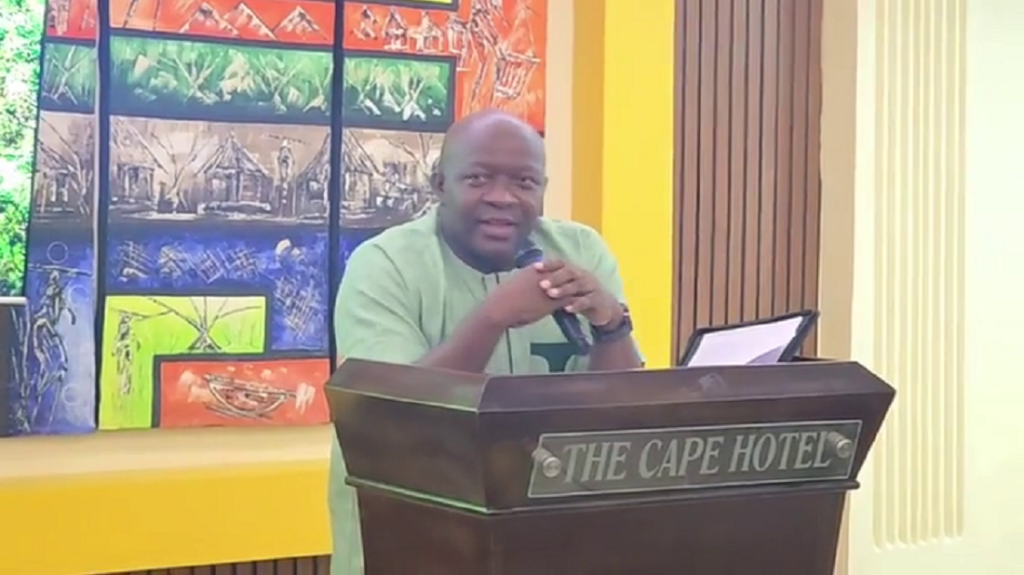
Speaking at the opening of a regional workshop organized by the Inter-Governmental Action Group Against Money Laundering in West Africa (GIABA) on Monday, June 8, Minister Ngafuan said public procurement remains one of the most important pillars of public financial management and a key determinant of whether governments can effectively deliver development to their citizens.
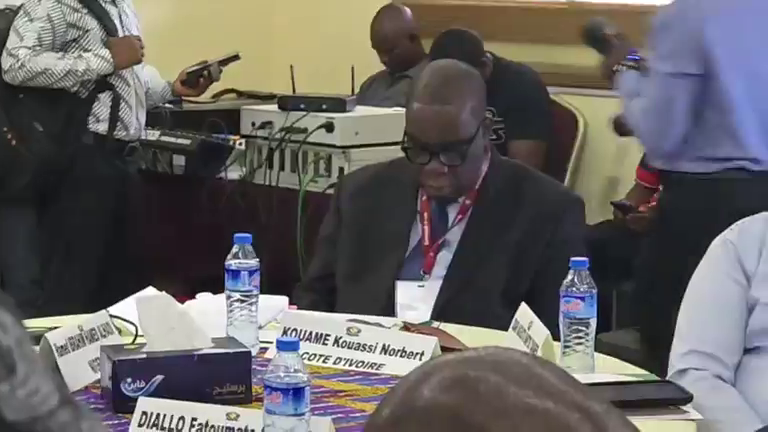
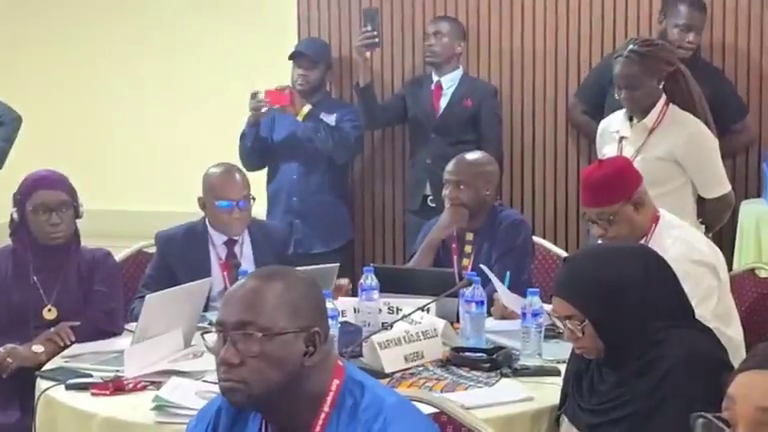
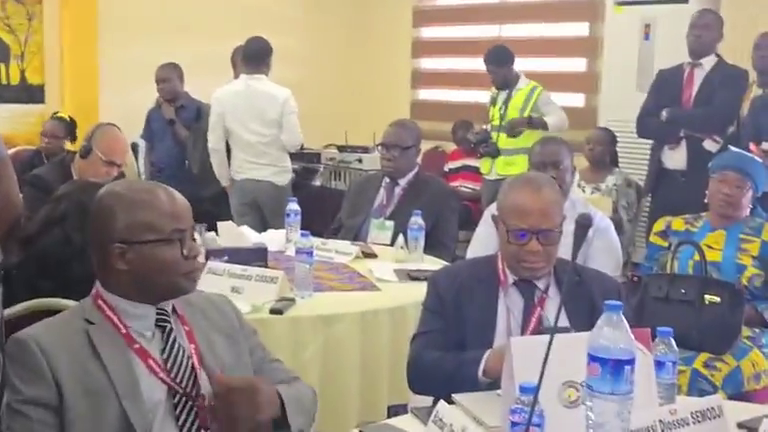
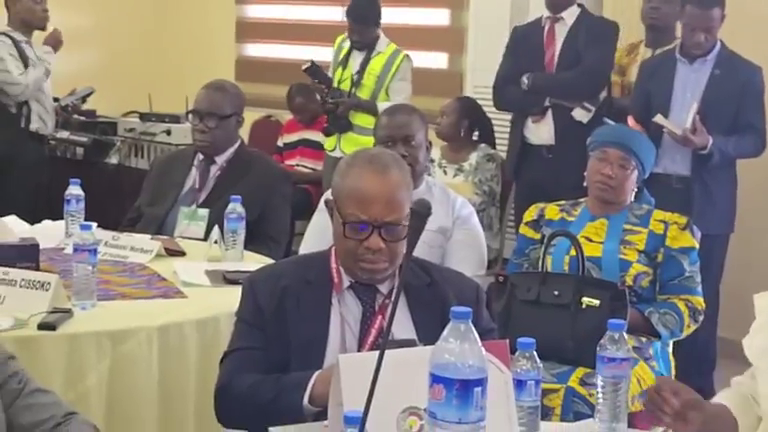
The week-long workshop brought together policymakers, procurement experts, financial intelligence officials, auditors, anti-corruption practitioners, and representatives from ECOWAS member states to review and validate a regional guidebook aimed at integrating Anti-Money Laundering and Countering the Financing of Terrorism (AML/CFT) safeguards into public procurement systems.
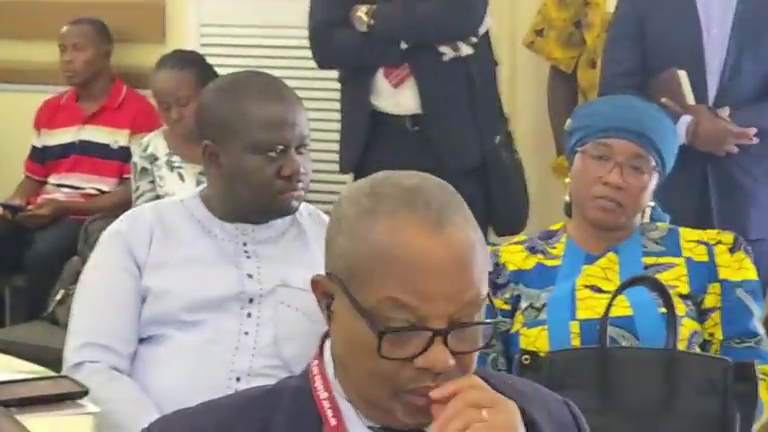
Addressing participants, Ngafuan stressed that while governments work hard to mobilize revenue for national development, equal attention must be given to protecting those resources from waste, fraud, and abuse.
“It is one thing to raise revenue; it is another thing to protect the revenue that is raised,” the Finance Minister declared. “Procurement, if done well, will ensure that the money we raise truly goes toward achieving the development objectives outlined in our national budgets.”
Procurement at the Heart of Development
Ngafuan described procurement as the engine through which governments deliver essential public services, construct infrastructure, provide healthcare, improve education, and respond to the needs of citizens.
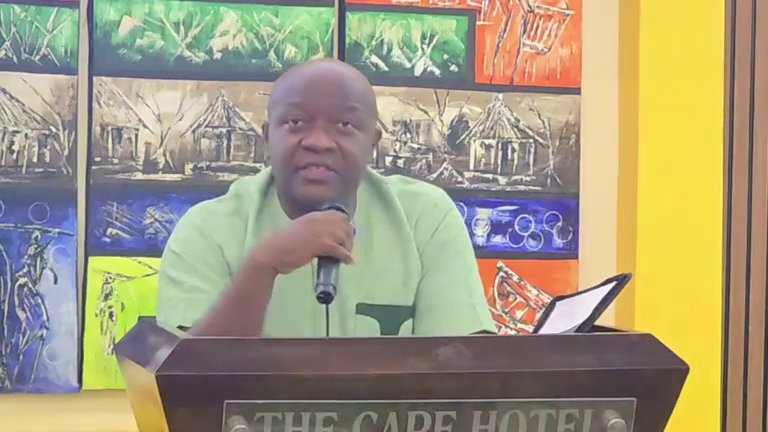
According to him, whenever procurement systems are compromised, ordinary citizens ultimately pay the price.
“When procurement systems are compromised, schools, hospitals, roads, security services, and other essential public goods suffer,” he warned.
The Minister noted that procurement processes can become vulnerable to corruption through practices such as bid-rigging, conflicts of interest, over-invoicing, falsified documentation, hidden ownership structures, and other illicit schemes.
Such weaknesses, he said, not only undermine value for money but also provide opportunities for criminal networks to launder illicit proceeds or divert public resources for unlawful purposes.
Liberia’s Digital Procurement Reforms
Highlighting reforms underway in Liberia, Ngafuan pointed to the government’s ongoing transition to an electronic procurement platform designed to improve transparency, accountability, and efficiency in public spending.
He revealed that the e-procurement system was launched last year with five major spending entities, including the Ministry of Finance and Development Planning, the Ministry of Health, and the Ministry of Education.
According to him, the initiative has since expanded significantly.
“This year, up to 50 additional government entities have been placed on the platform,” Ngafuan disclosed.
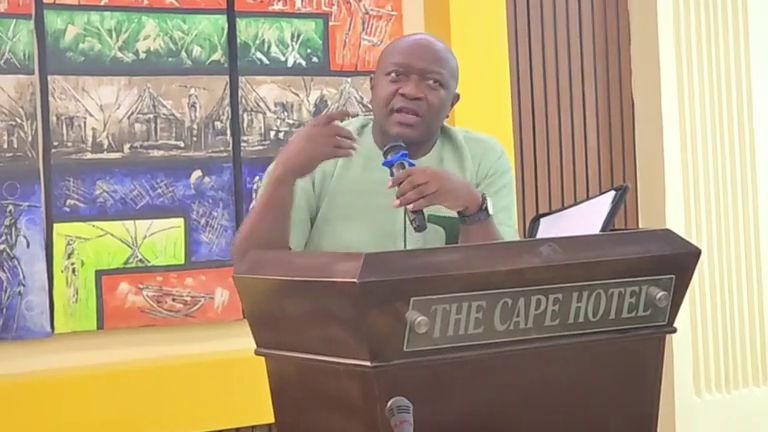
While acknowledging transitional challenges associated with the new system, the Minister said the government remains committed to refining the platform and ensuring it achieves its intended objectives.
He noted that transparency alone is not enough if businesses, particularly small Liberian-owned enterprises, find it difficult to participate in the procurement process.
“We have to ensure that we not only bring transparency to the process but that we also promote competition and ensure that small Liberian businesses are not left behind,” he emphasized.
GIABA’s Fight Against Financial Crime
The workshop was organized by GIABA, a specialized institution of the Economic Community of West African States (ECOWAS) established to strengthen measures against money laundering, terrorist financing, and other financial crimes across West Africa.
Founded in 2000, GIABA works closely with member states to develop policies, strengthen legal frameworks, enhance institutional capacity, and promote compliance with international financial crime standards.
The organization also serves as the regional body responsible for evaluating member countries’ anti-money laundering and counter-terrorist financing systems and helping governments address identified deficiencies.
Over the years, GIABA has become a key player in efforts to protect the integrity of financial systems across the region and improve governance, transparency, and accountability.
Regional Cooperation Essential
Ngafuan praised GIABA for developing the procurement guidebook and described the workshop as more than a simple validation exercise.
He said the gathering provides an important opportunity for countries to share experiences, identify practical challenges, and develop effective strategies for protecting public procurement systems from abuse.
The Minister encouraged participants to draw from real-world experiences rather than relying solely on theoretical approaches.
“Tell us your country experience. Show us that you have been on the battlefront, not only in the theory room,” he urged.
He further emphasized that combating corruption, money laundering, and terrorist financing requires close collaboration among procurement authorities, financial intelligence units, auditors, anti-corruption agencies, law enforcement bodies, legislators, and ministries of finance.
“No single institution can address these risks alone,” he said.
Praises Liberia’s Growing Role as Regional Host
Beyond the technical discussions, Ngafuan welcomed delegates to Liberia and highlighted what he described as the country’s growing role as a destination for regional conferences and international engagements.
The Finance Minister observed that the increasing number of regional meetings being hosted in Liberia contributes positively to the economy by supporting local businesses, hotels, and service providers.
He described the trend as evidence of a “quiet positivity” taking place across the country, noting that such events generate foreign exchange earnings and strengthen Liberia’s profile within the West African region.
As he officially declared the workshop open, Ngafuan called on participants to approach the deliberations with professionalism, seriousness, and a shared commitment to strengthening governance systems throughout the region.
“The integrity of public procurement is inseparable from public trust, good governance, fiscal discipline, and sustainable national development,” he concluded.
Follow The Liberian Post on Facebook (https://web.facebook.com/profile.php?id=61576017166570) and X, formerly twitter (https://x.com/LiberianPost).