-Finance Minister Says Liberia Is Moving Toward Fiscal Sovereignty as Economy Expands, Revenue Nears US$1 Billion and Government Steps Up Investment in Roads, Power and Jobs
MONROVIA, Liberia — Finance and Development Planning Minister Augustine Kpehe Ngafuan has declared that Liberia’s economy is on a stronger growth trajectory, projecting 5.5 percent economic growth in 2026 while signaling that the country’s historic push toward US$1 billion in domestic revenue should be viewed as the beginning of a new fiscal era—not the end goal.
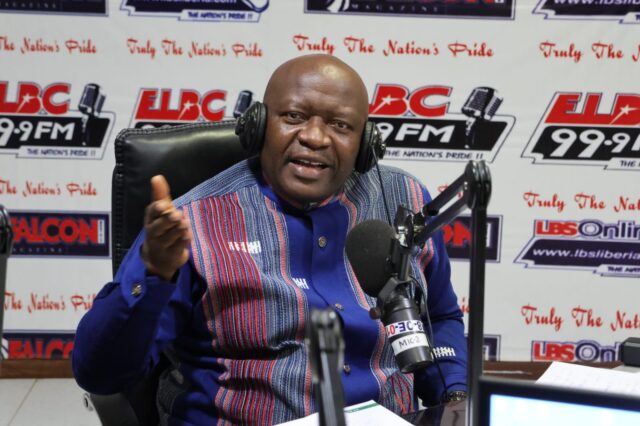
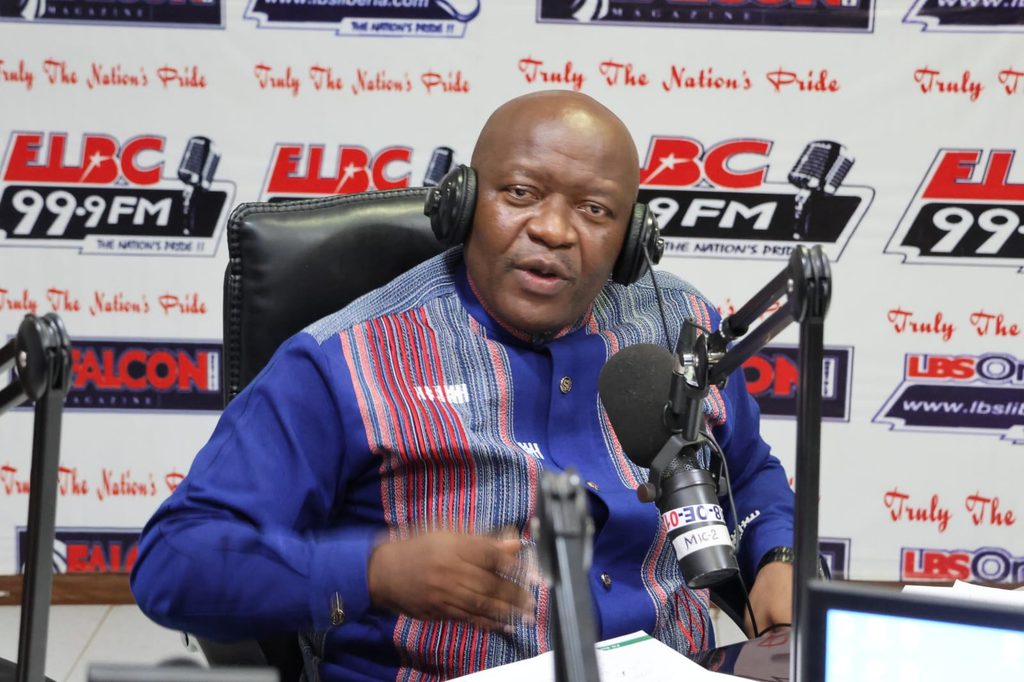
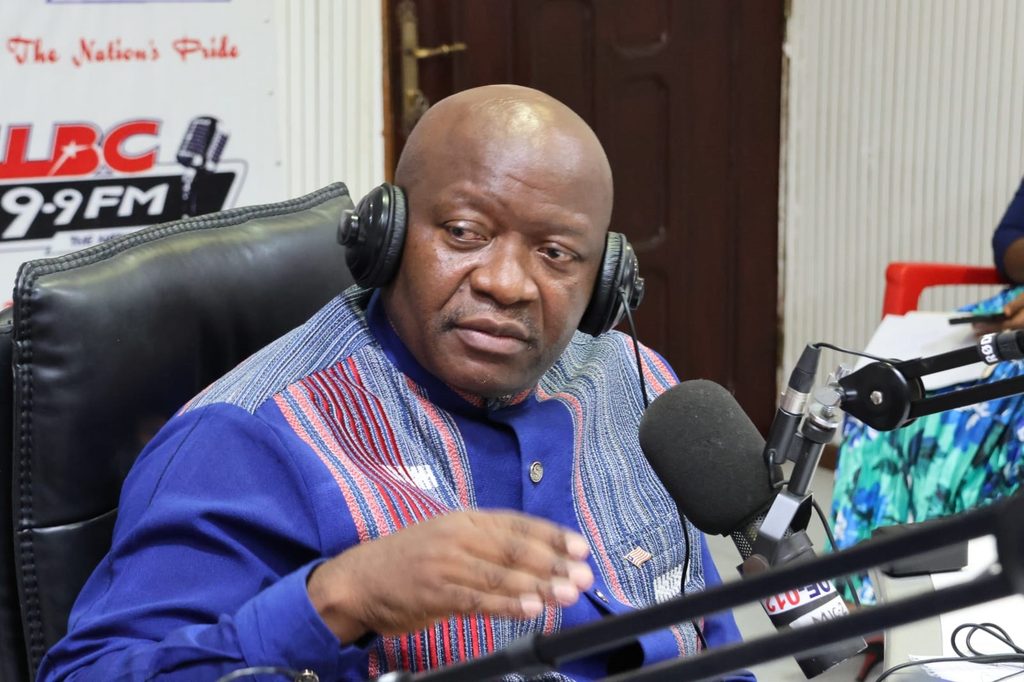
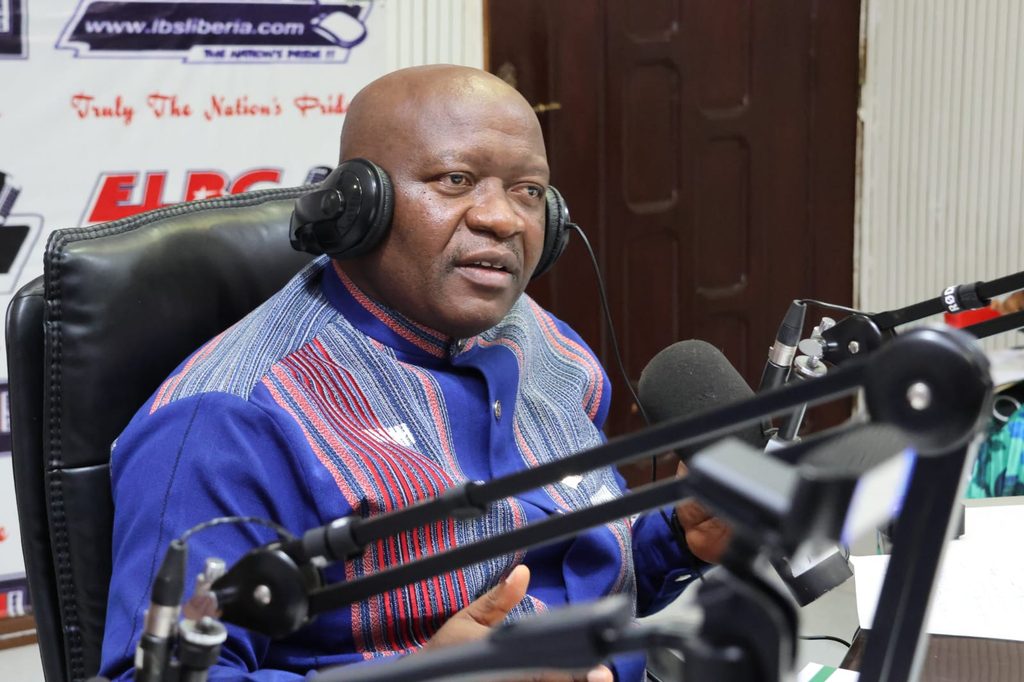
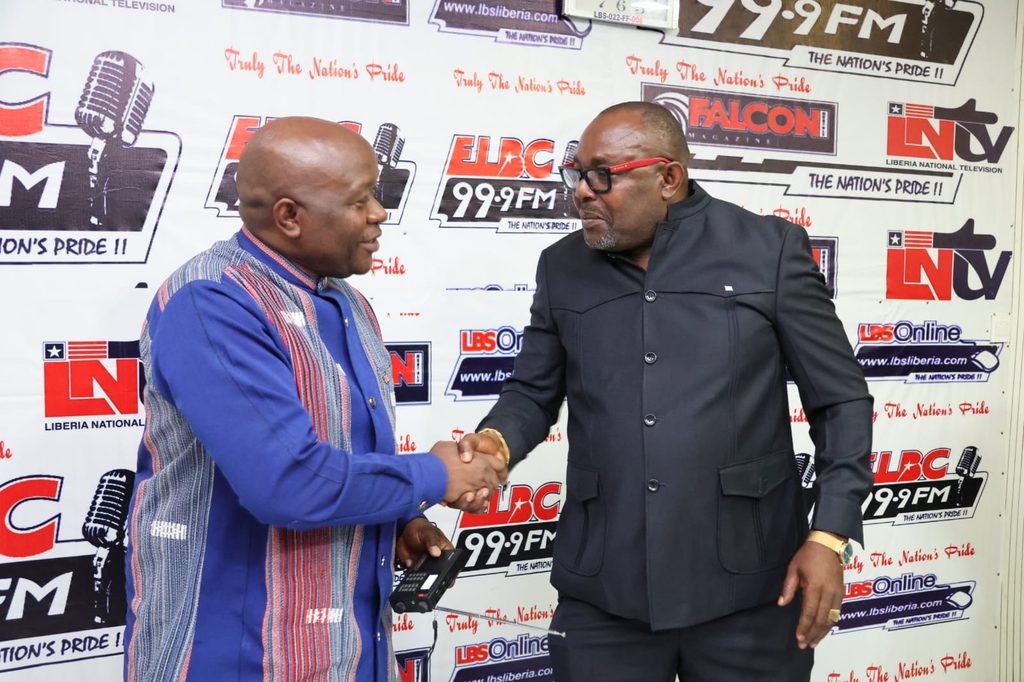
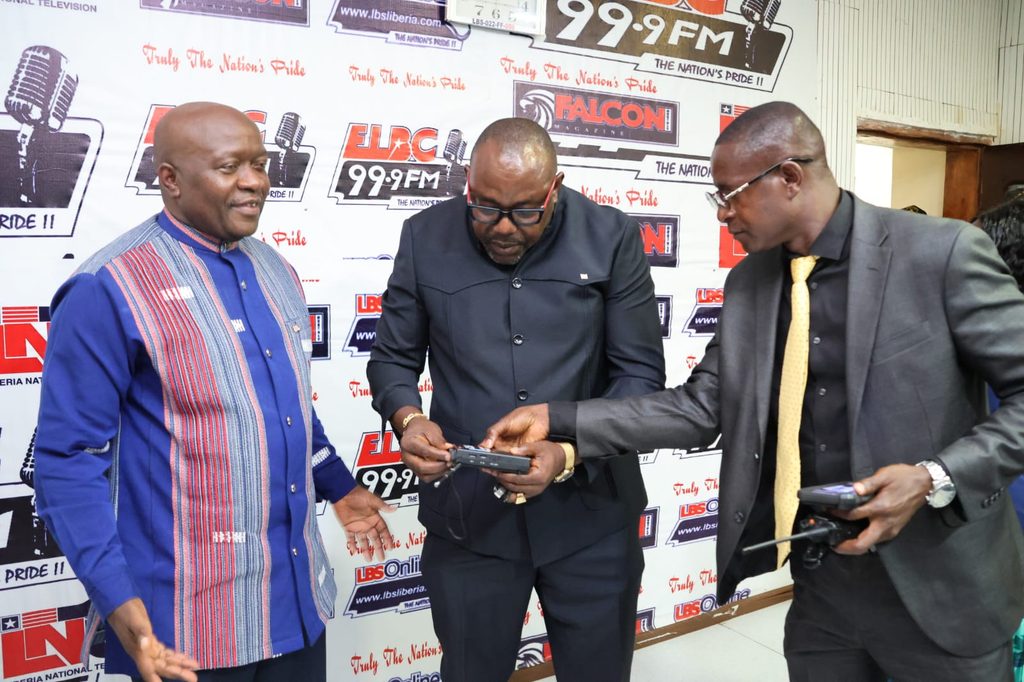
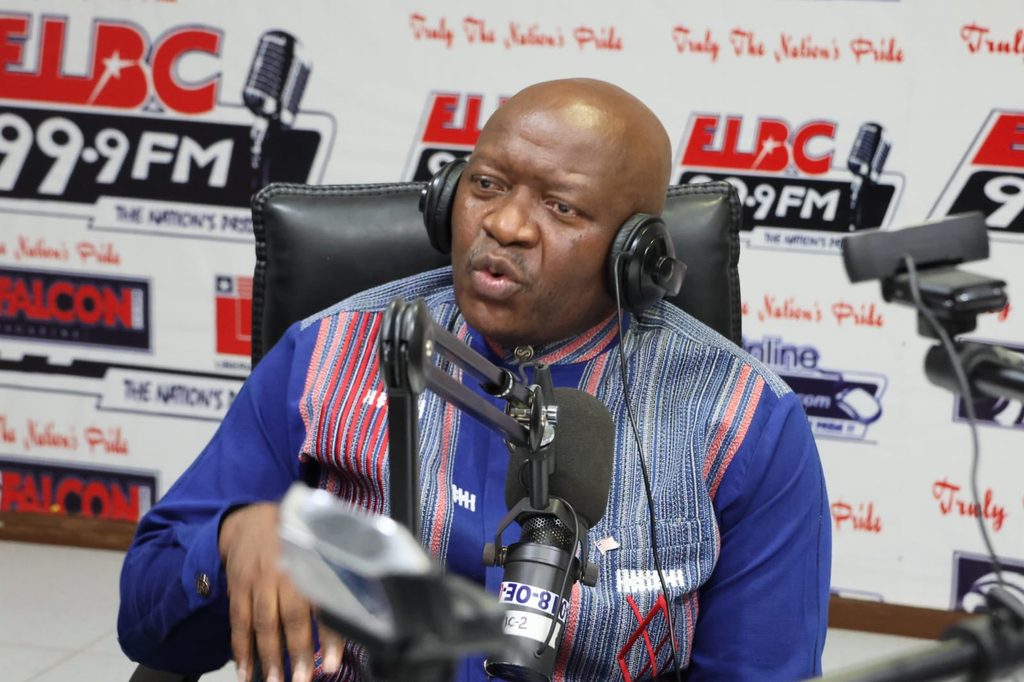
Appearing on the Liberia Broadcasting System’s Super Morning Show on Wednesday, Ngafuan said Liberia’s economy is projected to expand from 5.1 percent growth in 2025 to 5.5 percent this year, with nominal GDP expected to reach about US$5.6 billion.
The projection is consistent with the International Monetary Fund’s latest assessment, which also places Liberia’s 2026 real GDP growth at 5.5 percent, supported principally by mining, construction and manufacturing. The IMF said inflation averaged 4.5 percent during the first half of the year and described Liberia’s fiscal performance as stronger than expected.
Ngafuan attributed the expansion to mining, agriculture, services and increased investment in infrastructure, particularly roads and electricity. Mining, he said, accounts for nearly 17 percent of economic growth.
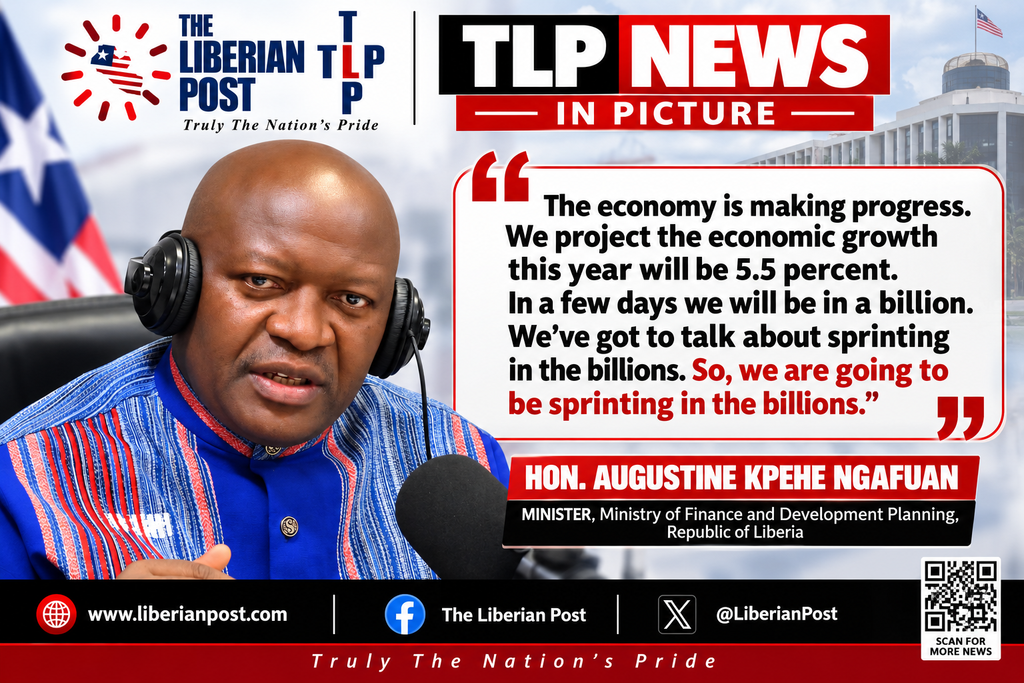
“The economy is making progress. We project the economic growth this year will be 5.5 percent.”
‘We Are Sprinting in the Billions’
The Finance Minister’s most striking remarks centered on Liberia’s rapidly expanding domestic revenue base.
Ngafuan said Liberia was within days of crossing the US$1 billion domestic-revenue threshold, citing the latest collection figure available to him during the broadcast as being in the US$980 million range.
The milestone would mark the first time Liberia has generated US$1 billion in domestic revenue since its founding.
Recent figures from the Liberia Revenue Authority showed domestic revenue had already reached US$954.7 million as of September 2, leaving the government US$45.3 million short of the billion-dollar threshold.
Ngafuan said the achievement reflects expanded tax administration, increased use of technology, electronic fiscal devices and efforts to reduce revenue leakages.
But he warned against treating US$1 billion as a destination.
“In a few days we will be in a billion. We’ve got to talk about sprinting in the billions. So we are going to be sprinting in the billions.”
He described the growing domestic revenue base as evidence that Liberia is moving toward what he called “fiscal sovereignty”—greater capacity to finance national priorities without excessive dependence on external assistance.
The minister pointed to last year’s abrupt withdrawal of USAID funding as an example of the vulnerability created by excessive dependence on foreign financing. Despite the loss of what he described as nearly US$400 million in USAID programming, Ngafuan said Liberia avoided the fiscal collapse some had predicted.
“What doom did not happen. Because our domestic resources covered up.”
The government’s 2026 budget stands at approximately US$1.3 billion, including a one-time US$200 million signature bonus that Ngafuan acknowledged will not recur next year. He said the government is therefore working on measures to close the resulting revenue gap while maintaining or exceeding the current fiscal base.
Exchange Rate Under Watch
Ngafuan also acknowledged public concern over movements in the Liberian dollar, saying the government is closely monitoring the exchange rate and its impact on prices and economic activity.
He emphasized that the Central Bank of Liberia remains the principal institution responsible for exchange-rate policy but said the fiscal authorities are working with the Central Bank through the economic management team and liquidity committee.
For September, the government has adjusted the currency composition of public-sector salary payments from the previous 70 percent US dollars and 30 percent Liberian dollars to 80 percent US dollars and 20 percent Liberian dollars.
Vendor payments have also been temporarily shifted to 100 percent US dollars, according to the minister.
“More than concerned. That’s our job to be concerned.”
Ngafuan said additional measures are being reviewed and that the Central Bank is preparing a broader package designed to prevent distortions and maintain stability.
The IMF, meanwhile, said Liberia’s exchange rate has remained broadly stable in 2026, while inflation has remained relatively contained.
Roads, Electricity and the Cost of Doing Business
Ngafuan placed infrastructure at the center of the government’s growth strategy, arguing that roads and electricity are among Liberia’s biggest structural constraints.
Electricity access, he said, has risen from roughly 30–31 percent when the administration began to nearly 40 percent, with a long-term target of at least 75 percent by 2029.
He argued that cheaper and more reliable electricity directly reduces operating costs for businesses, allowing them to expand and hire more workers.
“Once you deal with electricity, reduce the cost, make it more accessible, you have enabled business.”
The government is also prioritizing road connectivity, with Ngafuan saying additional resources are being directed toward roads, electricity, health and education.
He said Liberia is targeting major improvements in road connectivity over the next several years, including stronger links between Monrovia and southeastern Liberia and continued work toward Lofa County.
Youth Jobs and US$200,000 Business Financing
The minister also unveiled details of the government’s youth-employment strategy, highlighting the National Cadet Program and the planned Youth Entrepreneurship Investment Bank (YERB).
He said 1,100 young people have already been placed in six-month practical training programs across private companies, development partners and government institutions, with the expectation that a significant majority could transition into employment based on performance.
More ambitiously, YERB is being designed to provide capital, training and guarantees to 30,000 youth-led businesses.
Ngafuan said qualifying enterprises could receive financing of up to US$200,000, through a combination of grants and low-interest loans.
The government estimates the initiative could ultimately generate approximately 120,000 jobs.
“We are not just talking the talk. We are walking the walk.”
‘It’s Not a Matter of Party. It’s a Matter of Country.’
Ngafuan also defended the government’s development agenda against criticism that economic gains are not sufficiently visible in the daily lives of ordinary Liberians.
He conceded that poverty has not been eliminated and that significant challenges remain, but argued that Liberia should be assessed by the distance traveled from the conditions inherited by the Boakai administration.
He cited regular salary payments, investments in schools and hospitals, electricity expansion, road projects and increased public-sector recruitment as examples of tangible changes.
“We are the first to concede that we still have roads to travel. There are still things we have not done yet.”
In one of his strongest political statements, Ngafuan argued that the government’s development projects are intended to benefit Liberians regardless of political affiliation.
“It’s not a matter of party. It’s a matter of country.”
He said roads, electricity, schools and youth financing should not be distributed according to political loyalty.
‘Government Can Never Pay You as Much as a Drug Dealer’
The Finance Minister also addressed Liberia’s intensifying fight against narcotics, warning security personnel that the financial incentives offered by drug traffickers can exceed anything government can legally pay.
Ngafuan said the government is improving conditions for police and drug-enforcement personnel while increasing support for recruitment, training and equipment.
But he argued that financial incentives alone cannot defeat corruption.
“Government can never pay you as much as a drug dealer will pay you to tempt you. So it has to be your value.”
He called on security personnel to regard integrity as part of their professional identity and warned that the fight against drugs must transcend political affiliation.
“No one should feel comfortable profiting from the tears of mothers and fathers and loved ones.”
Ngafuan compared Liberia’s current narcotics crackdown to a doctor discovering a malignant disease: the discovery itself is not evidence that the doctor created the problem.
He argued that the government’s aggressive response is exposing a problem that had existed for years.
Unqualified Audit and Public Trust
Ngafuan also highlighted what he described as a historic achievement in public financial management: an unqualified audit opinion on Liberia’s financial statements.
He said the report was, to his knowledge, the strongest audit assessment Liberia has received since the post-war period.
The minister acknowledged that an unqualified opinion does not mean the public financial system is perfect, but said it indicates that the financial statements fairly represented Liberia’s financial position in all material respects.
“We do not say that we are out of the woods, that the system is perfect. No.”
He said stronger financial reporting should improve confidence among development partners, donors and private investors.
The Next Test: Turning Revenue Into Results
Despite the government’s optimism, Ngafuan acknowledged that the hardest part of the fiscal transformation will be converting increased revenue into visible development.
He said the health sector has a budget of roughly US$110 million, education receives a similarly substantial allocation, while more than US$100 million is directed toward roads. He also said electricity received an additional US$50 million and roads another US$50 million beyond normal support.
The government is also preparing procurement reforms, including measures intended to accelerate spending across ministries and agencies.
Ngafuan said additional procurement measures could be announced within the next one to two weeks.
His broader message was that revenue collection must ultimately translate into roads, electricity, healthcare, education, jobs and improved public services.
And in perhaps his sharpest warning to public officials, he rejected the idea that ministers should measure their success by personal charity.
“The charity of a minister is not your charity. It’s what you do to transform the life of people.”
For Ngafuan, the measure of government is therefore not simply how much money it raises, but what that money produces.
Liberia’s projected US$1 billion domestic-revenue milestone may represent a historic fiscal achievement, but the political and economic test ahead is whether the additional resources can be converted into a stronger productive economy and a measurable improvement in the lives of ordinary Liberians.
The IMF’s latest assessment provides support for the macroeconomic picture, but also underscores that continued fiscal discipline and structural reforms will be necessary to sustain the gains.
For the Finance Minister, the direction is clear: Liberia has reached the billion-dollar threshold in sight—and now must prove that it can stay there, and go beyond it.
For breaking news, in-depth analysis, and exclusive reports from Liberia and around the world, follow The Liberian Post on Facebook and X, formerly Twitter.