

-ANC Political Leader Rejects 2% Threshold Interpretation, Suggests Montserrado Senator Could Face Strong Challenge in 2029
MONROVIA – Long-simmering tensions within the former Collaborating Political Parties (CPP) alliance resurfaced Tuesday, June 2, when Alternative National Congress (ANC) Political Leader Alexander Benedict Cummings publicly challenged Senator Abraham Darius Dillon’s interpretation of Liberia’s election law and hinted that the Montserrado lawmaker could face a formidable reelection challenge in 2029.
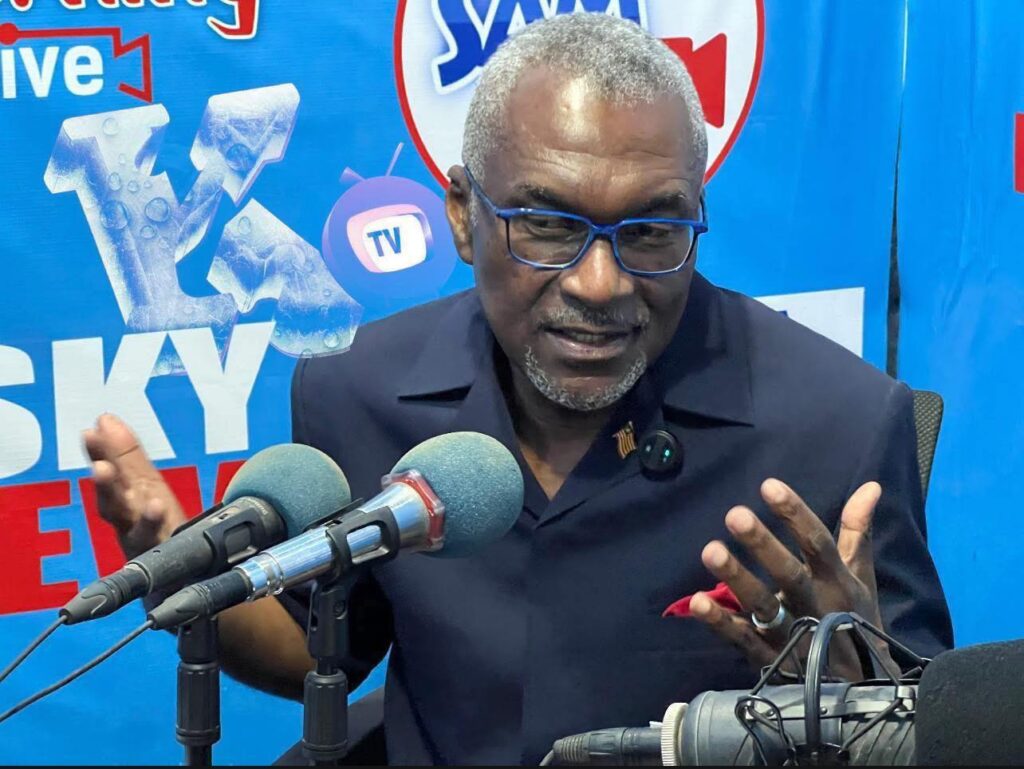
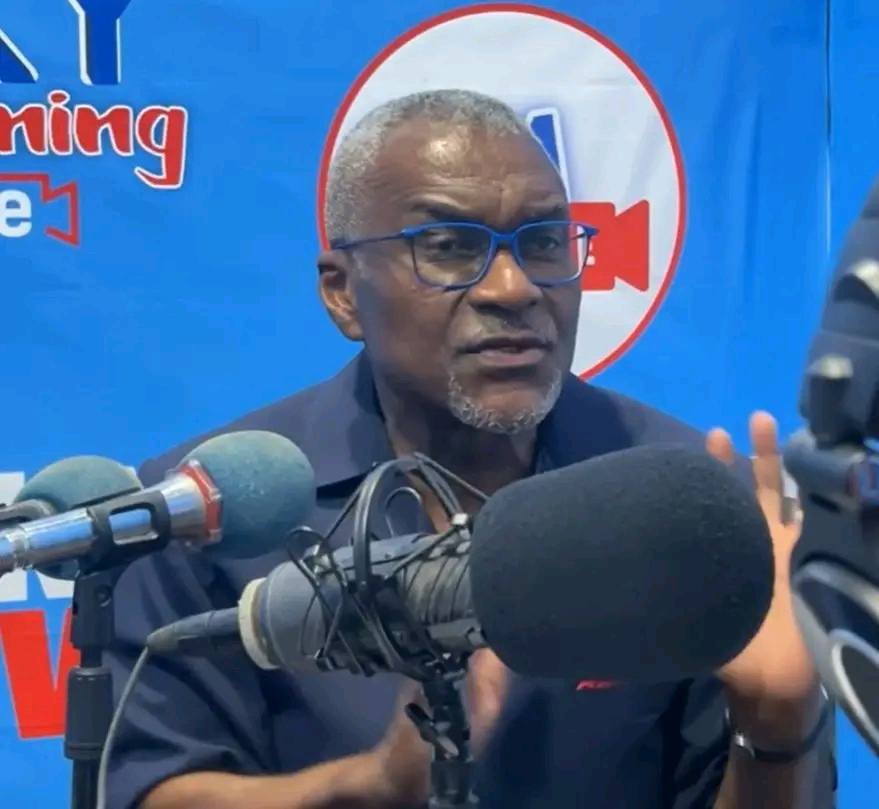
Appearing on Sky FM’s 50-50 talk show hosted by T-Max Jlateh, Cummings dismissed concerns that he or the ANC could be disqualified from future elections under the controversial “2 percent threshold” provision and accused Dillon of engaging in political maneuvering.
The exchange has reignited memories of the bitter internal battles that fractured the CPP coalition and contributed to the collapse of what was once Liberia’s most formidable opposition alliance.
The 2 Percent Threshold Controversy
The debate stems from provisions of Liberia’s election laws that require political parties to maintain a minimum level of electoral performance to preserve their legal standing.
The issue recently resurfaced during Senate confirmation hearings for National Elections Commission (NEC) Chairperson-designate Jonathan Weedor, when Senator Dillon raised questions regarding the application of the threshold requirement.
Critics of Cummings have frequently pointed to the results of the 2023 presidential election, in which the CPP standard bearer received less than two percent of the national vote, arguing that the outcome could affect future political participation.
However, Cummings argued that such interpretations ignore key provisions of the law.
“The law is very clear,” he said. “The CPP got less than two percent, but the CPP got legislators elected. So, on that basis, even if I wanted to run again as a CPP candidate, I could run again.”
According to Cummings, candidates associated with the CPP won legislative seats in several counties, including Nimba, Maryland, and Grand Kru, thereby satisfying the legal requirements necessary for continued political participation.
ANC’s Position
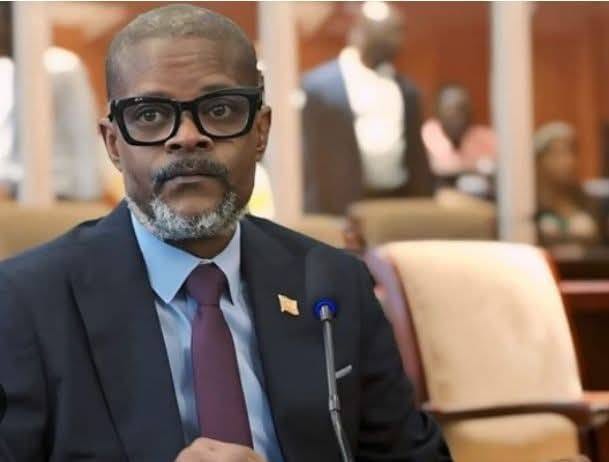
Cummings also maintained that the ANC itself is not affected by the threshold debate because the party did not contest the 2023 presidential election under its own banner.
Instead, he ran as the presidential candidate of the CPP coalition.
“The ANC was not on the ballot in 2023. So the ANC is not affected by that at all,” he stated.
The ANC leader suggested that the renewed discussion surrounding the threshold requirement was politically motivated and designed to distract public attention from other national issues.
“I think Dillon knew this and was playing politics,” Cummings asserted.
Echoes of the CPP Document Saga
Beyond the legal debate, the exchange reopened old wounds from the highly publicized CPP crisis that engulfed the opposition coalition ahead of the 2023 elections.
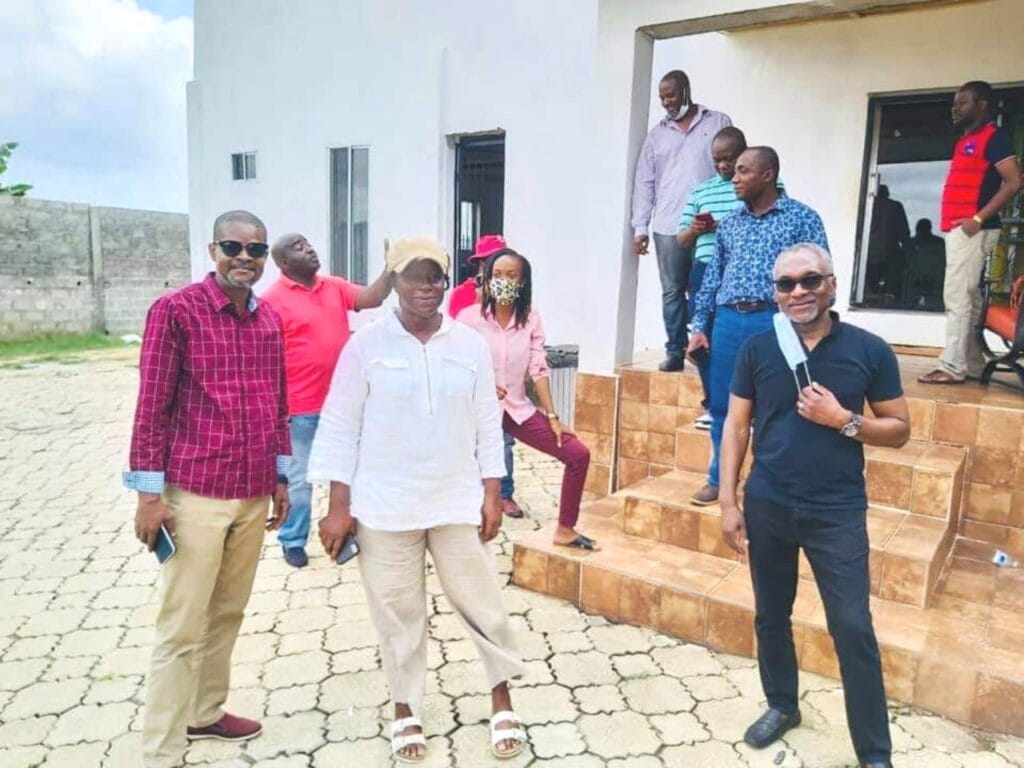
The alliance fractured after Liberty Party officials accused Cummings of altering or “fingering” the CPP Framework Document, a controversy that eventually spilled into the courts and triggered years of political infighting.
The allegations became one of the most contentious political disputes in recent Liberian history and contributed significantly to the collapse of opposition unity before the 2023 polls.
Cummings consistently denied wrongdoing and characterized the accusations as part of a coordinated political campaign against him.
During Tuesday’s interview, he appeared to reference that turbulent period.
“I remember when they were prosecuting me. I said there would be consequences,” Cummings remarked.
Though he stopped short of elaborating, the comment was widely interpreted as a reference to the political fallout from the CPP document dispute and his strained relationship with former allies.
Dillon’s 2029 Ambitions Draw Attention
Perhaps the most striking moment of the interview came when Cummings turned his attention to Dillon’s political future.
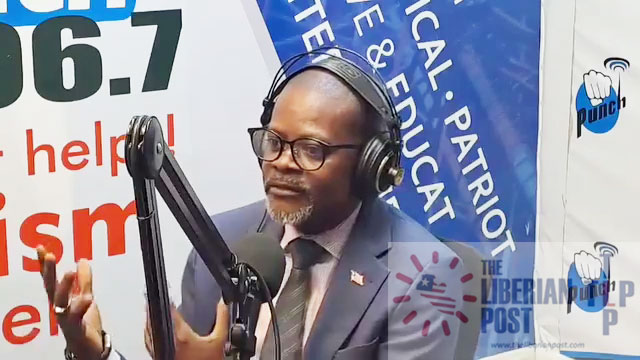
The ANC leader disclosed that individuals have already approached him about supporting potential challengers to the Montserrado senator in the 2029 elections.
“Ain’t he wants to run again in 2029? People have been reaching out to me, T-Max, two pretty strong candidates,” Cummings said.
The remark immediately prompted Jlateh to characterize the statement as a threat to Dillon’s reelection prospects.
“No, I’m not threatening anybody. That’s not my style,” Cummings responded.
Nevertheless, political observers viewed the comment as a clear signal that opposition alliances and rivalries ahead of the 2029 elections are already beginning to take shape.
From Opposition Allies to Political Rivals?
The latest exchange highlights the changing dynamics within Liberia’s opposition camp.
Dillon and Cummings were once prominent figures within the CPP, which emerged as a major opposition force challenging the Coalition for Democratic Change (CDC) government.
The coalition scored significant victories in the 2020 Special Senatorial Elections, helping propel Dillon to the Senate and securing additional legislative seats for opposition candidates.
However, internal disputes, leadership struggles, and the controversial CPP document saga eventually fractured the alliance, leaving its leaders on divergent political paths.
Today, Dillon remains one of the country’s most recognizable opposition politicians and a vocal advocate on governance and accountability issues. Cummings, meanwhile, has been rebuilding the ANC and reestablishing his political base following the disappointing outcome of the 2023 presidential election.
Early Signs of 2029 Political Realignment
While Liberia’s next general and presidential elections remain more than three years away, Tuesday’s exchange suggests that political calculations for 2029 are already underway.
Analysts say the public disagreement reflects deeper questions about leadership within the opposition, the future of former CPP actors, and the continuing impact of unresolved disputes from the coalition’s collapse.
Whether the latest war of words evolves into a broader political confrontation remains to be seen.
What is increasingly clear, however, is that some of the wounds left by the CPP’s implosion have yet to heal—and they may continue to shape Liberia’s political landscape well into the next election cycle.
Follow The Liberian Post on Facebook and X (formerly twitter)