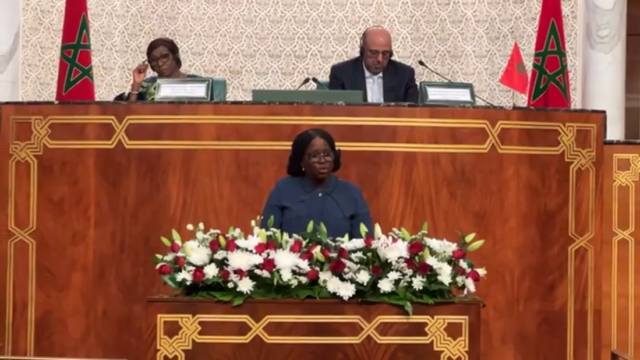
RABAT, Morocco — Liberia’s Senate Pro-Tempore, Madam Nyonblee Karnga-Lawrence, has called on African legislators to strengthen the role of upper legislative chambers in promoting democracy, inclusion, and peace across the continent.
Addressing fellow parliamentarians from across Africa at a high-level gathering of upper houses in the Kingdom of Morocco, Karnga-Lawrence emphasized that senates and similar institutions must serve as stabilizing forces within national governance systems.
“Our theme today speaks directly to the heart of Africa’s journey… this is not an abstract conversation. It is a practical and urgent responsibility,” she told delegates.
Defending Balance in Governance
Karnga-Lawrence highlighted the unique constitutional role of upper houses, particularly in ensuring balanced representation in countries where lower chambers are population-based.
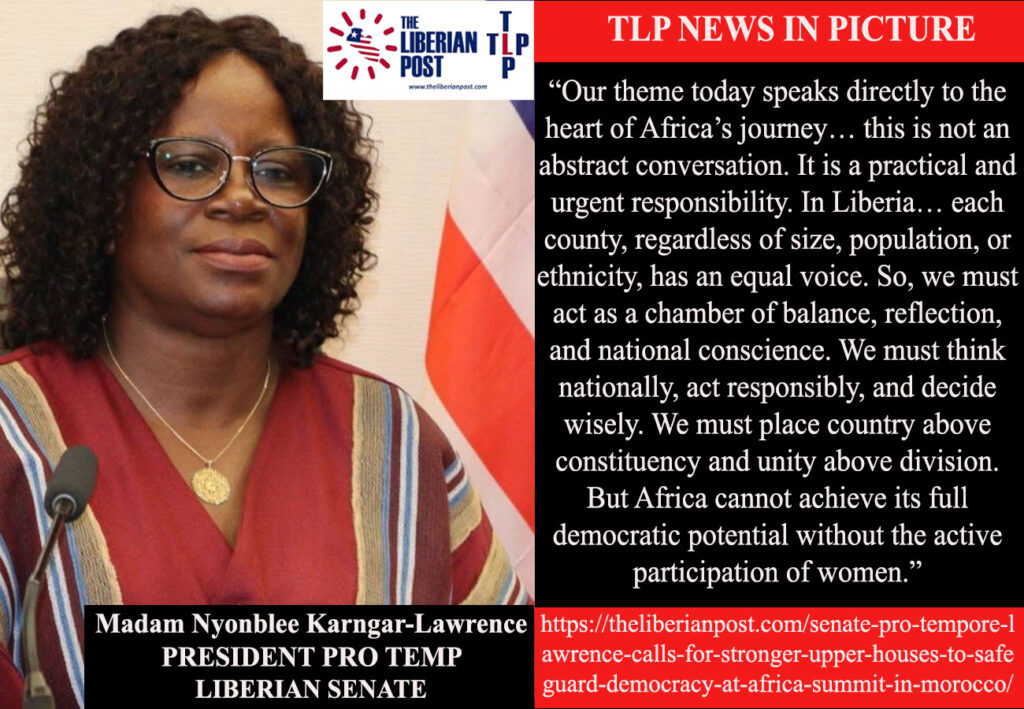
“In Liberia… each county, regardless of size, population, or ethnicity, has an equal voice,” she noted, describing the Senate as a body grounded in unity and national cohesion.
She warned that without such balance, democratic systems risk marginalizing smaller regions, stressing that upper houses must act as “a chamber of balance, reflection, and national conscience.”
A Call for Principled Leadership
The Liberian Senate leader urged her colleagues to rise above partisan and regional interests, emphasizing patriotism and accountability as core principles of legislative leadership.
“We must think nationally, act responsibly, and decide wisely,” she said. “We must place country above constituency and unity above division.”
She further stressed that transparency and public trust are essential to the credibility of legislative institutions, calling for open deliberations and well-reasoned decision-making.
Women’s Role in Democratic Growth
Karnga-Lawrence also used the platform to advocate for greater inclusion of women in governance, describing female leadership as critical to sustainable democratic outcomes.
“Africa cannot achieve its full democratic potential without the active participation of women,” she declared, urging governments and institutions to remove barriers and create opportunities for women to lead.
She noted that women’s representation strengthens dialogue, broadens perspectives, and enhances peacebuilding efforts across societies.
Strengthening Regional Cooperation
Turning to continental issues, Karnga-Lawrence emphasized the interconnected nature of African states, warning that instability in one country can quickly spread across borders.
“Our nations are interconnected economically, politically, and socially… conflict does not recognize borders,” she said.
She called on upper houses to play a more active role in fostering regional harmony through treaty ratification, legal alignment, and support for institutions such as the African Union and ECOWAS.
Lessons from Liberia’s Past
Drawing from Liberia’s own history, Karnga-Lawrence reminded delegates that peace requires constant effort and deliberate policy action.
“In Liberia, we have learned through painful experience that peace is not self-sustaining. It must be nurtured and protected,” she said.
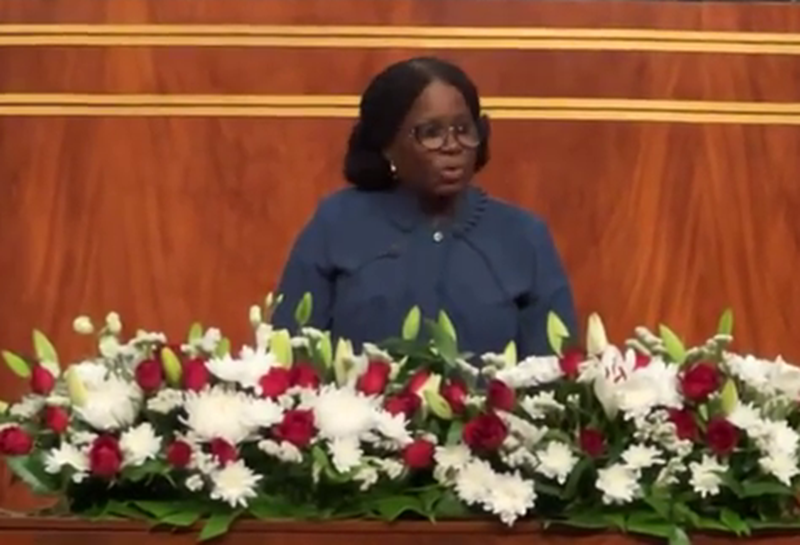
She urged lawmakers to prioritize dialogue over division and cooperation over conflict in addressing emerging challenges.
Looking to the Future
Karnga-Lawrence concluded by emphasizing the long-term responsibility of lawmakers, describing legislators as custodians of future generations.
“We are not only legislators of the day—we are trustees of generations to come,” she said, calling for forward-looking policies that promote sustainable development and inclusive growth.
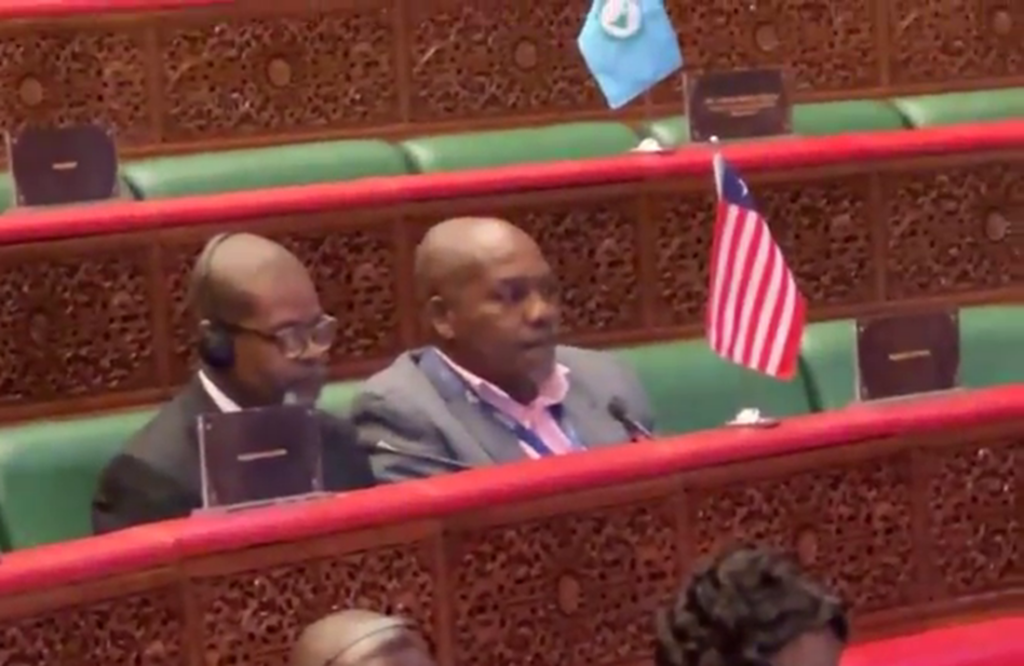
Her remarks were delivered in the presence of senior parliamentary leaders, including representatives from Côte d’Ivoire and members of the Association of African Senates. Included in her delegation from Liberia were Senators Abraham Darius Dillon of Montserrado County and Jonathan B. Sogbe of River Gee County.
The summit is expected to advance discussions on strengthening legislative institutions and deepening democratic governance across Africa.
Follow The Liberian Post on Facebook and X (formerly twitter)