



MONROVIA — The Central Bank of Liberia (CBL) has moved to calm public concerns over its plan to print additional Liberian dollar banknotes, insisting that the move is a necessary economic response—not a trigger for inflation.
Speaking at a press conference on April 8, CBL officials outlined a combination of structural and economic reasons behind the decision, emphasizing that Liberia’s economy remains heavily cash-based.
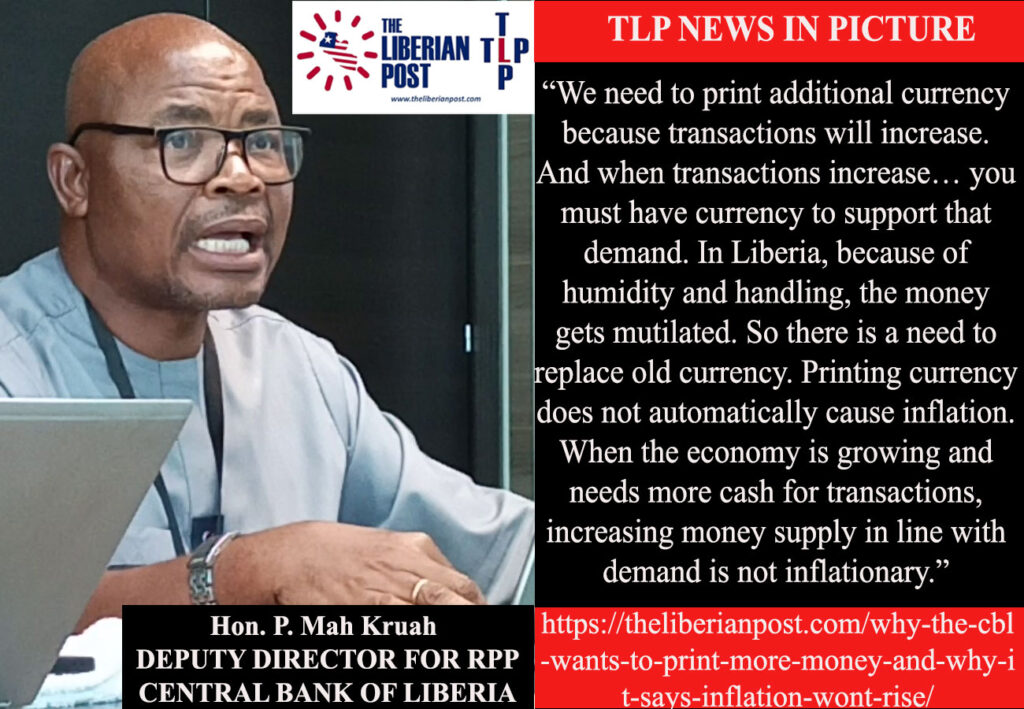
“We need to print additional currency because transactions will increase,” said P. Mah Kruah, Deputy Director for Research, Policy and Planning. “And when transactions increase… you must have currency to support that demand.”
A Cash Economy Under Pressure
According to the Bank, Liberia’s reliance on physical cash—especially in rural areas—continues to drive demand for banknotes despite ongoing digitization efforts.
At the same time, existing banknotes are rapidly deteriorating due to heavy use and environmental conditions.
“In Liberia, because of humidity and handling, the money gets mutilated,” Kruah explained. “So there is a need to replace old currency.”
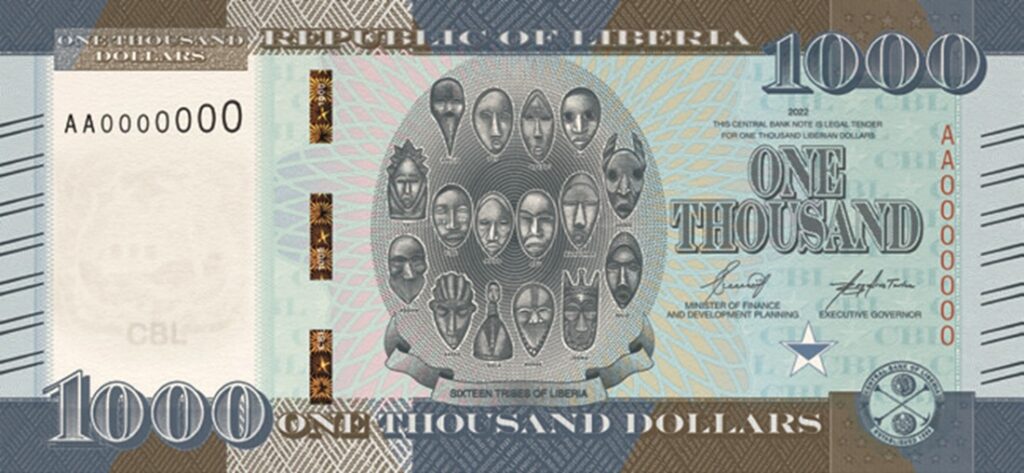
Officials estimate that banknotes have a lifespan of just two to four years, meaning a significant portion of currency printed in recent years, around 2021, is already unfit for circulation.
Inflation Concerns Addressed
Despite public fears, the CBL insists that printing new money does not automatically lead to inflation.
“Printing currency does not automatically cause inflation,” Kruah said. “When the economy is growing and needs more cash for transactions, increasing money supply in line with demand is not inflationary.”
Liberia’s economy, officials noted, grew by over 5 percent in 2025 and is projected to maintain similar growth in 2026—requiring a corresponding expansion in money supply.
To manage inflation risks, the Bank plans to deploy monetary tools such as open market operations and adjustments to reserve requirements.
“We will ensure that banks do not hold excess liquidity that could push inflation upward,” Kruah added.
Complementing Growth, Not Driving It
Senior Technical Advisor Musa Kamara reinforced that the exercise is not about injecting excess cash into the economy.
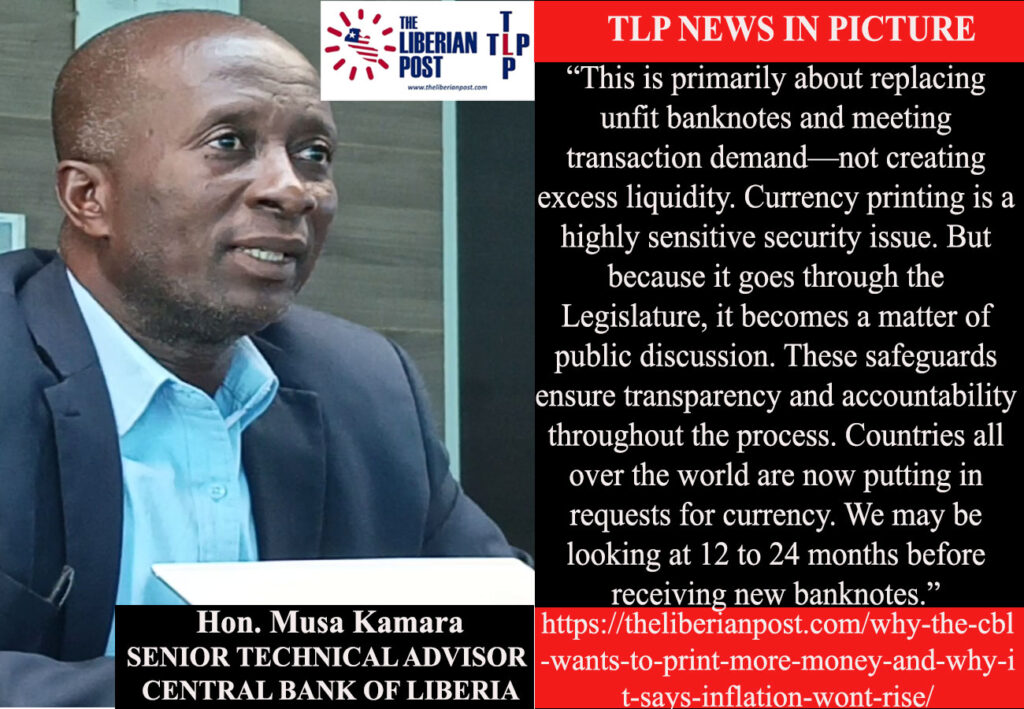
“This is primarily about replacing unfit banknotes and meeting transaction demand—not creating excess liquidity,” Kamara said.
He emphasized that Liberia’s currency management aligns with global best practices, where central banks routinely replenish worn-out notes and adjust supply in response to economic activity.
A Proactive Approach
For his part, Christopher Wallace, Senior Director for Economic Policy, said the Bank is acting early to avoid future shortages.
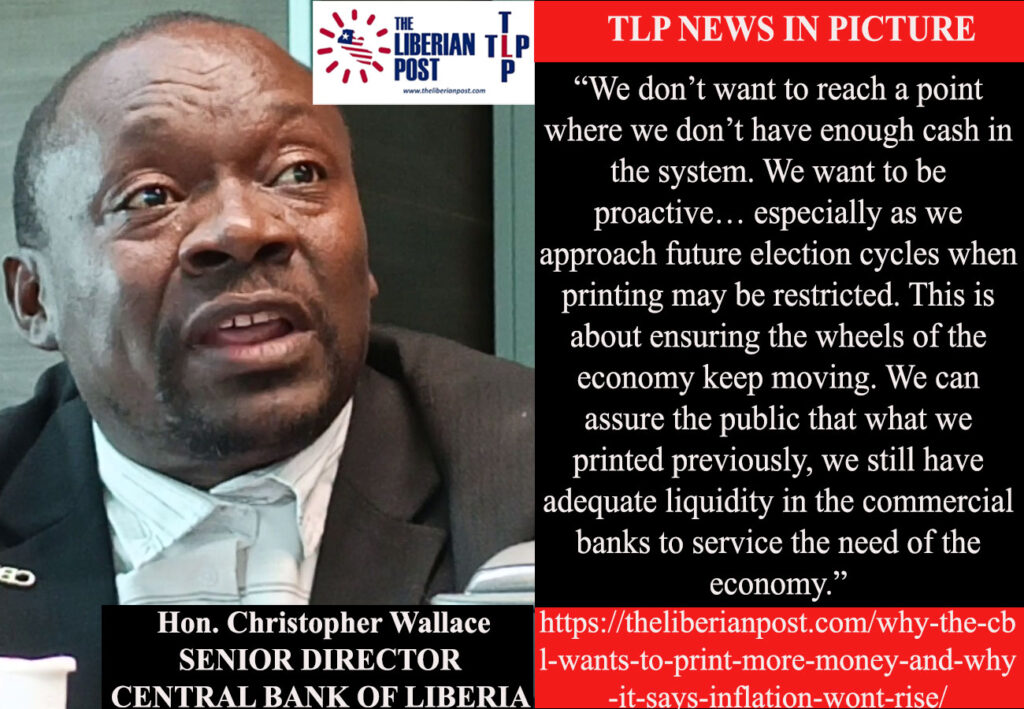
“We don’t want to wait until there is a shortage of cash,” Wallace said. “We want to be proactive… especially as we approach future election cycles when printing may be restricted.”
He also assured the public that current liquidity levels remain adequate, stressing that the initiative is about long-term planning rather than immediate necessity.
Balancing Cash and Digital Future
While acknowledging growing digital payment systems, the CBL maintained that no economy is entirely cashless.
“Digital money and cash are not substitutes—they complement each other,” Kamara noted, pointing to ongoing efforts such as the Instant Payment System aimed at reducing reliance on physical cash.

The Bottom Line
At its core, the Central Bank’s message is clear: the planned printing is a technical and economic necessity, driven by growth, demand, and currency quality—not reckless monetary expansion.
“Two key messages,” Kruah concluded. “We are printing to replace mutilated currency and to support an expanding economy.”
Follow The Liberian Post on Facebook and X (formerly twitter)