–Lawmakers Seek Answers Amid Lingering Concerns Over Traffic Management Concession, Revenue Sharing and Regulatory Oversight
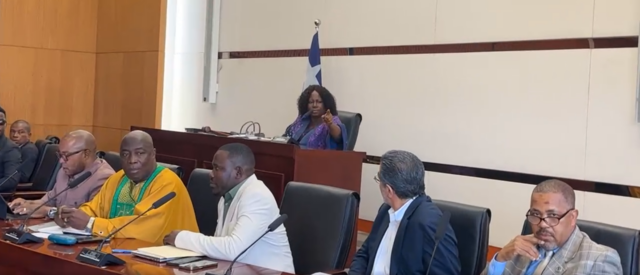
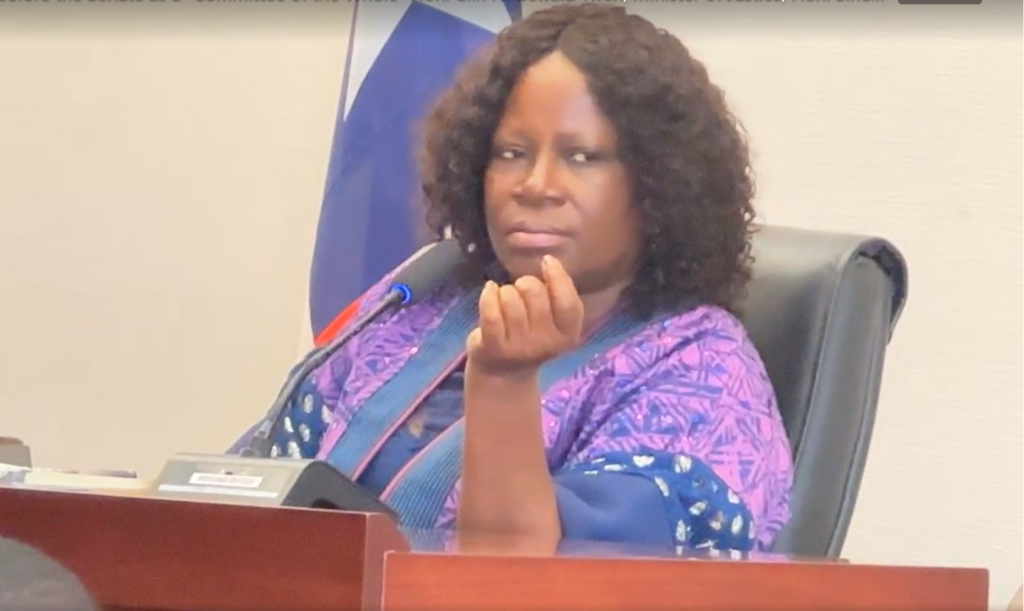
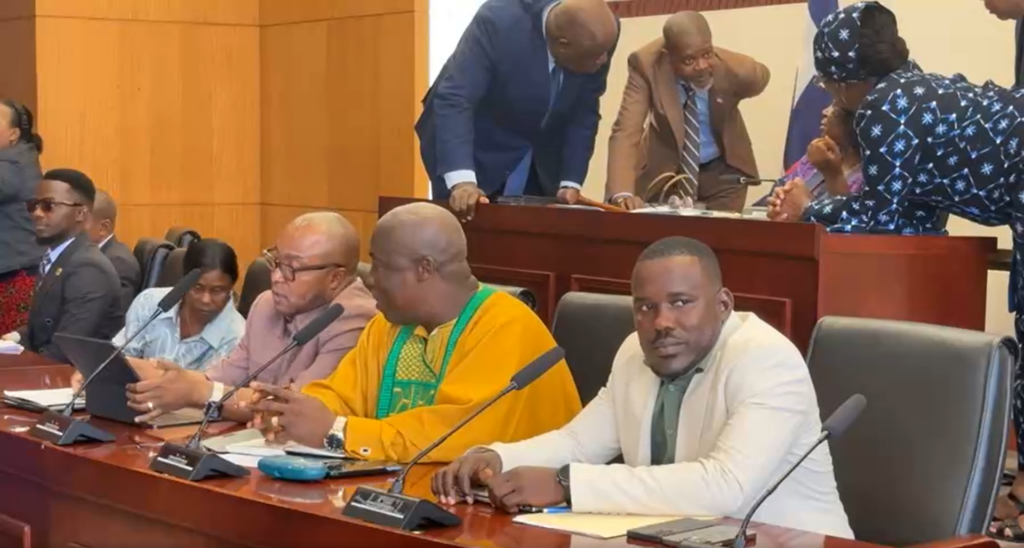
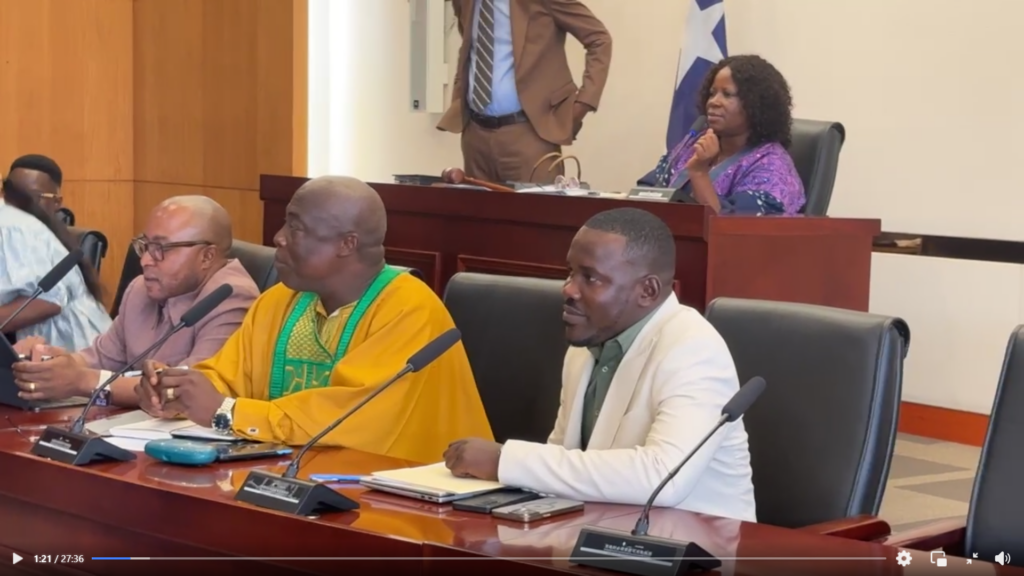
MONROVIA, Liberia – The Liberian Senate has intensified its scrutiny of the controversial Liberia Traffic Management Incorporated (LTMI), summoning key government institutions to explain the status, legality, and operational framework of the traffic management concession that has generated intense public debate since its introduction.
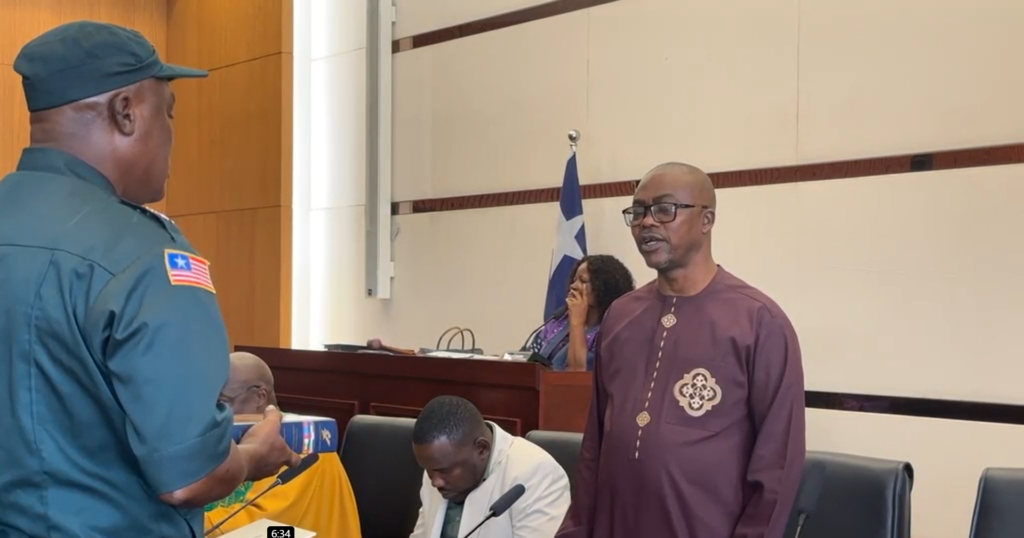
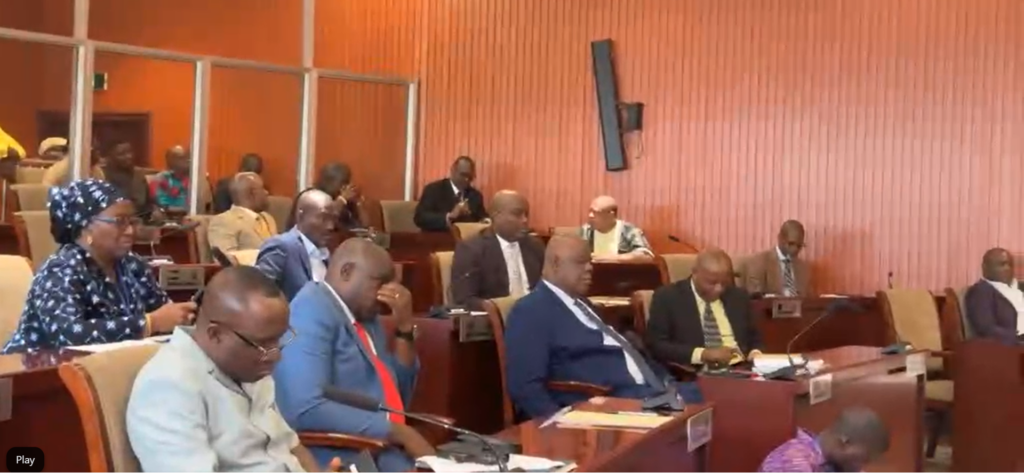
Officials from the Ministry of Transport, the General Services Agency (GSA), the National Bureau of Concessions (NBC), and other government entities appeared before senators this week to respond to concerns surrounding LTMI’s operations, revenue collection mechanisms, regulatory oversight, and contractual obligations.
The hearing comes against the backdrop of growing public concerns over LTMI’s role in vehicle registration, driver licensing, traffic management, and the collection of transportation-related fees across Liberia.
Over the past several years, the company’s operations have repeatedly sparked controversy among motorists, civil society organizations, transport unions, and lawmakers, with critics questioning aspects of its concession agreement and the extent of government oversight.
Transport Minister Admits Regulatory Gap
During the Senate hearing, Transport Minister Sirleaf Tyler acknowledged that LTMI is currently not being regulated directly under the Ministry of Transport’s legal framework.
The Minister explained that the government has invoked provisions to adjust aspects of the concession agreement and hopes that once those revisions are completed, LTMI will become fully subject to the Ministry’s regulatory authority.
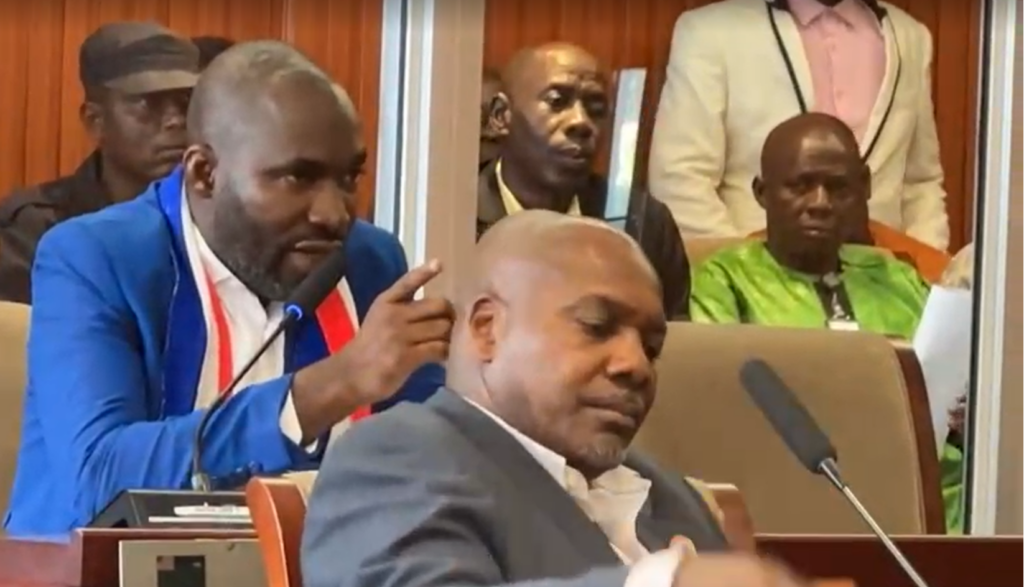
“LMTI is not being regulated legally by the Ministry of Transport, but we are hoping that when we conclude adjustments to the concession agreement which we have invoked, they will be subject to our Ministry of Transport regulations,” Tyler told senators.
His statement is likely to fuel further debate among critics who have long argued that the arrangement created uncertainty regarding oversight and accountability.
The Minister, however, maintained that discussions have been ongoing behind the scenes and indicated that LTMI representatives would also have an opportunity to explain their operations before lawmakers.
NBC Reveals Contract Anomalies
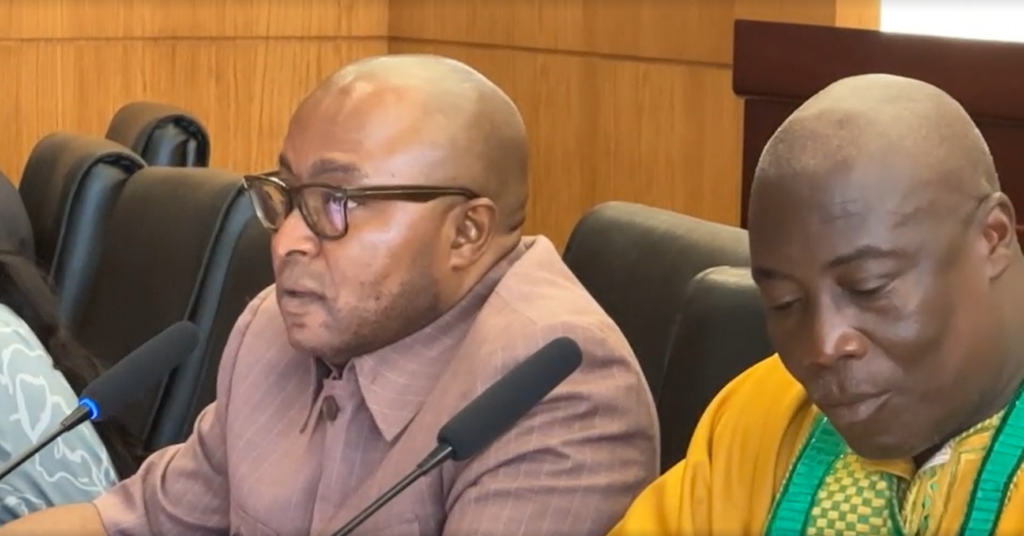
Perhaps the most significant revelations came from the National Bureau of Concessions.
NBC Director General Hanson Senu Kiazolu Sr. informed senators that the LTMI agreement has not yet been fully consummated for complete nationwide implementation because of what he described as “anomalies” identified within the arrangement.
According to Kiazolu, an inter-ministerial committee has been engaged in extensive negotiations to address several outstanding issues before a full operational rollout can proceed.
Among the matters under review are revenue-sharing arrangements, collection mechanisms, remittance procedures, and other technical provisions that government officials believe require clarification or adjustment.
“We try to negotiate to adjust some of those terms through a memorandum of understanding,” Kiazolu explained.
He disclosed that discussions have been progressing positively and expressed confidence that revised arrangements could be finalized before the end of June.
“I think by the end of this month, those arrangements will be consummated, and the full operational rollout of the LTMI will definitely take place,” he said.
Long-Running Controversy
The Liberia Traffic Management Incorporated project was originally introduced as part of broader efforts to modernize Liberia’s transportation sector through digital vehicle registration systems, improved driver licensing, enhanced traffic enforcement, and more efficient revenue collection.
Supporters of the initiative argued that it would reduce fraud, increase government revenue, improve road safety, and bring Liberia’s transportation management system in line with international standards.
However, the project quickly became controversial.
Transport stakeholders and civil society groups raised questions regarding concession terms, service fees, transparency in contract negotiations, and the impact on ordinary motorists.
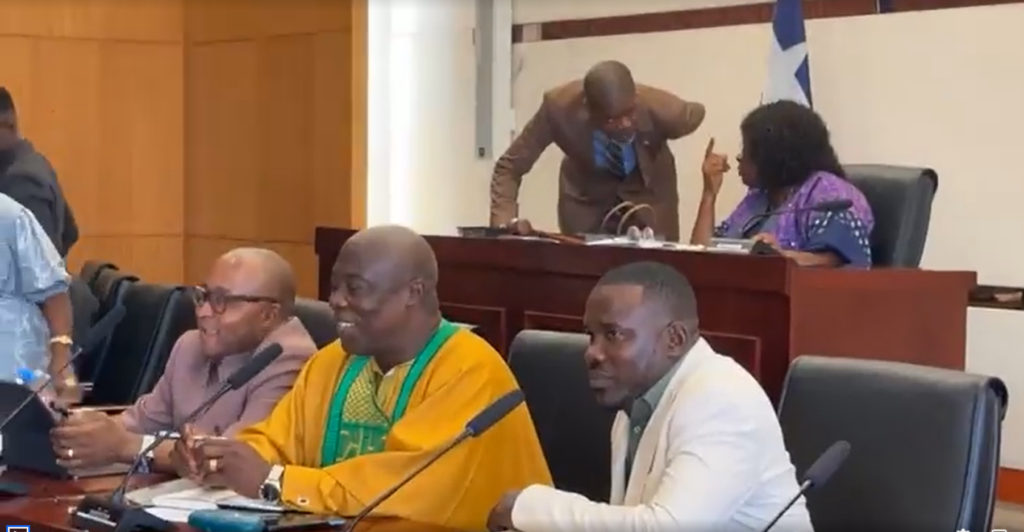
Several lawmakers also questioned whether the arrangement provided adequate safeguards to protect public interests and government revenue streams.
The controversy intensified when concerns emerged about the proportion of revenues being retained by the concessionaire versus amounts remitted to government accounts.
Those concerns eventually led to calls for reviews, audits, and renegotiations of aspects of the agreement.
Government Reviewing Compliance
The NBC disclosed that beyond the ongoing negotiations, it is also taking a tougher stance on monitoring compliance among private entities operating under agreements with the Government of Liberia.
Kiazolu revealed that some contractors and investors have resisted efforts by the Bureau to conduct compliance reviews.
He argued that all entities benefiting from government contracts or concessions must remain accountable to the Liberian people.
“When I took over, I decided that every one of you will be subject to review because the Liberian people are not coming one at a time to look at the contracts you signed and whether you’re living up to them,” he said.
The NBC boss stressed that companies generating significant revenues under government agreements cannot operate without periodic assessments of their performance and contractual obligations.
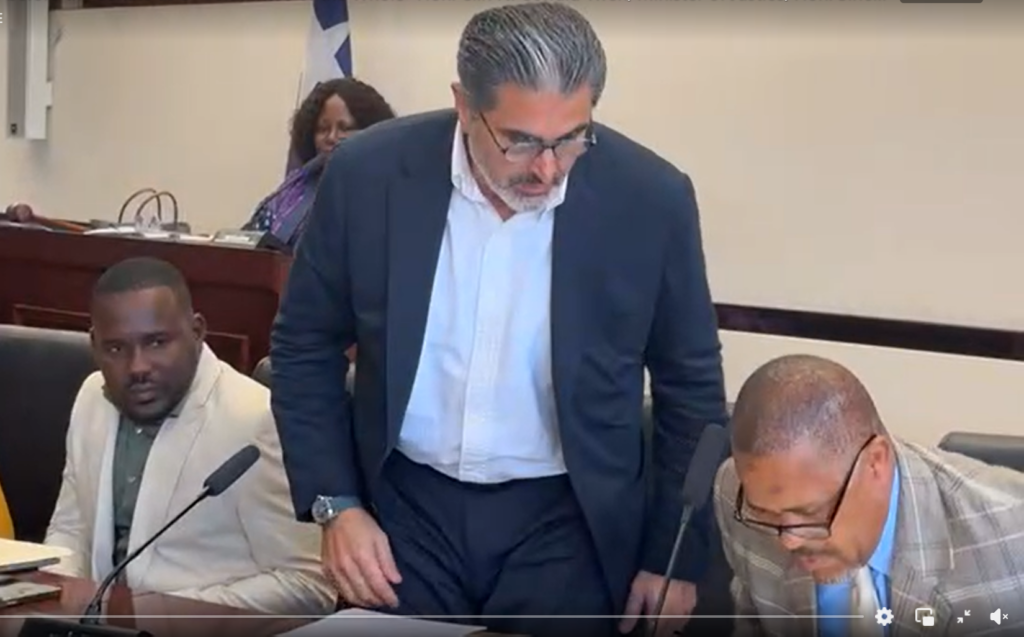
His remarks suggest that the Bureau may be preparing for broader compliance reviews across several government-contracted entities beyond LTMI.
GSA Clarifies Limited Role
Officials from the General Services Agency sought to distance the institution from direct operational responsibility for LTMI.
Representatives told senators that the GSA’s primary mandate relates to government procurement and logistics and that the agency has not been directly involved in managing LTMI’s day-to-day activities.
The agency indicated that it appeared before the Senate largely to provide whatever information fell within its area of responsibility while also listening to explanations from LTMI and other stakeholders.
Senate Demands Accountability
The Senate’s inquiry underscores increasing legislative interest in ensuring that major concession and public-private partnership arrangements operate transparently and deliver measurable benefits to the Liberian people.
Several senators have recently called for closer scrutiny of concession agreements across multiple sectors, arguing that government institutions must exercise stronger oversight over private entities entrusted with public functions.
The LTMI hearing is expected to continue as lawmakers seek additional information from the company itself and other agencies involved in the arrangement.
For now, the testimony has revealed that negotiations remain ongoing, regulatory questions remain unresolved, and the government’s review of LTMI’s operations is far from complete.
As the Senate pushes for greater clarity, the outcome of the review could significantly influence the future direction of one of Liberia’s most debated transportation-sector concessions.
Follow The Liberian Post on Facebook (https://web.facebook.com/profile.php?id=61576017166570) and X, formerly twitter (https://x.com/LiberianPost).