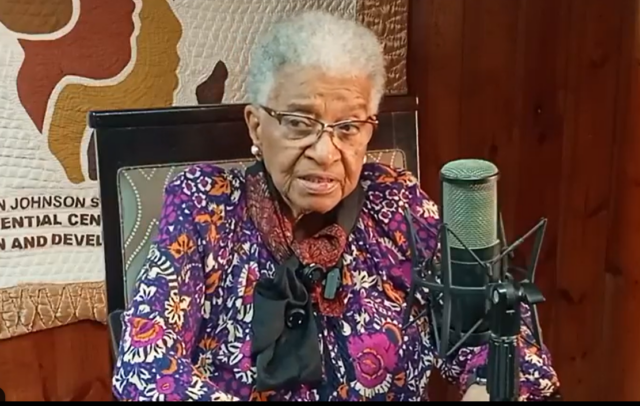
CONGO TOWN, Monrovia – Former President Ellen Johnson Sirleaf has delivered a sweeping critique of governance and civic conditions in Liberia, sharply condemning the state of Monrovia’s sanitation and urban planning while also defending freedom of speech amid ongoing tensions between lawmakers and Montserrado County District #10 Representative Yekeh Kolubah.
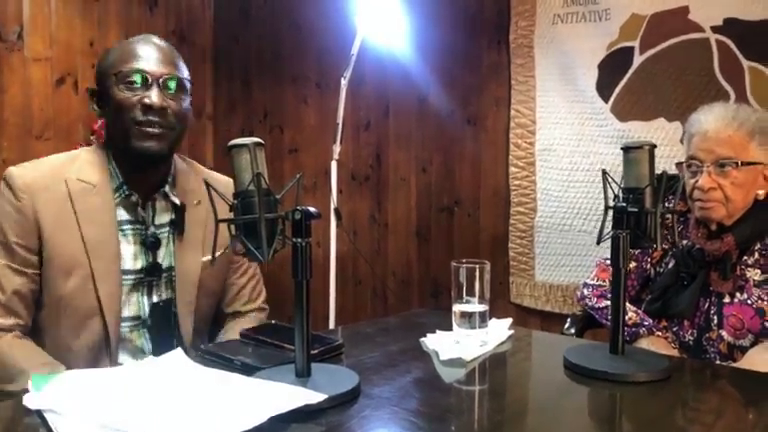
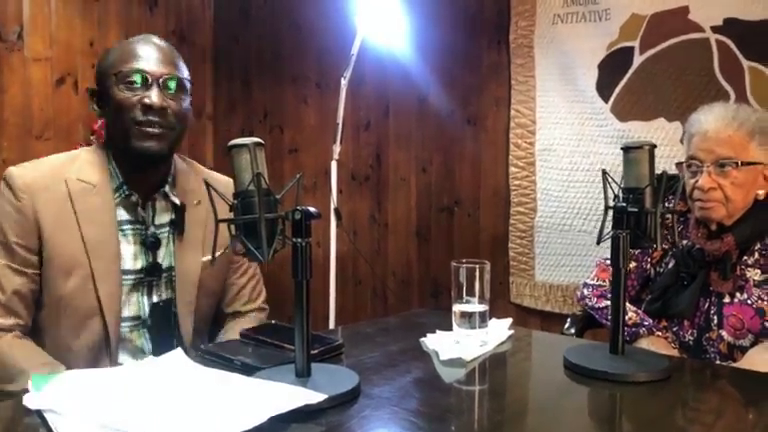
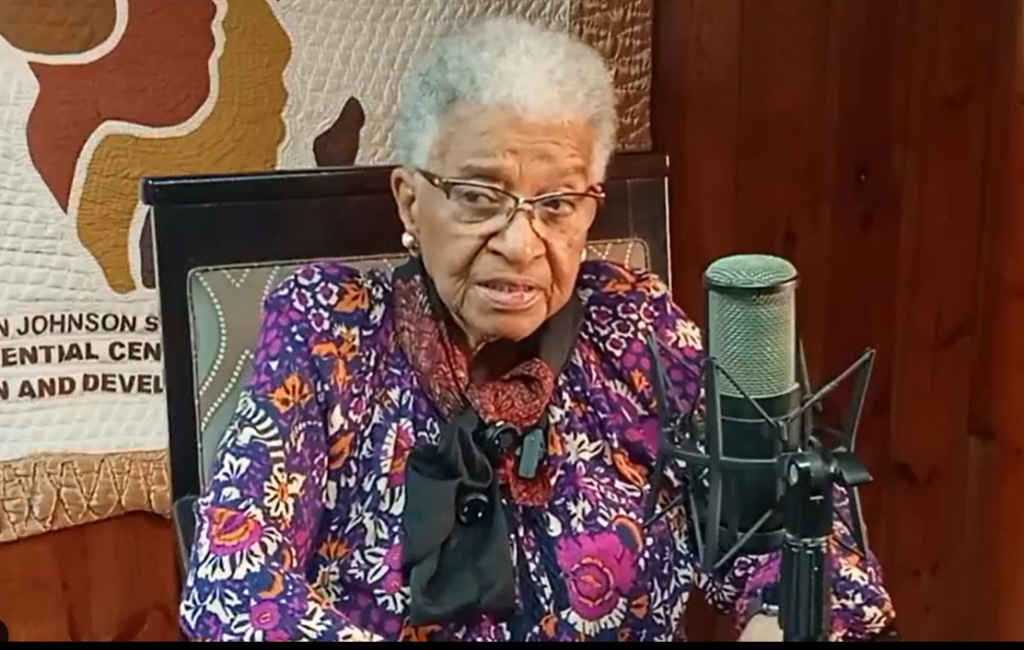
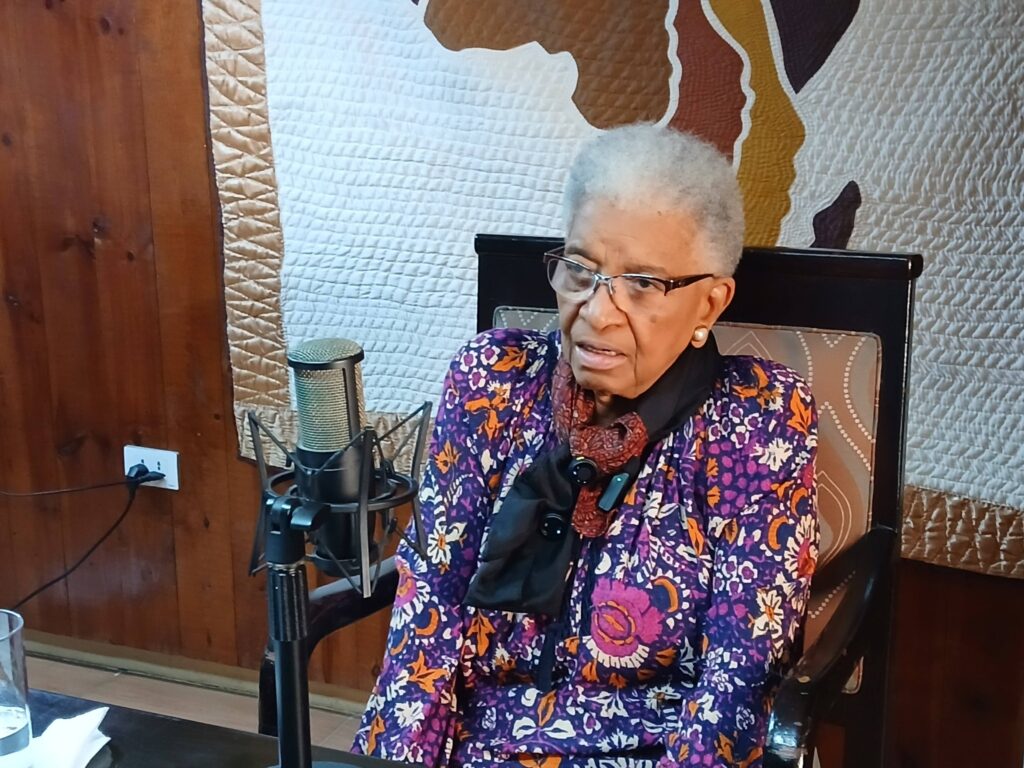
Speaking during a radio interview earlier this week, the Nobel Laureate did not mince words as she addressed what she described as both physical and institutional decline in the country.
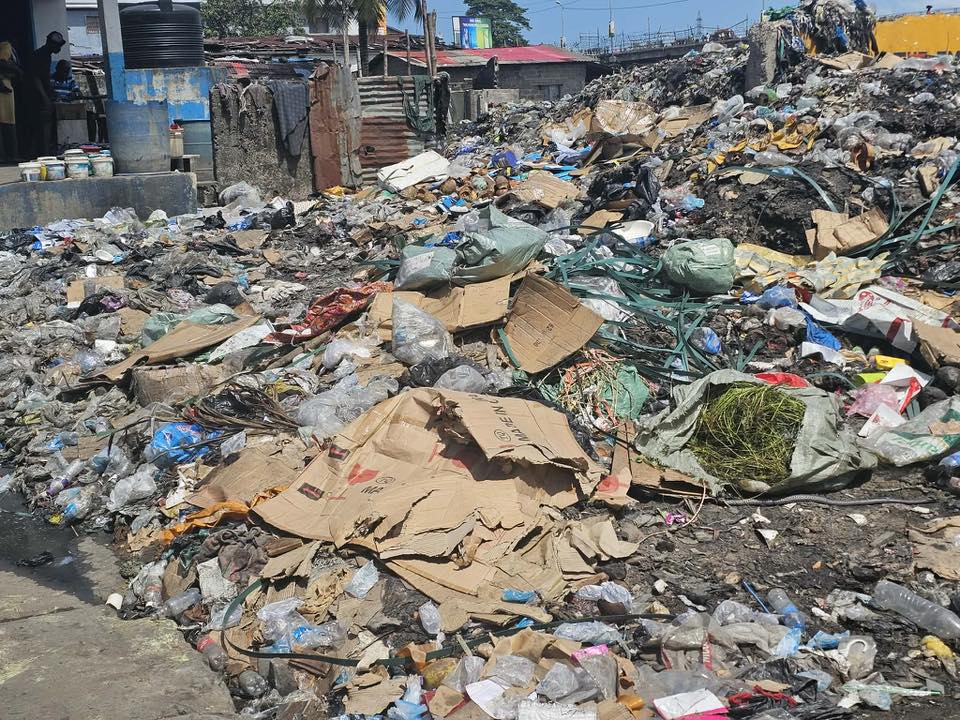
“This City is Filthy” — Sirleaf Sounds Alarm on Monrovia
In one of her most striking remarks, Sirleaf painted a bleak picture of the capital city, expressing personal disappointment over its current condition.
“This city is filthy. The city is dirty. I drive through it and I am ashamed,” she said, underscoring concerns about poor waste management, unregulated street trading, and the visible deterioration of public spaces.
Her comments come amid growing public frustration over sanitation in Monrovia, where clogged drainage systems, scattered garbage, and informal structures continue to define large portions of the urban landscape.
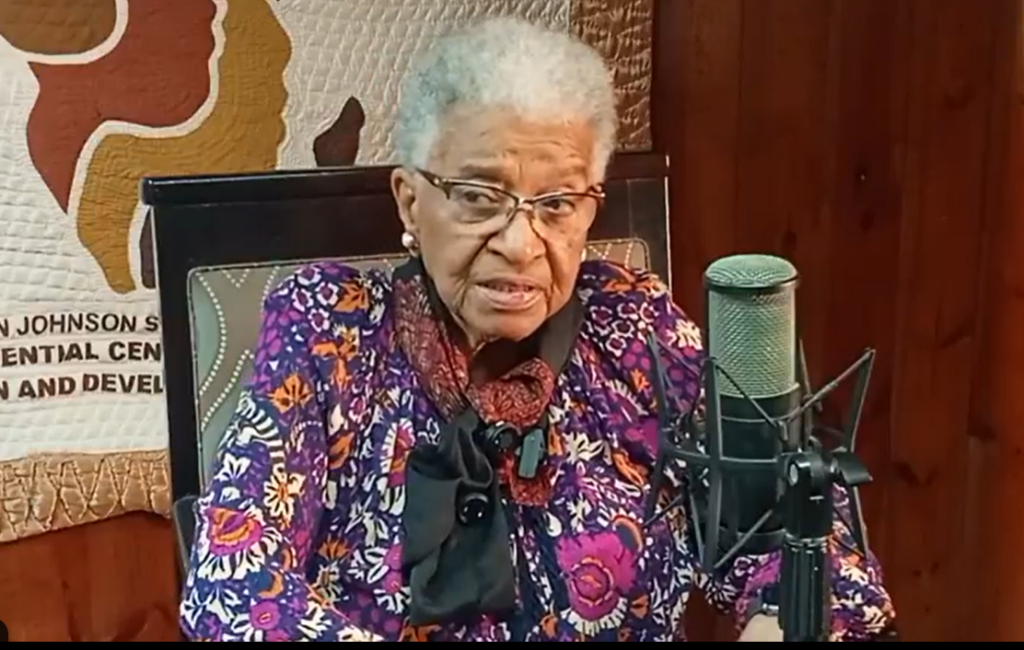
Sirleaf stressed that the situation goes beyond aesthetics, warning that it has direct implications for public health, tourism, and investor confidence.
“When visitors come and see this, they say terrible things about the country,” she noted. “It affects how Liberia is perceived and whether people want to invest here.”
Urban Planning Failures and Governance Gaps
Beyond sanitation, the former President criticized what she described as weak urban planning and poor execution of infrastructure projects.
She pointed to delays in road construction and the lack of coherent city planning as evidence of deeper governance inefficiencies.
“It should not take two years to build a road with no clear explanation,” she said, questioning the pace and transparency of ongoing infrastructure works.
Sirleaf argued that effective urban management requires coordination between national and municipal authorities, as well as strict enforcement of zoning laws—areas she suggested need urgent attention.
“These are things that did not have to be this way,” she added. “With proper planning and discipline, the city can be transformed.”
Missed Economic Opportunities in Sanitation
In a notable policy suggestion, Sirleaf framed the city’s sanitation crisis as a missed opportunity for job creation, particularly for young people.
“We talk about jobs for young people—cleaning the city is an opportunity,” she said.
She emphasized that structured waste management programs, if properly implemented, could generate employment while addressing environmental challenges.
Her remarks align with broader calls from development experts who argue that urban sanitation systems can be leveraged as part of inclusive economic growth strategies.
Defending Free Speech in the Kolubah Debate
Shifting from governance to democratic rights, Sirleaf weighed in on the controversy surrounding Representative Yekeh Kolubah, whose confrontational style and criticisms of the government have drawn disciplinary responses from fellow lawmakers.
Sirleaf firmly defended the principle of free expression, recalling her own role in strengthening press freedom during her presidency.
“I signed into law the independence of freedom of speech,” she said. “I do not think there is a reason for anyone to be penalized simply for exercising that right.”
Her comments appear to caution against what some observers see as increasing intolerance for dissent within political institutions.
Balancing Rights with Responsibility
While defending free speech, Sirleaf acknowledged that it must be exercised responsibly, emphasizing the need for civility in public discourse.
“Freedom of speech carries responsibility,” she noted. “People must speak in a way that contributes to national development, not division.”
However, she stressed that disagreement and criticism are essential components of a functioning democracy and should not be suppressed.
“You cannot build a democratic society if people are afraid to speak,” she added.
A Broader Call for Leadership and Accountability
Taken together, Sirleaf’s remarks reflect a broader concern about leadership, accountability, and the direction of governance in Liberia.
From the physical state of Monrovia to the handling of political dissent, she urged leaders to act with greater responsibility and vision.
“We must do better. This is our country,” she said. “Leadership is about setting standards—both in how we manage our cities and how we respect the rights of our people.”
Her intervention adds a powerful voice to ongoing national debates about governance reform, urban management, and democratic freedoms—issues that continue to shape Liberia’s political and developmental trajectory.
Follow The Liberian Post on Facebook and X (formerly twitter)