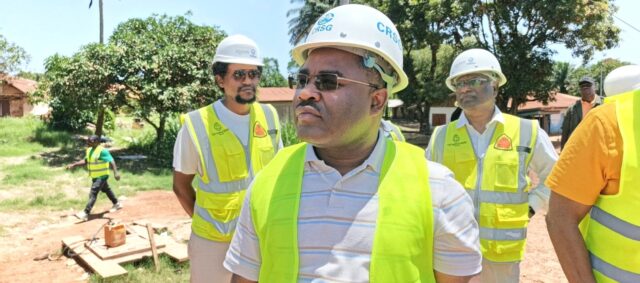
MONROVIA — The Executive Director for Africa at the World Bank Group, Zarau Wendeline Kibwe, has concluded a high-level visit to Liberia, advancing discussions on financing the government’s ambitious Legacy Corridor project while assessing the performance of ongoing World Bank-supported initiatives.
Dr. Kibwe’s visit follows engagements at the recent World Bank Spring Meetings in Washington, D.C., where initial discussions were held on mobilizing support for the large-scale infrastructure project.
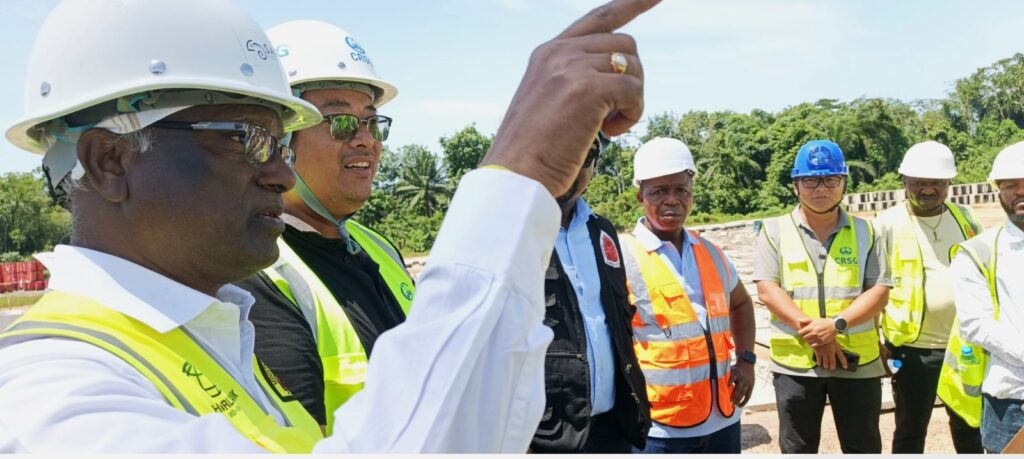
Focus on Transformational Infrastructure
The proposed Legacy Corridor is a flagship infrastructure initiative expected to span Grand Bassa, Bong, and Nimba Counties, with the aim of enhancing regional connectivity, stimulating economic activity, and creating jobs.
Officials say the corridor is central to Liberia’s long-term development strategy, linking key production zones and improving access to markets and services.
Dr. Kibwe’s mission, according to officials, is to assess the project’s economic viability, align it with the World Bank’s development priorities, and advance financing negotiations.
Inspection of Ongoing Projects
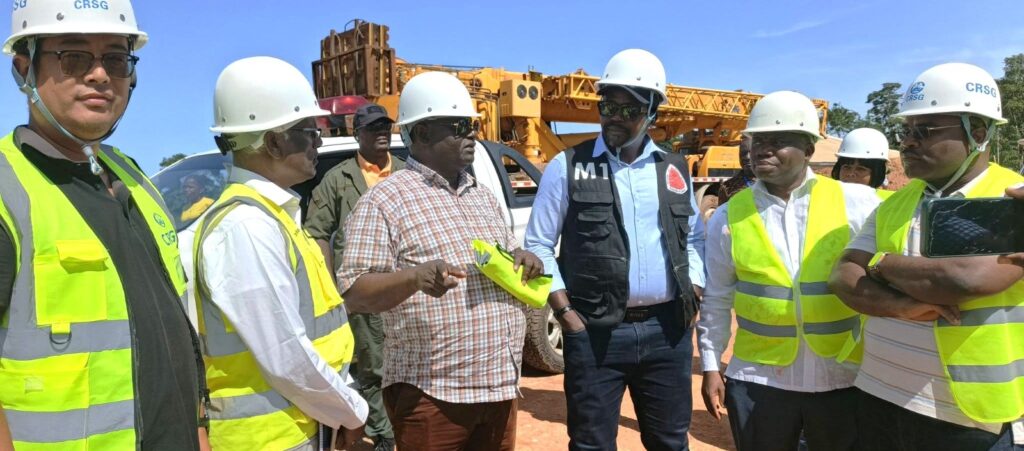
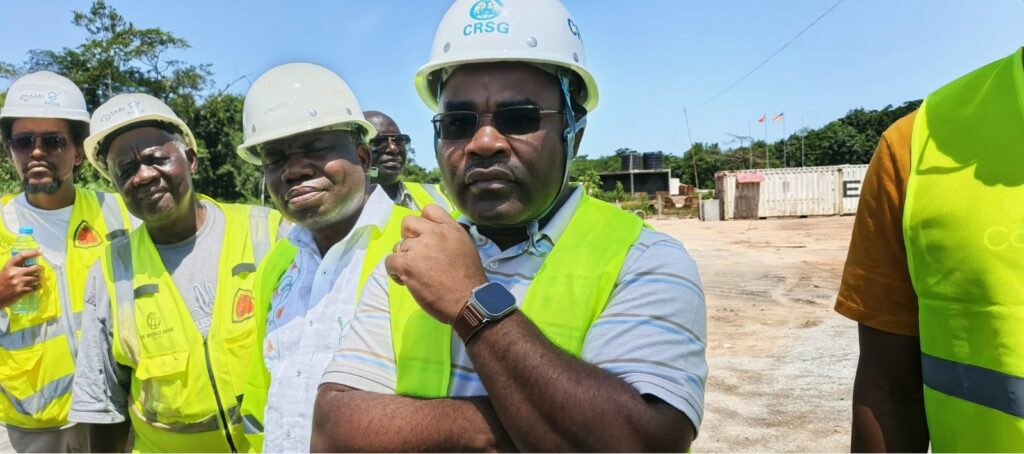
As part of the visit, Dr. Kibwe joined a government delegation led by Public Works Minister Roland Layfette Giddings, alongside Deputy Finance Minister Dehpuo Zuo and Deputy Education Minister Nyekeh Y. Forkpa, on a field tour of World Bank-supported projects.
The delegation visited newly constructed model schools in Bong and Nimba Counties, where Dr. Kibwe expressed satisfaction with the government’s utilization of development resources.
SECRAMP Road Near Completion
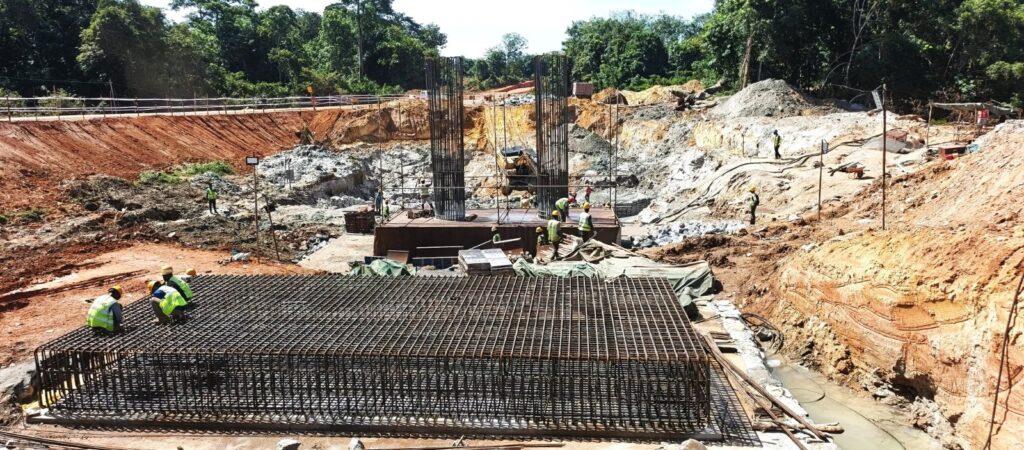
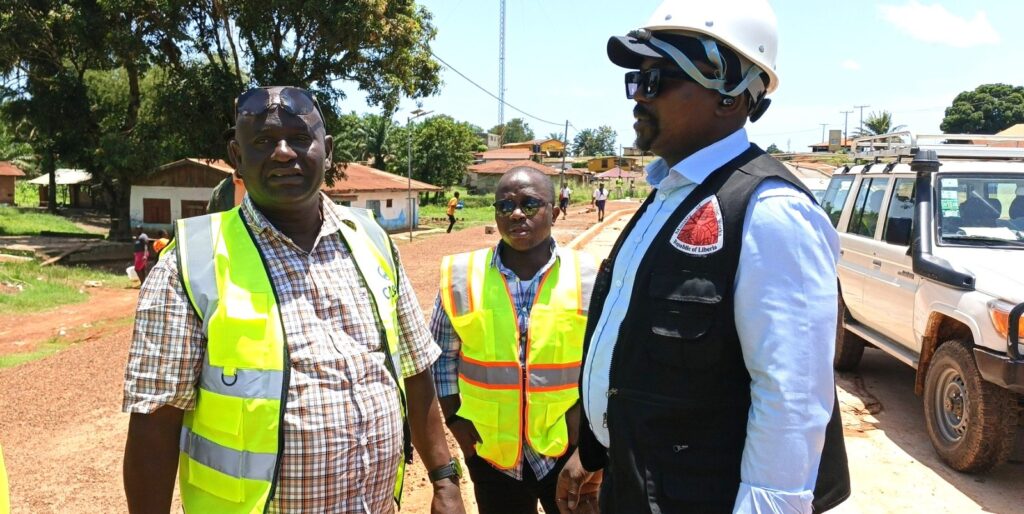
The team also inspected the SECRAMP road project, particularly Lots 1 and 2 covering the Ganta–Saclepea and Saclepea–Tapita corridors.
According to Emmanuel Baker, the project has reached approximately 94 percent completion.
While most pavement works have been finalized, ongoing bridge construction in Saclepea remains a critical component, with completion expected by September 2026. The overall project is slated for completion in March 2027, followed by a 12-month defect liability period.
Economic Impact Already Visible
Minister Giddings highlighted the corridor’s growing economic impact, noting that more than 80 new construction developments have emerged along the route since work began.
He reaffirmed the government’s commitment to transparency and accountability in managing World Bank-funded projects, stressing that infrastructure development remains a priority under the current administration.
World Bank Signals Continued Support
In his remarks, Dr. Kibwe emphasized the transformative potential of the Legacy Corridor, describing it as more than just a road project.
“What we are witnessing in Liberia is a clear demonstration of how strategic infrastructure investments can transform lives,” he said.
“The Legacy Corridor is not just a road project—it is a pathway to economic empowerment, regional integration, and dignity for thousands of Liberians. If the government remains committed to transparency and results, the World Bank will continue to stand as a reliable partner in Liberia’s development journey.”
He further assured Liberian authorities that the World Bank will apply rigorous due diligence at every stage of the project to ensure successful implementation.
Aligning with Broader Development Goals
Dr. Kibwe concluded by commending the Government of Liberia for its progress in implementing development projects, noting that current initiatives align with the World Bank’s broader vision of promoting sustainable and inclusive growth across Africa.
The visit, officials say, marks a critical step toward securing financing for the Legacy Corridor, a project widely seen as a potential game-changer for Liberia’s economic transformation.
Follow The Liberian Post on Facebook and X (formerly twitter)