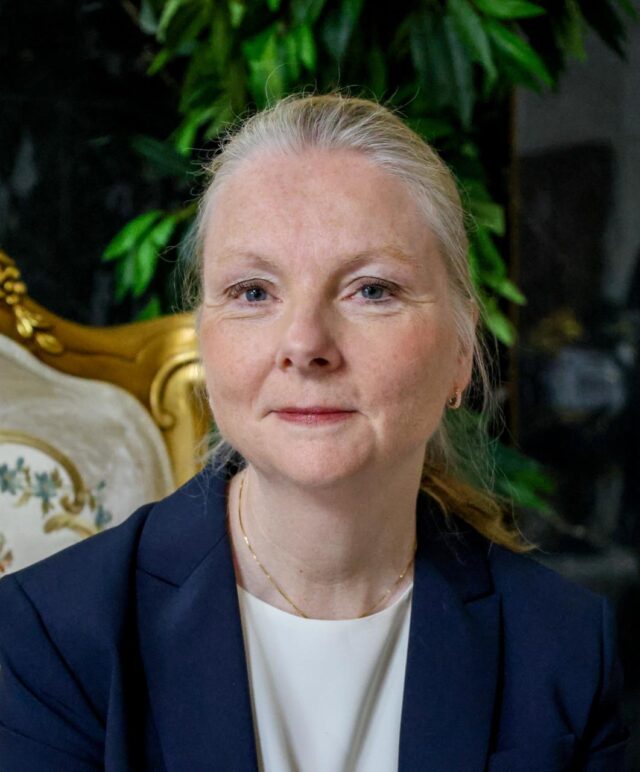
MONROVIA — The Chair of the Liberia Configuration of the United Nations Peacebuilding Commission (PBC), Nicola Clase, has concluded a high-level visit to Liberia, reaffirming strong international support for the country’s peacebuilding agenda and democratic consolidation.
The visit brought together a broad spectrum of stakeholders, offering an opportunity to assess Liberia’s progress in sustaining peace while identifying areas requiring continued attention and support.
Liberia Praised as Model for Peacebuilding
Speaking at the close of the mission, Ambassador Clase described Liberia as “a global role model for peacebuilding and post-conflict transition,” stressing that the country’s journey remains a shared responsibility.
“Liberia’s progress reflects strong political will over several years, and the shared responsibility of its people and institutions,” she said.
She emphasized that peacebuilding efforts must remain inclusive, nationally owned, and locally driven, with sustained international backing.
High-Level Engagements with National Leaders
During the visit, the delegation—comprising representatives from Sweden, Morocco, and Liberia’s Permanent Mission to the United Nations—held meetings with President Joseph Nyuma Boakai, as well as former Presidents George Manneh Weah and Ellen Johnson Sirleaf.
Discussions focused on Liberia’s continued commitment to peace, democratic governance, and transitional justice. Ambassador Clase also extended an invitation to President Boakai to brief the Peacebuilding Commission in New York on Liberia’s development and peacebuilding priorities.
Recognition of Democratic Gains
The delegation commended Liberia for the peaceful conduct of the 2023 general elections and the smooth transfer of power, describing both as a testament to the country’s democratic maturity.
Liberia’s election to the United Nations Security Council for the 2026–2027 term was also highlighted as a strong signal of international confidence in its governance trajectory.
Focus on Justice, Inclusion, and Institutions
Key discussions during the visit centered on advancing accountability and transitional justice, including ongoing efforts to establish a War and Economic Crimes Court.
The delegation also emphasized:
- The importance of strengthening democratic institutions
- Expanding access to quality education as a foundation for peace
- Protecting civic space and promoting inclusive governance
Special attention was given to the role of women and youth, with Liberia’s National Action Plan on Youth, Peace and Security recognized as a significant step toward inclusive participation.
Community Engagement and Development Projects
As part of the mission, the delegation visited local communities and toured projects supported by the UN Secretary-General’s Peacebuilding Fund. These initiatives focus on youth empowerment, substance abuse rehabilitation, anti-corruption efforts, and civic education.
The delegation underscored the importance of decentralization, community-based peace structures, and addressing land-related challenges as critical to sustaining long-term peace.
Commitment to Continued Support
Ambassador Clase reaffirmed the Peacebuilding Commission’s commitment to supporting Liberia’s ongoing efforts, noting that the United Nations is undertaking a Peacebuilding Impact Spotlight study to document lessons from the country’s experience.
“Liberia’s peace story is still being written,” she said. “We must build on what has been achieved, support those shaping it today, and empower future generations to carry it forward.”
Her remarks reflect a broader consensus among international partners that while Liberia has made remarkable progress, sustained effort and collaboration remain essential to consolidating peace and development gains.
Follow The Liberian Post on Facebook and X (formerly twitter)