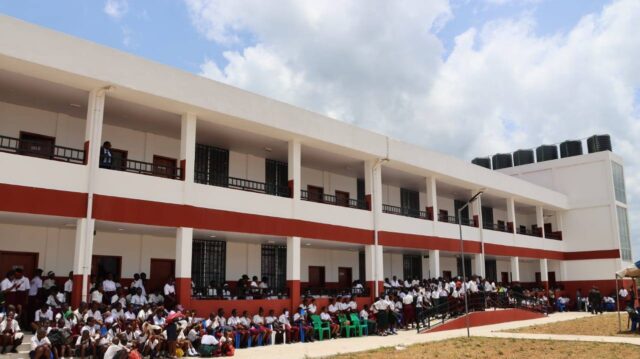
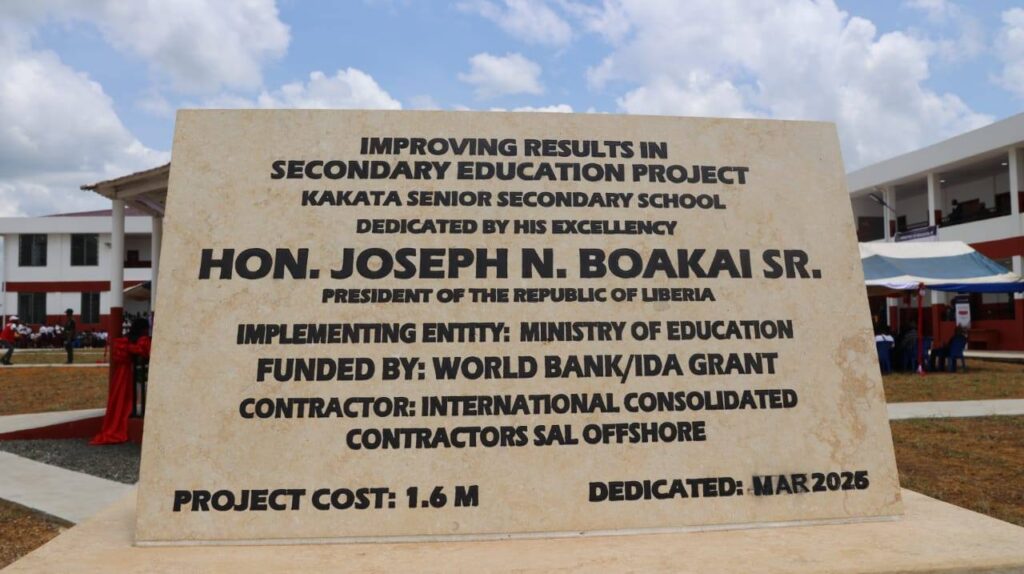
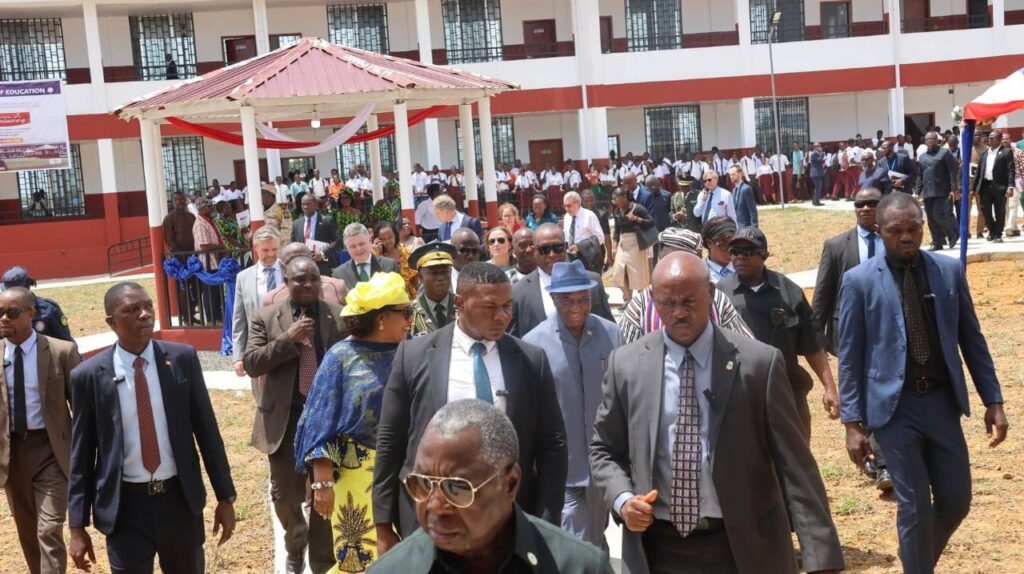
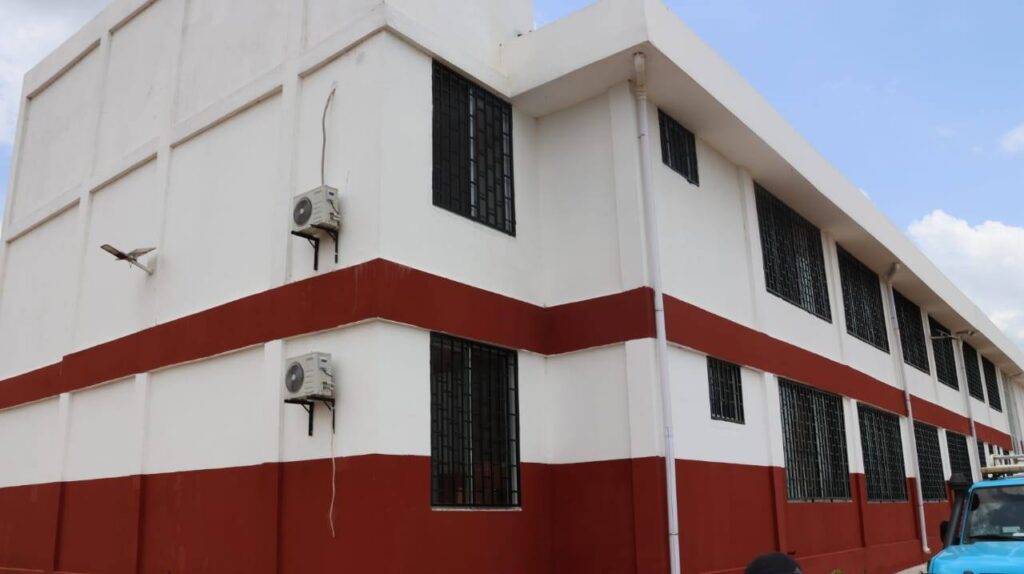
KAKATA, Margibi County — The Government of Liberia, in partnership with the World Bank, has commissioned a state-of-the-art senior secondary school in Kakata, signaling what officials describe as a major shift toward quality-driven education reform.
The Kakata Senior Secondary Model School, inaugurated on March 19, is designed to accommodate up to 1,000 students and features modern facilities including science laboratories, ICT labs, solar power systems, and sports infrastructure.
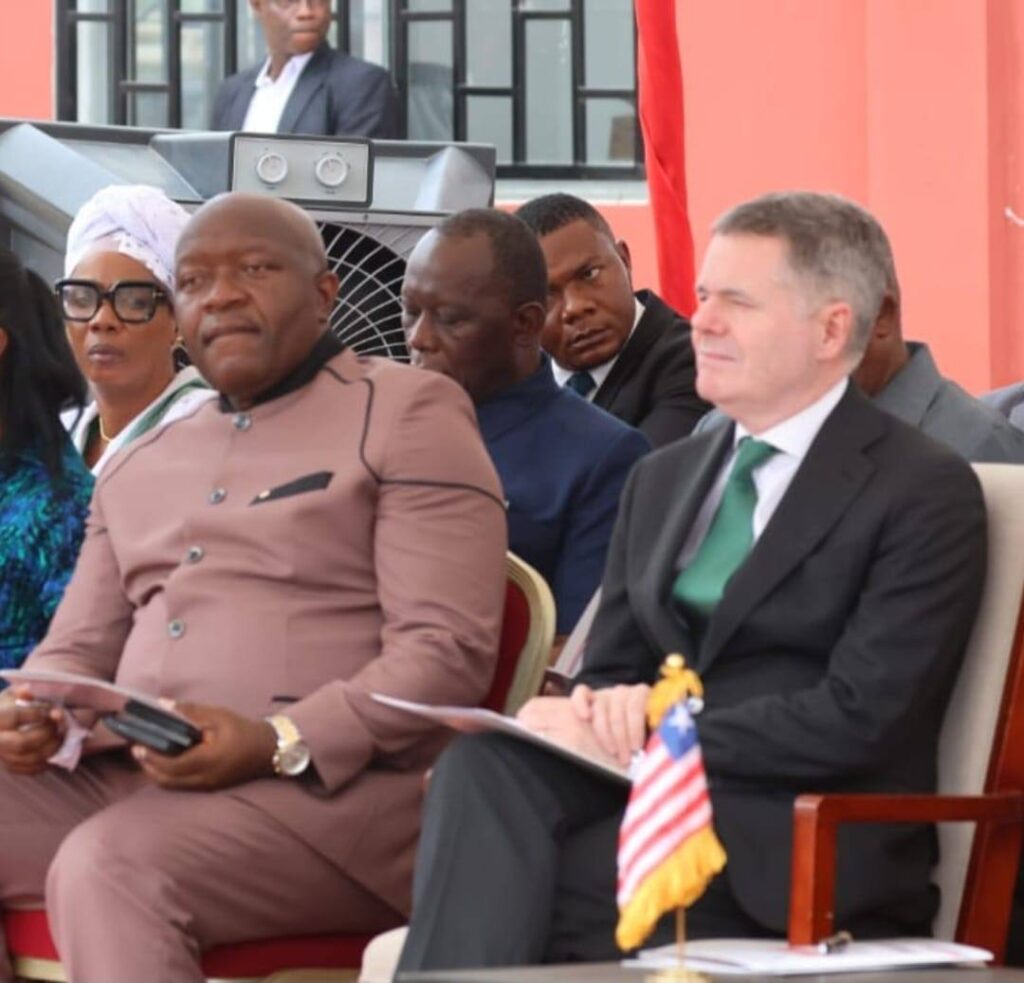
World Bank Managing Director and Chief Knowledge Officer Paschal Donohoe described the project as a transformative investment in Liberia’s future.
“This is more than the opening of a school building,” Donohoe said. “It is a powerful statement of national ambition and confidence in Liberia’s future.”
“Every classroom represents hope—for young people, for families, and for communities.”
A Shift from Access to Quality
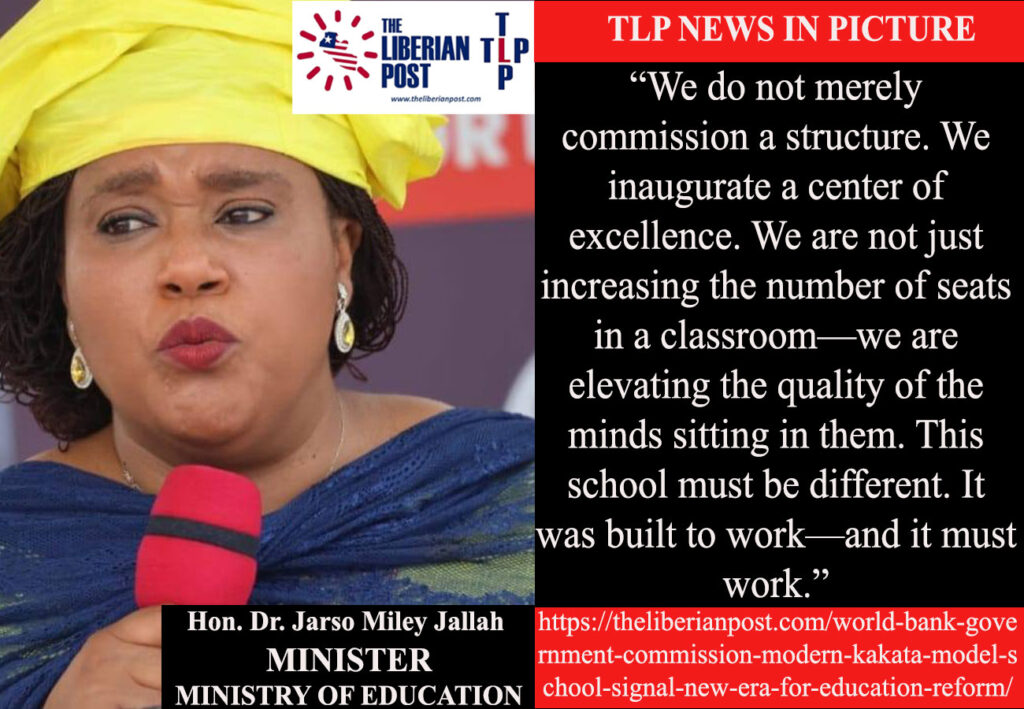
Education Minister Dr. Jarso Maley Jallah emphasized that the project represents a deliberate shift from simply expanding access to improving the quality of education.
“We do not merely commission a structure,” she said. “We inaugurate a center of excellence.”
The Minister stressed that the school is designed not just to house students, but to enhance learning outcomes through practical, technology-driven instruction.
“We are not just increasing the number of seats in a classroom—we are elevating the quality of the minds sitting in them,” she added.
A Fully Equipped Learning Environment
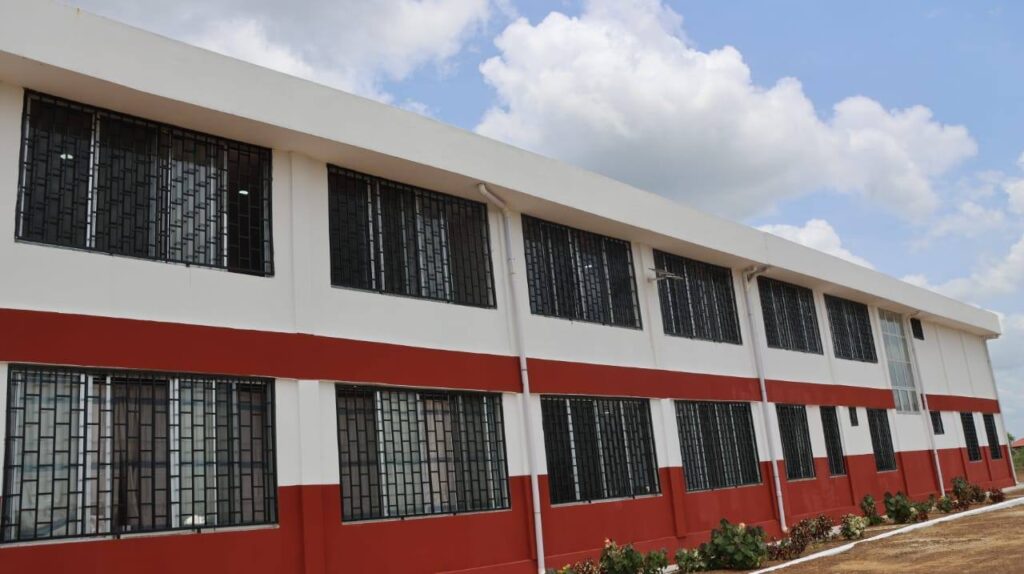
According to the Ministry of Education, the Kakata Model School includes:
- 15 modern classrooms
- Fully equipped science laboratories (physics, chemistry, biology)
- ICT lab to support digital learning
- Solar and water systems for uninterrupted operations
- Sports facilities for holistic development
The facility is also expected to ease overcrowding in Margibi County and serve as a benchmark for future school development nationwide.
“This school must be different. It was built to work—and it must work,” Minister Jallah emphasized.
Part of a Broader Investment Strategy
The World Bank has invested approximately US$89 million in Liberia’s education sector over the past decade, supporting initiatives aimed at improving access, quality, and system efficiency.
Donohoe noted that the investment aligns with broader efforts to tackle poverty and expand opportunities across Liberia.
“Education doesn’t just shape skills—it changes your future,” he said.
Community Ownership and Sustainability
Local leaders and community representatives welcomed the project, describing it as a major boost for education in Margibi County.
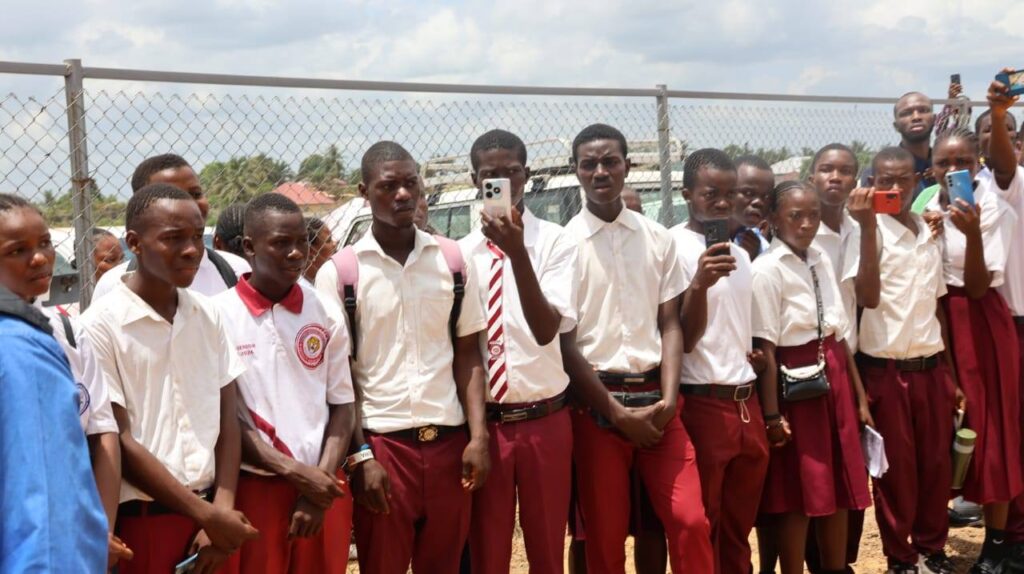
Traditional leaders presented symbolic gifts to World Bank representatives, expressing appreciation for the partnership and calling for continued support.
Officials emphasized that sustaining the school’s standards will require active community involvement, strong leadership, and consistent monitoring.
A Model for the Future
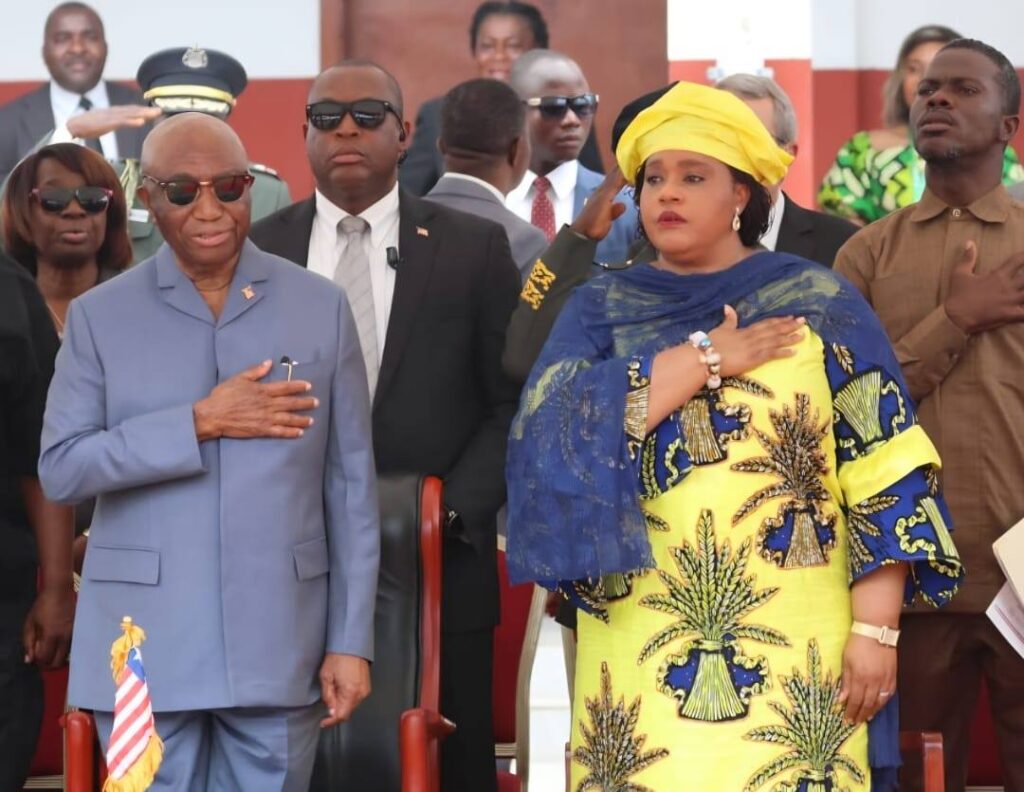
The Kakata facility is part of a growing network of model schools already established in other parts of the country, including Bong and Nimba Counties.
According to the Ministry of Education, the model is intended to serve as a blueprint for nationwide reform—ensuring that investments translate into measurable improvements in learning outcomes.
Looking Ahead
As Liberia seeks to rebuild and modernize its education system, the commissioning of the Kakata Model School marks a significant milestone.
For both the government and its partners, the message is clear: the future of Liberia depends not just on building schools—but on building institutions that work.
And in Kakata, that future has taken a decisive step forward.
Follow The Liberian Post on Facebook and X (formerly twitter).