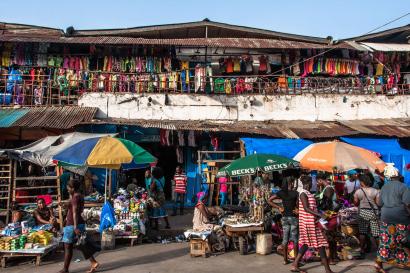
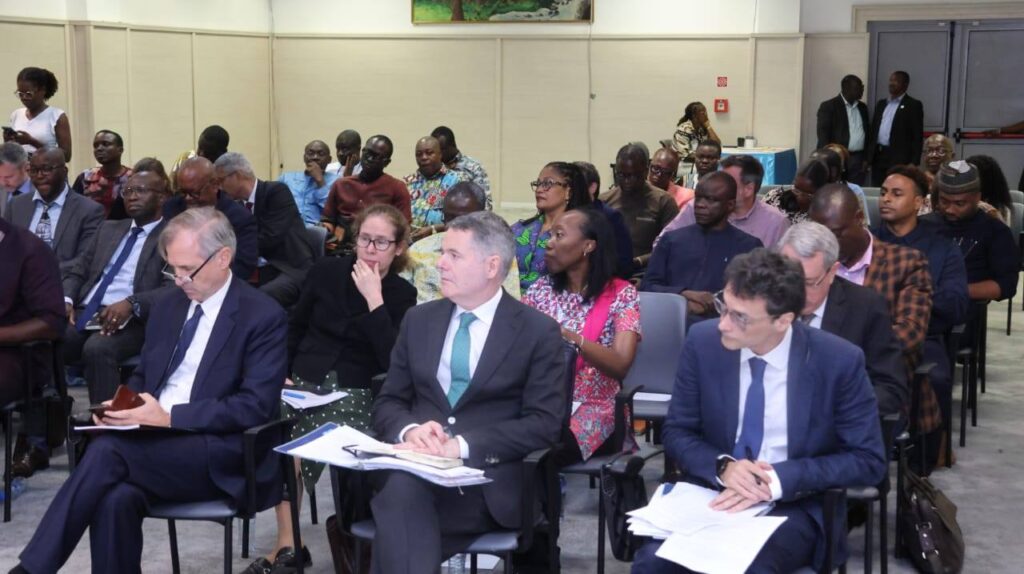
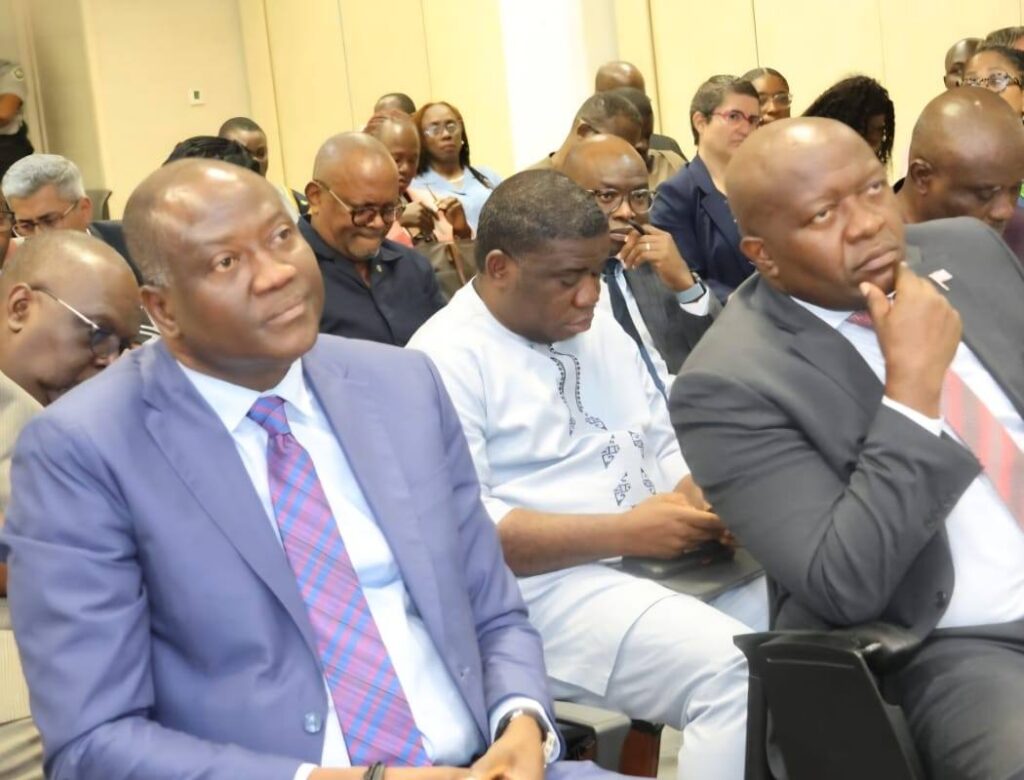
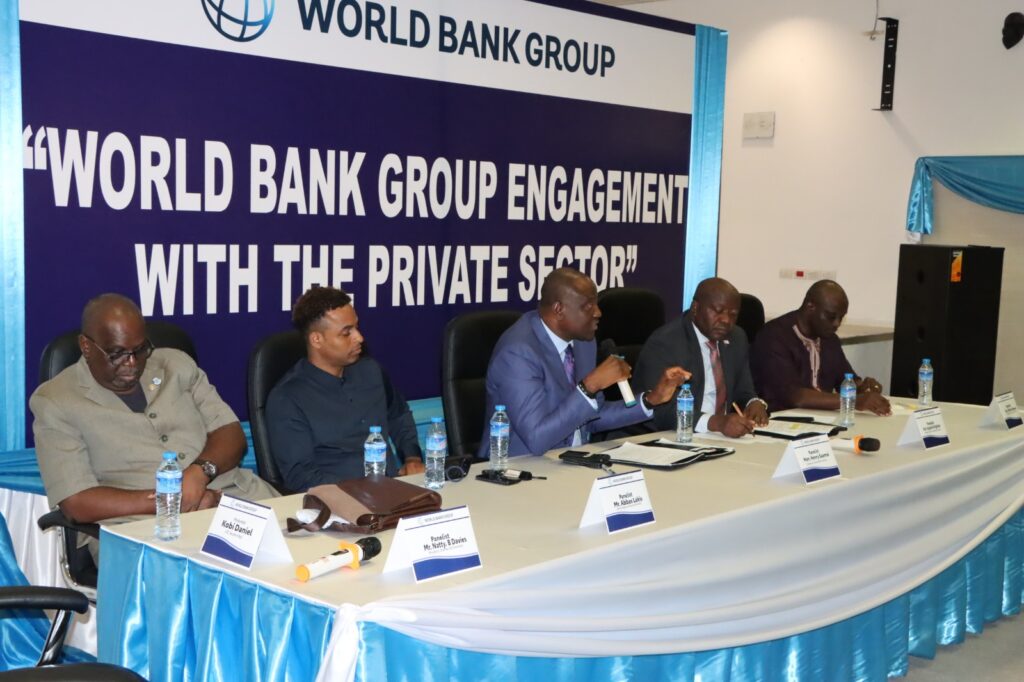
MONROVIA — Liberian-owned businesses are increasingly being shut out of economic opportunities due to restrictive policies, weak procurement systems, and structural barriers that favor larger or foreign firms, stakeholders warned during a World Bank–private sector dialogue at the Central Bank of Liberia.
Participants described a system where, despite policy intentions to empower local businesses, implementation gaps continue to exclude them from meaningful participation in the economy.
Procurement Barriers Under Scrutiny
A major point of contention was the government’s 25 percent procurement policy, which is intended to reserve a portion of public contracts for Liberian businesses.
However, stakeholders say the policy remains largely ineffective in practice.
“Twenty-five percent is not the maximum—it is the minimum. But achieving even that has been a challenge,” one official noted during the session.
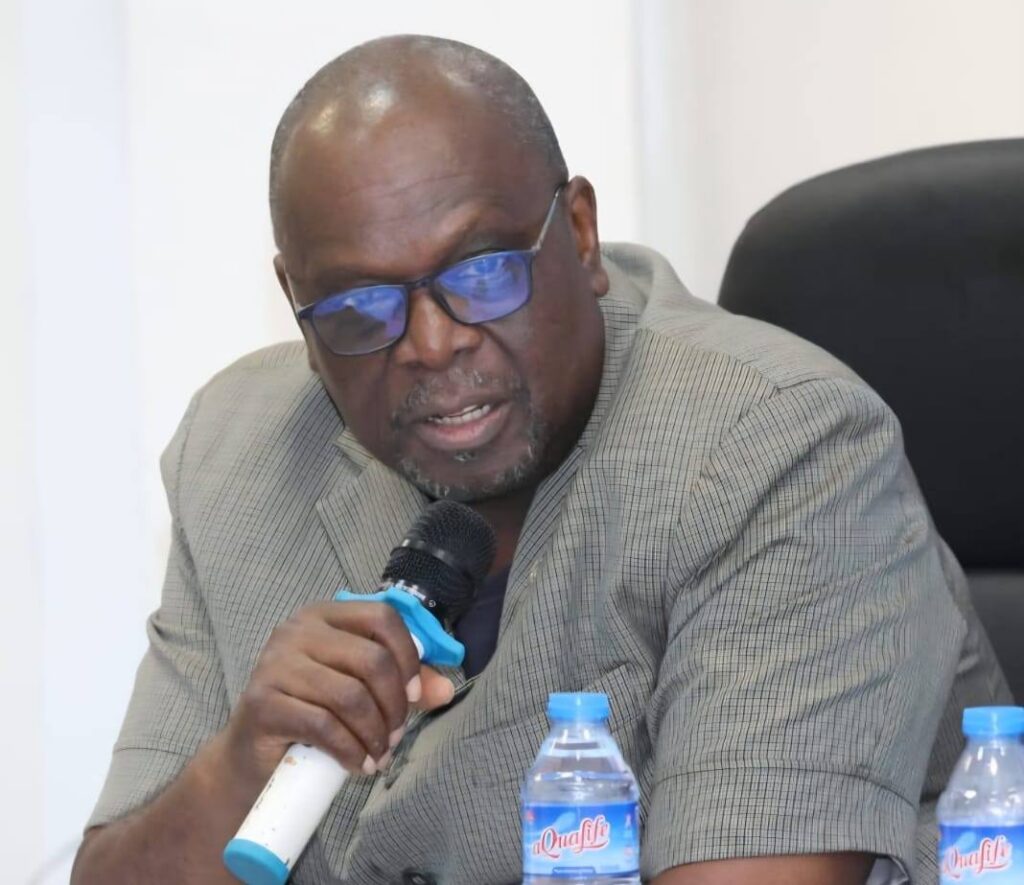
Private sector representatives argued that many Liberian businesses lack the technical capacity, financing, or formal registration required to qualify for contracts—creating a cycle of exclusion.
RFP Requirements Exclude Local Firms
Even more concerning, participants highlighted that procurement frameworks—both government and donor-driven—often include requirements that automatically disqualify local companies.
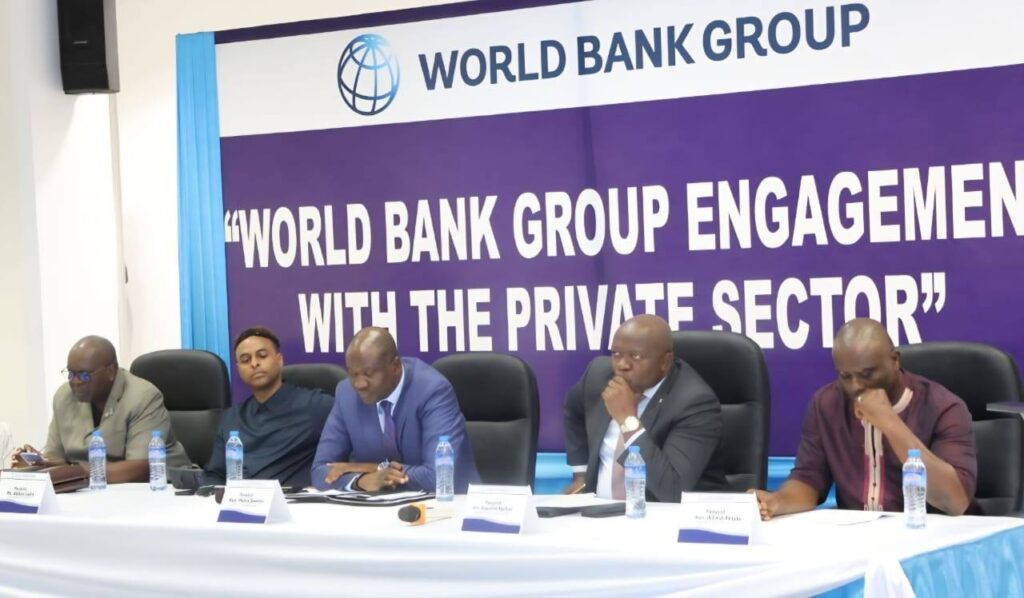
“There are requirements in RFPs that put Liberian businesses out of the game before the game even starts,” a participant lamented, calling for more inclusive procurement criteria.
The concern extends to international partners, with some stakeholders urging institutions like the World Bank to reconsider procurement standards that inadvertently sideline domestic firms.
Finance Minister Calls for Inclusion
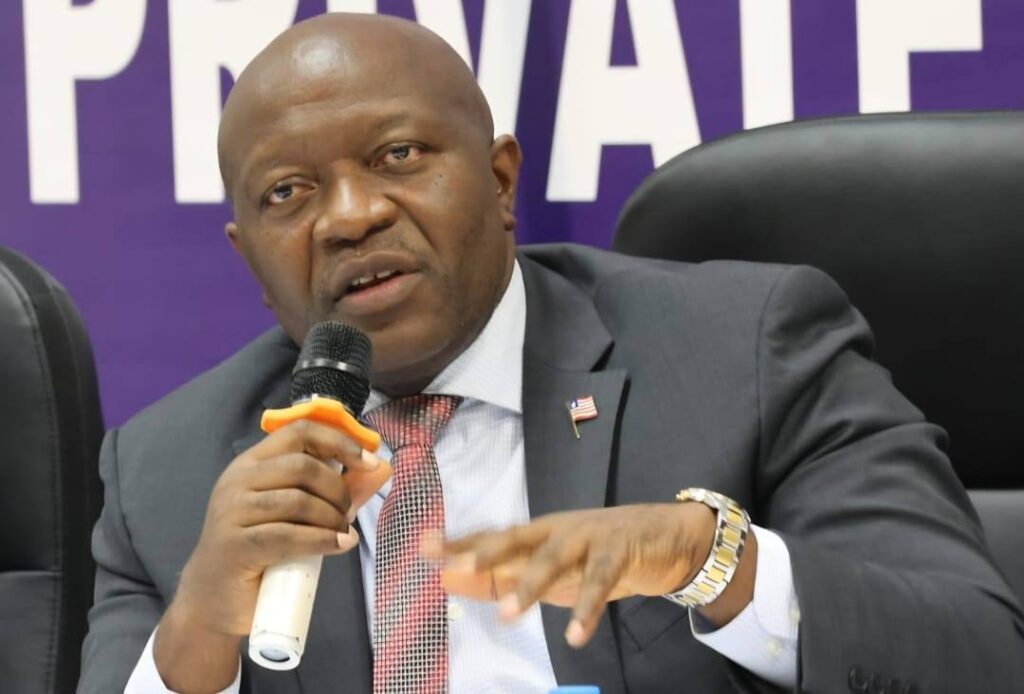
Minister Augustine Kpehe Ngafuan acknowledged the challenge, emphasizing the need to integrate Liberian businesses into the formal economy and procurement systems.
“We want to ensure that our small enterprises are not left on the curb,” he said, highlighting efforts to support business registration and formalization.
He noted that a significant portion of Liberia’s national budget flows through procurement, making access to contracts a critical pathway for private sector growth.
Central Bank Links Barriers to Credit Challenges
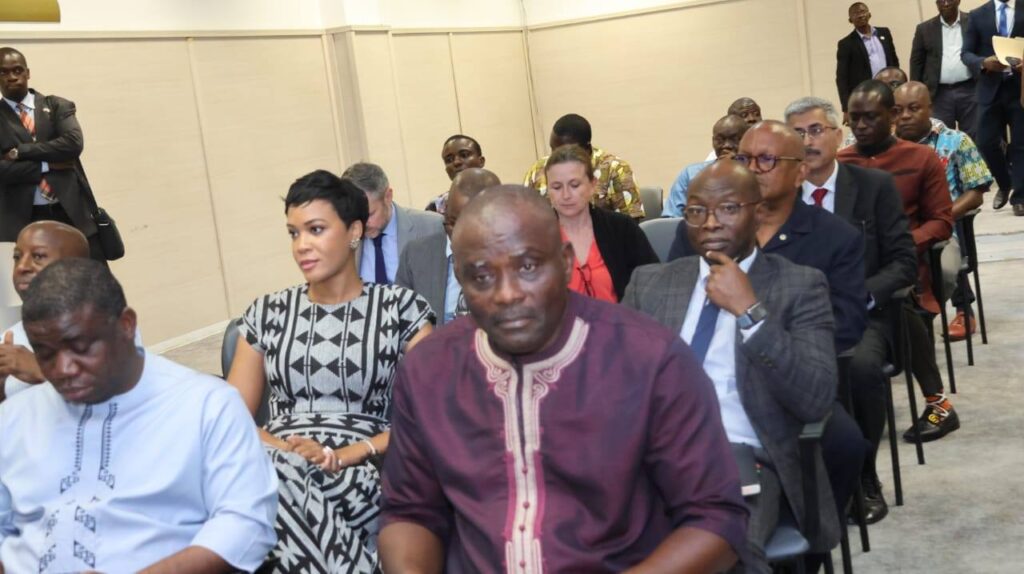
Central Bank Governor Henry F. Saamoi connected procurement challenges to broader financial constraints, noting that weak business performance—often due to lack of opportunities—contributes to high loan default rates.
“Why are loans not performing? We must look at the broader constraints businesses face,” Ngafuan added, reinforcing the systemic nature of the issue.
Calls for Structural Reforms
Stakeholders proposed several solutions to level the playing field:
- Simplifying procurement requirements
- Providing financing support for contract execution
- Strengthening business registration and compliance systems
- Creating mentorship and “handholding” programs for SMEs
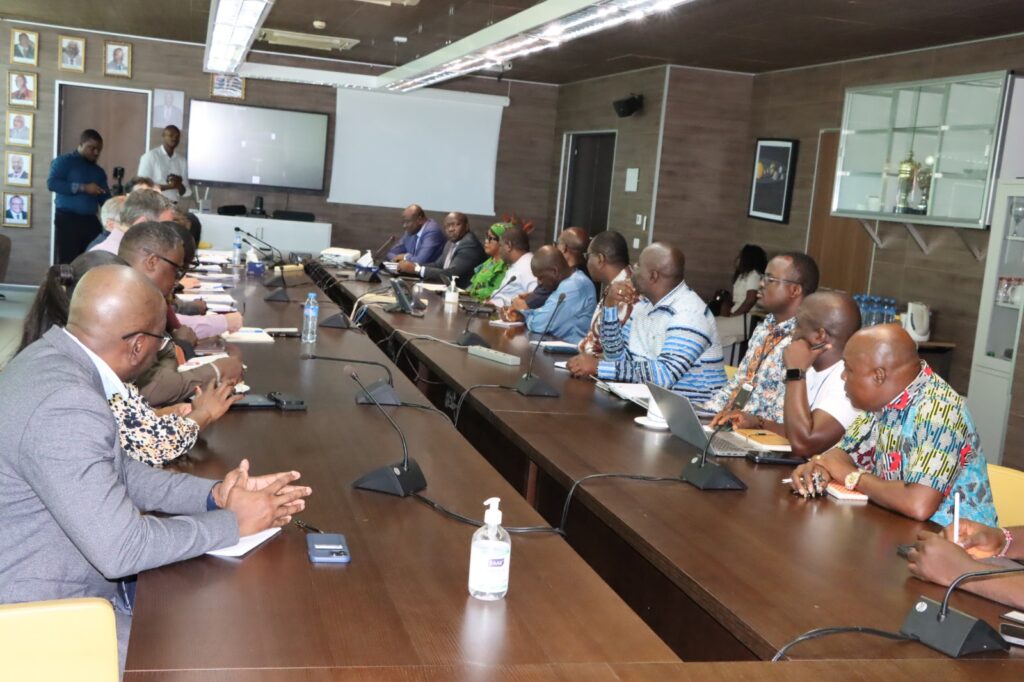
The Ministry of Commerce highlighted ongoing initiatives, including SME development programs and digital reforms aimed at improving business participation.
Beyond Policy—The Implementation Gap
Perhaps the most critical issue raised was not policy design, but execution.
“We have the laws, the policies, the institutions—but everything falls short when it comes to implementation,” a private sector leader said, pointing to coordination failures across government agencies.
A Call for Inclusive Growth
As Liberia pushes for private sector-led development, stakeholders warn that excluding local businesses undermines both economic growth and job creation.
The message from the forum was unmistakable: empowering Liberian businesses requires more than policy declarations—it demands deliberate, inclusive action.
Until then, many local enterprises will remain on the margins of an economy they are meant to drive.
Follow The Liberian Post on Facebook and X (formerly twitter).