–Nigerian Cleric Broadens Attack from President Boakai to Information Minister Jerolinmek Matthew Piah; Describes Minister “Matthew Devil”
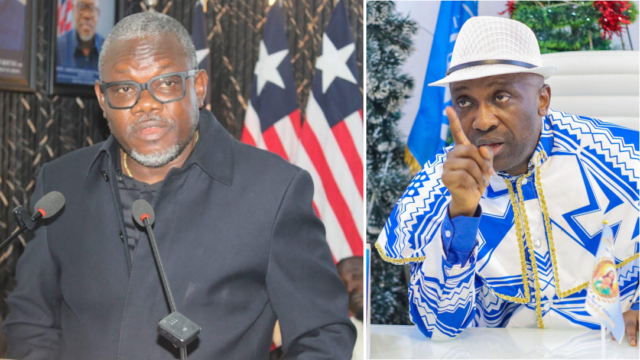
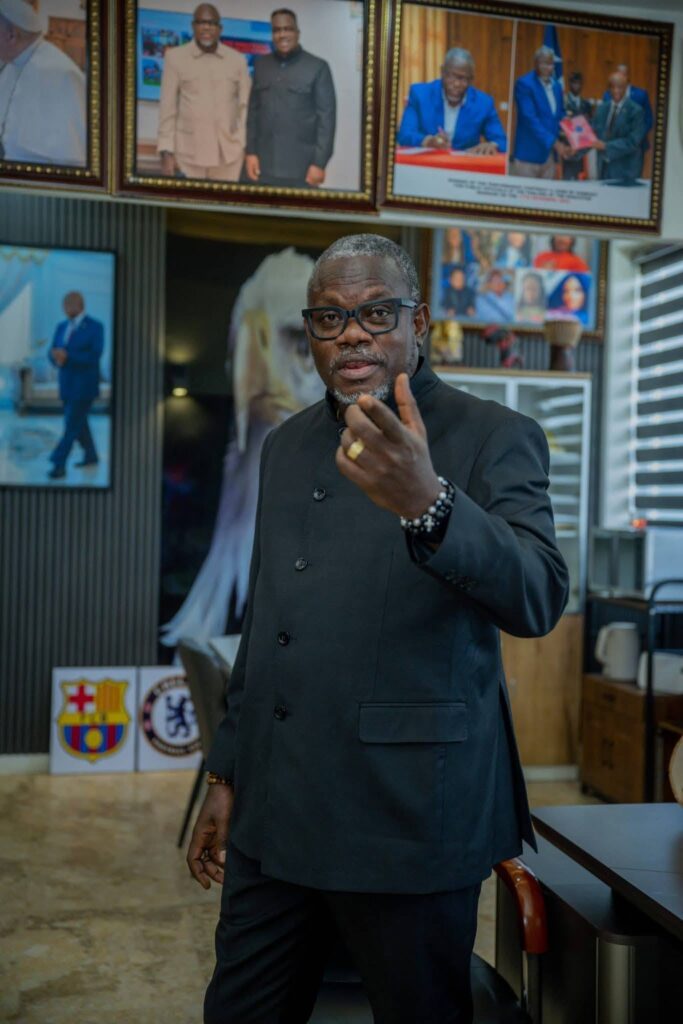
MONROVIA, Liberia – Controversial Nigerian cleric Primate Babatunde Elijah Ayodele has dramatically escalated his ongoing feud with the Liberian Government, launching a fresh barrage of personal attacks against both President Joseph Nyuma Boakai and Information Minister Jerolinmek Matthew Piah while threatening to file a staggering US$2 billion defamation lawsuit against the government spokesman.
The latest outburst marks a significant escalation in a controversy that has evolved from prophetic pronouncements into a full-blown political and diplomatic dispute involving the governments of Liberia and Nigeria.
In remarks circulating widely on social media, Ayodele accused Minister Piah of damaging his reputation and vowed legal action over claims he said linked him to cocaine trafficking during the administration of former President George Manneh Weah.
“I will sue you two billion dollars,” Ayodele declared. “You will have to bring that evidence because I will charge you. Just expect my actions.”
The cleric went on to launch a series of personal attacks against the Information Minister, referring to him as a “minister of misinformation” and mocking his public statements and communication style. He even said Piah has a brain damage and that he has cancer on his head.
Fresh Attack on Boakai
Ayodele did not limit his criticism to the Information Minister.
He also renewed his attacks on President Boakai, describing the Liberian leader as “incompetent” and claiming that the President should have dismissed Piah from government service.
“It’s because your President is incompetent,” the Nigerian preacher said while addressing the Minister. “He is supposed to have sacked you.”
The comments represent the latest chapter in a series of increasingly provocative statements directed at President Boakai and his administration.
Over recent weeks, Ayodele has repeatedly predicted political turmoil, hardship, instability, and even possible threats to Liberia’s democratic order under the Boakai administration.
Those predictions have been strongly rejected by government officials, supporters of the ruling Unity Party, and many Liberians on social media.
Diplomatic Tensions Emerge
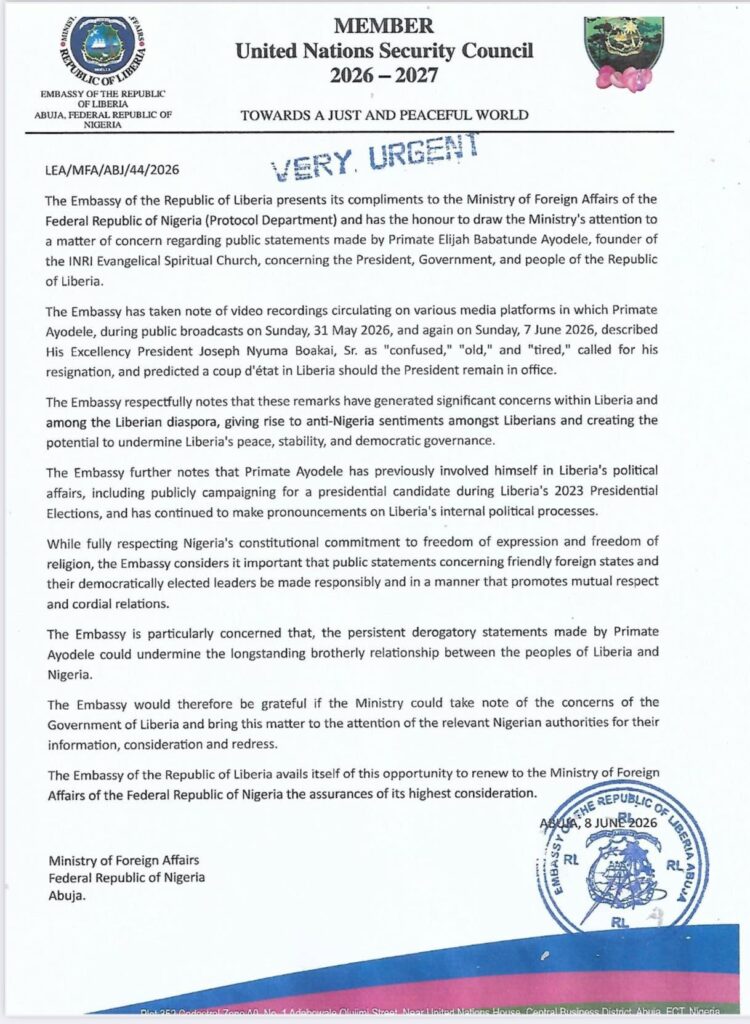
The controversy took a diplomatic turn earlier this month when Liberia’s Embassy in Abuja reportedly submitted a formal complaint to Nigeria’s Ministry of Foreign Affairs over Ayodele’s repeated statements concerning Liberia.
The communication reportedly expressed concern that the cleric’s pronouncements could undermine public confidence, inflame tensions, and negatively affect Liberia’s image.
Liberian officials also raised concerns about Ayodele’s repeated involvement in Liberian political affairs and urged Nigerian authorities to review the matter.
The embassy’s intervention marked one of the strongest official responses yet to the Nigerian preacher’s remarks.
Fallout from the “Fake Letter” Saga
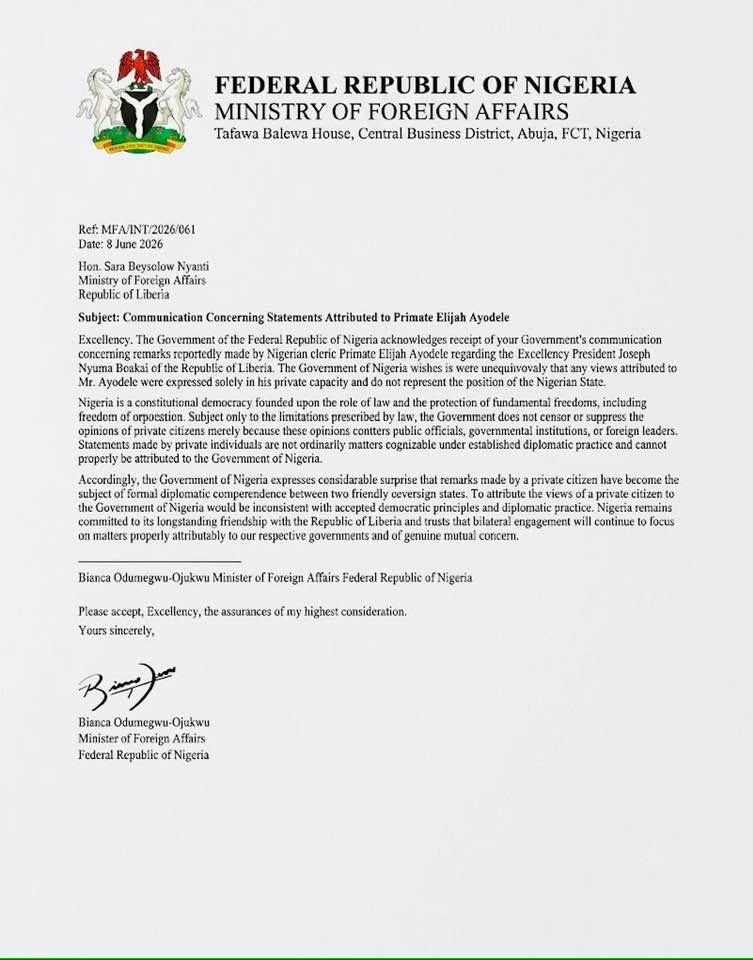
The latest comments also come against the backdrop of the recent controversy surrounding a purported response allegedly issued by Nigeria’s Ministry of Foreign Affairs defending Ayodele and criticizing Liberia.
The document circulated widely on Liberian social media and was shared by several political figures and online platforms.
However, questions soon emerged regarding its authenticity.
Among those drawn into the controversy was opposition figure Acarous Moses Gray, who shared the document on social media.
Popular online platform Spoon TV Live also published the letter before later withdrawing it and issuing a public apology after concerns were raised about its legitimacy.
The incident fueled an already heated national debate over Ayodele’s role in Liberian politics and the growing spread of misinformation on social media.
Political Reactions Intensify
Ayodele’s repeated attacks on President Boakai have generated sharp reactions across Liberia’s political landscape.
Supporters of the government have accused the cleric of engaging in politically motivated commentary disguised as prophecy.
Among the most vocal critics has been ruling-party supporter Varney Sackey, who recently alleged that Ayodele’s statements are intended to influence Liberian politics and questioned the motivations behind his persistent focus on the country.
Several government supporters have also argued that Ayodele’s predictions have repeatedly failed to materialize, citing previous forecasts concerning Liberia’s political future.
Meanwhile, opposition supporters continue to circulate some of the cleric’s remarks, arguing that his criticisms reflect growing public concerns about governance and economic conditions.
“The Whole of Liberia Cannot Fight Me”
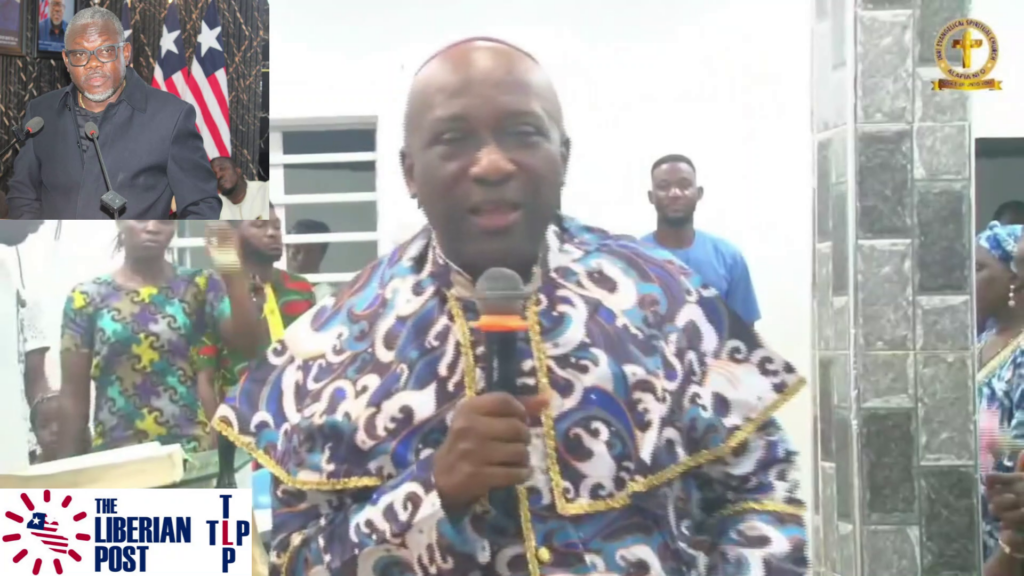
Perhaps one of the most striking aspects of Ayodele’s latest remarks was his defiant tone toward the Liberian Government.
“The whole Liberia cannot fight me,” he declared, while insisting that he was prepared to confront the matter on an international stage.
The cleric even suggested that he would be willing to elevate the dispute beyond Liberia and Nigeria, claiming that he would take the matter to global figures if necessary.
His remarks have already sparked fresh debate across Facebook and other social media platforms, where Liberians remain deeply divided over whether the preacher should be ignored, challenged, or formally sanctioned.
A Growing Political and Religious Controversy
What began as a series of prophecies about Liberia has now evolved into one of the most unusual political controversies currently dominating public discourse.
The dispute has drawn in the Liberian Presidency, the Ministry of Information, the Liberian Embassy in Nigeria, opposition figures, ruling-party supporters, media institutions, and thousands of social media users.
As Ayodele’s rhetoric grows increasingly confrontational, observers say the controversy is becoming less about prophecy and more about politics, public perception, and the limits of foreign religious influence in Liberia’s domestic affairs.
Whether the threatened lawsuit materializes remains unclear.
What is certain, however, is that the war of words between Primate Ayodele and the Boakai administration shows no signs of ending anytime soon.
Follow The Liberian Post on Facebook (https://web.facebook.com/profile.php?id=61576017166570) and X, formerly twitter (https://x.com/LiberianPost).