NIMBA COUNTY — The Chairman of the Liberia Land Authority (LLA), Mr. Samuel F. Kpakio, has officially launched the Real Property Valuation Data Collector Training in Nimba County, describing the initiative as a major step toward strengthening land governance, improving transparency, and modernizing Liberia’s property valuation system.
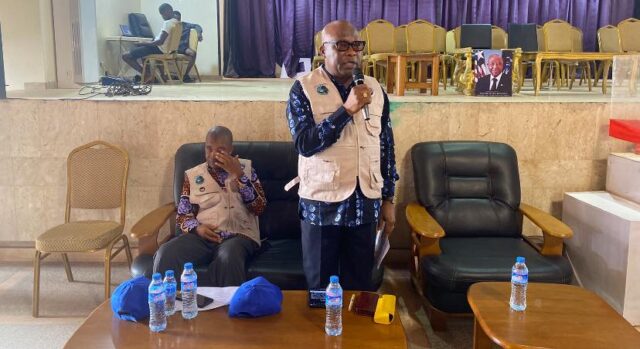
The launch ceremony, held on Friday, brought together government officials, representatives of the Liberia Revenue Authority (LRA), the Office of the Superintendent of Nimba County, local authorities, development partners, members of the press, and newly recruited data collectors who will spearhead the implementation of the reform.
Addressing the gathering, Chairman Kpakio said the initiative marks “a significant milestone in Liberia’s journey to strengthen land governance, enhance transparency, and modernize our Real Property Valuation systems.”
He extended appreciation to the Government of President Joseph Nyuma Boakai Sr. for its support through the Public Sector Investment Program (PSIP), noting that the reform would not have been possible without the administration’s commitment to institutional strengthening, digital transformation, and improved domestic resource mobilization.
“The support under the PSIP demonstrates a clear national resolve to modernize public administration and improve service delivery for all Liberians,” Kpakio emphasized.
From Manual Systems to Digital Transformation
For decades, Liberia’s property valuation processes have relied largely on manual systems—often criticized as fragmented, slow, and inefficient. According to Kpakio, the new Real Property Valuation Software and Mobile Application introduced by the LLA, in collaboration with the LRA and local government partners, is designed to change that narrative.
“This initiative represents more than the introduction of new technology,” he declared. “It represents reform. It represents accountability. It represents progress in the land sector.”
Through the digital platform, properties will be systematically identified, mapped, assessed, coded, and managed using standardized and transparent methods. The reform is expected to strengthen domestic revenue mobilization, reduce valuation disputes, and improve overall public service delivery.
Kpakio stressed that improved property valuation is not solely about taxation but about fairness and national development.
“As we roll out this Real Property Valuation system, we are laying the foundation for fair and reasonable property assessments and a more just tax system—one in which property owners contribute appropriately based on transparent and standardized valuation methods,” he said.
He added that increased and properly managed revenue will translate into tangible benefits for citizens, including better roads, improved schools, stronger healthcare systems, and enhanced public services.
“Technology Alone Does Not Create Transformation”
While highlighting the digital innovation at the core of the reform, Chairman Kpakio cautioned that technology alone cannot drive change.
“But let me be clear: technology alone does not create transformation. People do,” he stated.
He described the data collectors undergoing training as the backbone of the reform process. According to him, their professionalism, integrity, and commitment will determine the credibility and success of the new valuation system.
“You will be in the communities, on the streets, engaging property owners, collecting accurate data, and ensuring that the information entered into the system reflects the reality on the ground,” he told the trainees. “Your integrity, professionalism, and commitment will determine the credibility of this entire process.”
The Chairman also underscored the importance of collaboration with local authorities, including Township Commissioners, City Mayors, the Superintendent’s Office, traditional leaders, and the LLA Awareness Team.
“Strong local buy-in is not optional; it is essential,” Kpakio asserted, noting that local leadership will play a key role in facilitating access to communities, resolving disputes, and building trust among property owners.
Stakeholder Engagement Across Counties
As part of the broader rollout strategy, the LLA will conduct structured, in-person stakeholder engagement meetings not only in Nimba County but also in Montserrado and Margibi Counties.
According to Kpakio, these engagements are designed to ensure alignment, coordination, and shared ownership of the reform process at every level of government and community.
“This is about building systems that endure,” he said. “Liberia is embracing innovation. Liberia is strengthening governance. Liberia is building systems that will endure.”
Strengthening Domestic Resource Mobilization
The reform comes at a time when the Government of Liberia is intensifying efforts to enhance domestic revenue generation and reduce overreliance on external financing.
By improving property valuation accuracy and expanding the property tax base through reliable data collection, the initiative is expected to significantly contribute to domestic resource mobilization.
Officials at the ceremony noted that a modern, credible, and efficient real property tax system is critical to fiscal sustainability and equitable development.
Chairman Kpakio expressed gratitude to development partners and collaborating institutions for their support and reaffirmed the LLA’s commitment to transparency and accountability throughout the reform process.
“To our trainees, I encourage you to approach this responsibility with seriousness and pride. To our local leaders, I urge your continued collaboration and support. And to our partners, we thank you for your unwavering commitment to institutional strengthening and national development,” he said.
He concluded the ceremony by formally declaring the Real Property Valuation Data Collector Training in Nimba County officially launched.
The rollout of the digital property valuation system is expected to continue in phases across other counties, signaling what government officials describe as a new era of modernization in Liberia’s land and revenue administration framework.
Follow The Liberian Post on Facebook and X (formerly twitter)