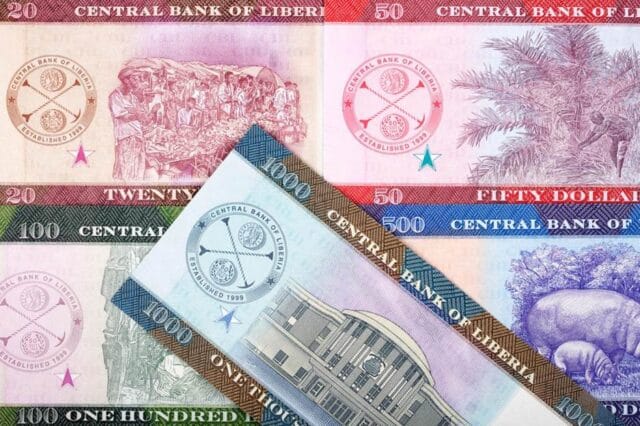
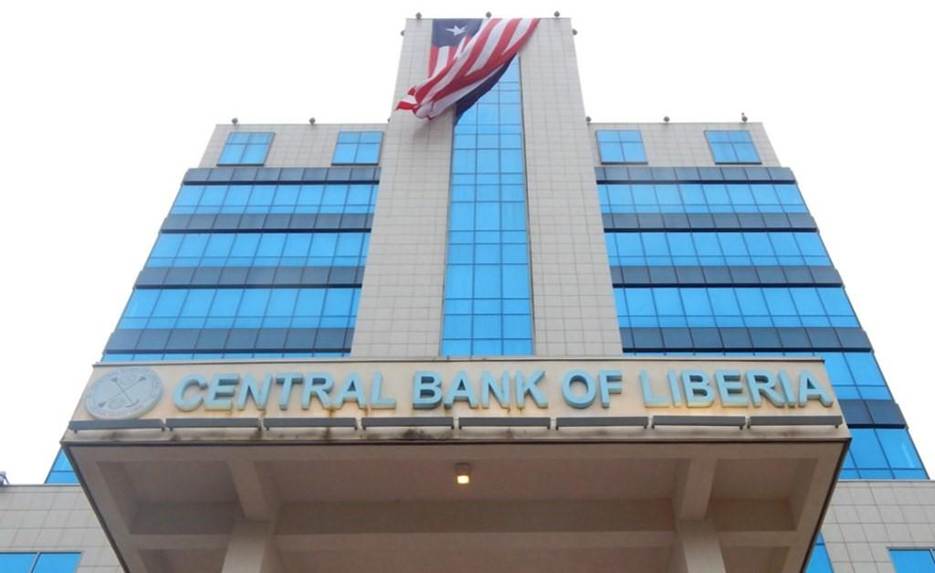
MONROVIA — Liberia’s Senate has mounted strong resistance to a proposal by the Central Bank of Liberia (CBL) to print L$79 billion in new banknotes, with lawmakers warning that approving the request without full financial disclosure would undermine accountability and risk economic instability.
During a high-stakes joint committee hearing on Tuesday, senators repeatedly pressed CBL Governor Henry F. Saamoi and his team for detailed cost estimates, procurement procedures, and economic justifications for the massive currency expansion.
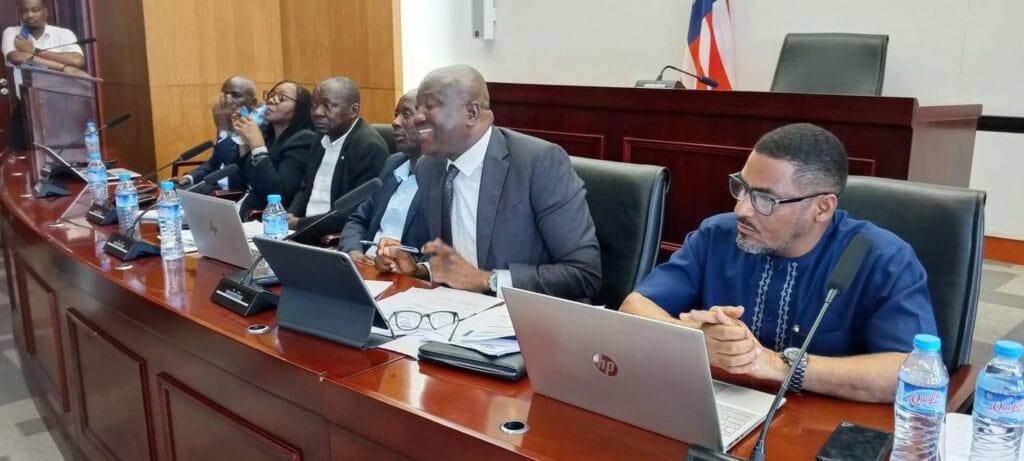
Montserrado County Senator Abraham Darius Dillon delivered one of the most pointed critiques, cautioning against what he described as a lack of transparency in the proposal.
“If I don’t know how much it costs to print one quality of banknote, then I will be authorizing a pig in a bag,” Dillon said. “We cannot approve such a huge amount without knowing exactly what the country is committing itself to.”
Lawmakers questioned why the Legislature is being asked to authorize the printing before receiving firm quotations from international printers. While the CBL provided an estimated cost of US$11.56 million for part of the printing, senators argued that estimates alone are insufficient for a decision of such magnitude.
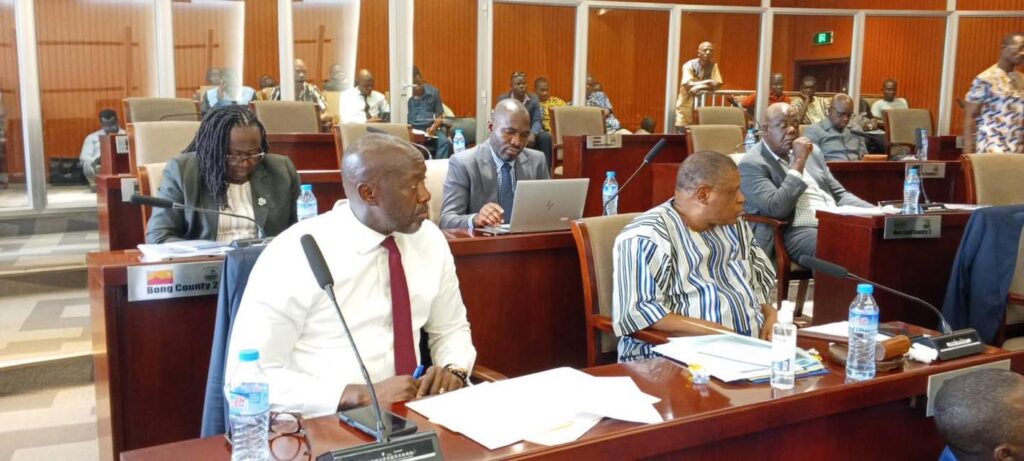
Concerns were also raised about Liberia’s recent history of currency printing. Dillon recalled that nearly US$25 million was spent in 2021 to print approximately L$48 billion, noting that the country is now being asked to return to the Legislature within just a few years for additional printing.
“Cheap is expensive,” Dillon warned. “If we had invested in better quality notes before, we might not be here again today.”
Other senators emphasized the need for robust safeguards, including independent audits, procurement transparency, and clear monitoring mechanisms to track every stage of the printing and distribution process.
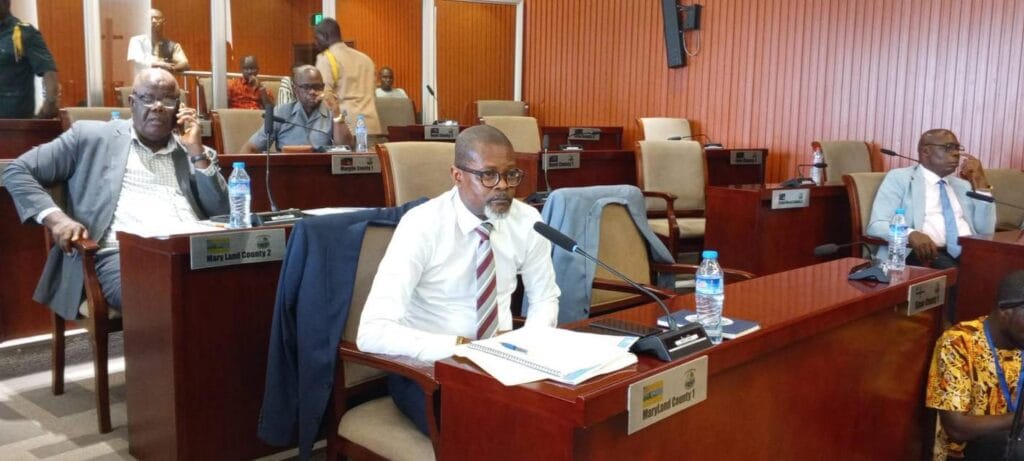
Grand Cape Mount County Senator Dabbah Varpilah questioned whether the proposed volume would even be sufficient over the long term, cautioning against repeated requests for additional printing.
Meanwhile, several lawmakers stressed the broader economic risks, including potential inflation and exchange rate pressures, if the process is not carefully managed.
The Senate’s scrutiny reflects growing concern about striking the right balance between ensuring adequate liquidity and protecting the purchasing power of ordinary Liberians.
The joint committee is expected to continue deliberations as lawmakers weigh whether to approve, amend, or delay the proposal pending further information.
Follow The Liberian Post on Facebook and X (formerly twitter)