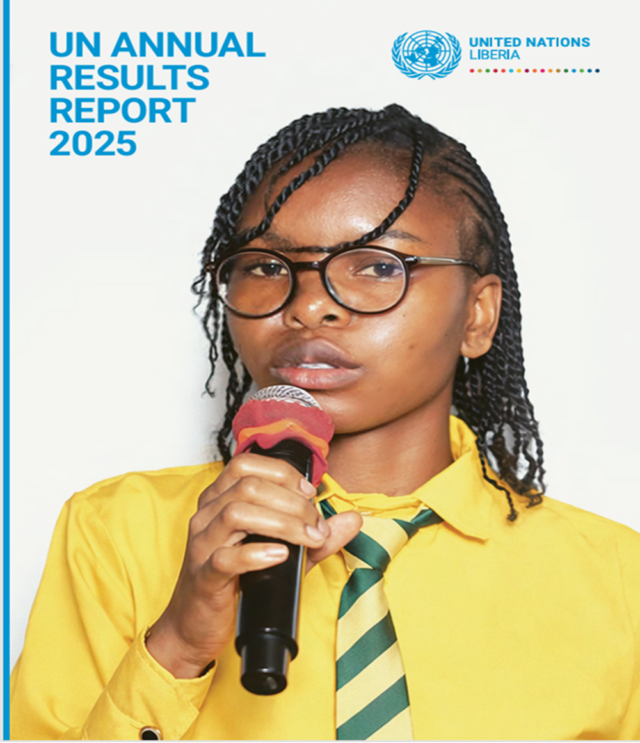
MONROVIA – Liberia’s democratic stability and governance reforms remain strong, but rising economic pressures, unemployment, and declining external support are placing increasing strain on the country’s development progress, the United Nations has revealed in its 2025 Annual Results Report.
According to the report, Liberia has sustained more than two decades of peace and successfully conducted credible elections, including a peaceful transfer of power following the 2023 polls. The country’s election to the United Nations Security Council for the 2026–2027 term further underscores its growing role on the global stage.
Despite these gains, the report highlights persistent governance and economic challenges that continue to affect citizens’ daily lives. Public concerns over corruption, rising living costs, and limited job opportunities have intensified, leading to increased civic engagement and calls for accountability.
Economically, Liberia experienced moderate growth of approximately five percent in 2025. However, this progress has not translated into significant improvements in living standards. Poverty remains widespread, and the country continues to face high levels of unemployment, particularly among young people.
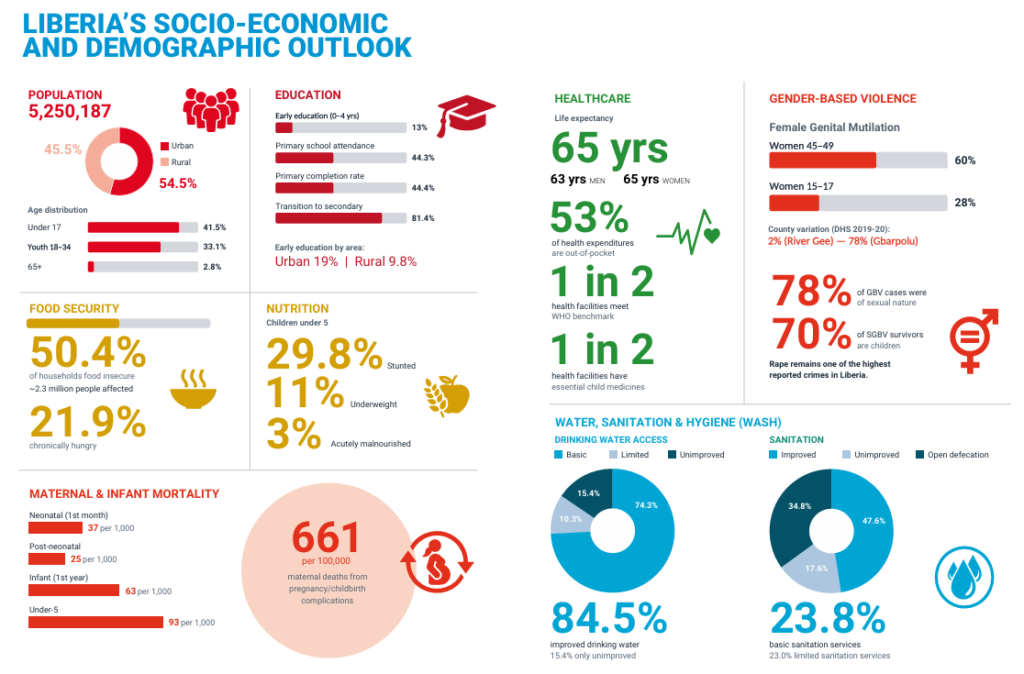
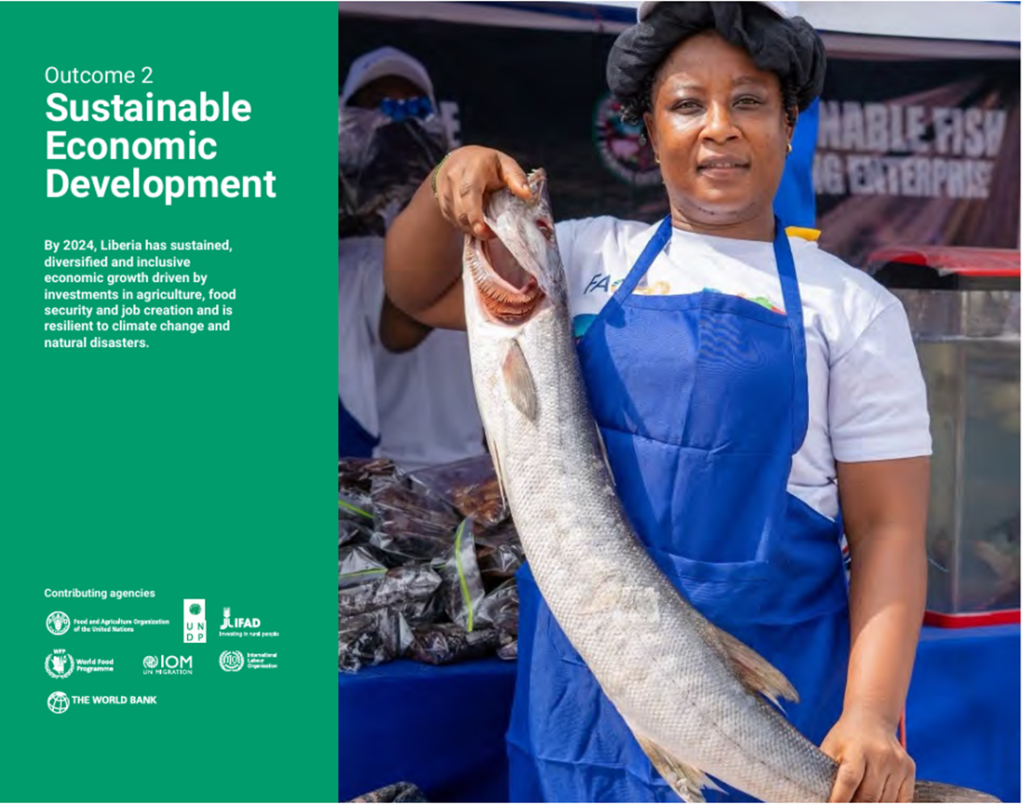
The report also points to structural weaknesses in Liberia’s economy, including heavy reliance on commodity exports and imports, limited industrial diversification, and vulnerability to global economic shocks. Declining development assistance and constrained fiscal space further limit the government’s ability to expand public services and invest in infrastructure.
In response, the government has initiated several reforms aimed at strengthening transparency and accountability. Measures such as enforcing asset declaration requirements and advancing anti-corruption initiatives have been noted as steps in the right direction, though challenges remain in fully restoring public trust.
The United Nations emphasized ongoing efforts to improve governance systems, including support for rule of law institutions, decentralization, and credible electoral processes. Progress has also been made in transitional justice, with renewed momentum toward establishing a War and Economic Crimes Court.
At the same time, social challenges—including youth drug use, food insecurity, and gaps in service delivery—continue to threaten long-term stability. The report stresses the need for inclusive policies that address inequality and expand economic opportunities.
As Liberia transitions into a new development cycle under the ARREST Agenda for Inclusive Development, the United Nations is calling for stronger collaboration between government, development partners, and the private sector to sustain democratic gains while addressing economic vulnerabilities.
The report concludes that maintaining stability will depend on the country’s ability to translate political progress into tangible socio-economic improvements for its citizens.
Follow The Liberian Post on Facebook and X (formerly twitter)