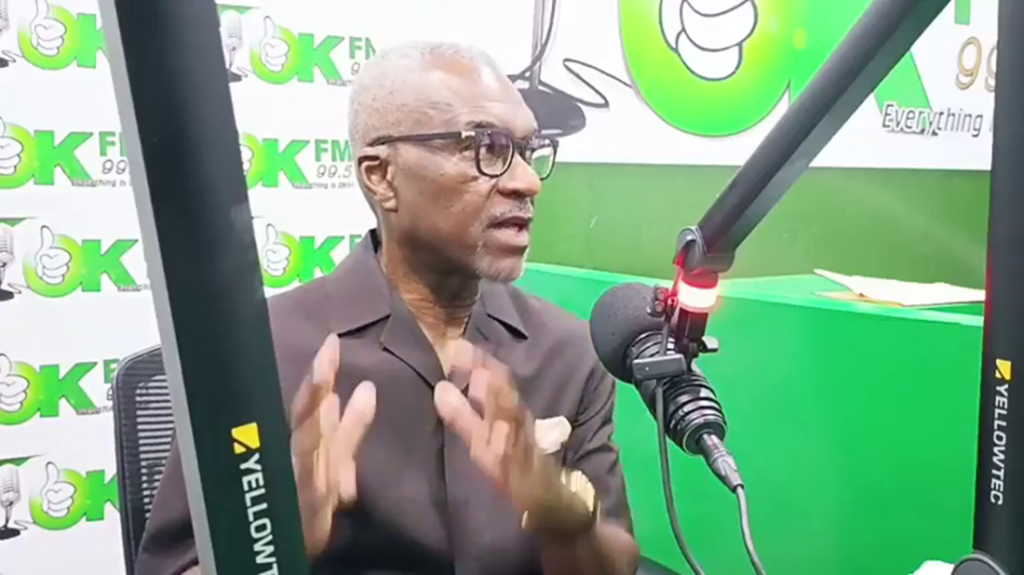
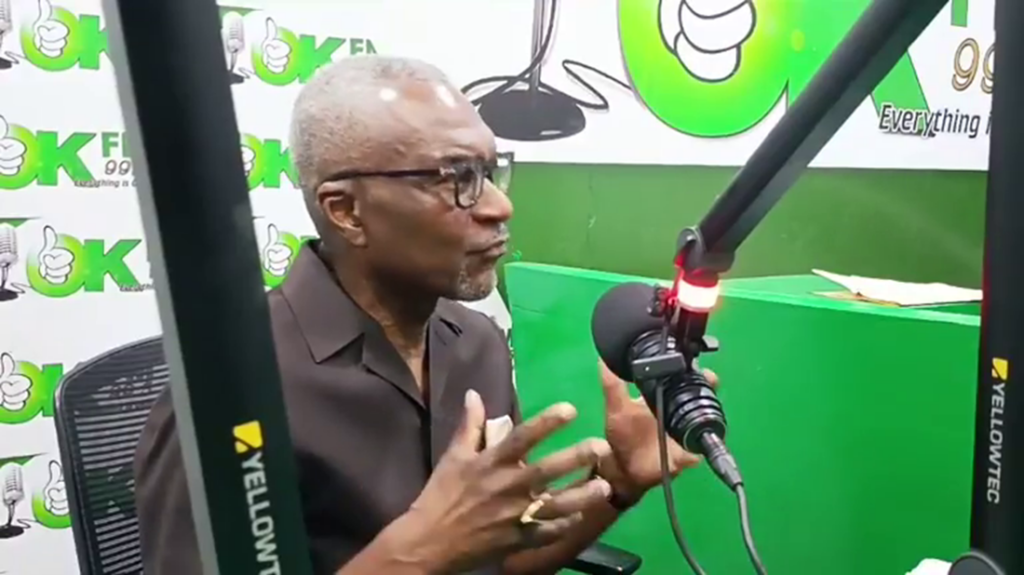
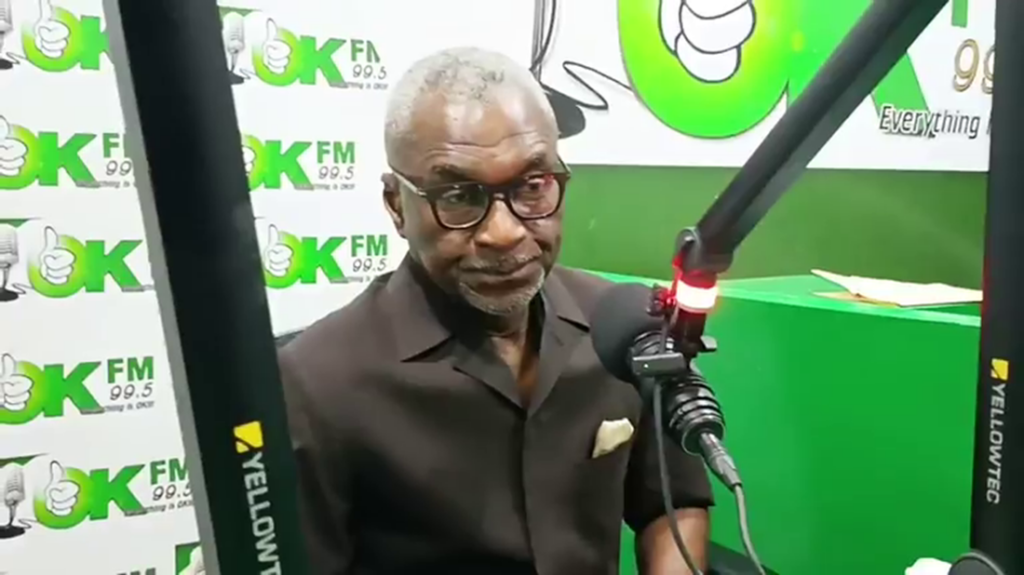
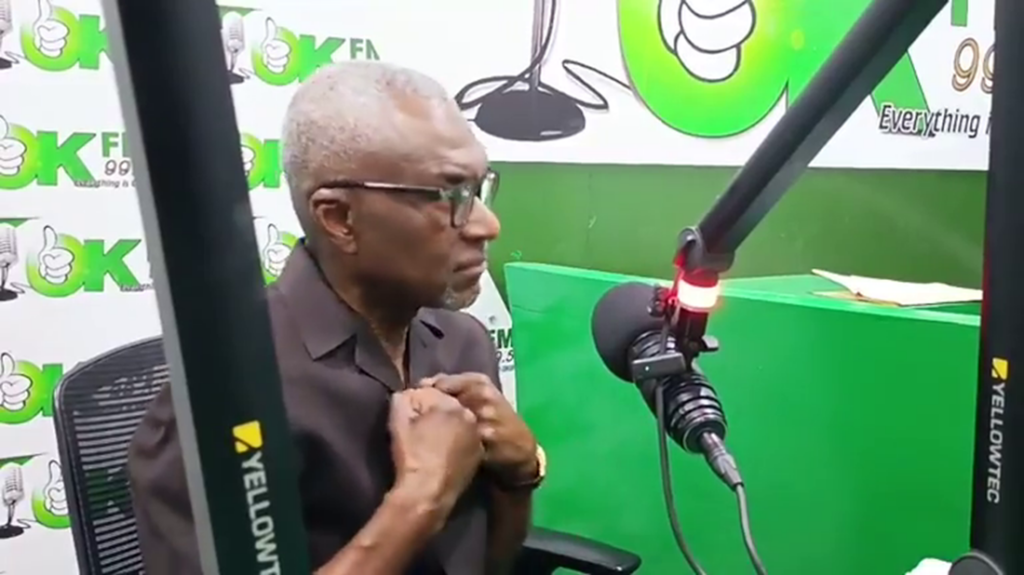
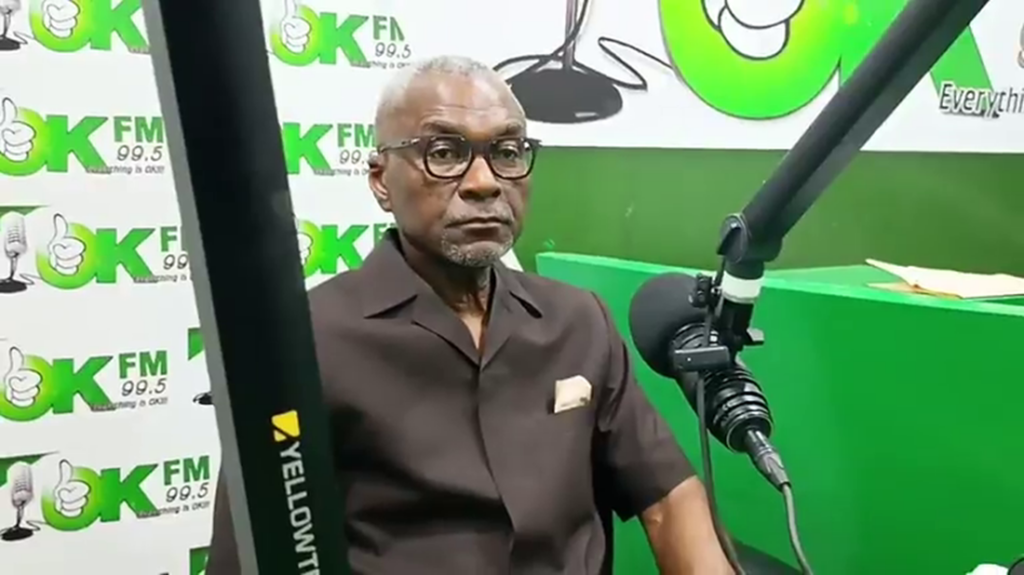
Alexander Cummings’ recent radio appearance was more than a routine political interview—it was a rare moment of candor in a political culture that too often rewards deflection over accountability. In confronting both personal allegations and campaign failures, the Alternative National Congress (ANC) leader has reopened a broader national conversation about leadership, communication, and the quality of Liberia’s democratic discourse.
At the center of his remarks was a clear rejection of long-circulated allegations about his personal life—claims he described as “complete nonsense” and politically motivated. In doing so, Cummings did what many politicians hesitate to do: he addressed a damaging narrative directly, without equivocation.
That matters.
Liberia’s political space has increasingly been shaped by rumor, character attacks, and misinformation. When false or unverified claims go unanswered, they often calcify into perceived truth. Cummings’ admission that his campaign failed to respond effectively—“we let them define me”—is not just a personal reflection; it is an indictment of a broader weakness in opposition politics: the inability to control narrative.
But beyond the denial itself lies a more important lesson—silence in politics is rarely neutral. It is often interpreted, reshaped, and weaponized. In that sense, Cummings’ experience is a case study in how reputations can be eroded not only by what is said, but by what is left unanswered.
Yet the more compelling part of his interview was not the rebuttal of allegations—it was the acceptance of responsibility.
In a political environment where leaders frequently externalize blame, Cummings’ admission that his campaign suffered from weak messaging, poor voter protection, and ineffective outreach is both refreshing and consequential. His description of the campaign’s media strategy as “not very effective” and its vote protection as “a failure” signals a level of introspection that is often absent in Liberia’s post-election narratives.
This kind of honesty, if sustained, could reshape expectations of political leadership.
However, candor alone is not a strategy.
Acknowledging mistakes is only the first step. The real test lies in whether those lessons translate into structural change—within the ANC and beyond. Can the party build a communication apparatus capable of countering misinformation in real time? Can it develop grassroots systems strong enough to protect votes and mobilize supporters? Can it transform introspection into institutional strength?
These are the questions that will determine whether Cummings’ remarks represent a turning point or merely a moment.
His broader critique of Liberia’s political culture—the tendency to replace substantive debate with personal attacks—is also worth serious reflection. When elections become contests of character assassination rather than ideas, the ultimate casualty is not any single candidate—it is the electorate.
Liberians deserve a political discourse grounded in policy, performance, and vision. They deserve debates about jobs, infrastructure, education, and governance—not whispered campaigns about personal identity. If Cummings’ experience highlights anything, it is the urgent need to elevate the tone of political engagement in the country.
At the same time, Cummings must also confront the limits of positioning himself as a “third way” alternative. That vision, while appealing in theory, requires clarity in practice. What distinguishes his agenda from those of established parties? How does he translate technocratic competence into mass appeal? How does he bridge the gap between elite perception and grassroots connection?
These are not rhetorical questions—they are political necessities especially in African politics.
Cummings has long been viewed as a disciplined, corporate-style leader in a political environment that often rewards populism. His challenge has been—and remains—how to convert credibility into relatability. His own acknowledgment that some voters saw him as “not relatable” suggests an awareness of that gap. Closing it will require more than messaging; it will require presence, engagement, and sustained connection with ordinary Liberians.
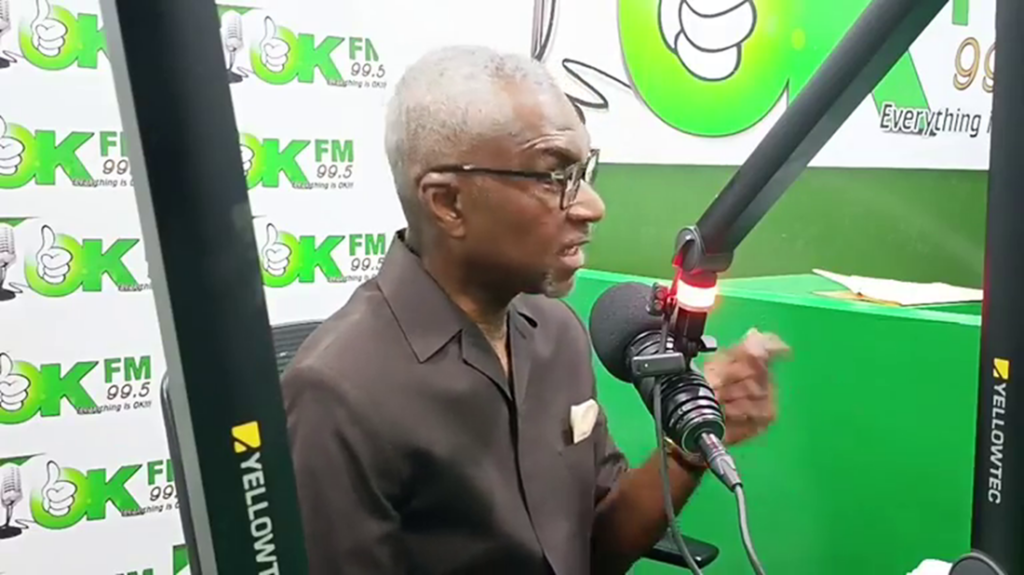
Ultimately, Cummings, your radio appearance offers two competing narratives.
One is a story of missed opportunities—a campaign that failed to defend itself, organize effectively, and communicate clearly. The other is a story of potential renewal—a leader willing to reflect, recalibrate, and re-enter the political arena with a sharper understanding of what went wrong.
Which of these narratives prevails will depend not on what he said, but on what he does next.
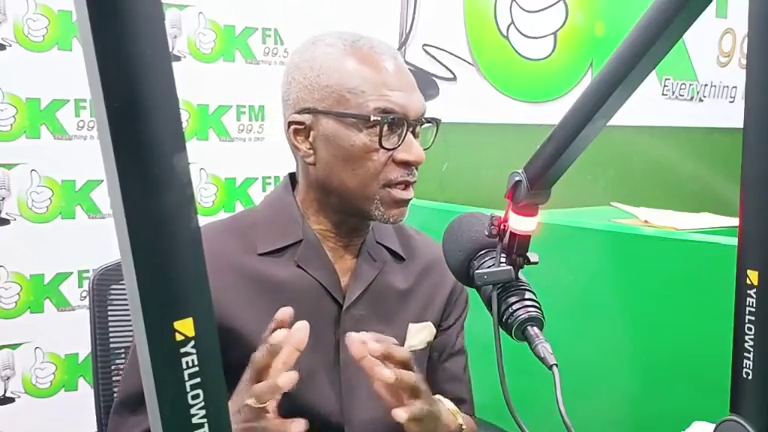
Liberian politics does not lack ambition. It often lacks introspection. If Cummings’ remarks signal the beginning of a more self-aware opposition—one that learns, adapts, and competes on substance—then his candor may prove more consequential than his critics expect.
But if the lessons remain rhetorical, then the outcome will be familiar: another cycle of high expectations, followed by missed execution.
The opportunity is there. The responsibility now rests with him—and with a political system that must decide whether it is ready to mature.
Follow The Liberian Post on Facebook and X (formerly twitter)