For decades, Liberia has spoken endlessly about economic transformation, industrialization, job creation, and private sector growth. Politicians have promised it. Policy papers have preached it. Conferences have debated it. Yet, too often, the country has remained trapped in a cycle of exporting raw materials while importing poverty, unemployment, and dependency.
That is why the growing expansion of Jeety Rubber and the revival of the Salala Rubber Corporation deserve serious national attention beyond politics, personality, or public relations.
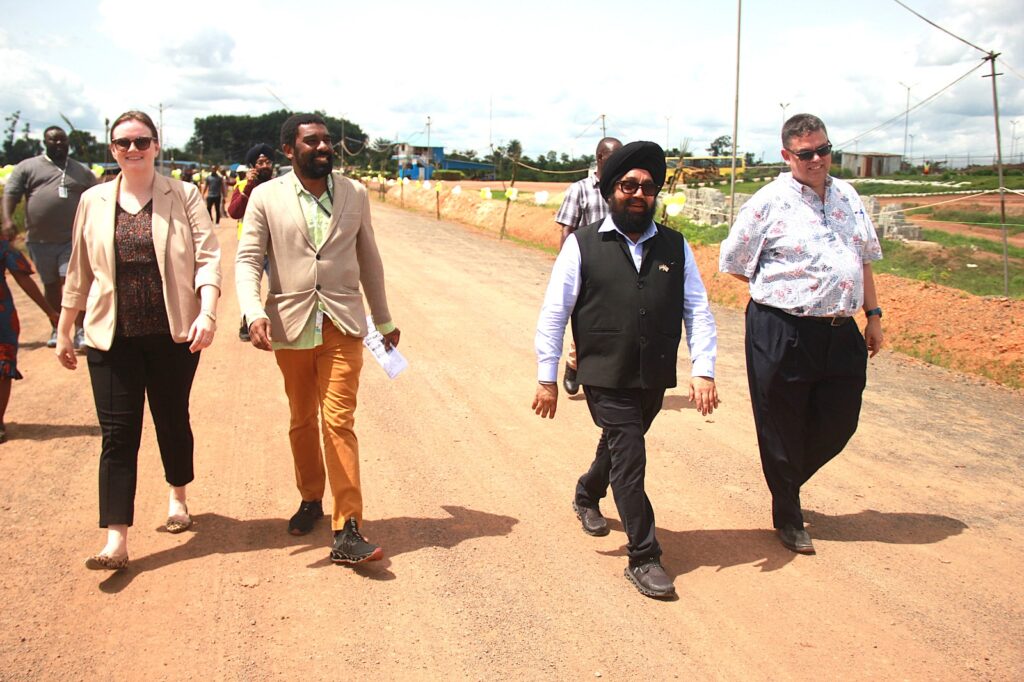
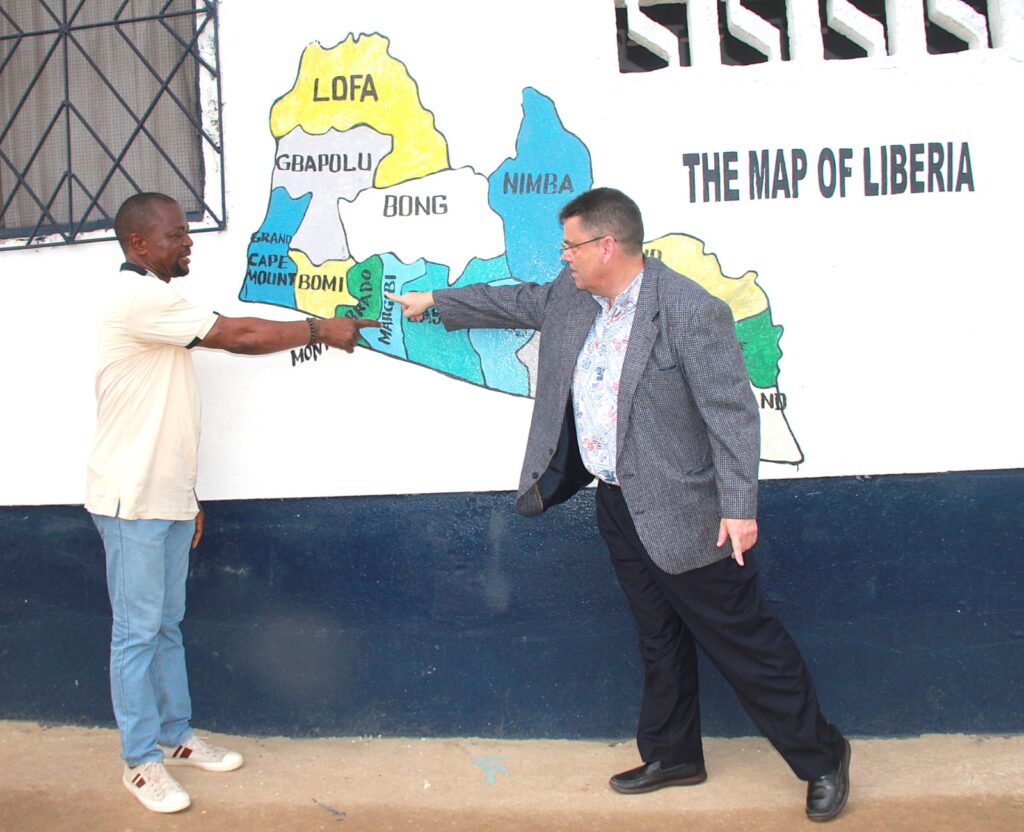
What is unfolding in Weala, Margibi County is not merely the reopening of a rubber plantation. It is a rare example of what Liberia has long needed: productive investment tied directly to jobs, industrial growth, local community development, and long-term economic vision.
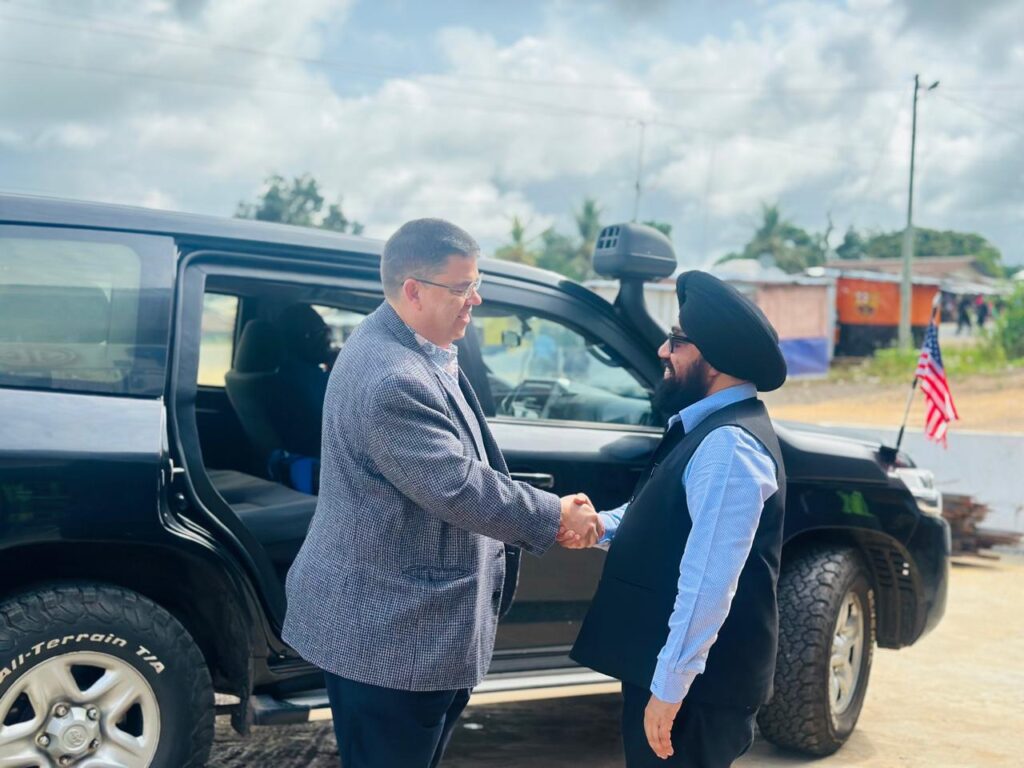
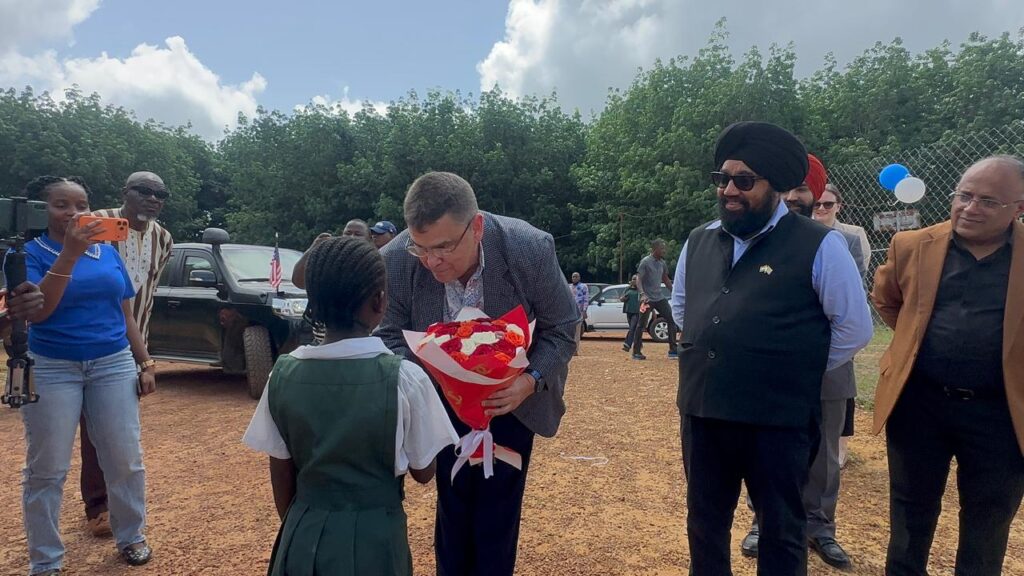
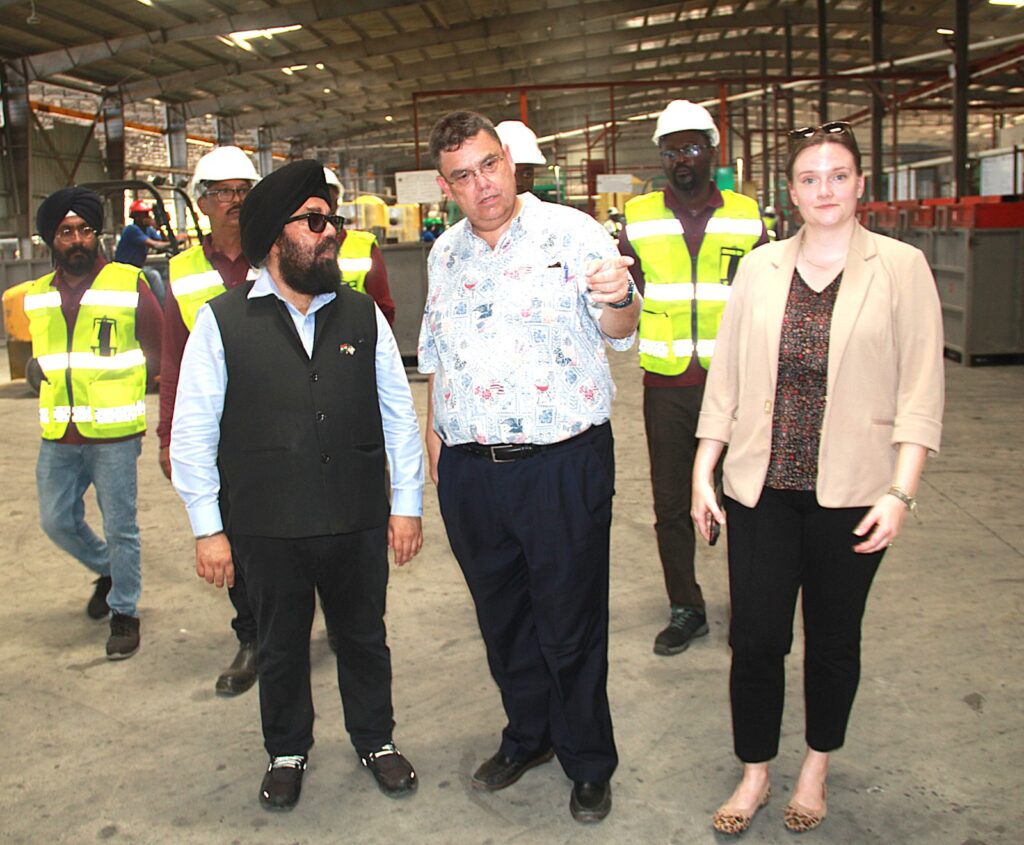
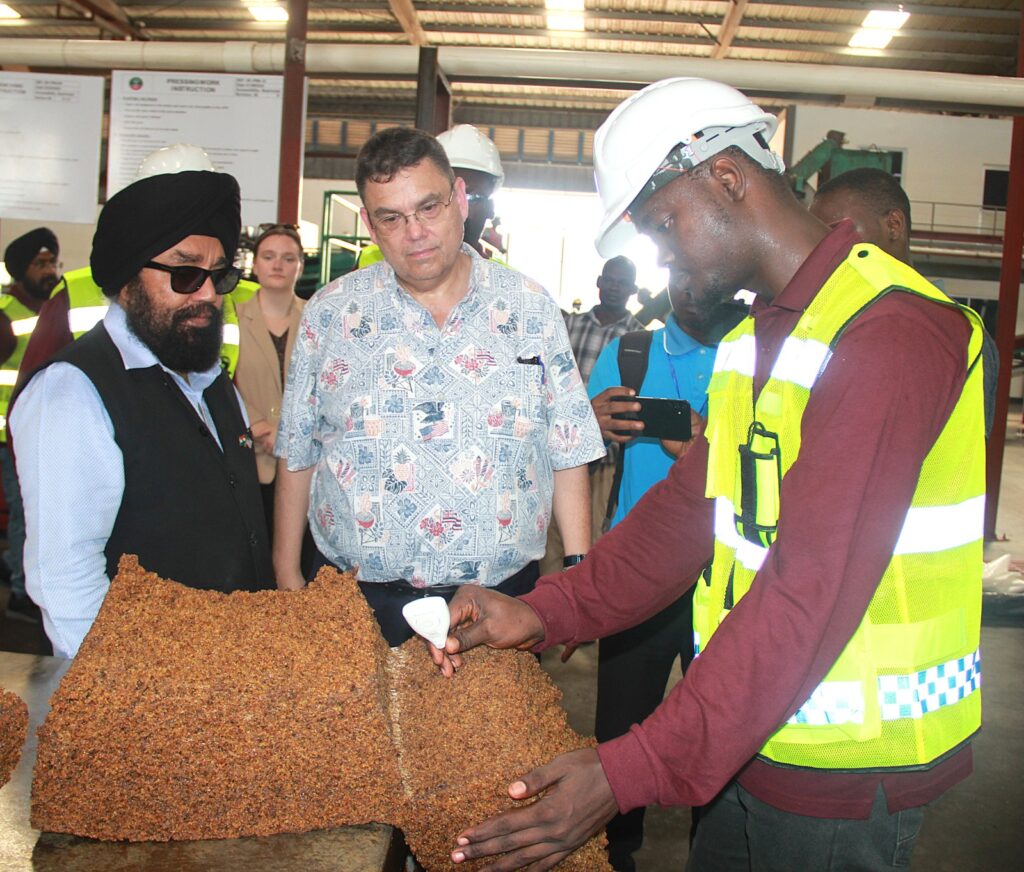
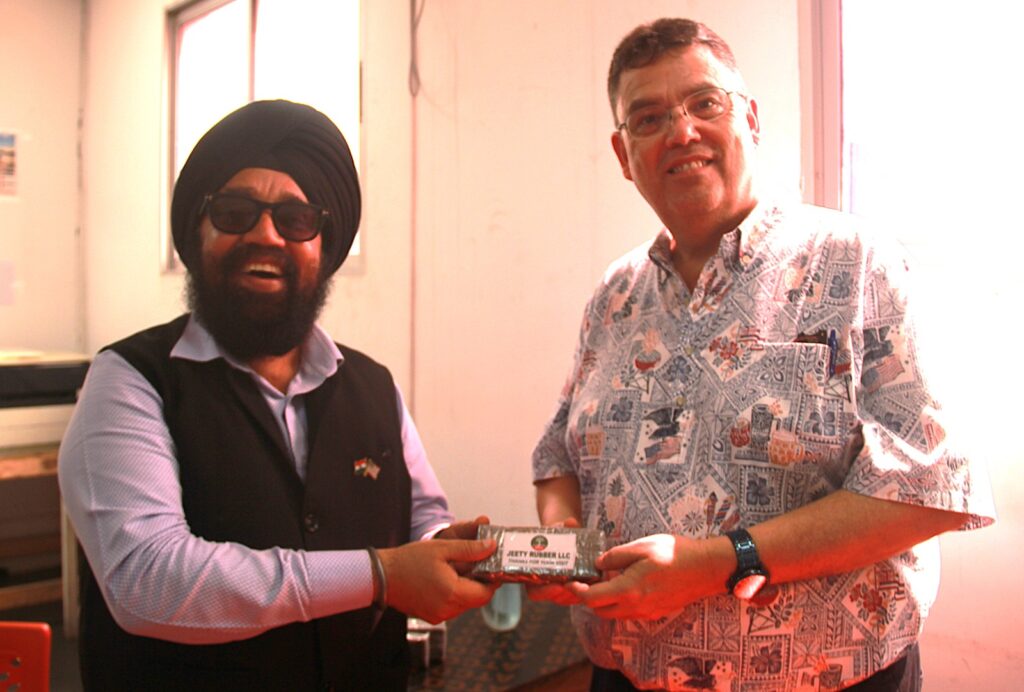
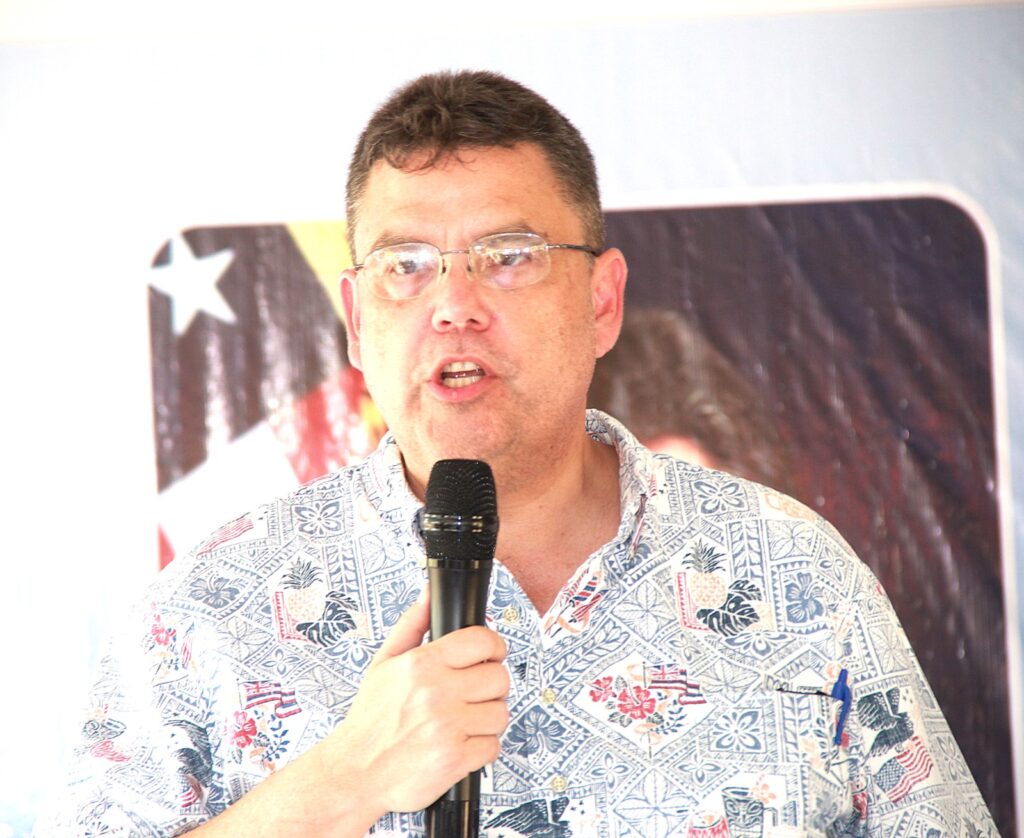
When U.S. Charge d’Affaires Joseph Zadrozny visited the facility and publicly praised the operation, his comments carried significance beyond diplomacy. He essentially highlighted something many Liberians themselves have repeatedly demanded: investors who do not merely extract wealth from Liberia but reinvest in people, infrastructure, and opportunity.
Our country’s tragedy over the years has not been the absence of natural resources. It has been the absence of value addition.
For more than a century, this country has exported raw rubber while other countries transformed those same resources into tires, industrial products, and billions in economic value abroad. Meanwhile, Liberians remained largely spectators in the value chain of their own natural wealth.
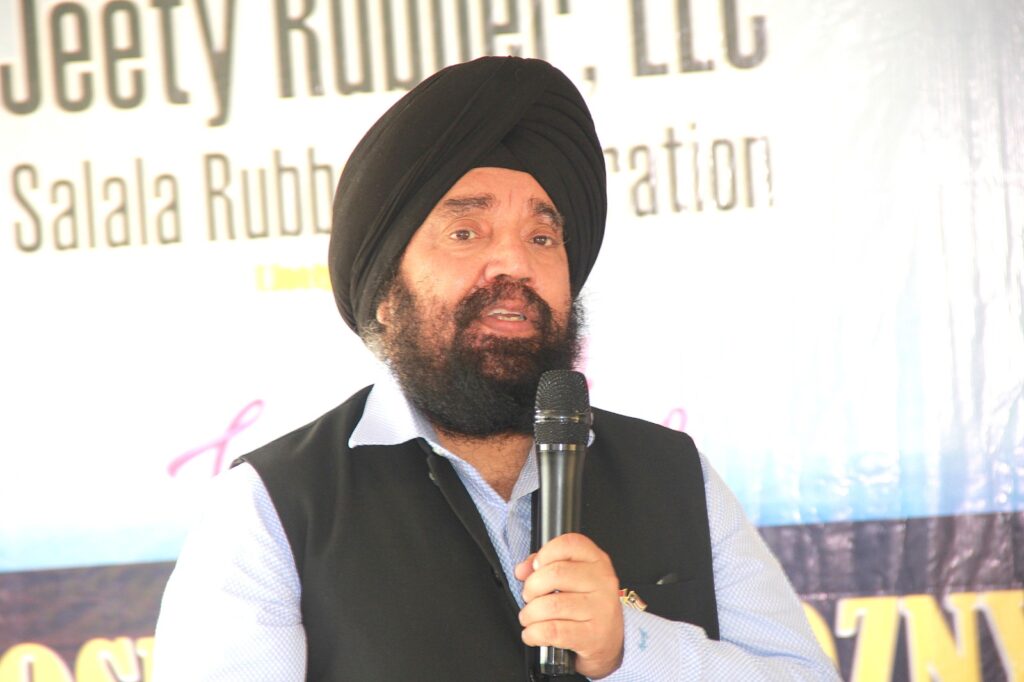
Now comes businessman Upjit Singh Sachdeva (Jeety) with an ambitious declaration: producing made-in-Liberia tires by 2028.
Some may dismiss the vision as overly ambitious. Others may question whether it can realistically be achieved. But ambition itself should not be mocked in Liberia. In fact, ambition is precisely what the country desperately needs more of.
Liberia cannot develop if every major dream is met first with cynicism.
What makes the Jeety story particularly important is not simply the expansion of a factory. It is the broader ecosystem surrounding the investment: schools, clinics, maternity wards, science laboratories, worker employment, scholarships, community wells, and local economic activity.
That is how sustainable investment should function.
A factory that grows while surrounding communities remain abandoned eventually breeds resentment and instability. Liberia has witnessed this repeatedly across concession areas where tensions exploded because communities felt excluded from the wealth generated on their own land.
The previous collapse of SRC under its former ownership should remain a painful reminder of that reality.
The violent protests, allegations surrounding poor housing and healthcare conditions, and eventual shutdown exposed the dangers of neglecting workers and communities. Hundreds lost jobs. Entire families suffered. Economic activity collapsed.
Today, the situation appears different.
But while the current progress deserves praise, it must also invite accountability and caution. Liberia has historically celebrated investors at the beginning only to later confront labor disputes, environmental concerns, or governance failures after public excitement fades.
The government, workers, communities, and civil society must therefore ensure that expansion is matched by transparency, fair labor practices, environmental protection, and long-term sustainability.
At the same time, the Liberian government itself must ask hard questions.
Why are such transformative industrial ambitions still so rare in Liberia?
Why do many investors still struggle with electricity shortages, bad roads, port inefficiencies, excessive bureaucracy, and weak financing systems?
Why does Liberia continue exporting raw materials rather than aggressively pursuing manufacturing and industrial processing?
If Liberia truly wants economic transformation, then the Jeety model — imperfect as it may still be — should become part of a broader national conversation about industrialization.
The future of Liberia cannot depend solely on government jobs, donor funding, and raw exports.
The future must involve factories, processing plants, manufacturing, technology, agriculture, and local value addition.
Most importantly, Liberia must begin rewarding productivity more than politics.
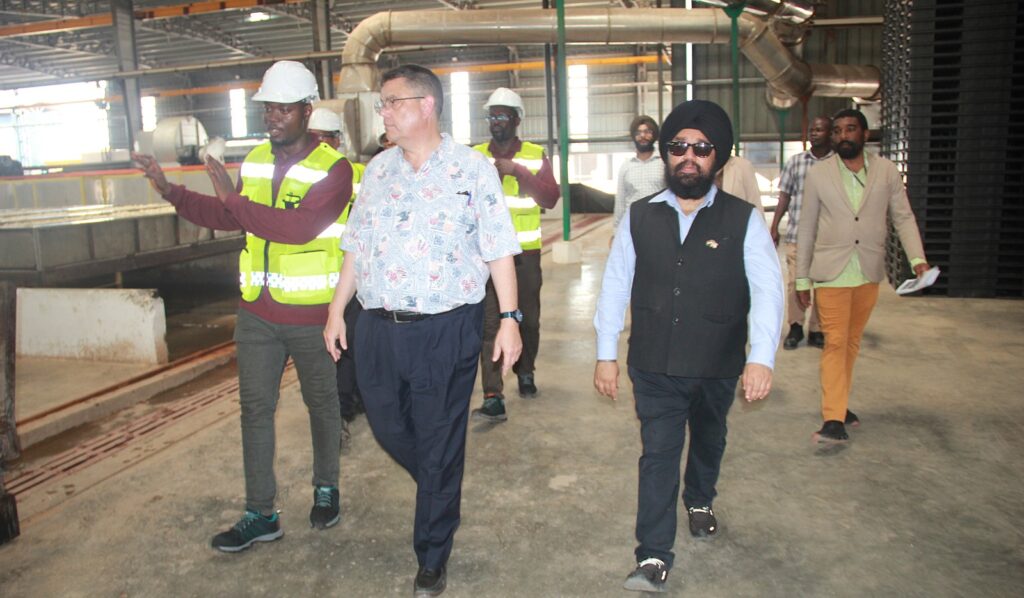
The lesson from Weala is simple: when investment is tied to production, employment, and community impact, people begin to see hope again.
That hope must now spread beyond Margibi County.
Follow The Liberian Post on Facebook and X (formerly twitter)