-U.S.-Based Liberian Umbrella Group Rejects Claims of Endorsement for Proposed US$1 Remittance Levy
WASHINGTON, D.C. — The Union of Liberian Associations in the Americas (ULAA) has formally distanced itself from the controversial proposed Diaspora Development Fund Act of 2026, rejecting claims that the organization endorsed or supported the initiative seeking to mobilize funds from Liberians living abroad for national development projects.
In a statement issued Wednesday, May 27, 2026, ULAA described reports linking the organization to the proposal as “false, misleading, and without authorization,” clarifying that no official decision was ever taken by its governing bodies to support the proposed legislation.
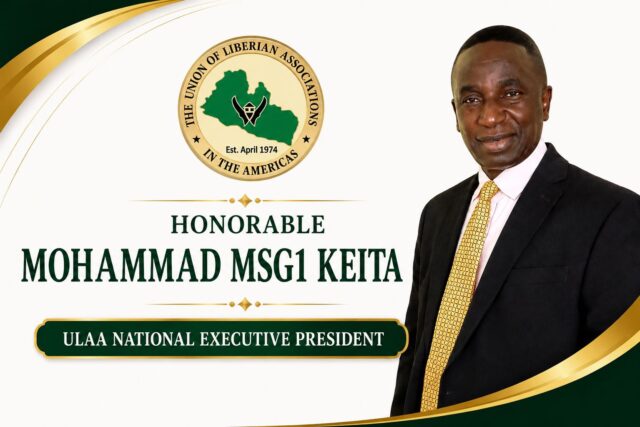
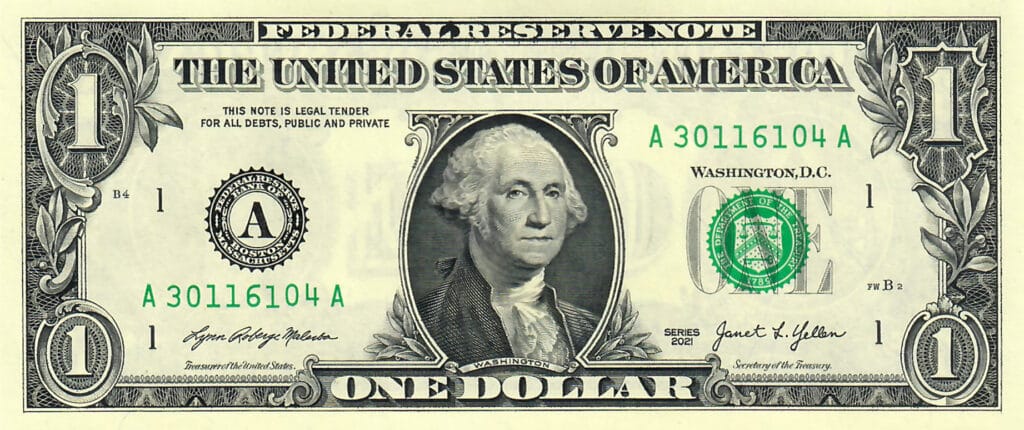
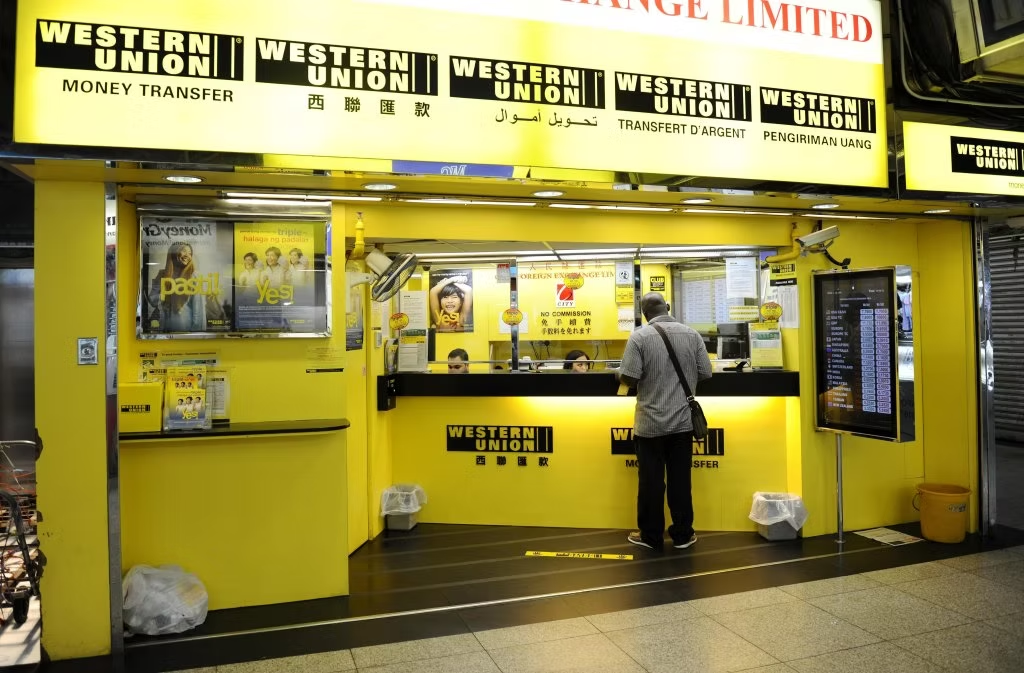
The statement, signed by ULAA Secretary General Borbi Bropleh, comes amid growing debate surrounding a proposal reportedly linked to a broader campaign advocating for a mandatory US$1 deduction or contribution tied to remittance transfers sent by Liberians in the diaspora to relatives and families back home.
Debate Over Diaspora Fund Intensifies
The proposed Diaspora Development Fund initiative has generated heated public discussion in recent weeks after reports emerged that supporters were seeking legislative backing for a mechanism that would channel small remittance-based contributions into national development and reconstruction projects.
Supporters of the idea argue that Liberia’s diaspora community already plays a major role in sustaining the economy through remittances and could help finance housing, infrastructure, education, and community development initiatives if a formalized funding mechanism is established.
Social media discussions and public commentary surrounding the proposal have referenced a possible US$1 deduction on remittance transfers, with some reports indicating the funds could support national reconstruction and housing initiatives.
Liberia remains heavily dependent on remittances from citizens abroad, especially as many families continue struggling with high unemployment, rising living costs, and economic hardship. Economists frequently describe remittance inflows as one of Liberia’s most reliable economic lifelines.

ULAA: No Official Endorsement Was Given
ULAA emphasized that while certain individuals associated with the initiative may have held preliminary conversations with members of the organization, those engagements were merely exploratory and did not amount to institutional endorsement.
“At no time did ULAA’s governing bodies adopt an official position supporting the proposed legislation, nor was any authorization granted for ULAA’s name to be publicly presented as endorsing or backing the bill,” the organization stated.
The organization warned against what it called the unauthorized use of ULAA’s name in public discussions surrounding the proposal.
“Remittances Are Survival Funds”
In its statement, ULAA strongly defended the importance of diaspora remittances to ordinary Liberian households, stressing that such transfers are not abstract revenue streams but survival funds used daily by struggling families.
“Remittances represent school fees, medical expenses, rent payments, funeral assistance, food support, and daily survival for thousands of Liberian families,” the organization noted.
ULAA argued that any attempt to impose mandatory deductions on remittance flows must undergo broad national consultation, public debate, and democratic scrutiny.
The organization further warned that poorly designed remittance taxation systems could push people toward informal transfer channels, weaken financial transparency, and erode trust within Liberia’s financial sector.
Governance and Accountability Concerns
The organization also raised serious concerns about governance, financial oversight, and constitutional authority surrounding the proposed legislation.
According to ULAA, the proposal appears to place substantial financial control into the hands of entities that may not be directly accountable to the broader Liberian public.
The organization cautioned that such an arrangement could create legal disputes, deepen divisions within diaspora communities, and undermine public confidence in future diaspora investment initiatives.
Meanwhile, ULAA called on stakeholders — including the Liberian Legislature, civil society organizations, financial experts, constitutional scholars, and diaspora communities — to engage in a more transparent and inclusive national conversation before any such measure is considered for passage.
Call for Diaspora Representation
Meanwhile, two diaspora advocates, James Jornyoun and Alfred Sieh, have also argued that if the Liberian Government is serious about imposing any form of taxation or mandatory contribution on Liberians abroad, diaspora citizens should first be granted direct political representation and voting rights.
According to the pair, diaspora Liberians should receive out-of-country voting rights and at least 10 percent representation within the Legislature before any compulsory financial contribution mechanism is introduced.
The issue of diaspora voting has remained a longstanding national debate in Liberia, with advocates arguing that Liberians abroad contribute significantly to the economy and therefore deserve formal political participation in national governance.

Diaspora Engagement Remains Central to Development
The controversy comes at a time when the Government of Liberia is increasingly seeking stronger engagement with diaspora Liberians as part of broader economic recovery and investment efforts.
President Joseph Nyuma Boakai’s administration has repeatedly emphasized the importance of diaspora investment and participation in national development initiatives.
However, ULAA insists that Liberia’s development must be built on “trust, accountability, unity, and voluntary partnership — not compulsory extraction from struggling Liberian families abroad.”
Follow The Liberian Post on Facebook and X (formerly twitter).