-Opposition Party Raises Alarm Over Funding, Procurement, and Transparency Questions Surrounding Multimillion-Dollar Development Project
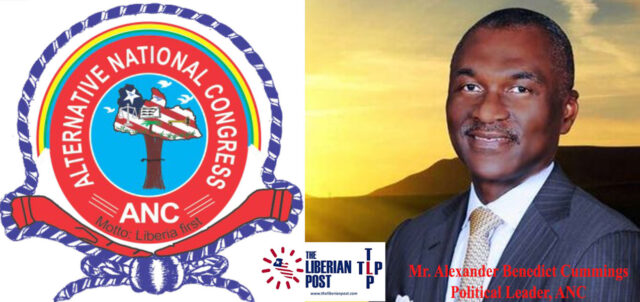
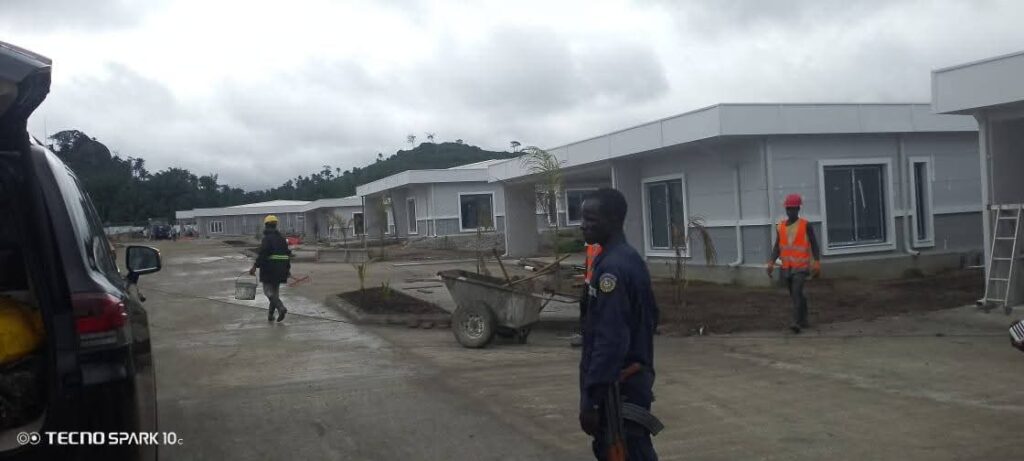
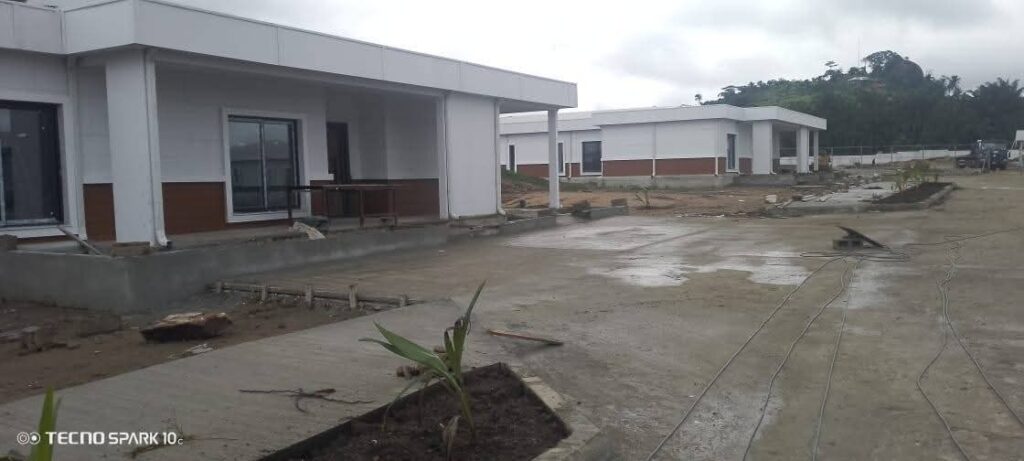
MONROVIA, LIBERIA — The opposition Alternative National Congress (ANC) has formally petitioned the Liberia Anti-Corruption Commission (LACC) to launch what it described as an immediate, independent, and comprehensive investigation into the controversial Mano River Union (MRU) Center for Regional Peace and Development project currently under construction in Foya, Lofa County.
In a formal communication dated May 25, 2026, and addressed to the Executive Chairperson of the LACC, the ANC raised serious concerns regarding the legality, procurement process, financing structure, transparency, and constitutional compliance surrounding the multimillion-dollar project.
The letter, signed by ANC Secretary General Desmond U. Nimely and approved by party Chairman Lafayette E. O. Gould, was also copied to the Liberian Senate, House of Representatives, General Auditing Commission (GAC), Public Procurement and Concessions Commission (PPCC), Ministry of Justice, diplomatic community, civil society organizations, and media institutions.
Project Already Surrounded by National Controversy
The MRU Center project has remained at the center of intense national debate for months following reports and public speculation that the development in Foya — President Joseph Nyuma Boakai’s hometown — was initially being constructed as a so-called “Presidential Villa” or private presidential retreat.
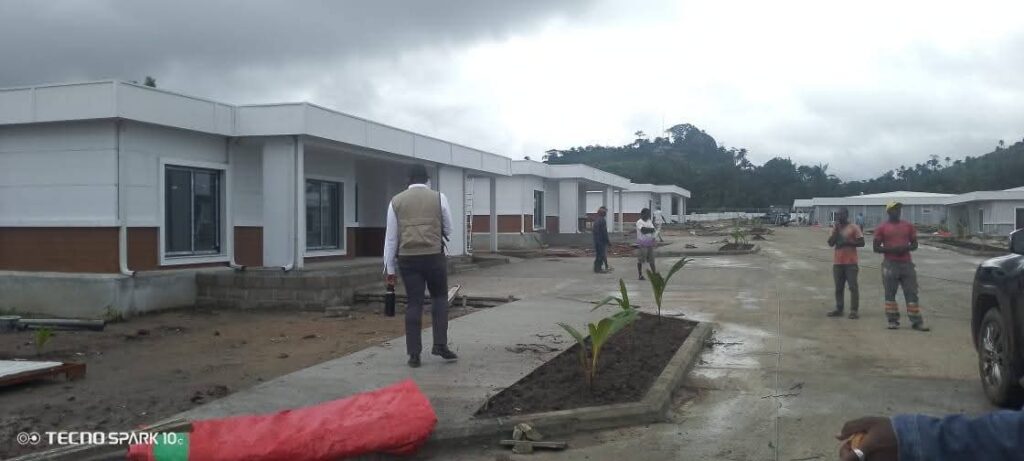
The controversy deepened after conflicting public statements emerged regarding the ownership, purpose, financing, and total cost of the project.
Earlier reports suggested the project was linked to the Mano River Union (MRU), but the regional body later reportedly denied funding any US$10 million presidential villa project in Foya. Government officials subsequently clarified that the facility was intended as an MRU Center for Regional Peace and Development aimed at supporting regional integration, diplomacy, peacebuilding, and development initiatives.
The Government of Liberia has consistently defended the undertaking, arguing that the project is a legitimate national initiative designed to strengthen regional cooperation among Liberia, Sierra Leone, Guinea, and Côte d’Ivoire.
ANC Alleges Possible Financial and Procurement Violations
In its petition, however, the ANC argued that recent public disclosures and investigative reports have raised profound questions regarding Liberia’s public financial management system and procurement integrity.
According to the opposition party, publicly available information indicates that construction on the project reportedly began around September 10, 2024, under what multiple sources allegedly described as a “National Secret” initiative.
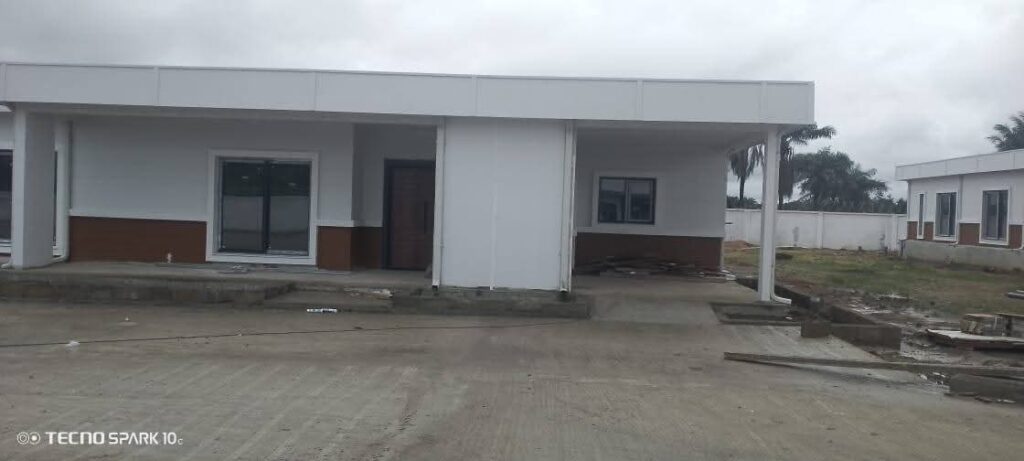
The ANC further stated that subsequent government clarifications acknowledged that the project is fully owned by the Government of Liberia and financed primarily through contributions from several State-Owned Enterprises (SOEs), including the National Social Security and Welfare Corporation (NASSCORP), National Port Authority (NPA), Liberia Petroleum Refining Company (LPRC), and the Liberia Electricity Corporation (LEC).
The party alleged that significant public funds may have been committed and expended outside the approved national budgetary framework and without legislative appropriation as required under Liberia’s Public Financial Management Act and Article 34 of the Constitution.
The ANC also questioned whether the project bypassed mandatory procurement and competitive bidding procedures established under the Public Procurement and Concessions Commission (PPCC) Act.
Calls for Full-Scale Investigation
The ANC is requesting the Liberia Anti-Corruption Commission to immediately commence what it termed a “full-scale investigation” into the financing, procurement, contracting, authorization, and implementation of the project.
Among other requests, the opposition party wants investigators to:
- Determine whether provisions of the PFM Act, PPCC Act, Penal Law, anti-corruption statutes, or other applicable laws were violated;
- Identify all public officials, private contractors, intermediaries, and institutions involved in approving and financing the project;
- Examine financial transfers, procurement records, contracts, memoranda, approvals, and SOE disbursement mechanisms associated with the project; and
- Recommend appropriate criminal, civil, administrative, or restitutionary actions where violations are established.
The ANC additionally called for the publication of the findings of any investigation “in the interest of transparency, public confidence, and democratic accountability.”
“Development Must Follow the Rule of Law”
Despite its concerns, the ANC stressed that its request should not be interpreted as opposition to development or regional cooperation efforts.
“The ANC wishes to emphasize that this request is not intended to oppose legitimate national development or regional cooperation initiatives,” the communication stated.
“Rather, it reflects our firm conviction that development must always proceed within the framework of constitutional governance, fiscal transparency, procurement integrity, and the rule of law.”
The opposition party further argued that Liberia’s democratic future depends not merely on what projects are undertaken, but how they are undertaken.
“No public official, institution, or political interest should be permitted to operate above the law or beyond public scrutiny,” the ANC added.
Government Yet to Officially Respond
As of Tuesday evening, the Government of Liberia and the Liberia Anti-Corruption Commission had not publicly responded to the ANC’s latest petition.
However, the Boakai administration has previously defended the Foya project, insisting that the facility is a government-owned regional development initiative and not a private presidential villa as alleged by critics.
The controversy continues fueling broader national debates over transparency, public financial accountability, state-owned enterprise spending, and the management of large government-backed infrastructure projects under the current administration.
Follow The Liberian Post on Facebook and X (formerly twitter).