-Legal Contradictions, Regulatory Ambiguities, and the Growing Debate Over Liberia’s Forensic Standards
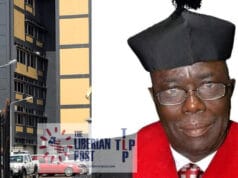
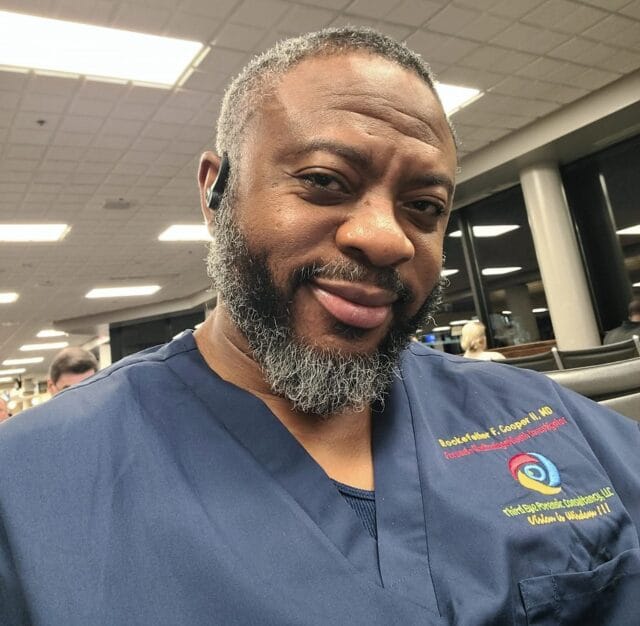
MONROVIA – The decision by Criminal Court “A” to invalidate the autopsy conducted by Dr. Rockefeller F. Cooper II on the remains of the late Ntombikayise Innocentia Khumalo, widely known as Toni Khumalo Jackson, has opened one of the most complex legal and forensic debates Liberia has seen in recent years.
At the center of the controversy lies a troubling question: How did a forensic investigator first receive court approval to conduct an autopsy, only for that same court to later declare the examination “null and void ab initio” on grounds that he was not qualified to perform it?
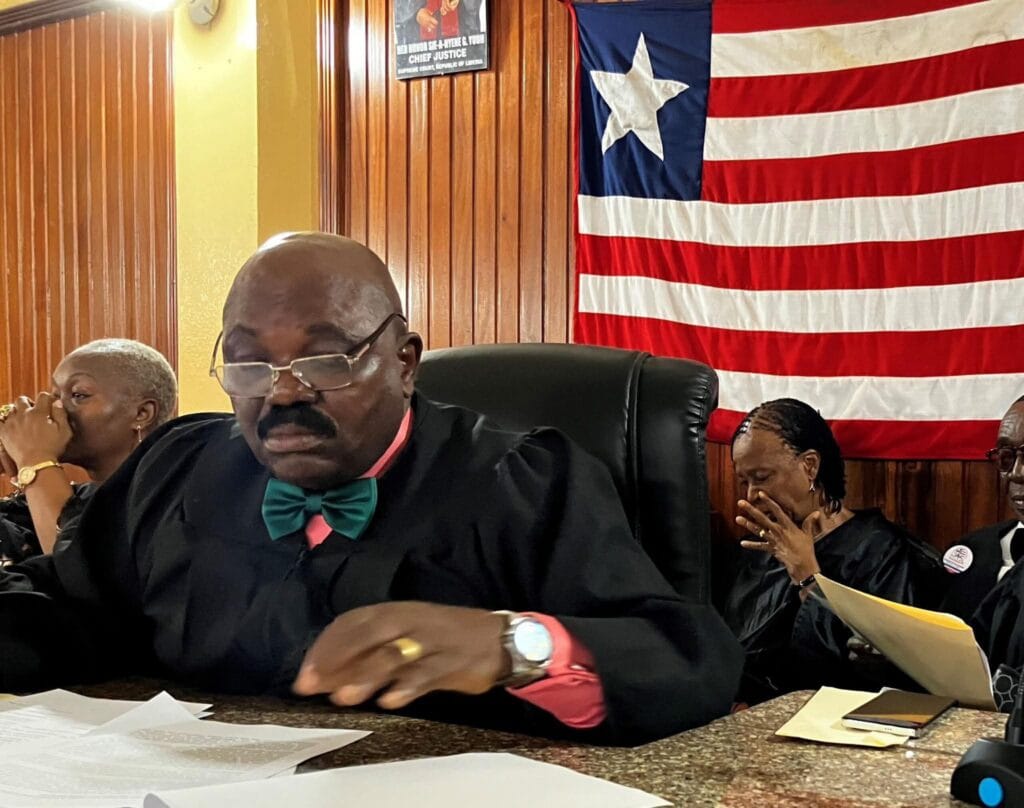
The ruling by Resident Circuit Judge Roosevelt Z. Willie has triggered growing debate within legal, medical, and public circles, particularly after documents emerged suggesting that both the court and the Liberia Medical and Dental Council (LMDC) may have previously acknowledged Dr. Cooper’s authority and credentials before reversing course.
The Court’s Initial Approval
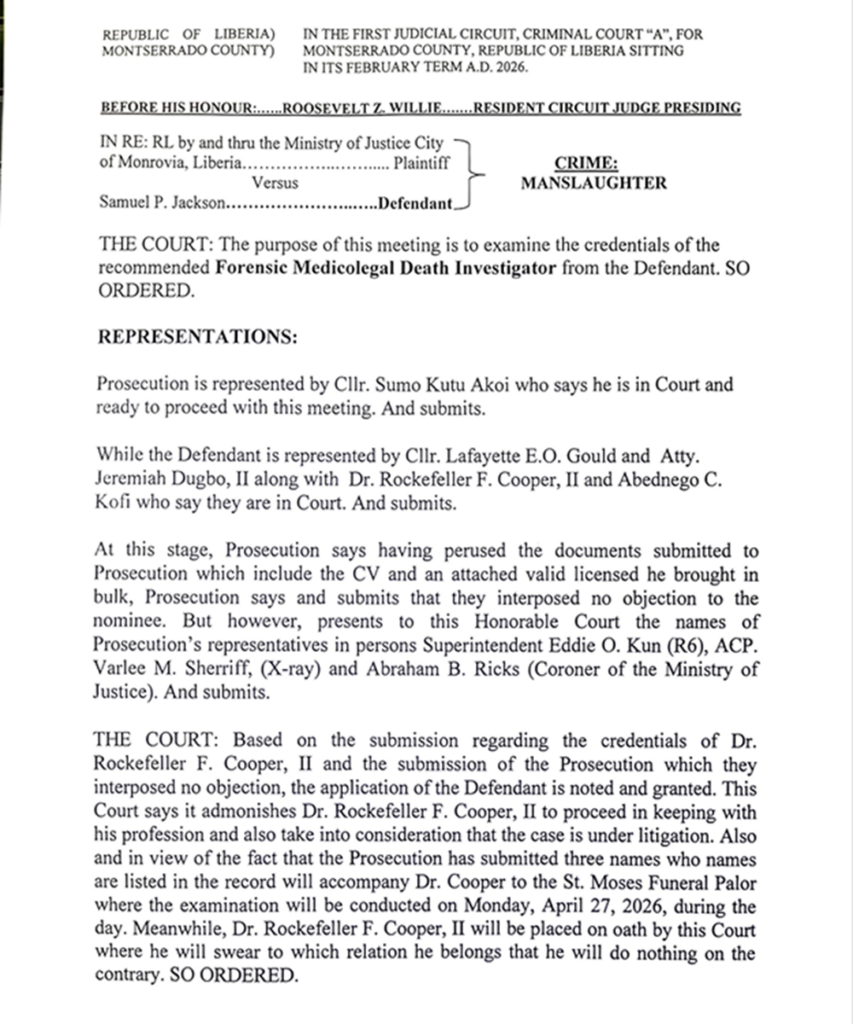
Court records show that Criminal Court “A” had earlier granted authorization for Dr. Cooper to conduct a second autopsy on the remains of Toni Jackson, whose death remains the subject of a high-profile manslaughter and negligent homicide case involving her husband, Samuel P. Jackson.
Before the authorization was granted, the court reportedly reviewed Dr. Cooper’s credentials in open court. Legal submissions were made regarding his qualifications, and prosecutors did not initially object to his participation.
Judge Willie subsequently approved the request and authorized Dr. Cooper to proceed.
That approval now forms the core of the growing controversy.
Critics argue that if Dr. Cooper lacked the legal authority to perform the examination from the outset, the court should never have granted him permission in the first place.
“This is what raises legitimate questions,” one legal analyst familiar with the case observed. “You cannot first recognize a professional’s credentials, place him under oath, authorize him to proceed, and then later claim he was fundamentally unqualified.”
The ‘Pathologist’ Debate
In his later ruling invalidating the autopsy, Judge Willie emphasized that Dr. Cooper is not a certified pathologist.
The court distinguished between a forensic death investigator and a pathologist, ruling that only a medically trained pathologist is authorized to conduct autopsies under Liberian law and professional standards.
But supporters of Dr. Cooper argue that the ruling may have introduced a professional standard he never claimed to possess.
Documents associated with Dr. Cooper’s application to the Liberia Medical and Dental Council reportedly show that he never presented himself as a forensic pathologist.
Instead, he specifically applied for recognition as a “Forensic Medico-Legal Death Investigator.”
In one communication to the LMDC, Dr. Cooper allegedly clarified that his work “should not be misinterpreted as an attempt to secure licensure to impersonate as a Pathologist or Forensic Pathologist.”
That distinction has become central to the unfolding debate.
Critics of the ruling argue that the court may have effectively punished Dr. Cooper for not being something he never claimed to be.
LMDC Under Scrutiny
The controversy has also placed the Liberia Medical and Dental Council under increasing scrutiny.
Questions are now emerging about whether the LMDC clearly defined the scope of Dr. Cooper’s practice when it granted him licensure.
Official documents reportedly show that the LMDC licensed Dr. Cooper specifically as a “Forensic Medico-Legal Death Investigator.”
However, legal observers say the Council may now face difficult questions over whether the scope and limitations of that practice were ever properly outlined.
“If the LMDC believed he was legally barred from conducting postmortem examinations, why was that limitation not explicitly stated?” another legal commentator asked.
Others argue that Liberia’s forensic regulatory framework remains underdeveloped and lacks clear statutory definitions distinguishing forensic pathology from forensic death investigation.

A Broader Crisis in Liberia’s Forensic System
Beyond the immediate courtroom controversy, the case has exposed what many observers describe as Liberia’s fragile forensic infrastructure.
Liberia currently faces severe shortages of forensic pathologists, specialized laboratories, and modern medico-legal investigative systems.
For years, the country has relied heavily on external expertise and limited institutional capacity in complex death investigations.
Some analysts believe the Cooper controversy reflects a deeper structural problem: Liberia may be attempting to enforce forensic standards that its own institutions are not fully equipped to operationalize.
“This case is no longer just about Dr. Cooper,” one justice-sector analyst said. “It is exposing the broader weaknesses in Liberia’s forensic and medico-legal system.”
The Missing Autopsy Findings
Another major point of controversy is that Dr. Cooper reportedly completed the autopsy before the court invalidated it.
As a result, public attention is now shifting toward the unreleased findings themselves.
Legal experts note that the court’s ruling addresses admissibility within the criminal proceedings, but it remains unclear whether the findings themselves will ever become public.
That uncertainty has fueled speculation and intensified calls for transparency.
Some observers are now advocating for an entirely independent forensic review involving internationally recognized experts to avoid further controversy.
For now, the case continues to generate more questions than answers — not only about the death of Toni Jackson, but also about Liberia’s legal consistency, forensic standards, and institutional credibility.
Follow The Liberian Post on Facebook and X (formerly twitter).