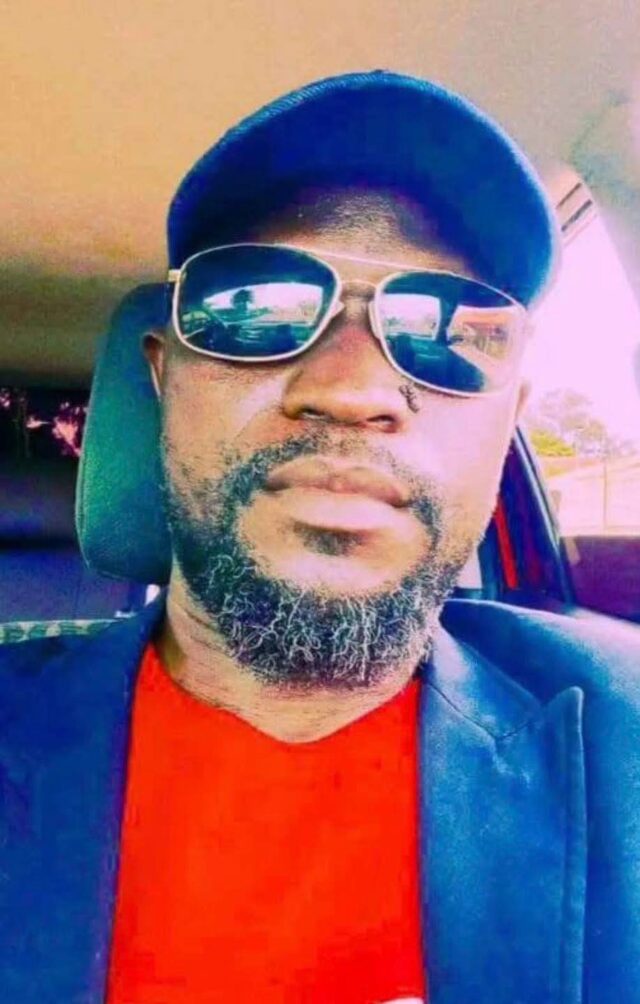
Former President of the Sports Writers Association of Liberia (SWAL), Kolubah Zayzay, has strongly criticized the Ministry of Youth and Sports (MYS) over recent decisions concerning the National County Sports Meet, warning that Liberia’s premier grassroots sporting competition could face serious controversy if key stakeholders continue to be excluded from major decision-making processes.
Zayzay expressed disappointment over the Ministry’s reported decision to shift the County Meet from its traditional December–January calendar to November–December without broad consultations with participating counties and sports stakeholders.
According to him, the move reflects what he described as a growing pattern of unilateral decision-making at the ministry level, with limited engagement involving county sports authorities and organizers who have long sustained the competition.
The veteran sports administrator questioned whether Youth and Sports Minister Cllr. Jeror Cole Bangalu fully appreciates the structure, history, and significance of the National County Sports Meet, particularly the critical role played by county sports steering committees in grassroots sports development across Liberia.
Zayzay further argued that the Ministry’s Sports Bureau has failed to adequately advise the minister on the operational complexities and historical importance of the annual tournament, which he described as one of Liberia’s most effective platforms for discovering and nurturing local sporting talent.
“The County Meet is bigger than just changing dates from one month to another,” he stressed. “It involves counties, students, local clubs, communities, sponsors, and grassroots structures that must all be consulted before major decisions are made.”
He warned that sidelining county authorities and sports stakeholders could undermine the integrity, credibility, and smooth organization of the competition.
The former SWAL president also raised concerns about the potential impact of the new schedule on student-athletes and young grassroots footballers, noting that November and early December represent critical academic periods for many players participating in the tournament.
According to Zayzay, any attempt to restrict participation exclusively to grassroots footballers while excluding players from Liberia’s first and second division clubs would defeat the broader purpose of the County Meet, which has historically served as a showcase for local talent from various levels of the game.
“The County Meet has always been a national talent exhibition platform,” he said. “You cannot improve it by narrowing participation and excluding quality players who also represent their counties.”
Zayzay called for wider consultations, transparency, and stronger collaboration between the Ministry and county stakeholders to improve the tournament rather than relying solely on decisions taken within ministry offices.
He also urged the Ministry to consult former Deputy Minister for Sports G. Andy Quamie and former sports administrators, including Marbu Richards, for guidance on how previous administrations successfully decentralized portions of the tournament’s group-stage activities to benefit counties across the country.
In one of his strongest remarks, Zayzay called on the Liberian Legislature to consider separating sports administration from the Ministry of Youth and Sports entirely, arguing that national sports development should be independently managed by professionals with technical expertise in sports administration.
According to him, politics and excessive bureaucracy continue to undermine the growth and proper management of sports in Liberia.
Despite his sharp criticism, Zayzay maintained that his comments are driven by a desire to see the National County Sports Meet continue to grow as a unifying national event that promotes youth empowerment, county pride, and grassroots sports development throughout Liberia.
Follow The Liberian Post on Facebook and X (formerly twitter).