Days After ‘T-Five’ Urged Officials to Return to the Ghettos
MONROVIA – Internal calls for what some supporters describe as a “governance recalibration” within the ruling Unity Party administration continue to grow, as another prominent party stalwart has publicly urged the government of President Joseph Nyuma Boakai to intensify efforts aimed at improving economic conditions and reconnecting with ordinary Liberians.
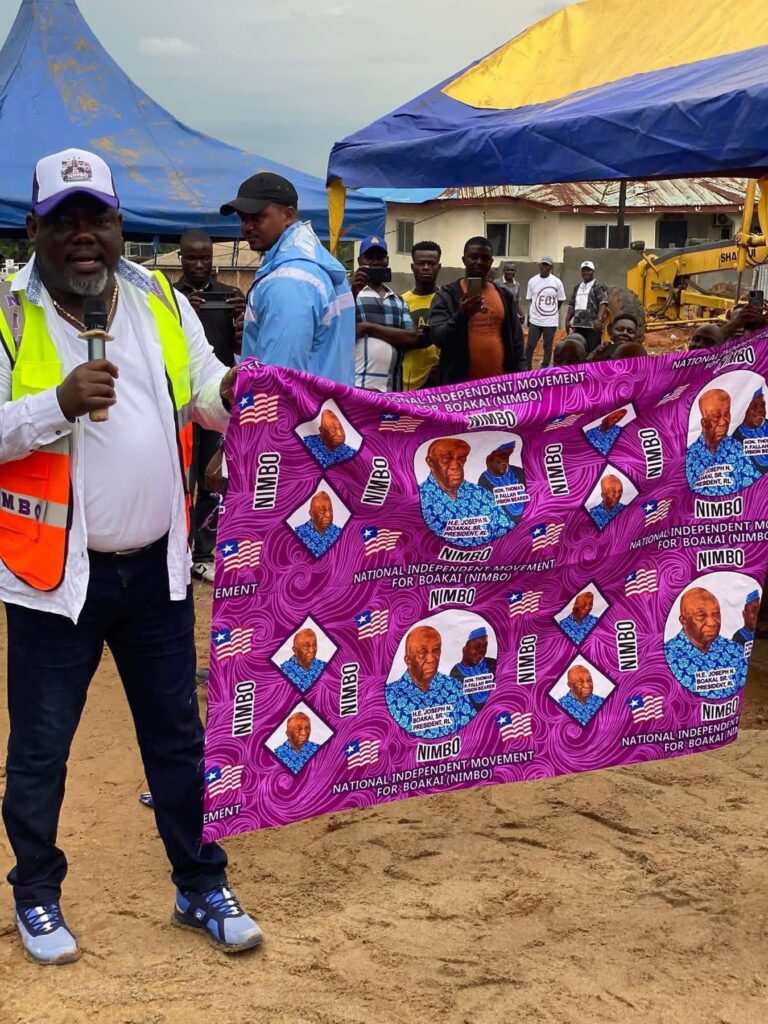
The latest intervention comes just days after Deputy House Speaker Thomas P. Fallah launched the nationwide National Independent Movement for Boakai (NIMBO) movement while issuing a blunt warning to government officials whom he accused of becoming disconnected from grassroots communities.
Speaking during a visit to the future headquarters site of the movement on May 16, 2026, Fallah urged officials of the Unity Party-led government to reconnect with struggling communities.
“Go back in the slum. Go back in the ghettos. Go back in the communities,” Fallah declared before supporters gathered at the site.
His remarks immediately triggered political debate across Liberia, with many observers interpreting the statement as both a warning to underperforming officials and an attempt to energize grassroots political support ahead of future elections.
Lobbo Calls for Jobs, Housing, Economic Action
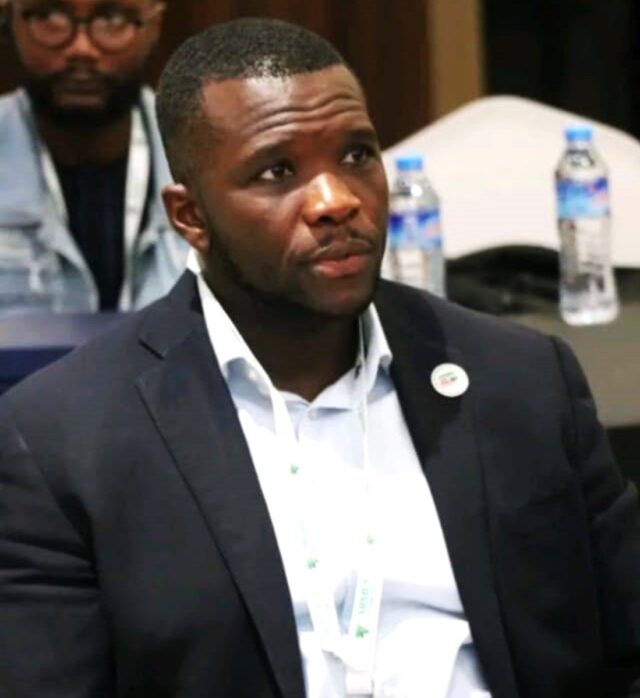
Now, less than four days later, another influential Unity Party supporter, George P. Lobbo, has publicly outlined what he believes should become the government’s immediate economic priorities.
Lobbo, widely regarded among supporters as a longtime and outspoken Unity Party loyalist, called for more aggressive economic interventions focused on job creation, investment attraction, small business support, and affordable housing.
“For the economy to work, you must take action, not lectures,” Lobbo stated in a strongly worded public commentary.
He proposed a four-point economic approach that includes:
- Government investment in small factories to create jobs and stimulate consumer spending;
- Tax reductions and removal of bureaucratic obstacles to attract investors;
- Expansion of micro-loan financing programs for small businesses;
- Nationwide investment in low-income housing projects to reduce the growing burden of rent on Liberian families.
According to Lobbo, unemployment and rising living costs remain among the biggest challenges affecting ordinary Liberians despite ongoing infrastructure improvements.
‘We Promised to Do Better’
While acknowledging ongoing development initiatives under the Boakai administration, Lobbo cautioned government officials against becoming complacent.
He praised the government’s ongoing road construction projects, expansion of access to clean drinking water, and efforts by the Liberia Electricity Corporation to improve electricity supply across the country.
However, he stressed that those achievements alone should not become the government’s benchmark for success.
“We have to do more, as the past administration should never be considered as our measuring stick because we all agreed that they had no idea what they were doing as a government,” Lobbo asserted.
“We promised to do better; I am challenging us to do more,” he added.
Despite the criticism, Lobbo expressed confidence that the country could gradually overcome its economic challenges under the current administration.
“Gradually, we will definitely fix our country and make it better for our people,” he stated.
Growing Pressure From Within the Ruling Party
The growing wave of public commentary from influential Unity Party supporters appears to reflect increasing concern within sections of the ruling establishment over governance performance, public perception, and grassroots expectations.
Several party loyalists and sympathizers have recently warned government officials against repeating mistakes made by previous administrations, particularly the tendency to become disconnected from the struggles of ordinary citizens while projecting an image that conditions in the country are improving faster than many people actually experience.
Some supporters argue that while the Boakai administration inherited significant economic and structural challenges, public expectations remain extremely high because of promises made during the 2023 election campaign.
Political observers say comments coming from figures such as Fallah and Lobbo are particularly significant because they originate from within the broader pro-government political camp rather than from opposition politicians.
Warning Ahead of Future Elections
Meanwhile, staunch Unity Party supporters and sympathizers continue urging government officials to remain visible and responsive to public concerns at the community level.
They argue that failure by appointed officials to perform effectively or maintain grassroots engagement could eventually create political risks for the administration in future elections.
Some supporters have even vowed to openly monitor and publicly evaluate the performance of government officials throughout the Boakai presidency.
According to them, officials who fail to deliver tangible results should face replacement.
Observers say the growing internal discourse within the ruling party may signal an early effort by some pro-government actors to pressure officials toward stronger performance and deeper engagement with struggling communities before political dissatisfaction hardens into broader public frustration.
For now, however, the repeated calls from within the Unity Party appear centered around one core message: governance must become more responsive, more visible, and more directly connected to the everyday realities facing ordinary Liberians.
Follow The Liberian Post on Facebook and X (formerly twitter)