MONROVIA, Liberia — In Liberia’s historical calendar, April is not just another month—it is a period marked by defining moments that reshaped the nation’s political trajectory and exposed deep social fractures. From the economic unrest of 1979 to the brutal urban warfare of 1996, April stands as a recurring symbol of crisis, resistance, and transformation.
Two events in particular—the 1979 Rice Riots and the April 6, 1996 Monrovia fighting—anchor April’s significance in Liberia’s collective memory.
Seeds of Discontent: April 1979
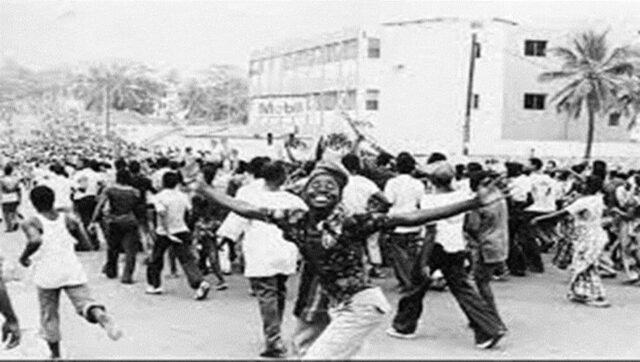
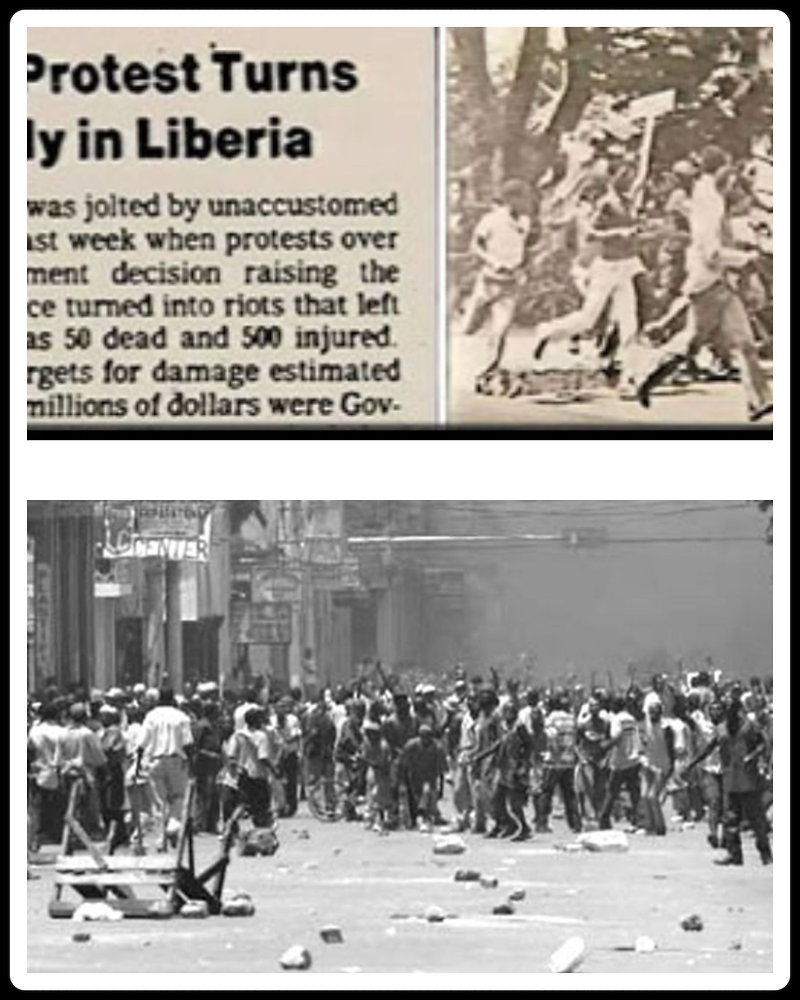
The events of April 1979 were rooted in economic policy but quickly evolved into a national reckoning. Under President William R. Tolbert Jr., the government proposed an increase in the price of rice, Liberia’s staple food. What may have been intended as an agricultural incentive was widely perceived as a policy that would disproportionately burden the poor.
Public anger intensified in early April, with activists mobilizing resistance that would ultimately culminate in the April 14 protests. The demonstrations turned violent, leaving scores dead and exposing long-standing inequalities between the ruling elite and the majority population.
The Rice Riots did more than challenge a single policy—they shattered the illusion of stability under the True Whig Party’s century-long dominance. In many respects, April 1979 marked the beginning of the end for that political order, setting the stage for the 1980 coup that brought Samuel Doe to power.
Descent into Chaos: April 1996
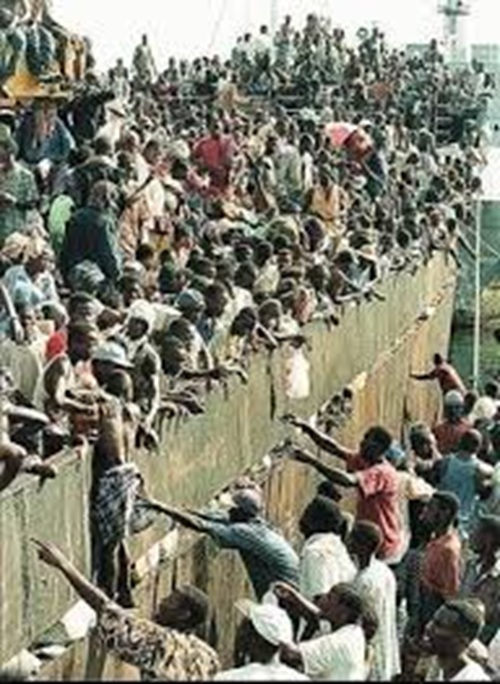
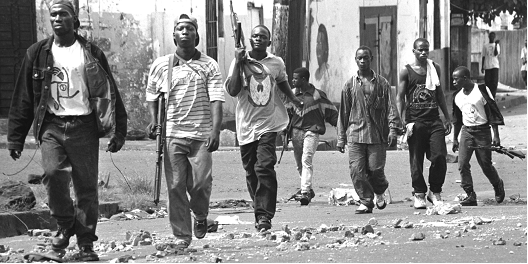
Seventeen years later, April would again become a month of national trauma. On April 6, 1996, Monrovia descended into chaos as factional fighting erupted during Liberia’s civil war. Forces loyal to Charles Taylor clashed with those of Roosevelt Johnson, igniting one of the fiercest battles ever witnessed in the capital.
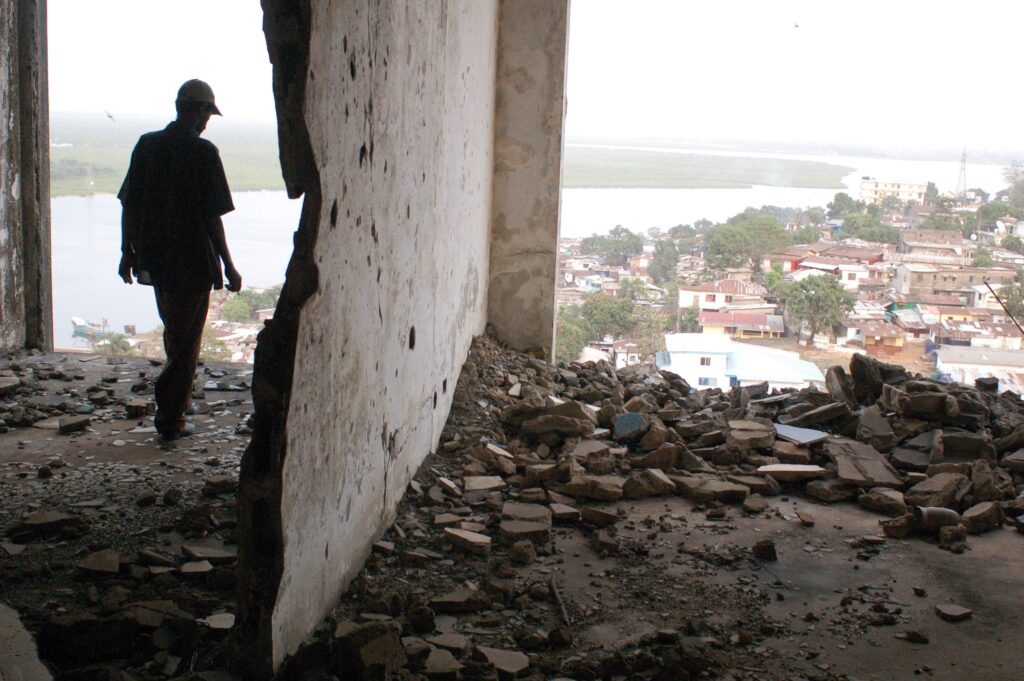
What began as an attempt to arrest Johnson quickly spiraled into full-scale urban warfare. Civilians were caught in the crossfire as gun battles raged across neighborhoods, infrastructure collapsed, and lawlessness took hold.
The violence effectively derailed fragile peace efforts and underscored the extent of fragmentation among Liberia’s warring factions. For many Liberians, April 1996 remains a painful reminder of the human cost of political conflict and the vulnerability of the state during periods of instability.
April as a Pattern in Liberia’s History
The recurrence of major crises in April is striking. While historians may caution against drawing deterministic conclusions, the pattern suggests that April has often been a tipping point—a moment when underlying tensions, long simmering beneath the surface, erupt into the open.
In 1979, it was economic inequality and political exclusion. In 1996, it was factional rivalry and state collapse. In both cases, April did not create these crises; rather, it revealed them in their most explosive form.
Beyond these two landmark events, April has historically coincided with periods of heightened political activity, public dissent, and national introspection. It is a month that, for many Liberians, evokes both remembrance and caution.
A Month of Lessons
Today, April serves not only as a marker of past turmoil but also as an opportunity for reflection. The lessons from 1979 and 1996 remain relevant: the importance of inclusive governance, the dangers of economic marginalization, and the devastating consequences of political violence.
As Liberia continues its post-war recovery and democratic consolidation, the memory of April’s defining moments underscores the need for vigilance. Stability, as history has shown, cannot be taken for granted.
In the end, April’s place in Liberia’s story is not merely about tragedy—it is about understanding how moments of crisis can shape a nation’s path, and how remembering them can help prevent their recurrence.
Follow The Liberian Post on Facebook and X (formerly twitter)