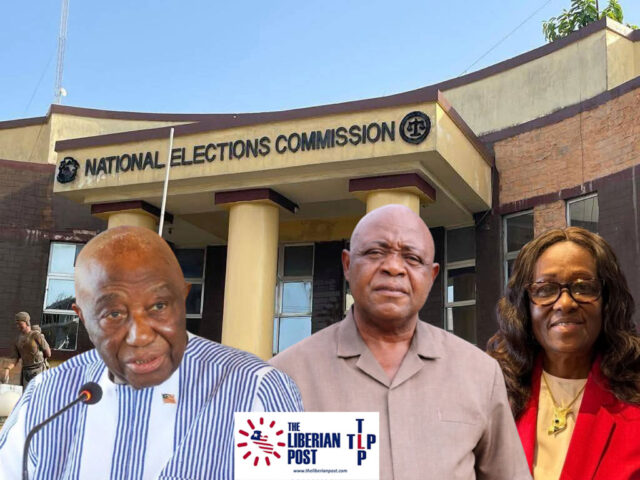
MONROVIA, Liberia — President Joseph Nyuma Boakai has nominated veteran electoral administrator Jonathan K. Weedor as Chairman of the National Elections Commission (NEC), following the resignation of outgoing Chairperson Davidetta Browne-Lansanah—a move that has drawn both commendation and sharp criticism from segments of the public.
According to an Executive Mansion announcement, Mr. Weedor, a former NEC Commissioner with over 16 years of service, has been directed to serve as Acting Chairman pending confirmation by the Liberian Senate.
Background: Lansanah’s Resignation
Madam Davidetta Browne-Lansanah stepped down on March 23, 2026, ending a tenure that oversaw critical electoral processes, including Liberia’s recent presidential and legislative elections. Her resignation created a leadership vacuum at the NEC at a time when the country continues to consolidate democratic gains following years of political instability.

A Seasoned Electoral Technician
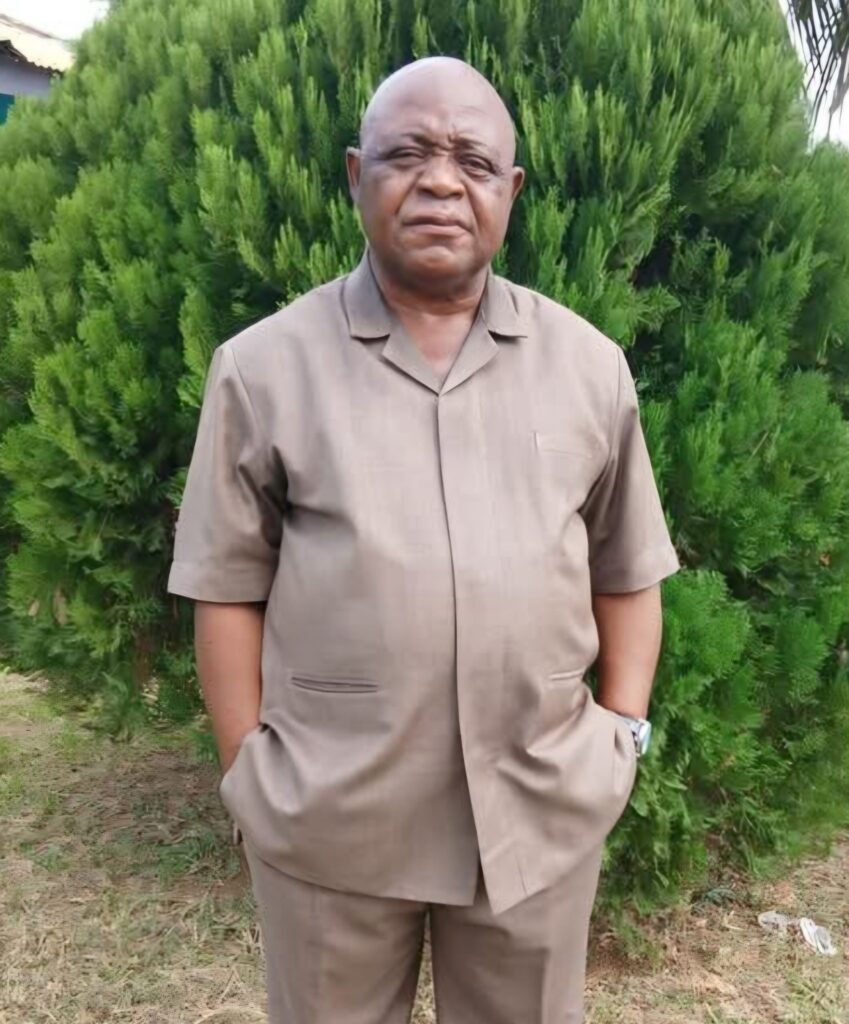
Mr. Weedor is widely regarded as an experienced figure within Liberia’s electoral system. During his tenure at the NEC from 2004 to 2020, he held key oversight roles in Human Resources, Finance, and Procurement, and also served as Acting Co-Chairman.
He has participated in electoral missions across Africa, including in Kenya, Ghana, and Nigeria, and has worked with regional and continental bodies such as the African Union and ECOWAS.
The President has expressed confidence in his “competence, integrity, and professionalism,” emphasizing expectations that the NEC under his leadership will uphold transparency and credibility.
Public Backlash and Political Concerns
Despite his credentials, the nomination has triggered a wave of criticism, particularly on social media, where some users have questioned Mr. Weedor’s perceived political neutrality.
Several commentators alleged that Mr. Weedor was associated with the ruling Unity Party during the 2023 elections, citing his reported involvement in campaign-related activities. Critics argue that such affiliations could undermine the independence of the NEC if confirmed.
One commentator described the nomination as “dangerous,” alleging it could compromise the credibility of future elections, particularly the 2029 polls. Another warned that appointing someone perceived as politically aligned “could plunge the country into chaos.”

Prominent opposition figure and former lawmaker Moses Acarous Gray also weighed in, criticizing the nomination and calling on the Senate to carefully evaluate its implications for national stability.
Other voices echoed similar concerns, urging lawmakers to reject the nomination on grounds of perceived bias, while some activists framed the appointment as a test of Liberia’s commitment to electoral integrity.
A Defining Moment for the Senate
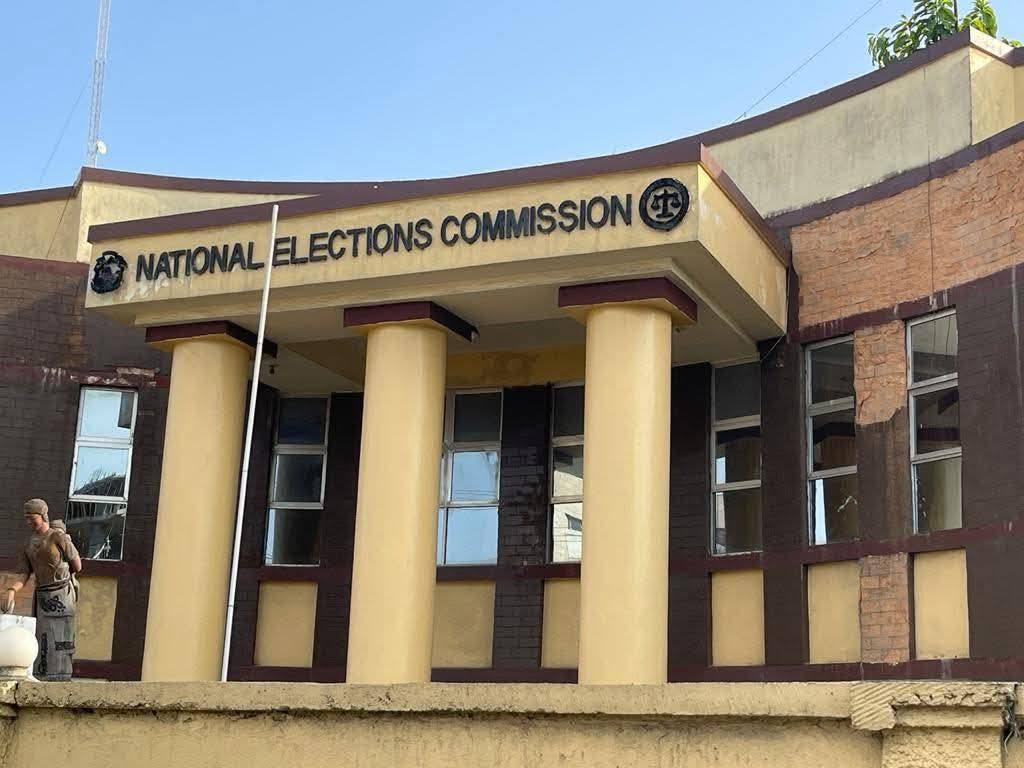
The nomination now heads to the Liberian Senate, where lawmakers are expected to scrutinize Mr. Weedor’s qualifications, independence, and suitability for the role.
Political analysts note that the confirmation process will be closely watched, as it could shape public confidence in the NEC ahead of future electoral cycles.

Balancing Experience and Perception
While Mr. Weedor’s extensive experience positions him as a strong institutional candidate, the controversy surrounding his nomination highlights a broader challenge in Liberia’s democracy—balancing technical competence with public perception of neutrality.
As Liberia continues to strengthen its democratic institutions, the outcome of this appointment may set an important precedent for how electoral leadership is selected and perceived in the years ahead.
Follow The Liberian Post on Facebook and X (formerly twitter)