


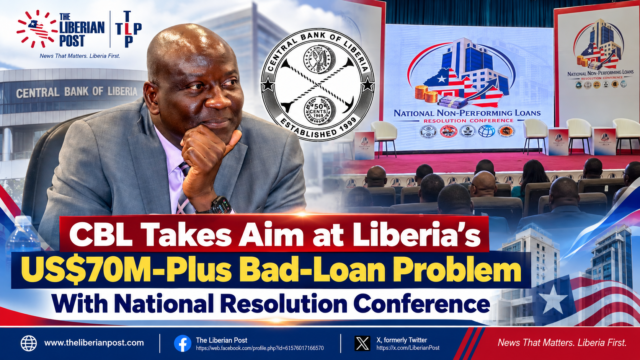
–Three-Day Gathering Brings Government, Banks, Judiciary and International Experts Together to Unlock Credit and Strengthen Liberia’s Financial Sector
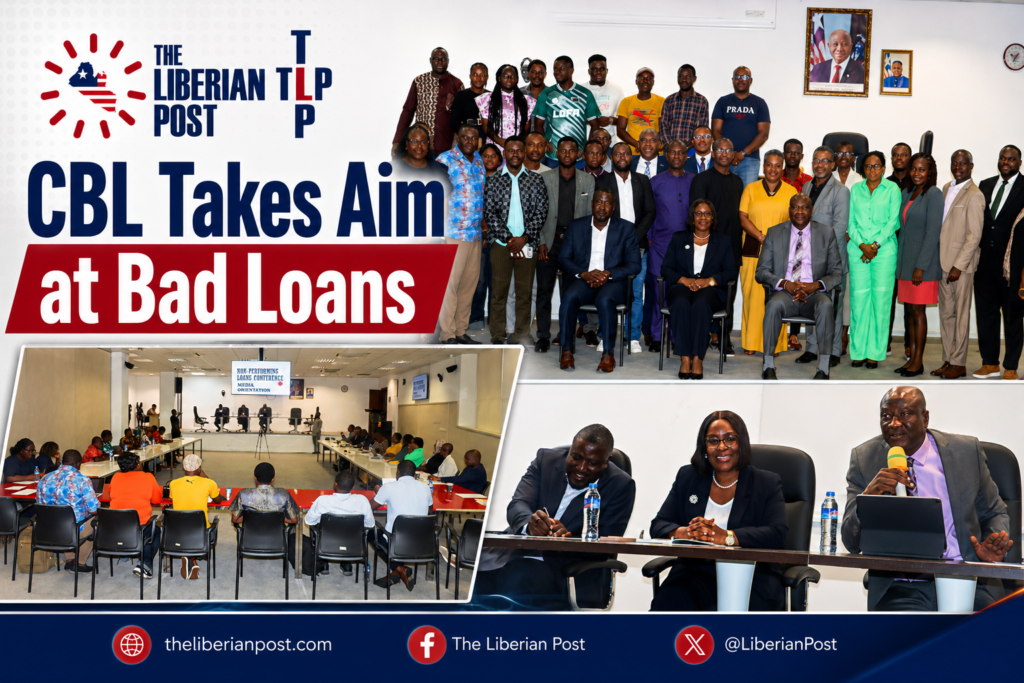
MONROVIA, Liberia — September 9, 2026 — The Central Bank of Liberia (CBL) is bringing together government officials, commercial banks, legal and judicial experts, private-sector leaders and international financial institutions for a three-day national conference aimed at confronting one of Liberia’s most persistent financial-sector problems: non-performing loans.
The National Non-Performing Loan (NPL) Resolution Conference, scheduled for September 9–11 at the Ellen Johnson Sirleaf Ministerial Complex in Congo Town, is designed to build national consensus around reforms that can accelerate loan recovery, strengthen financial stability and ultimately free up financing for businesses and households.
The conference is being convened by the Government of Liberia through the CBL in partnership with the Ministry of Finance and Development Planning, Ministry of Commerce and Industry, Liberia Bankers Association and the World Bank.
The gathering comes as Liberia’s banking sector continues to carry a significant stock of loans that are no longer being repaid according to their original terms—money that banks could otherwise recycle into new lending.
CBL Executive Governor Henry F. Saamoi has stressed that the problem extends beyond commercial-bank balance sheets, warning that high levels of unpaid loans can restrict liquidity, make banks more cautious about lending and ultimately constrain investment, entrepreneurship, job creation and economic growth.
From Banking Problem to National Development Challenge
Non-performing loans become particularly damaging when they remain unresolved for extended periods.
For banks, they can reduce earnings, consume capital through provisioning requirements and limit the funds available for new credit. For businesses and households, the consequences can include tighter lending standards, higher borrowing costs and reduced access to financing.
For the wider economy, the effect can be even broader.
The CBL’s conference materials describe NPLs as one of the most significant structural challenges facing Liberia’s financial sector. The Bank says the NPL ratio stood at approximately 19.1 percent at the end of 2024, nearly twice its regulatory threshold, before declining to about 12.9 percent in 2025. The CBL cautions, however, that much of the improvement came through loan write-offs and restructurings rather than sustainable recoveries.
The IMF has similarly identified persistently high NPLs as a vulnerability in Liberia’s banking system. In its 2026 assessment, the Fund reported an NPL ratio of 16.51 percent at the end of September 2025, still well above the CBL’s 10 percent regulatory threshold.
The figures differ because they refer to different reporting periods and methodologies, but they point to the same underlying problem: Liberia’s banking system continues to carry a substantial volume of troubled loans.
More Than US$70 Million Tied Up
The scale of the challenge has also been expressed in monetary terms.
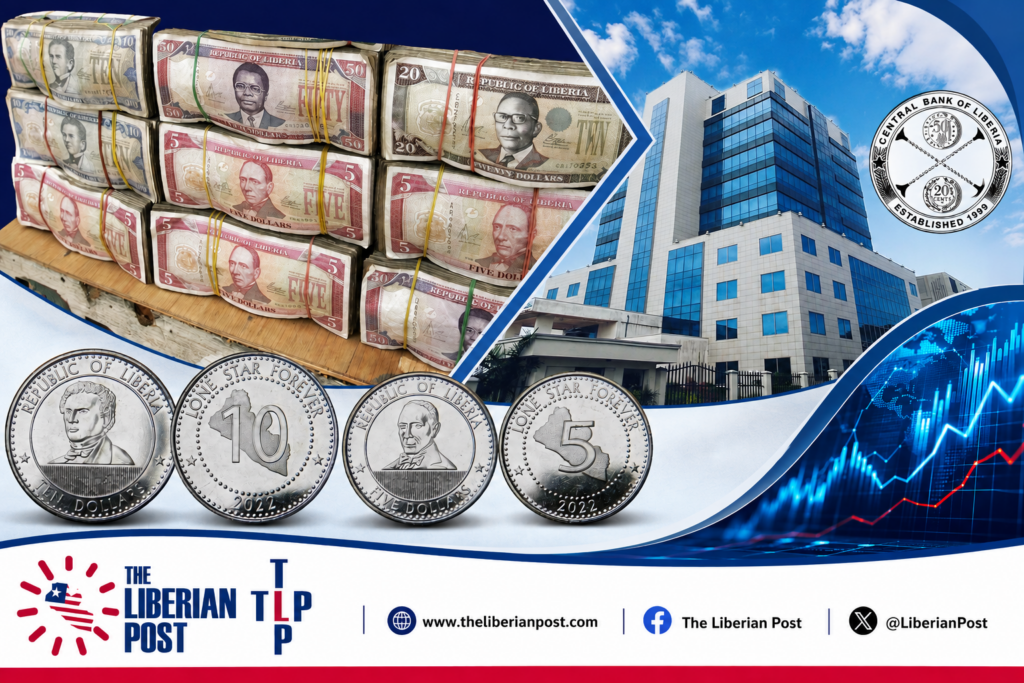
Recent CBL briefings reported that the remaining NPL portfolio was worth more than US$70 million, representing funds that could otherwise be circulating through the economy as productive credit.
That is particularly significant in an economy where access to finance remains a major constraint for businesses.
The African Development Bank has identified limited access to finance, weak contract enforcement and other structural constraints as significant obstacles to private-sector development in Liberia. It reported that only about 14 percent of Liberian firms had access to bank loans in 2023, compared with 22 percent across Sub-Saharan Africa.
Against that backdrop, resolving existing bad loans is not simply about cleaning up banks’ books. It is also about creating room for banks to lend again.
CBL Seeks National Roadmap for NPL Resolution
The conference is expected to move beyond diagnosis and produce a concrete reform framework.
According to the CBL, one of the principal outcomes will be a National NPL Resolution Policy Roadmap, supported by a formal conference communiqué and an implementation framework.
The process is expected to identify legal, judicial, regulatory and institutional reforms needed to improve loan recovery and strengthen Liberia’s broader credit ecosystem.
The conference will examine eight interconnected areas, including access to finance and private-sector growth; credit underwriting and governance; legal and insolvency frameworks; banking supervision; borrower-lender relationships and consumer protection; international best practices; digital finance and credit infrastructure; and financial inclusion for micro, small and medium-sized enterprises, women, youth and agriculture.
The approach reflects the CBL’s recognition that bad loans are not caused by a single failure.
Weak underwriting can contribute to poor-quality lending. Weak credit information can make it harder for banks to assess borrowers. Slow judicial and insolvency proceedings can make recovery difficult. Governance weaknesses can also undermine lending decisions and risk management.
The CBL’s diagnostic work, supported by the World Bank’s Financial Sector Assessment Program, has identified several of these issues as key drivers of Liberia’s NPL problem.
Judiciary and Legal System Face Key Test
One of the most consequential components of the conference will be the discussion of debt recovery, insolvency and legal enforcement.
For banks, recovering a defaulted loan can depend heavily on how quickly collateral can be identified, claims can be enforced and disputes can be resolved.
The CBL has therefore placed legal and judicial reform alongside banking supervision and credit underwriting on the conference agenda.
The objective is to create a system in which responsible lending is matched by an effective mechanism for dealing with borrowers who fail to meet their obligations.
That balance will be important.
A stronger recovery system must give banks confidence that legitimate claims can be enforced, while also protecting borrowers against abusive or arbitrary collection practices.
Enhanced Collateral Registry Adds Another Piece
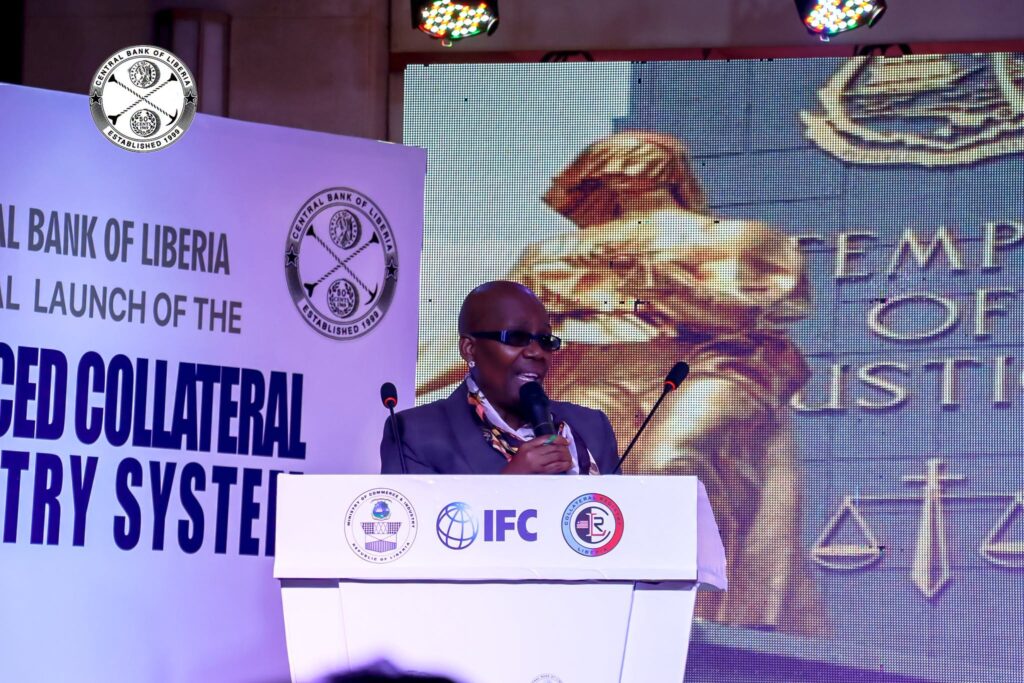
The NPL conference comes shortly after the CBL launched an enhanced Collateral Registry, another component of the Bank’s effort to strengthen Liberia’s credit infrastructure.
The upgraded registry is intended to make it easier for financial institutions to register, search and manage collateral used to secure loans.
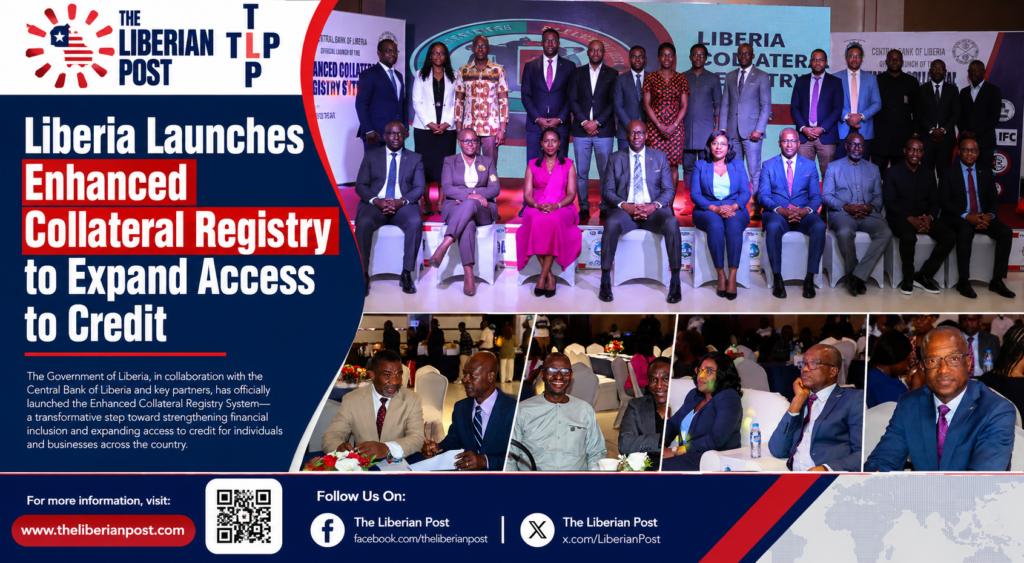
The earlier system focused largely on movable assets. The enhanced framework expands coverage to include immovable property such as land and buildings, potentially giving lenders greater security while allowing businesses and individuals to use a wider range of assets to access financing.
The initiative is important because better collateral and credit information can reduce uncertainty for lenders and potentially improve access to financing for businesses that struggle to secure traditional loans.
Together, the collateral registry and NPL resolution effort form part of a broader financial-sector modernization agenda.
Learning From Other African Markets
Liberia will also look beyond its borders for solutions.
The conference is expected to draw lessons from countries including Ghana, Nigeria, Kenya, Egypt and Tanzania, where financial authorities have implemented different approaches to managing distressed loans, strengthening supervision and improving credit markets.
Participants will include local banking and financial-sector professionals, entrepreneurs, legal practitioners and policymakers, alongside regional and international specialists in credit risk, loan recovery, investment banking, trade finance, financial regulation and business development.
Featured experts include representatives from the Nigeria Deposit Insurance Corporation and the Central Bank of Egypt, among other regional and international institutions.
The conference is also expected to generate opportunities for continued technical assistance from the World Bank, IMF, African Development Bank, International Finance Corporation and other development partners.
Unlocking Credit for the Private Sector
At its core, the NPL debate is about credit.
Liberia’s private sector needs financing to expand businesses, purchase equipment, increase production, enter new markets and create employment. But banks are unlikely to aggressively expand lending when a substantial portion of their existing loan portfolios remains impaired.
The CBL has previously described the private sector as an engine of economic growth and has linked improvements in asset quality directly to the need to unlock credit. In an address earlier this year, Governor Saamoi said NPLs had declined but continued to constrain credit expansion, profitability and financial intermediation.
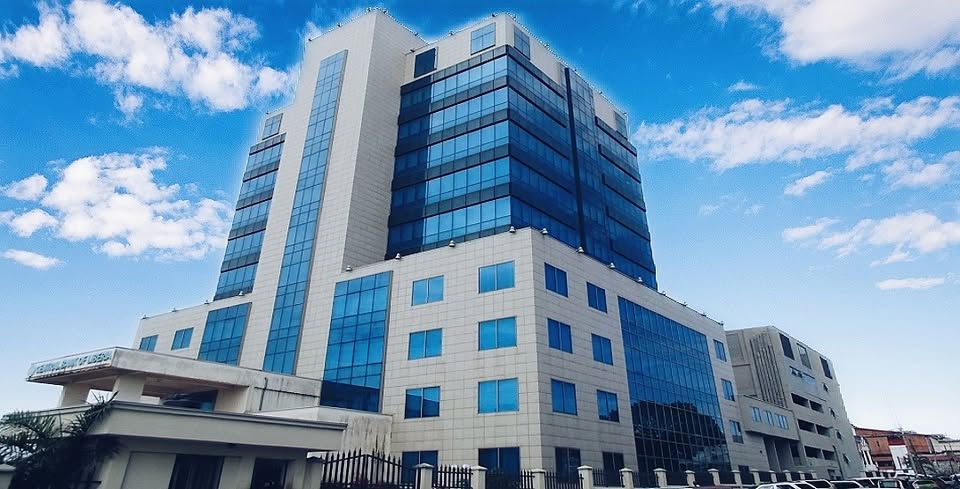
The IMF has likewise said that reducing elevated NPLs is critical to strengthening Liberia’s banking sector and supporting credit intermediation for private-sector-led growth.
This makes the outcome of the national conference particularly important for entrepreneurs and businesses that depend on bank financing.
The Challenge Now Is Implementation
The three-day conference can establish consensus, but the harder task will begin after the delegates leave the conference room.
Liberia will need to translate recommendations into enforceable regulations, functioning judicial mechanisms, stronger credit infrastructure and measurable recovery targets.
The CBL has already tightened enforcement around the classification, provisioning and write-off of non-performing loans. The IMF reported that the Bank had identified loans requiring write-offs in six of nine banks, amounting to about US$42.3 million, with approximately US$39.7 million already written off and another US$2.65 million restructured as of the Fund’s review.
The IMF also reported that the CBL intends to enforce the 10 percent maximum NPL ratio and restrict certain activities for banks that fail to comply with applicable requirements.
Those measures suggest that the conference is not occurring in isolation. It is part of a continuing regulatory effort to address weaknesses within Liberia’s banking system.
A Financial-Sector Reform With Economy-Wide Stakes
For Liberia, the stakes extend well beyond the banking industry.
A healthier banking system can provide more reliable financing to businesses, improve confidence among investors and support the creation of jobs and productive enterprises.
Conversely, persistent bad loans can leave banks defensive, borrowers underserved and businesses unable to secure the capital needed to grow.
That is why the CBL is framing NPL resolution as a national development issue rather than simply a banking-sector cleanup exercise.
The conference’s ultimate test will be whether Liberia can move from discussion to implementation—recovering viable loans, resolving distressed assets, strengthening the legal and regulatory environment and restoring banks’ willingness and capacity to lend.
If successful, the effort could help turn more than a decade of financial-sector challenges into an opportunity to rebuild Liberia’s credit market around stronger risk management, greater accountability and wider access to finance.
For a private sector already constrained by limited access to capital, that could be one of the most consequential financial reforms of the current economic agenda.
For breaking news, in-depth analysis, and exclusive reports from Liberia and around the world, follow The Liberian Post on Facebook and X, formerly Twitter.