–Years-Long Land Dispute Takes New Turn as Civil Law Court Rules in Favor of Purchaser; Bernard Estate Appeals to Supreme Court
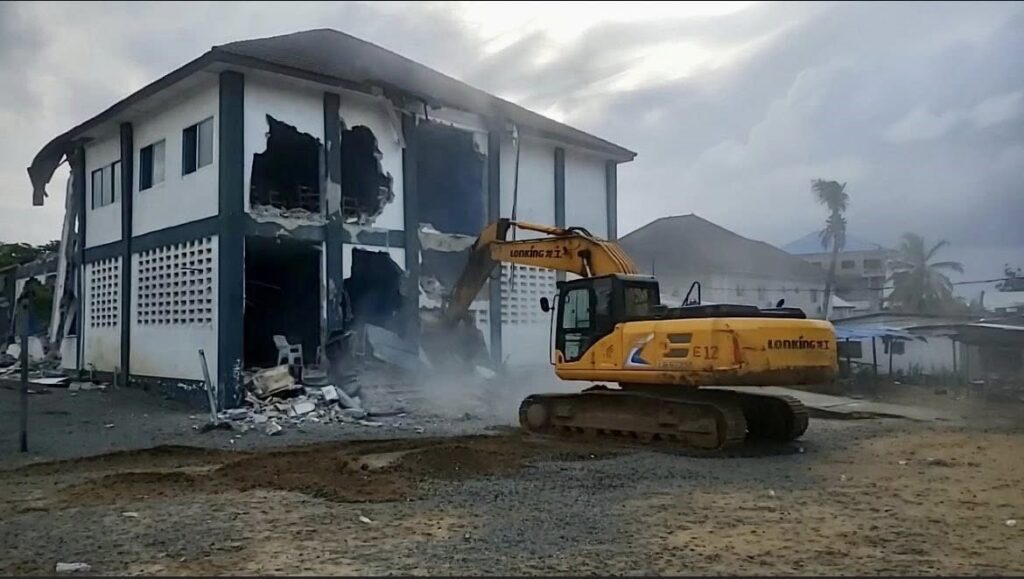
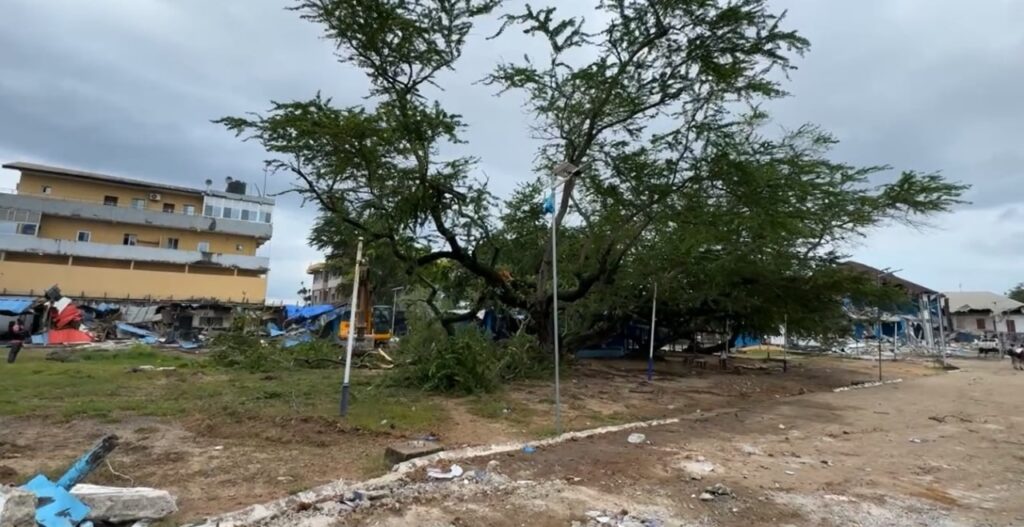
MONROVIA, Liberia – The Civil Law Court for Montserrado County has ruled in favor of Liberian businessman Dr. C. Nelson Oniyama in a long-running land dispute involving a prime parcel of property in Sinkor, including land that formerly housed the headquarters of the opposition Congress for Democratic Change (CDC) before its controversial demolition.
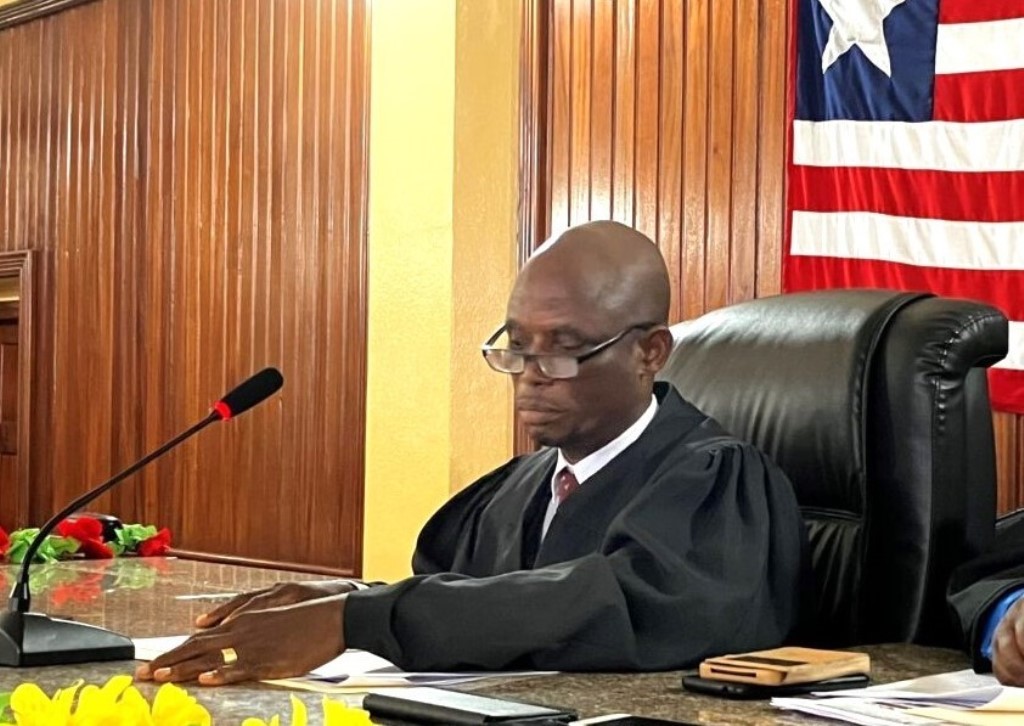
In a final ruling handed down on Monday, June 8, 2026, Assigned Circuit Judge Nelson B. Chineh ordered the Intestate Estate of the late Martha Stubberfield Bernard, through its administrator Ebrima Dempster, to transfer ownership of ten lots of land to Dr. Oniyama after finding that he had fully met the terms of a legally binding purchase agreement.
The ruling stems from a Petition for Specific Performance filed by Oniyama, who argued that despite paying US$132,000 for the property and executing formal agreements with the estate, ownership was never legally conveyed to him.
Court documents reviewed by this newspaper show that Judge Chineh agreed with the petitioner’s position and concluded that the estate was obligated to fulfill the contractual arrangements entered into with Oniyama.
Court Orders Estate to Honor Agreement
In his ruling, Judge Chineh noted that the respondents did not dispute receiving the payment for the property.
The court found that two separate Memoranda of Understanding executed between the parties in April and August 2016 constituted a valid and enforceable agreement for the sale of ten lots of land comprising approximately 4.23 acres situated along Tubman Boulevard opposite the Cuttington Graduate School in Sinkor.
“The Respondent acknowledged the receipt of US$132,000.00 for the stipulated ten lots of land,” the court ruled, adding that the evidence presented established the existence of a legally binding agreement between the parties.
Judge Chineh subsequently ordered the Bernard Estate to execute and deliver a duly probated and registered deed conveying the property to Oniyama.
The court further assessed legal costs against the respondents.

Appeal Immediately Announced
Moments after the ruling was delivered, lawyers representing the Bernard Estate formally announced an appeal to the Supreme Court of Liberia.
Under Liberian law, the filing of the appeal automatically suspends enforcement of the lower court’s judgment pending review by the nation’s highest court.
Judge Chineh acknowledged the exception and granted the appeal as a matter of right.
As a result, while Oniyama secured a significant legal victory at the lower court level, the final determination of ownership could now rest with the Supreme Court during its October Term.
Property Became National Headline After CDC Headquarters Demolition
The disputed property gained national attention in recent years following the demolition of structures located on the land, including facilities associated with the Congress for Democratic Change (CDC), the political party of former President George Manneh Weah.
The demolition triggered intense public debate and political controversy, with supporters of the former ruling party questioning the circumstances surrounding the action and the ownership claims attached to the property.
At the center of the controversy was the question of who legally owned the land and whether previous occupants had lawful rights to remain on the premises.
The latest court ruling appears to strengthen Oniyama’s long-standing claim that he lawfully purchased the property years ago and that the estate subsequently failed to complete the transfer process despite receiving full payment.
Understanding “Specific Performance”
Legal experts describe specific performance as a remedy available when monetary damages alone are insufficient to resolve a contractual dispute.
Instead of awarding financial compensation, the court compels a party to carry out its obligations under a contract.
In this case, the court determined that the appropriate remedy was not repayment of money but the actual transfer of the land agreed upon in the sale transaction.
Judge Chineh held that the Bernard Estate must perform its obligations by conveying the property to Oniyama in accordance with the agreements executed by both parties.

Wider Implications
The case is being closely watched by legal observers, property developers, and political actors because it touches on issues of land ownership, contractual enforcement, estate administration, and property rights in Liberia.
It also comes amid growing public concern over recurring land disputes across the country, many of which involve overlapping claims, incomplete documentation, and competing interpretations of ownership rights.
For now, the matter remains far from over.
With the Bernard Estate pursuing an appeal before the Supreme Court, the final legal status of one of Monrovia’s most talked-about properties will ultimately be determined by Liberia’s highest court.
Until then, a dispute that has generated years of controversy, political discussion, and legal battles remains one of the country’s most closely followed land cases.
Follow The Liberian Post on Facebook (https://web.facebook.com/profile.php?id=61576017166570) and X, formerly twitter (https://x.com/LiberianPost).