
The Supreme Court’s conviction and sentencing of Prophet Key for criminal contempt is more than the punishment of one controversial figure. It is a defining institutional moment — one that forces Liberia to confront a difficult but necessary question: Where does freedom of speech end, and where does accountability begin?
The Court has answered that question decisively.
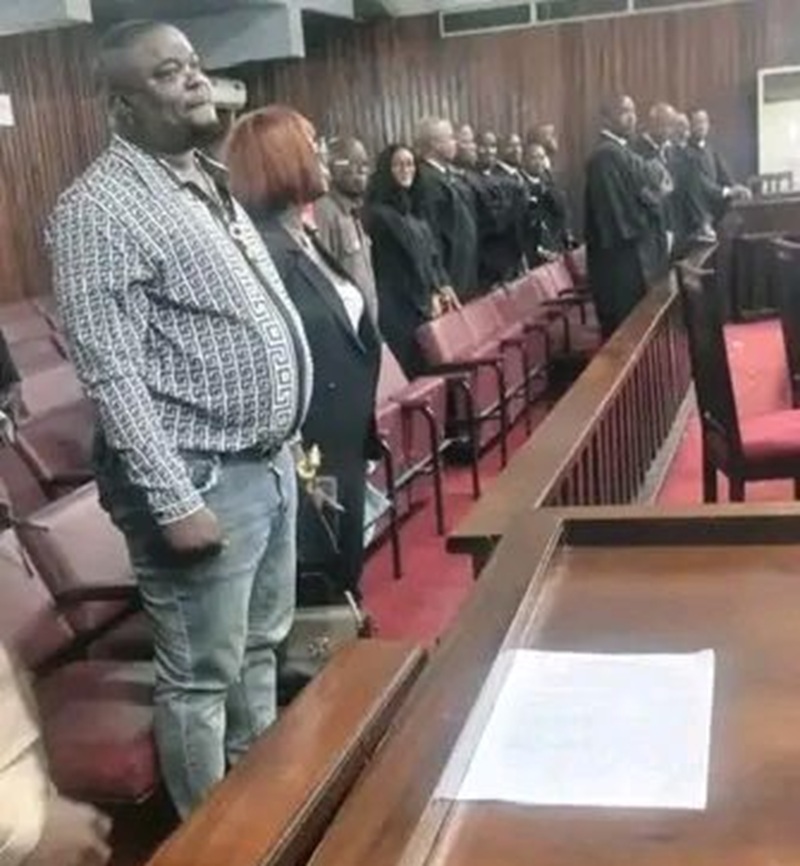
For days, the nation watched as Justin Oldpa Yeazehn, popularly known as Prophet Key, moved from social media defiance to the solemn chamber of the Full Bench. His podcast broadcast — laced with vulgarities, personal attacks, and degrading remarks against the Chief Justice and members of the Supreme Court — was not merely criticism. It was a deliberate assault on the dignity of the Judiciary.
And the Court refused to normalize it.
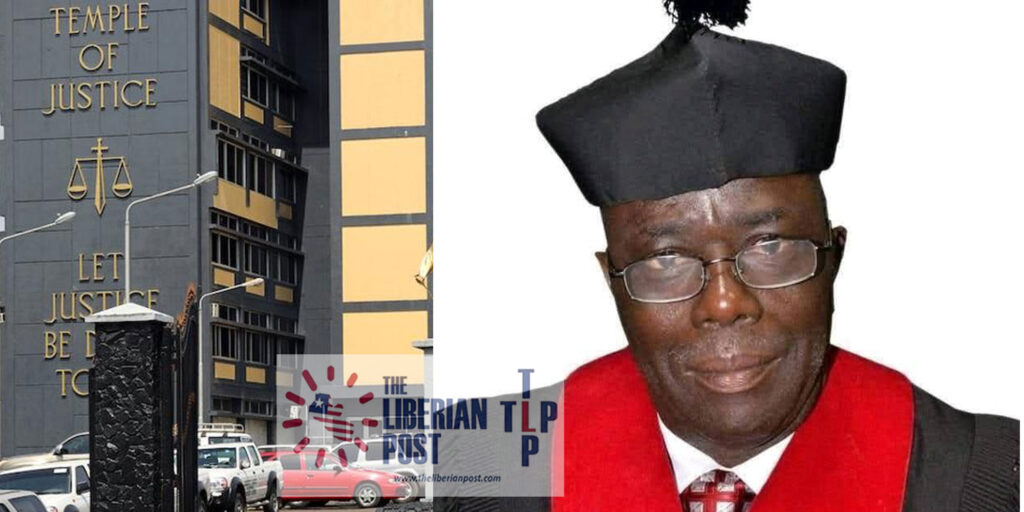
Let us be clear: Article 15 of the 1986 Constitution guarantees freedom of speech. That right is sacred. It is the bedrock of democracy. It protects dissent, criticism, satire, and protest. Without it, democracy suffocates.
But the Constitution does not protect abuse masquerading as expression.
The Supreme Court did not criminalize disagreement. It did not silence criticism of government policy. It did not prohibit commentary on judicial decisions. What it rejected was something far more corrosive — vulgar defamation, personal degradation, and language intended to bring the Judiciary into ridicule and disrepute.
There is a difference between saying, “The Court is wrong,” and saying, “The Court is corrupt” without evidence, while spewing profanities and dragging family members into the attack.
One strengthens democracy. The other poisons it.
The digital age has amplified voices — but it has also amplified recklessness. Social media has blurred the line between influence and responsibility. Viral outrage has become currency. Shock value has become strategy. In that environment, institutions are easy targets.
Yet institutions — especially courts — are not personalities. They are pillars of constitutional order.
When the authority of the Judiciary collapses under sustained vulgar assault, the damage is not to judges alone. It is to litigants waiting for justice. It is to contracts that depend on enforceability. It is to elections that depend on adjudication. It is to citizens who depend on courts when power turns abusive.
A Judiciary that cannot defend its dignity cannot defend anyone else’s rights.
Critics may argue that imprisonment for contempt chills speech. That concern deserves attention. Courts must always wield contempt power cautiously. But restraint does not mean surrender.
The Supreme Court afforded Prophet Key due process. It appointed counsel when he could not afford one. It heard arguments. It considered constitutional protections. It weighed his apology. And then it ruled.
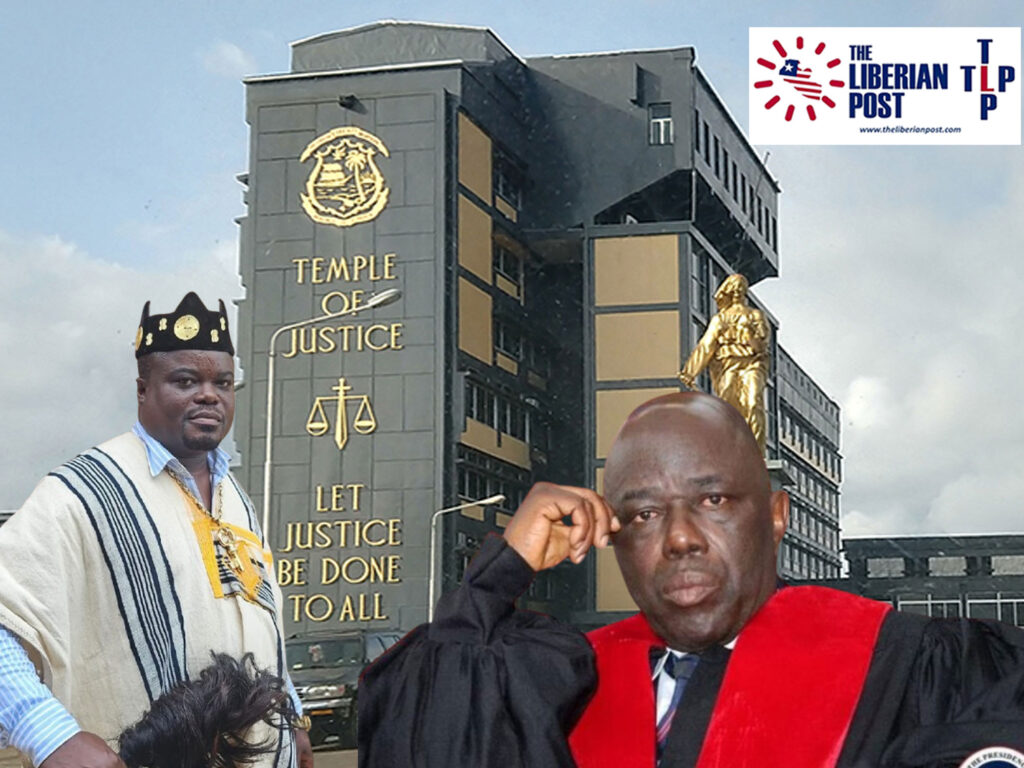
The message is not that speech will be punished. The message is that abuse will not be protected.
There is a constitutional caveat that too many conveniently forget: freedom carries responsibility. The Constitution itself conditions expression on respect for public order, morality, and the rights of others. That limitation is not authoritarian. It is foundational.
Without boundaries, liberty devolves into license. Without discipline, speech becomes weaponized chaos.
This ruling should not frighten those who speak truth to power. It should reassure them. Because truth, supported by fact and delivered without vulgarity, does not fear scrutiny.
What should frighten us is the normalization of degradation as public discourse — the casual use of invective as entertainment, the monetization of outrage, the corrosion of civility.
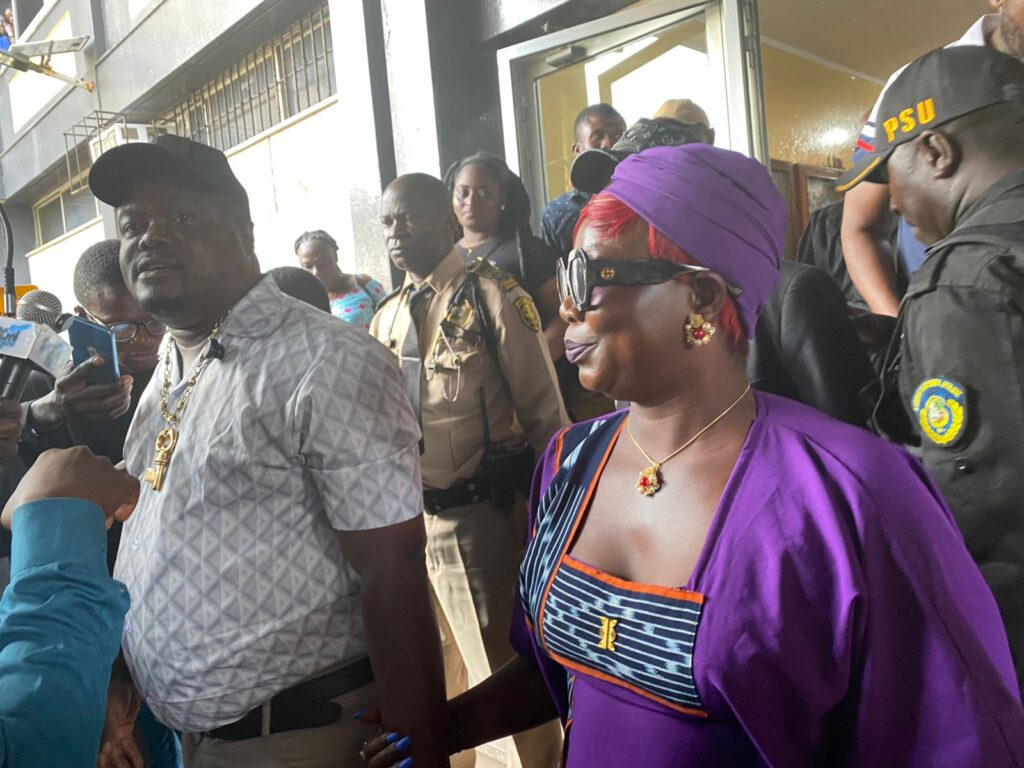
Liberia has survived war, instability, and institutional collapse. It rebuilt itself on constitutional order. That order cannot survive if its guardians are relentlessly demeaned with impunity.
The Supreme Court has drawn a line. It has reminded the nation that democracy requires both freedom and discipline.
The lesson from this episode is simple but profound: Criticize boldly. Debate fiercely. Disagree passionately.
But do not confuse vulgarity with courage.
The rule of law depends not only on what we are free to say — but on how responsibly we choose to say it.
Follow The Liberian Post on Facebook and X (formerly twitter)