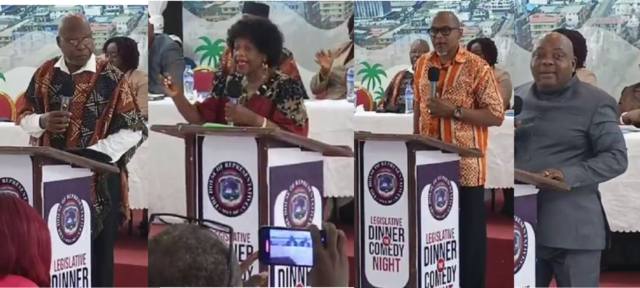
-Stakeholders Debate Dual Citizenship, Decentralization, Women’s Representation and Democratic Reforms
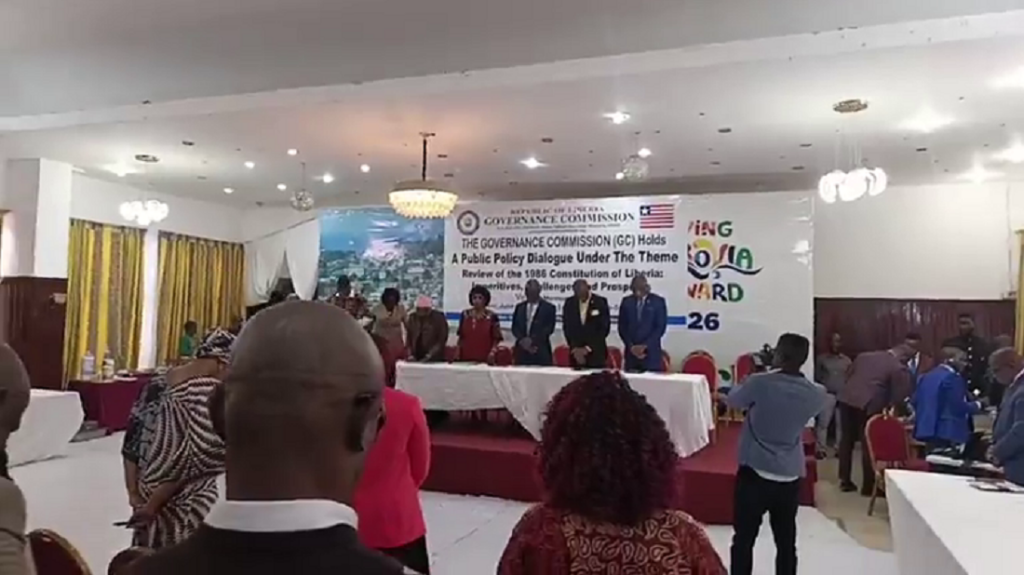
MONROVIA, Liberia – The Governance Commission (GC), in collaboration with the Law Reform Commission (LRC), has launched a major national dialogue on the review of Liberia’s 1986 Constitution, bringing together government officials, lawmakers, legal experts, civil society actors, development partners, traditional leaders, women and youth groups to examine whether the country’s supreme law remains responsive to contemporary realities and democratic aspirations.
The two-day Public Policy Dialogue, held in Monrovia under the theme, “Review of the 1986 Constitution: The Imperatives, Challenges and Prospects,” seeks to generate national consensus on the future direction of constitutional governance in Liberia as the country approaches four decades since the adoption of the Constitution.
Opening the forum, Governance Commission Acting Chairman Alaric K. Tokpah described the exercise as a critical national undertaking aimed at determining whether Liberia’s constitutional framework adequately addresses contemporary governance challenges and reflects the aspirations of the Liberian people.
“The Constitution is the supreme expression of our country’s political covenant,” Tokpah said. “Every democratic society must periodically ask whether its Constitution continues to reflect the needs, realities, challenges and aspirations of its people.”
Calls for Comprehensive Constitutional Reforms
Tokpah noted that while the 1986 Constitution successfully guided Liberia’s transition from military rule to constitutional governance, the country has since undergone profound political, social and economic transformations that warrant fresh examination of the nation’s constitutional architecture.
He argued that many of Liberia’s current governance challenges are linked not only to policy and implementation shortcomings but also to constitutional questions involving representation, accountability, citizen participation, local governance, access to justice, institutional effectiveness and the distribution of power.
Tokpah cited recommendations generated by the former Constitutional Review Committee process, which gathered views from citizens across Liberia and the diaspora on issues including citizenship, decentralization, land rights, judicial reform, gender equity, accountability and governance structures.
Among the questions raised during the dialogue were whether Liberia’s Constitution adequately empowers local communities, promotes the participation of women, youth and persons with disabilities, and creates an appropriate balance among the three branches of government.
Law Reform Commission Raises Key Constitutional Questions
Delivering a special statement, Law Reform Commission Chairperson and Chief Executive Officer Cllr. Bornor M. Varmah said Liberia’s constitutional journey has reached a point where serious reflection is required regarding the effectiveness of provisions adopted nearly 40 years ago.
Varmah said several constitutional issues have emerged over the years as subjects of public debate, including presidential tenure, electoral reforms, decentralization, dual citizenship, the powers and effectiveness of public institutions, checks and balances among branches of government, and broader concerns relating to gender equality, youth participation and inclusion of persons with disabilities.
“The objective of a constitutional review should not simply be constitutional change,” Varmah emphasized. “Rather, the objective should be constitutional improvement, strengthening democratic governance, enhancing national cohesion, promoting effective institutions, protecting rights and ensuring that the Constitution remains a living instrument serving present and future generations.”
The LRC Chairperson also outlined two possible approaches to constitutional reform: a restricted review focused on specific contentious provisions or a holistic review involving a comprehensive examination of the entire Constitution.
Legislature Signals Support for Reform
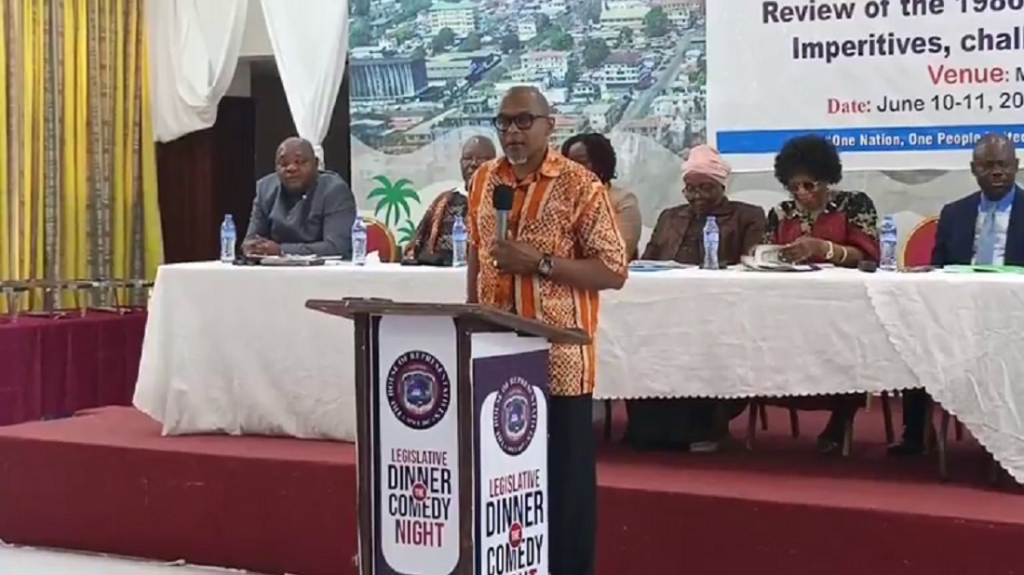
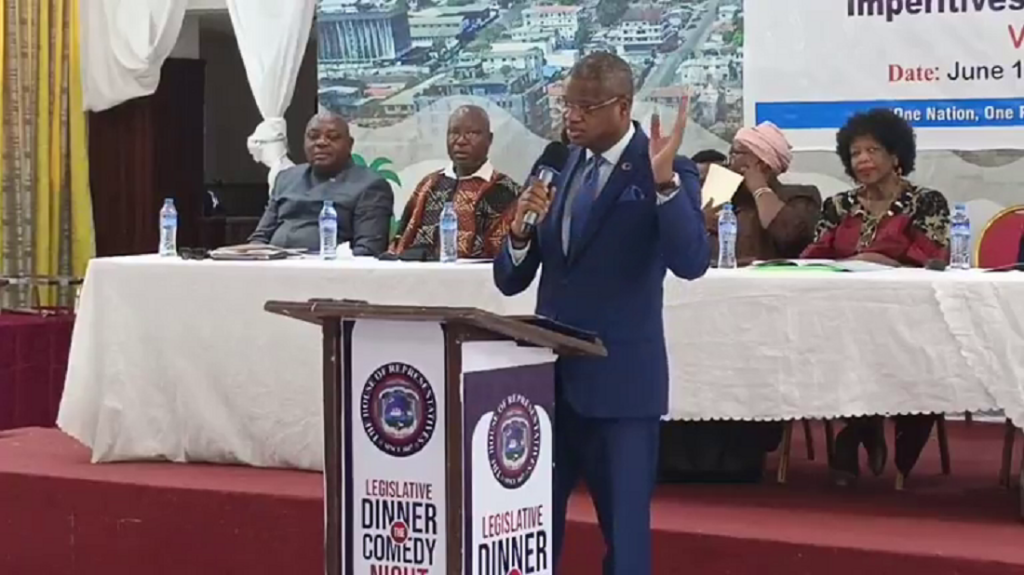
Representing House Speaker Richard Nagbe Koon, Representative James Kolleh urged participants to examine several constitutional issues that continue to generate national debate.
Among them were Liberia’s amendment procedures, which he described as excessively rigid, dual citizenship restrictions, the underrepresentation of women and marginalized groups in governance, and the need to accelerate decentralization.
“Article 27 now stands at odds with our reality,” Kolleh said, referring to constitutional provisions governing citizenship. “We are a global people. Liberians abroad remit and return, yet their children born beyond our shores are denied the nationality of their fathers and mothers.”
He also called for counties to elect their own superintendents and for local governments to enjoy constitutionally guaranteed revenue streams.
“The imperative is constitutional decentralization,” he declared. “When power is closer to the citizen, corruption decreases and development accelerates.”
UNDP Backs Constitutional Review Process
The United Nations Development Programme (UNDP) pledged technical and financial support for Liberia’s constitutional review efforts.
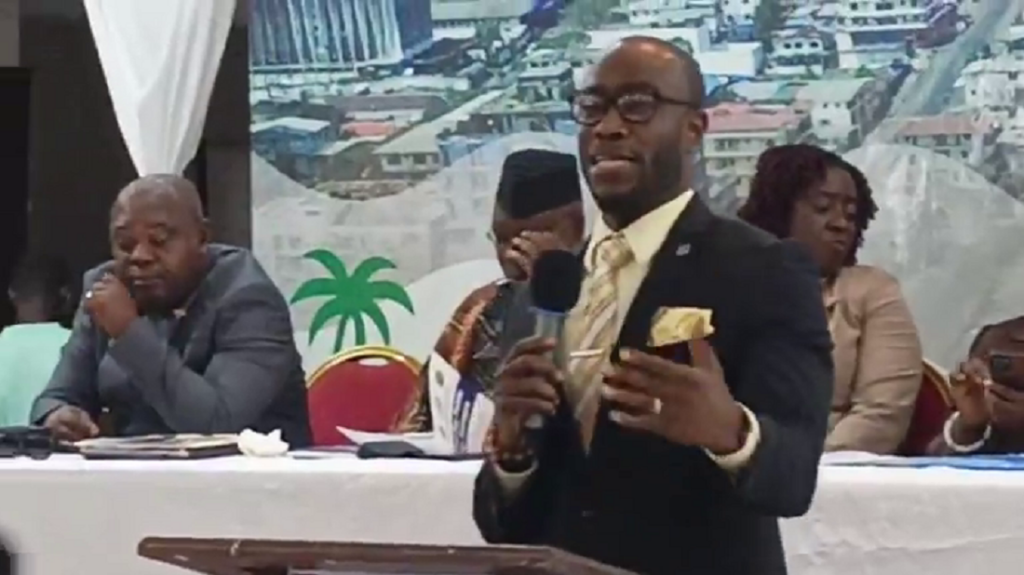
UNDP Resident Representative Aliou Mamadou Dia said constitutional reforms must reflect changing realities and emerging governance challenges facing modern societies.
Quoting former U.S. President Thomas Jefferson, Dia argued that laws and institutions must evolve alongside societal progress.
“The Liberia of 1986 is not the Liberia of today,” Dia said. “The Constitution is the Constitution of the people, and there must be massive consultations with everybody.”
He stressed that future constitutional discussions should address issues largely absent from the current Constitution, including digital transformation, artificial intelligence, cybersecurity and technological rights.
Dia also emphasized the importance of ensuring adequate constitutional protections and representation for women and young people, who constitute the majority of Liberia’s population.
Veterans Recall Origins of the 1986 Constitution
The dialogue also featured reflections from some of the surviving participants who played direct roles in drafting and reviewing the 1986 Constitution.
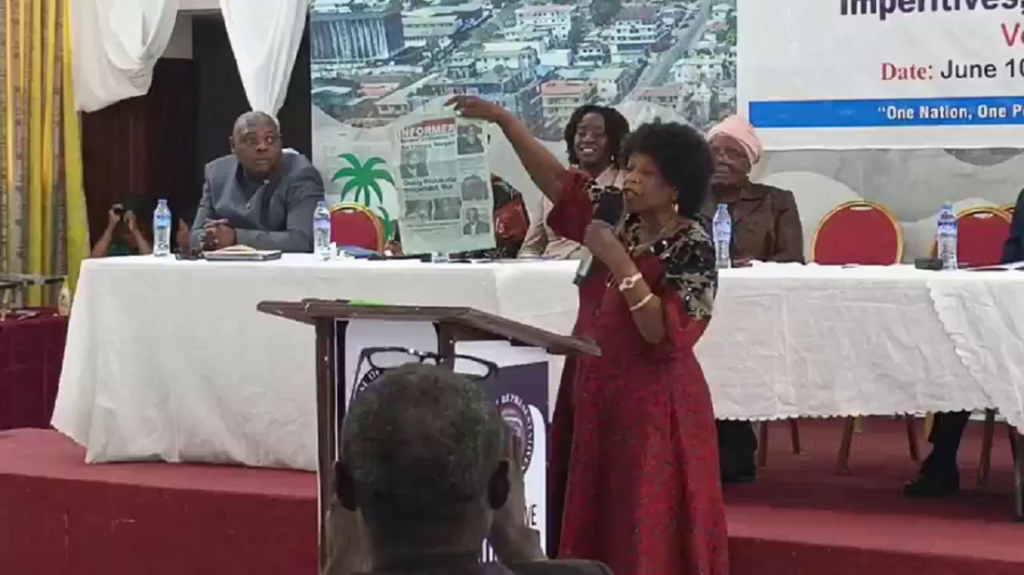
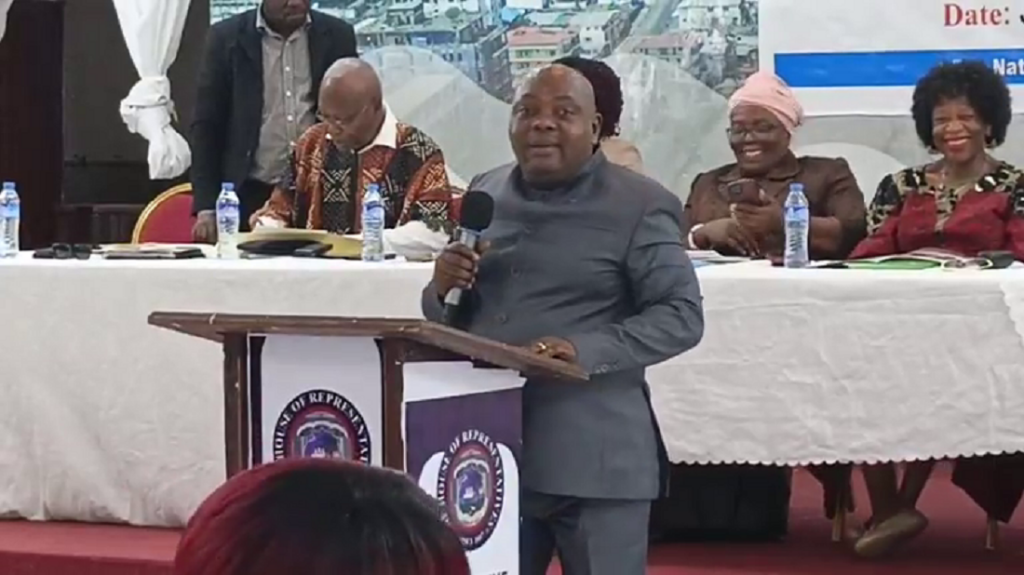
Former Constitutional Advisory Assembly member Cllr. Pearl Brown Bull recounted the circumstances under which the Constitution was crafted following the 1980 coup, stressing the importance of understanding the historical rationale behind many constitutional provisions currently under scrutiny.
Former Senator Conmany Wesseh, who served on the original Constitutional Commission chaired by the late Dr. Amos Sawyer, also reflected on Liberia’s constitutional evolution and the role constitutional reform played in the country’s democratic transition.
Toward a New National Consensus
Participants are expected to examine the findings of previous constitutional reform efforts and develop recommendations that could shape the next phase of Liberia’s constitutional review process.
Organizers say the ultimate goal is not simply to amend constitutional provisions but to build a broader national consensus on how Liberia’s governance framework can better support democratic accountability, inclusion, decentralization, national development and social cohesion in the decades ahead.
As Liberia continues to navigate complex governance challenges, the dialogue marks one of the most significant attempts in recent years to reopen a national conversation on the future of the country’s constitutional order and the kind of republic Liberians wish to build for future generations.
Follow The Liberian Post on Facebook (https://web.facebook.com/profile.php?id=61576017166570) and X, formerly twitter (https://x.com/LiberianPost).